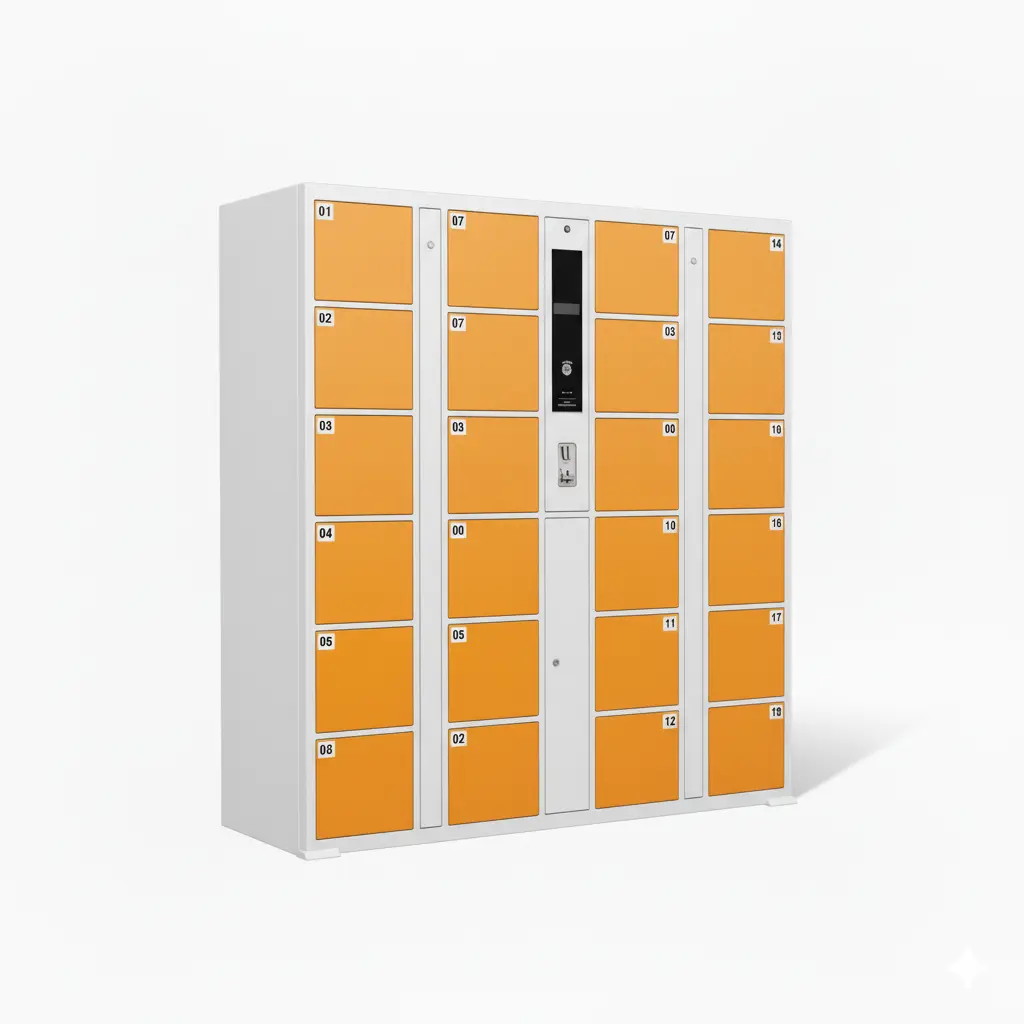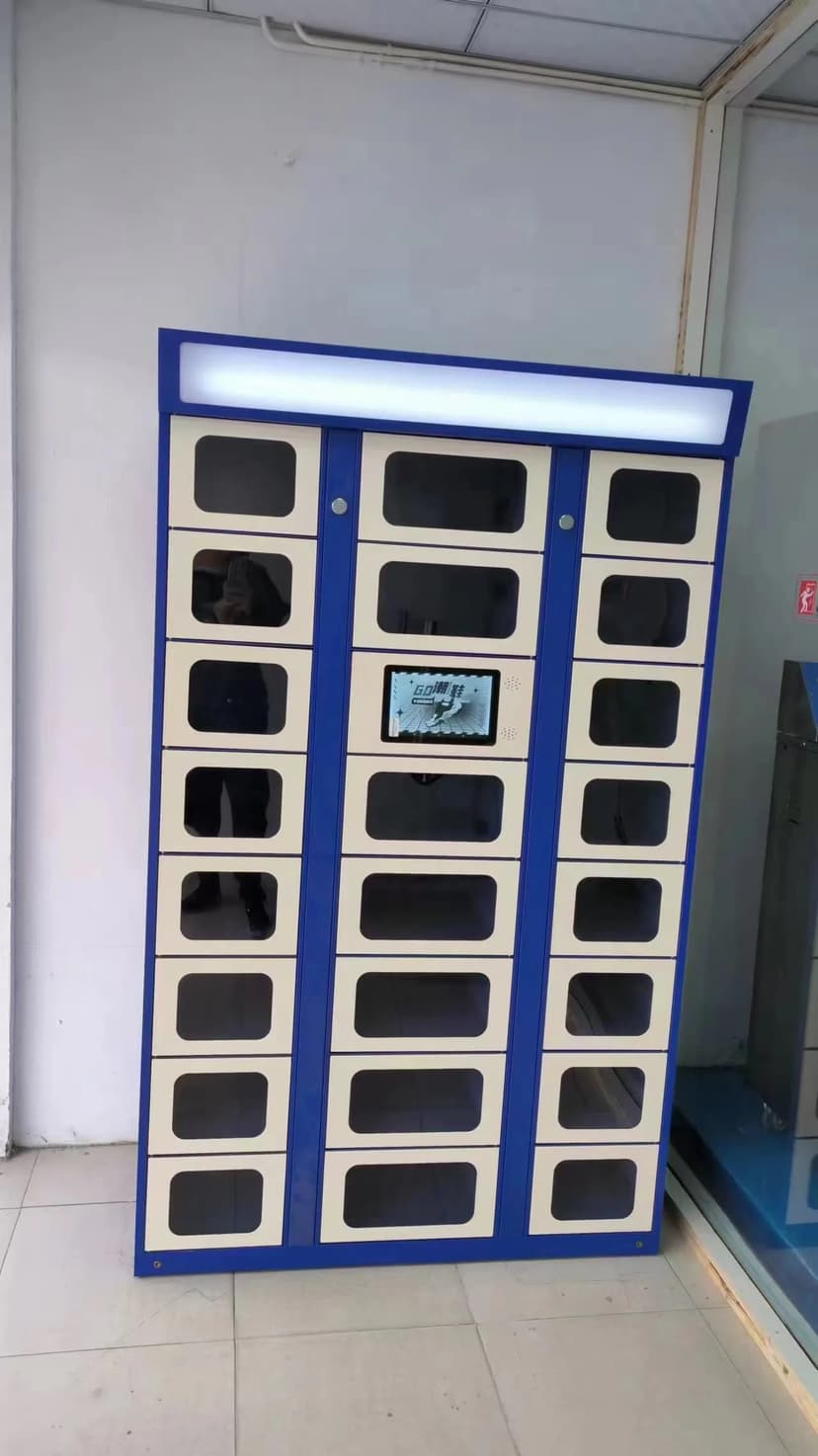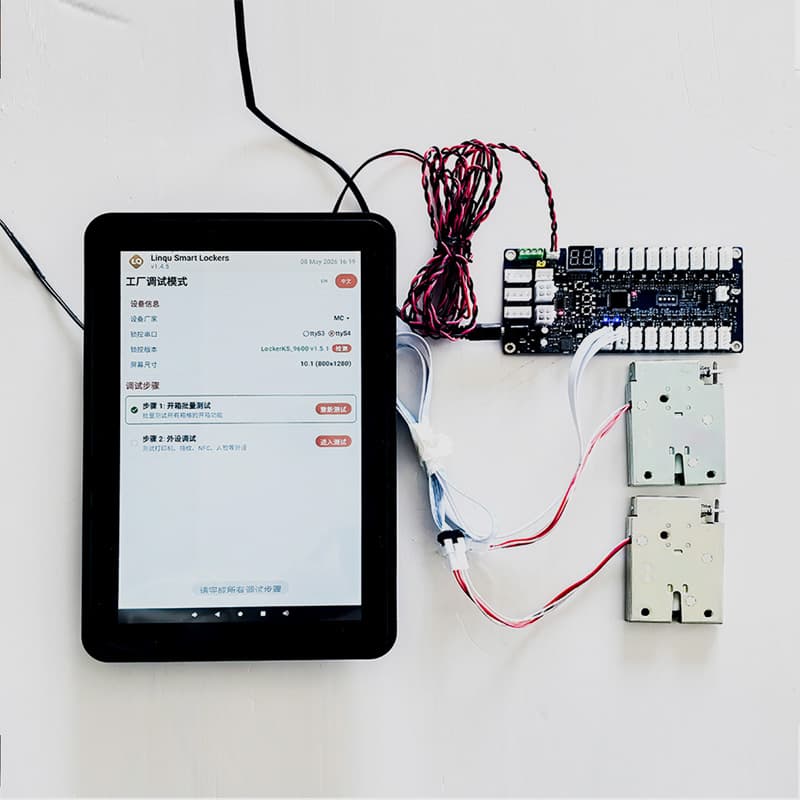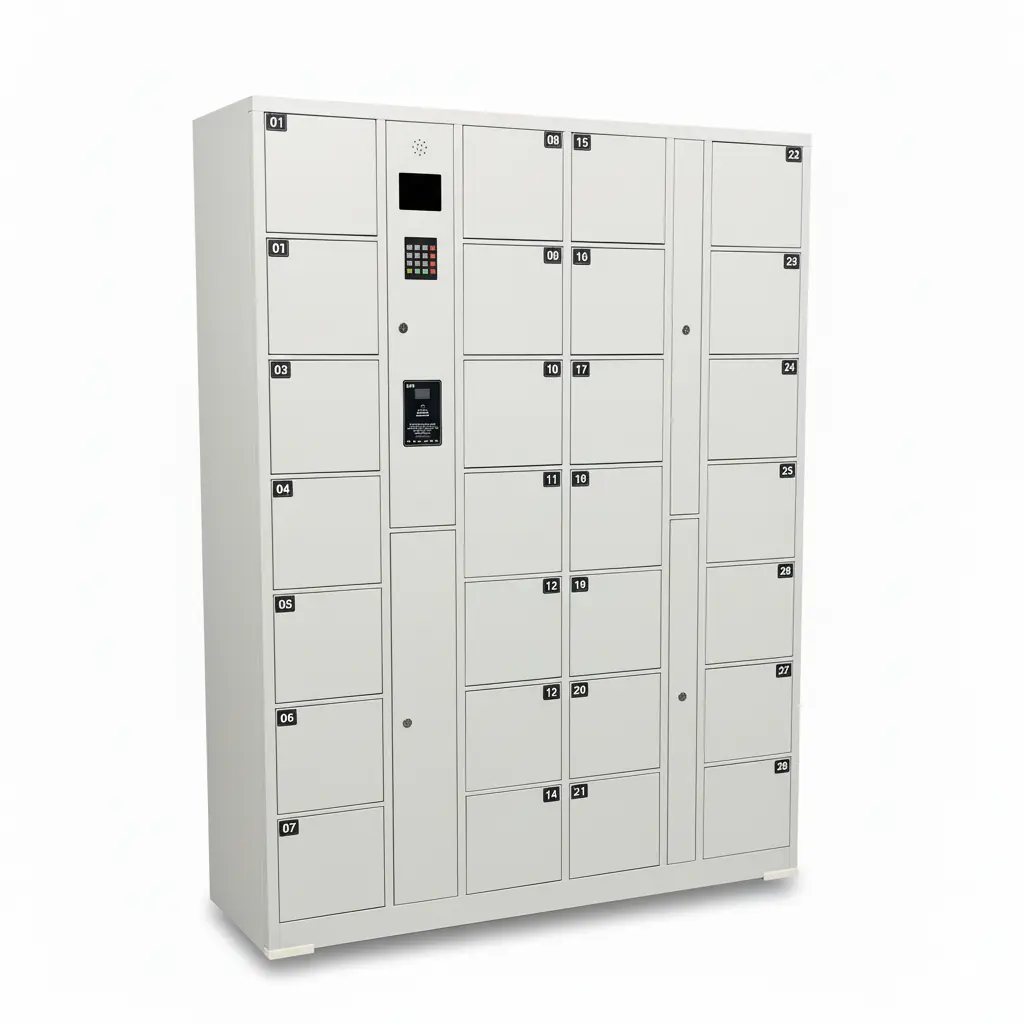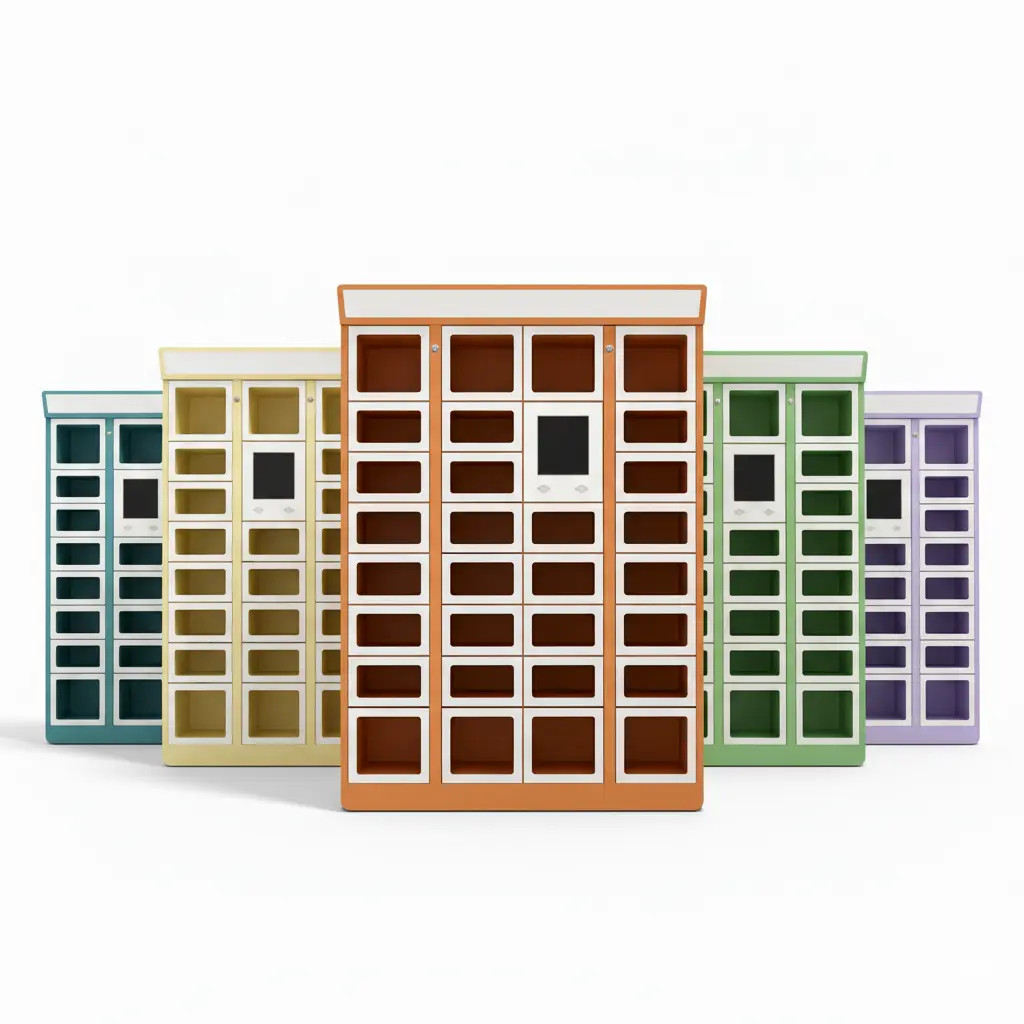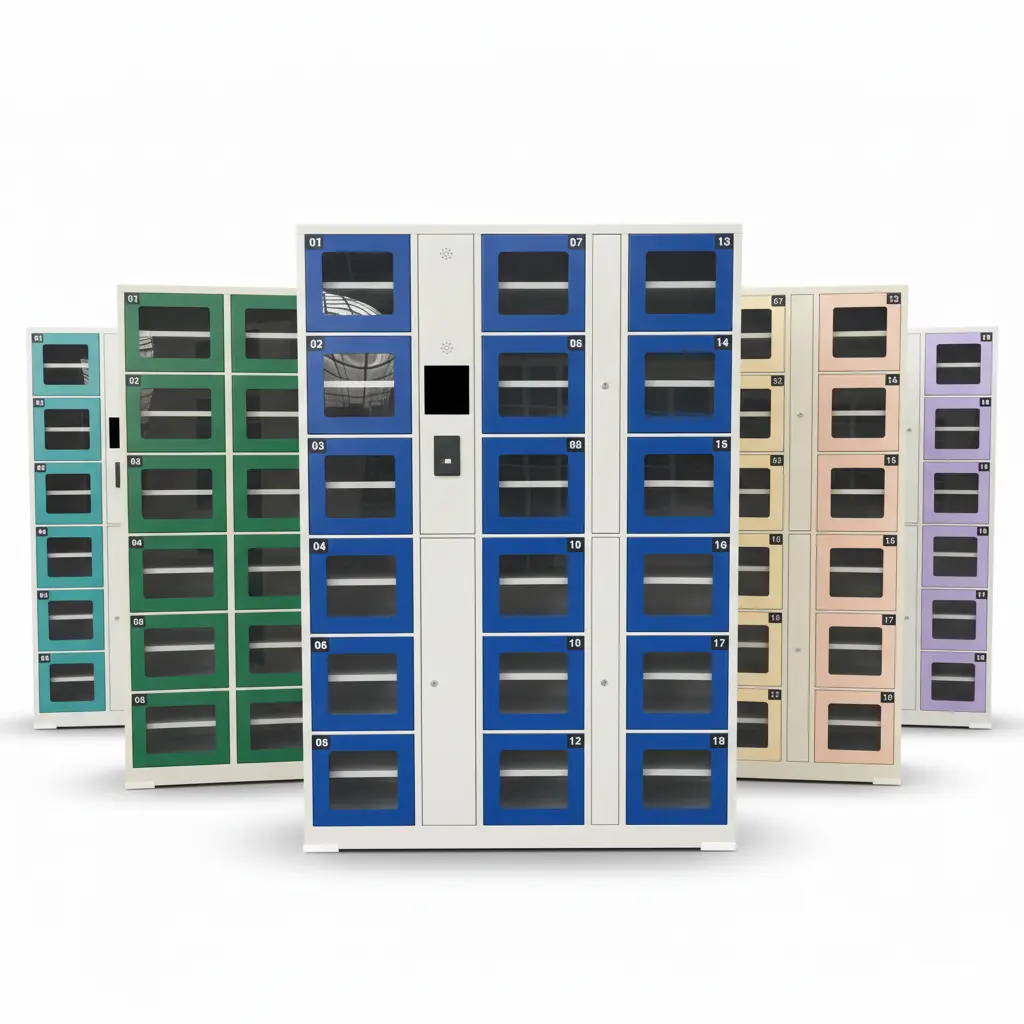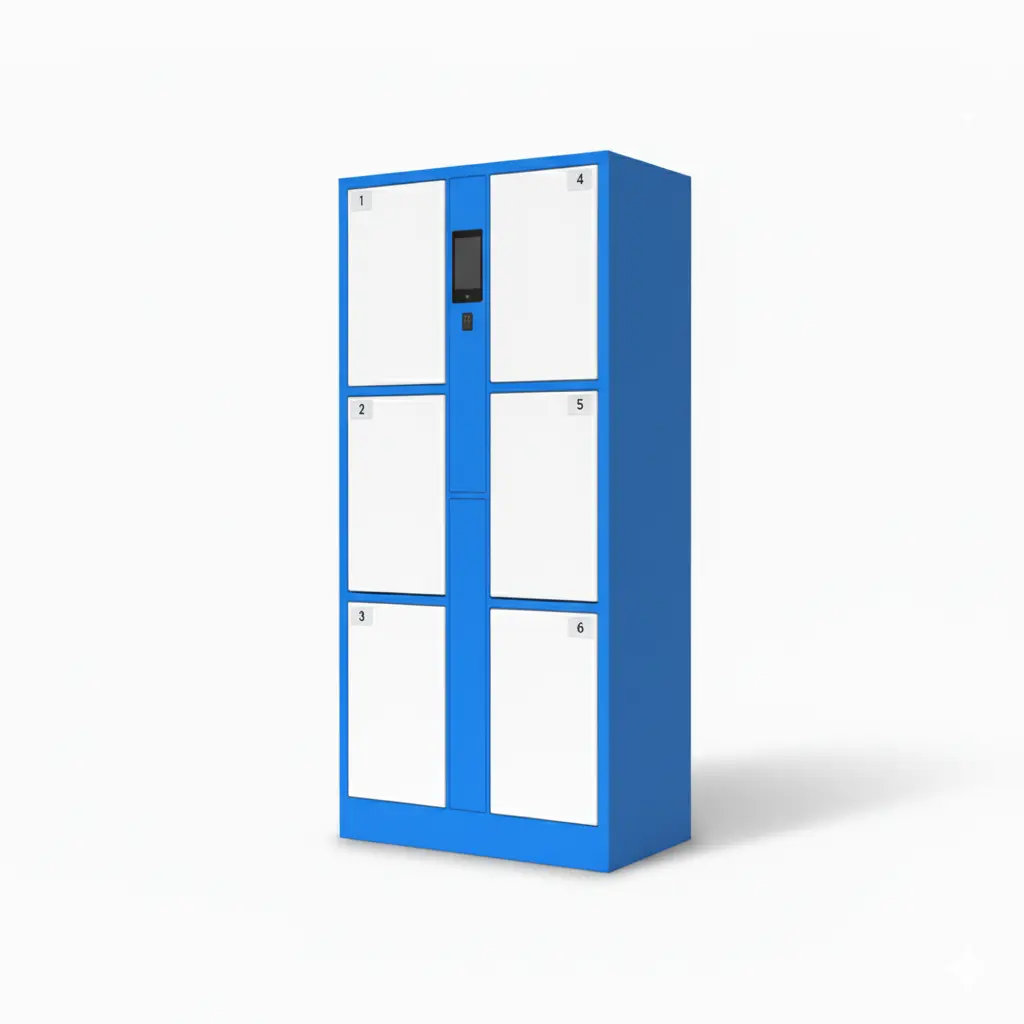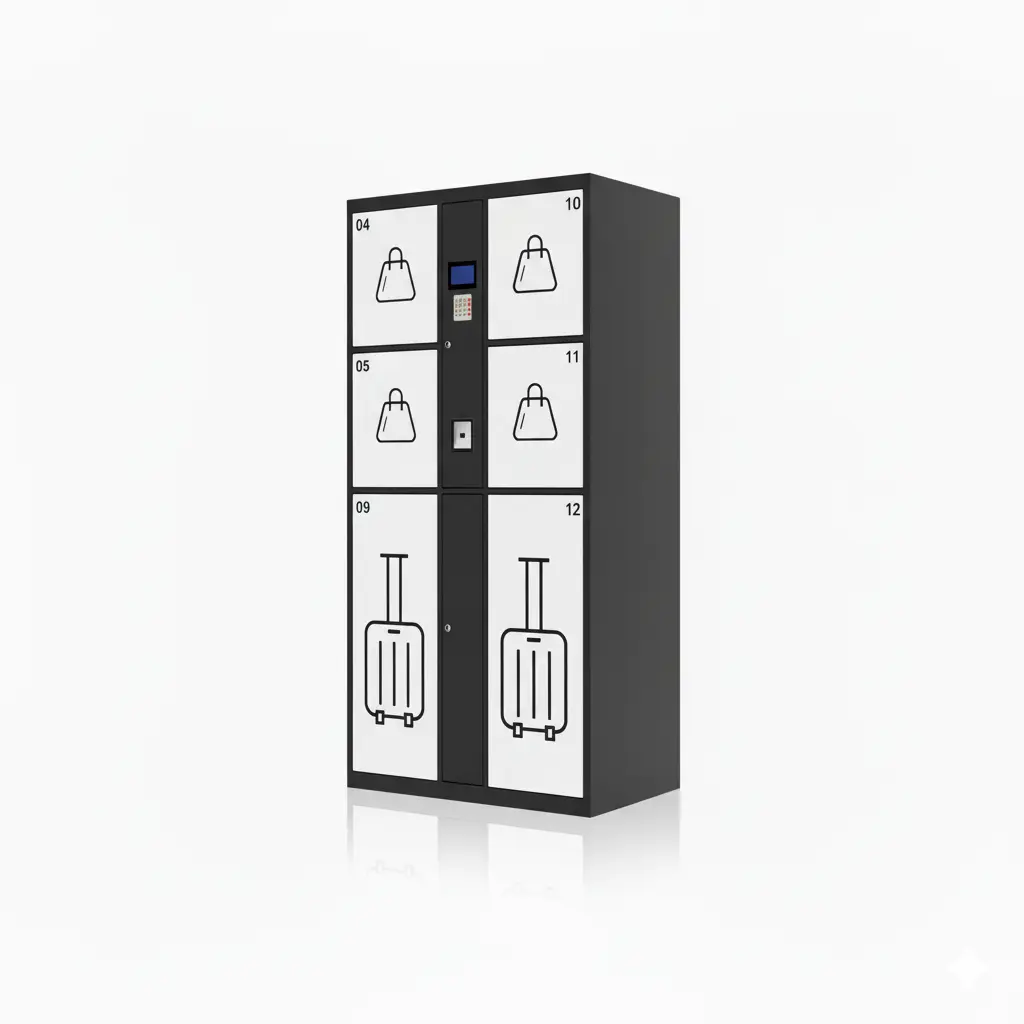
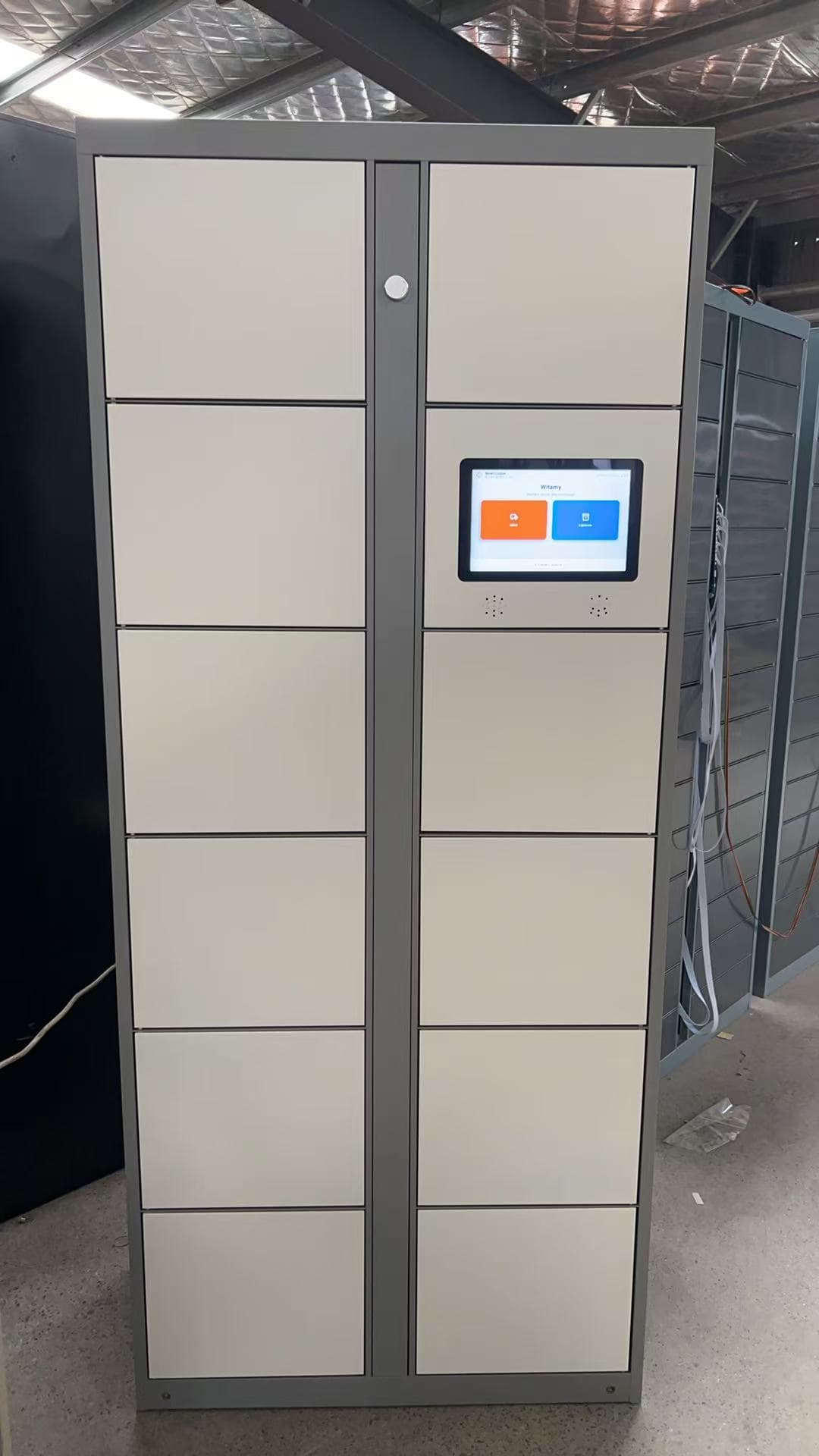
Linqu is a smart locker manufacturer based in Zhengzhou, China, and designs grocery pickup locker systems for supermarkets, fresh-food ecommerce teams, convenience chains, pharmacies, and hybrid retail operators that need a safer way to hand over chilled, frozen, heated, and ambient orders. A grocery and supermarket pickup locker solution is not just a cold cabinet. It is a store fulfillment workflow that connects staff loading, customer notification, temperature zones, pickup verification, remote monitoring, and exception handling into one self-service handoff point.
Solution Overview: Grocery Pickup Locker System
Hardware: modular self-service pickup lockers with ambient, refrigerated, frozen, or heated compartments.
Software: cloud dashboard for order loading, compartment status, dwell time, audit logs, and remote unlock.
Integration: POS, OMS, ecommerce, delivery app, API, webhook, SMS, email, WhatsApp, or app notification support.
Deployment: indoor front-of-store, back-of-house flow-through, curbside, semi-outdoor, or outdoor modules.
Support: OEM/ODM design, pilot MOQ from 1 unit, 24-hour quote, and remote software support.

Why Grocery Pickup Needs A Different Locker Workflow
Parcel lockers solve courier delivery. Vending lockers solve on-site purchase. Grocery pickup lockers solve a more sensitive problem: a paid order may include frozen food, chilled produce, ambient pantry items, pharmacy goods, and sometimes a driver or shopper handoff. If store staff place everything behind a service counter, customers queue, employees search shelves, and orders wait outside the correct temperature range. If the store only uses curbside pickup, staff must leave the building repeatedly and handle peak-hour bursts manually.
A supermarket pickup locker changes the handoff point. Staff prepare an online order, split it by temperature zone when needed, load the assigned compartments, and trigger a pickup code or QR link. Customers or delivery drivers open only the right doors. The platform records who loaded the order, when the notification was sent, when pickup happened, and whether any compartment exceeded the allowed dwell time. For a chain operator, this creates one repeatable workflow across stores instead of a local process invented by each branch.
Before And After: From Service Counter To Self-Service Pickup
| Step | Manual counter workflow | Locker workflow |
|---|---|---|
| Order ready | Staff prints or checks a list and stores bags near the counter. | OMS or staff screen assigns ambient, chilled, frozen, or heated compartments. |
| Customer arrives | Customer queues, gives a name, and waits for staff to search. | Customer scans QR code or enters a PIN from SMS/email/app notification. |
| Exception | Staff manually checks missing bags, late orders, or refunds. | Dashboard shows loaded time, pickup status, timeout, temperature alert, and remote unlock record. |
| Scaling | Each store needs trained staff at the counter during pickup peaks. | Multi-store dashboard standardizes permissions, reports, and compartment planning. |
This workflow is especially useful for supermarkets that already offer buy-online-pickup-in-store, local delivery, meal kits, pharmacy pickup, or driver collection. A locker does not replace all store labor; it removes repetitive handoff labor and makes order status visible.
Temperature Zones: Ambient, Chilled, Frozen, And Heated
Grocery pickup is rarely one temperature. Fresh produce may need chilled holding, frozen goods require freezer storage, shelf-stable items can use ambient compartments, and prepared meals may need heated or controlled warm holding. Linqu can help buyers plan locker groups around the real order mix instead of buying one oversized cabinet. A practical pilot often starts with a small ambient section, a chilled section, and a limited frozen or heated section, then expands after order data shows the right compartment mix.
The page should not promise that every operator needs tri-temperature hardware. Recent market research shows multi-temperature is a strong grocery signal, but the exact mix should follow the retailer's catalog, pickup dwell time, local climate, and food-safety policy. For many stores, the first decision is simple: which orders can safely sit in ambient lockers, which must be chilled, and which should never be left unattended beyond a short timeout.

System Architecture: POS, OMS, API, And Notifications
A grocery pickup locker works best when it connects to the system that already owns order status. Linqu supports custom workflows with REST API, webhook, reference SDK support, and integration planning for POS, OMS, ecommerce, or delivery platforms. The usual events are order created, order ready, compartment assigned, door opened, customer pickup, timeout, staff override, and order completed.
For stores that are not ready for full integration, staff can load orders through the locker screen or cloud dashboard and send SMS pickup codes manually or automatically. For chains, an API-first workflow is better: the ecommerce or OMS creates the order, the locker system returns a compartment ID and pickup credential, and the store dashboard records status across locations. Buyers evaluating this path should also read the parcel locker API integration guide and compare it with the smart locker hardware package and API solution.
Capacity Planning For Supermarket Pickup Peaks
The sizing question is not "How many doors do we need?" It is "How many orders are waiting at the same time by temperature zone?" Start with daily pickup volume, the peak two-hour window, average dwell time, and order bag count. If 80 grocery orders are prepared per day but only 18 are waiting at the same time, the pilot can be smaller than the daily total suggests. If customers often collect after work, the evening peak may require more chilled and frozen capacity than midday data suggests.
Use small compartments for prescriptions, meal kits, and compact bags.
Use medium compartments for mixed grocery bags and prepared meals.
Use large compartments for bulky retail bags, multipack drinks, or family orders.
Use separate temperature zones where food-safety rules require it.
Reserve overflow and staff override rules before launch, not after a peak failure.
Linqu can quote pilot layouts from one unit and support modular expansion with main and auxiliary cabinets. For stores planning curbside or outdoor pickup, combine the sizing plan with power, network, and installation checks.
Deployment Options: Front Store, Flow-Through, Curbside, Or Outdoor
Small stores may place lockers near the service counter. Larger supermarkets may prefer a flow-through or rear-loading workflow where staff load from the back-of-house side and customers pick up from the public side. Outdoor or semi-outdoor modules can support after-hours pickup, parking-lot collection, or driver pickup, but they require weatherproofing, drainage planning, lighting, network reliability, and clear customer wayfinding.
Related product paths include the self-service order pickup locker, the retail BOPIS click-and-collect pickup locker, the refrigerated food locker, and the temperature-controlled food parcel locker. The final mix should be selected around the order profile rather than a single product name.

Risk Control, Food Safety, And Exception Handling
Grocery handoff failures can become refunds, customer complaints, or food-safety risks. A good locker workflow defines timeout limits, temperature alert handling, failed pickup steps, refund triggers, staff override permissions, and cleaning responsibility. The system should capture who loaded each order, when the customer opened the compartment, whether the door was closed, and which administrator used remote unlock.
For regulated or sensitive categories such as pharmacy pickup, include ID verification, restricted permissions, and a shorter dwell-time policy. For food, define which categories can use heated, chilled, frozen, or ambient compartments and how long each category may stay in the locker. These rules are operational decisions, not just hardware specifications.
Pilot Plan, Cost Drivers, And 24-Hour Quote
A practical pilot can start with one store, one cabinet group, and 30-90 days of pickup data. Cost drivers include cabinet quantity, compartment size mix, temperature modules, touchscreen size, scanner/payment options, outdoor rating, software integration, SMS volume, branding, and installation support. Linqu supports MOQ from 1 unit for pilot projects, OEM/ODM customization, one-year hardware warranty, and remote software support. Buyers can send order volume, preferred temperature zones, site photos, API requirements, and target launch date to receive a 24-hour quote.
Key Takeaways
A grocery pickup locker is an order handoff system, not just a refrigerated cabinet.
Temperature planning should follow the retailer's order mix: ambient, chilled, frozen, heated, or a combination.
API, POS, OMS, SMS, email, WhatsApp, and dashboard workflows decide whether the system scales across stores.
Capacity should be sized by peak waiting orders, not total daily orders.
Food safety depends on timeout rules, logs, alerts, and staff exception handling.
Linqu can support pilot MOQ from 1 unit, OEM/ODM layouts, and 24-hour quote response.
About Linqu
Linqu Smart Lockers (linqubox.com) is a smart locker manufacturer based in Zhengzhou, Henan, China. Founded in 2018, Linqu operates a 20,000 sqm factory in Luoyang, Henan, and designs parcel lockers, luggage lockers, food lockers, smart laundry lockers, self-service pickup lockers, vending lockers, phone charging lockers, and OEM smart-locker components. Linqu serves B2B customers worldwide with OEM/ODM customization, software integration, pilot MOQ from 1 unit, one-year hardware warranty, free remote software support, and 24-hour quote turnaround.
Request a grocery pickup locker quote: send your store count, daily pickup volume, temperature zones, site photos, and POS/OMS integration questions. Linqu can help size a pilot and recommend cabinet, software, notification, and installation options within 24 hours.