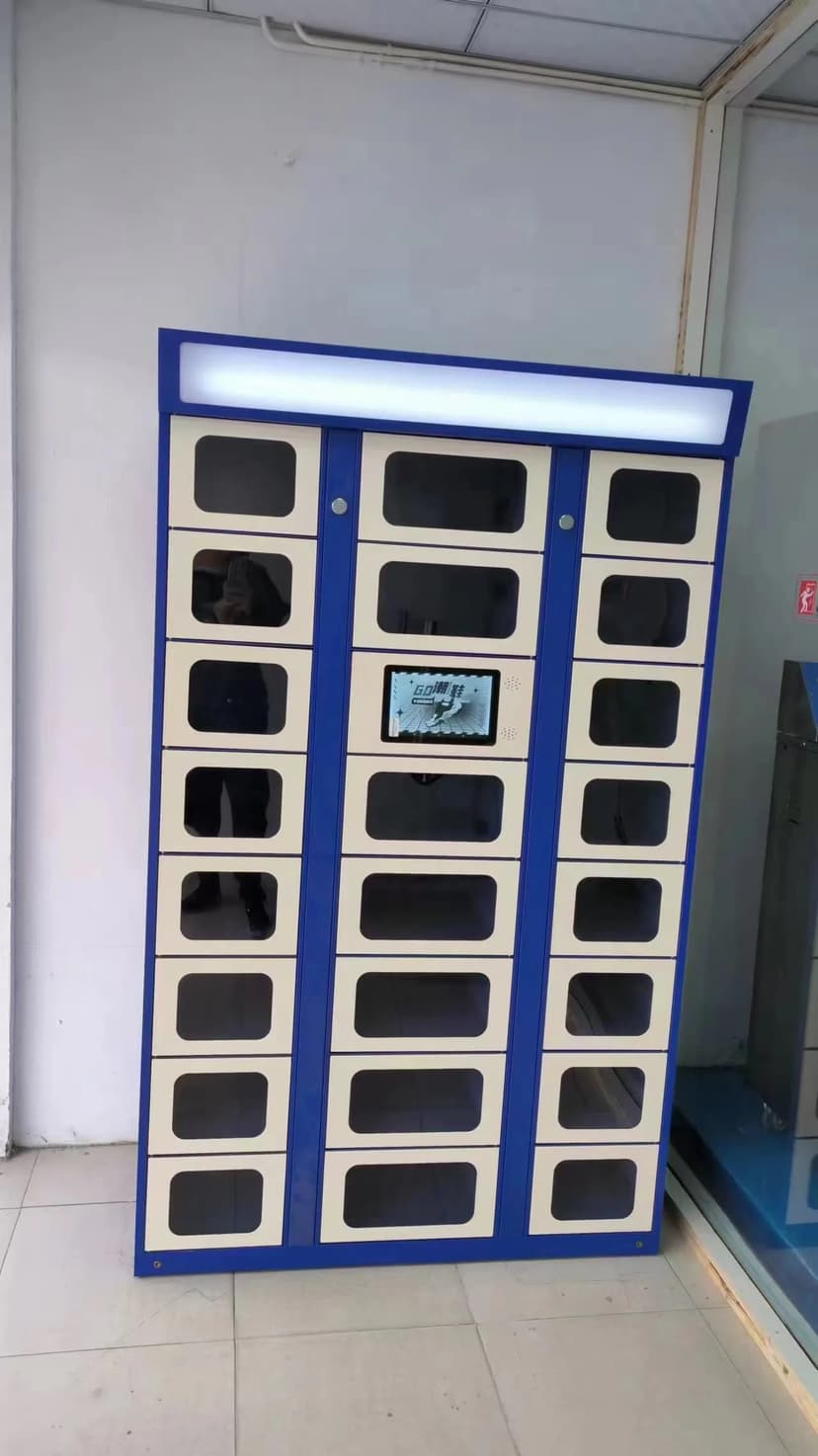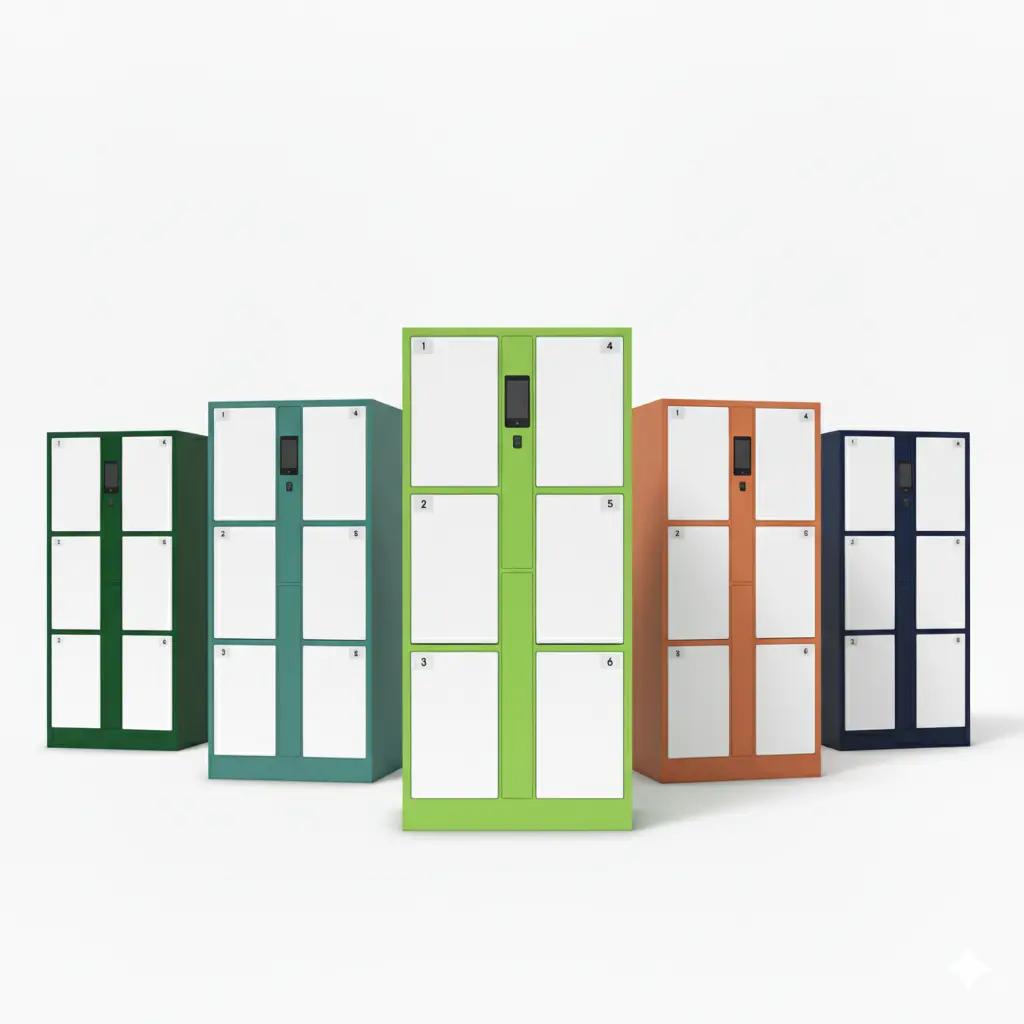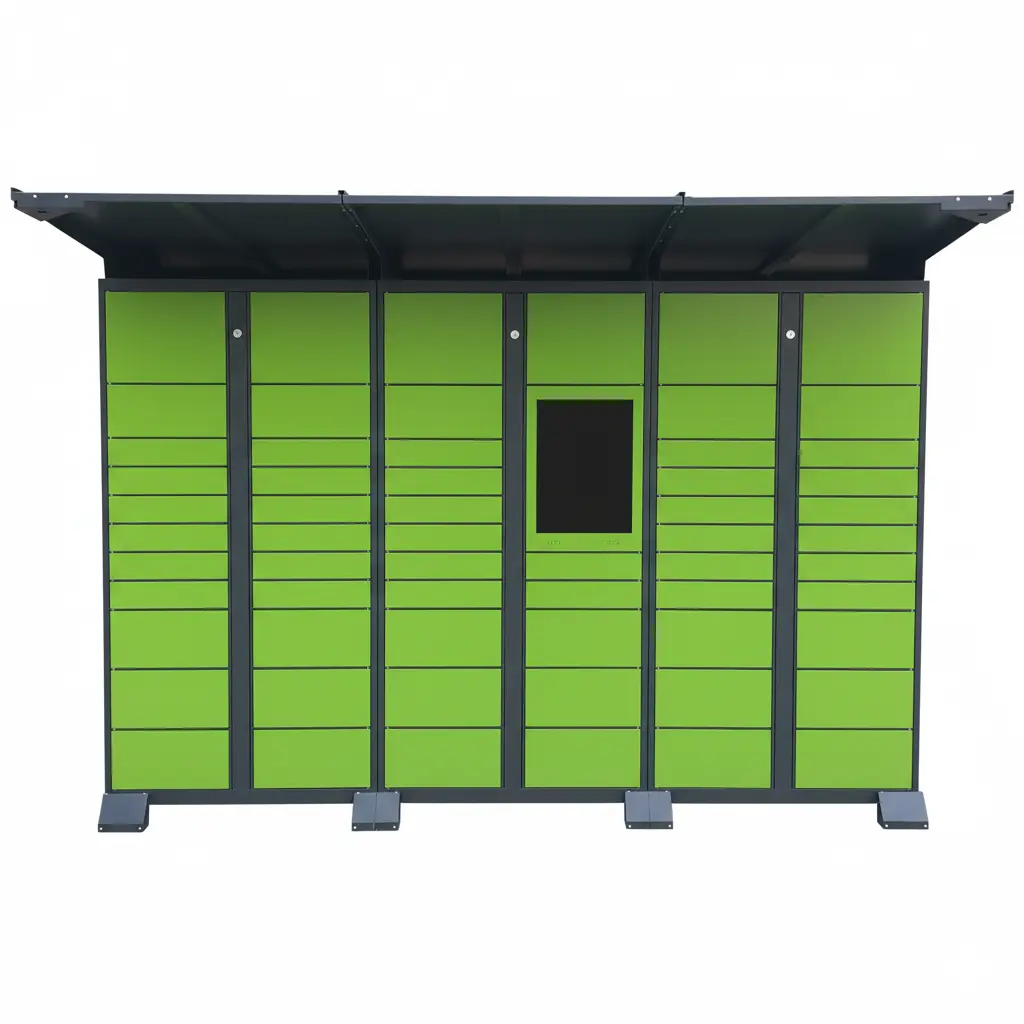

Smart locker hardware package projects are for buyers who already have a cabinet factory, a local integration team, or an existing software platform, but need reliable control hardware to turn a metal cabinet into a connected locker system. Linqu is a smart locker manufacturer based in Zhengzhou, China, and supplies smart locker components including Android touchscreen terminals, 18/32-channel RS485 lock control boards, electromagnetic locks, sensors, wiring, and API-ready support for OEM and system integrator projects.
Solution Overview: hardware, firmware, API, and support
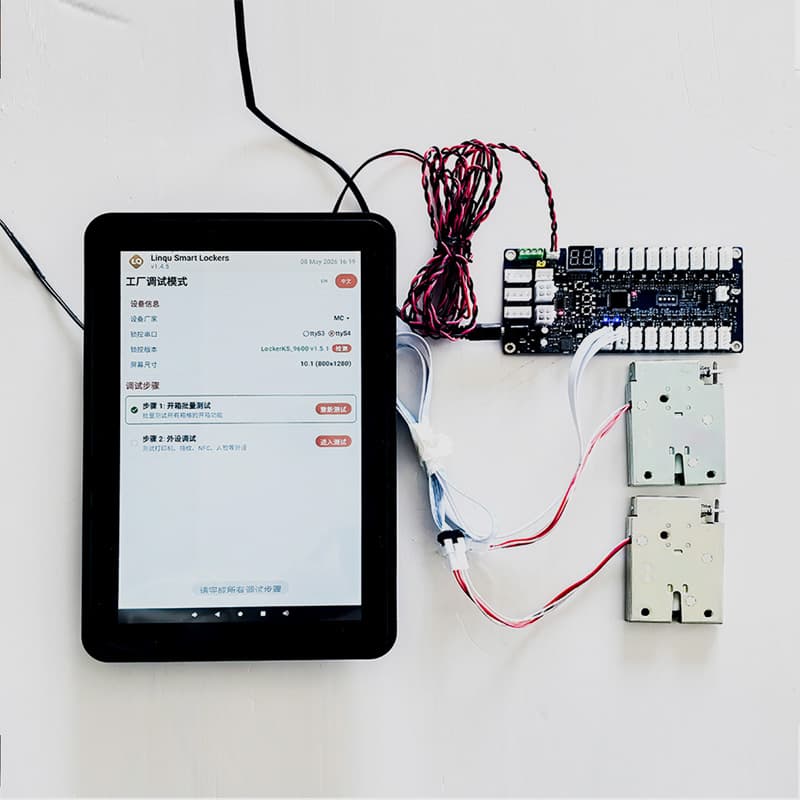
This solution packages the control layer of a smart locker. The touchscreen handles user interaction, staff operation, language UI, QR scanning, payment flow, and network communication. The lock control board connects the terminal to multiple compartment locks. The electromagnetic locks open each door. Door sensors and wiring complete the feedback loop. The API or customer platform defines the business logic: parcel pickup, paid storage, laundry handover, vending, tool management, or internal asset control.
Hardware: Android touchscreen, RS485 control board, locks, sensors, power wiring, and optional scanner or NFC module.
Software: API-ready control, order creation, open-door command, status query, logs, payment callback, and remote support.
Deployment: suitable for OEM cabinet makers, local system integrators, and buyers who want to reduce whole-cabinet shipping cost.
Support: component matching, wiring guidance, testing workflow, and 24-hour quote response for B2B projects.

Who should buy a smart locker hardware package?
The best buyers are not looking for a finished locker only. They want a controllable hardware layer that can be installed inside their own cabinet or integrated into a local project. Typical buyers include metal cabinet manufacturers, local kiosk integrators, property technology companies, logistics software teams, vending operators, university system integrators, and regional service businesses building their own locker network.
For example, a local cabinet manufacturer may already produce steel doors and frames but need a proven Android touchscreen smart locker terminal, a compatible lock control board, and a lock set. A software company may already have a customer app and cloud platform but needs open-door hardware and compartment status feedback. A project integrator may need to assemble lockers locally to reduce freight cost while still using tested electronic control modules.
Core components in the package
| Component | Role in the system | Buyer decision |
|---|---|---|
| Android touchscreen | User interface, staff operation, network, QR/payment entry | 7 inch, 10 inch, or 21.5 inch; WiFi, LAN, or 4G |
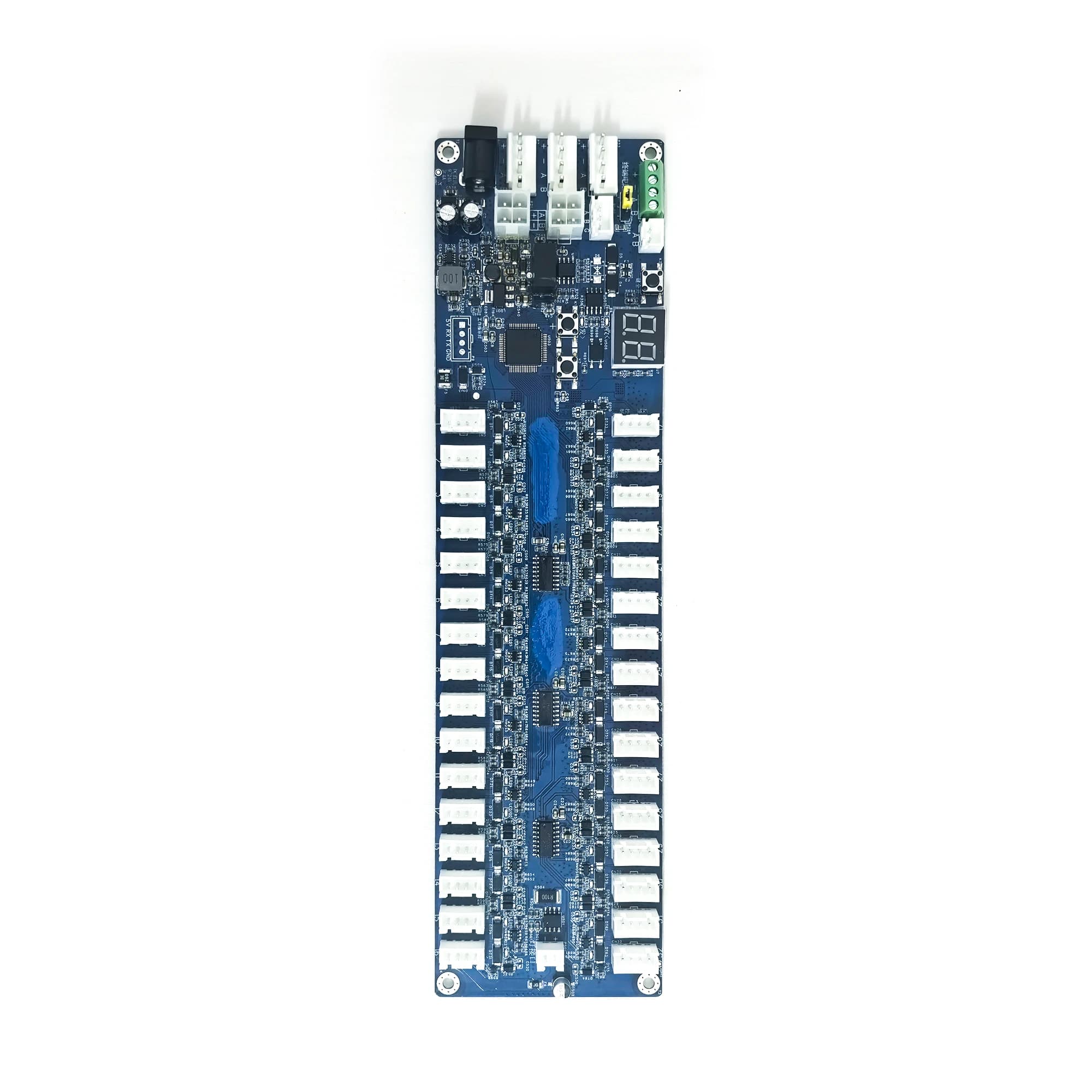
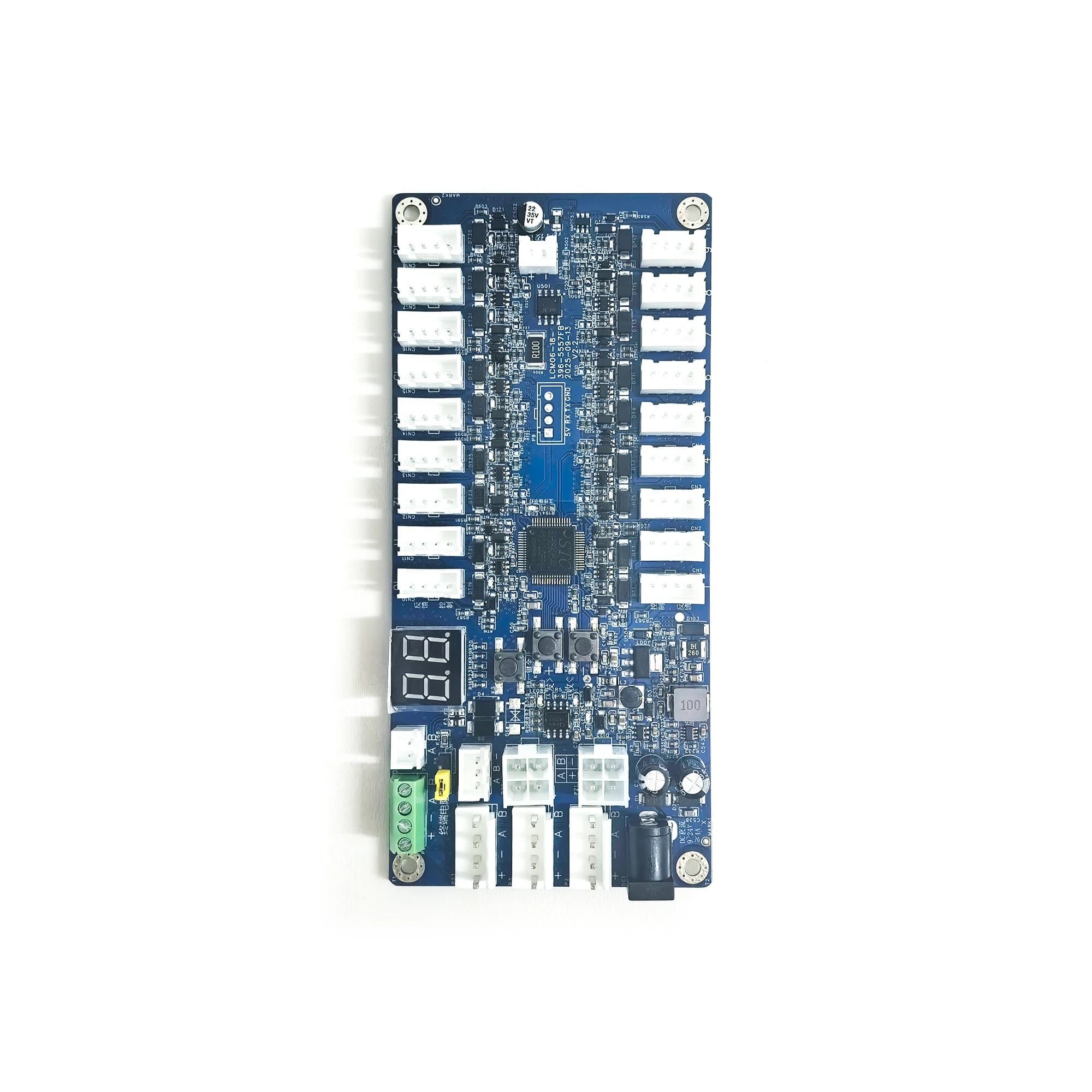
| Lock control board | Controls and monitors multiple compartment locks | 18-channel or 32-channel RS485 board depending on door count |
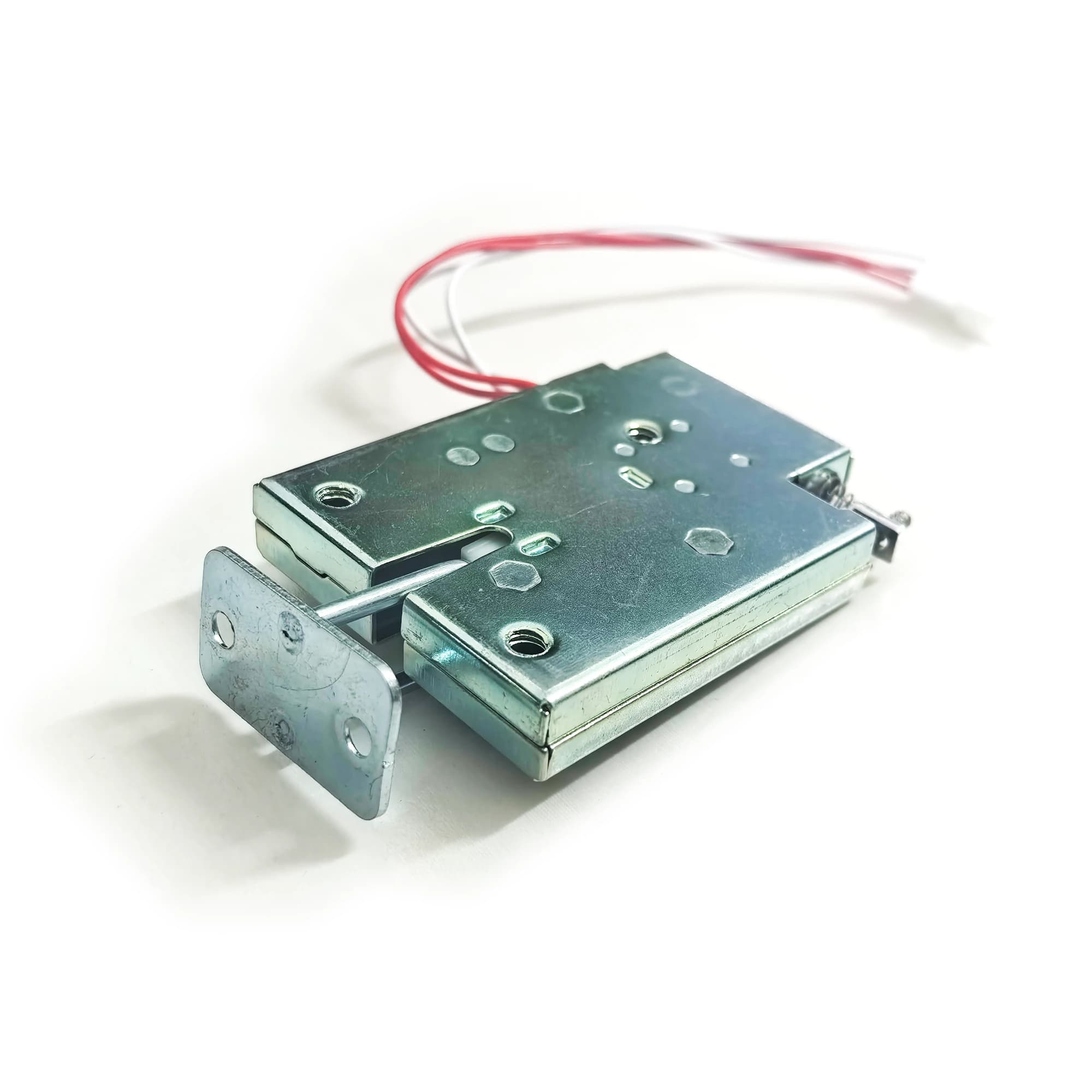
| Electromagnetic lock | Opens each locker door after valid command | 12V/24V matching, duty cycle, manual emergency release |
| Door sensor and wiring | Reports open/closed status and supports fault handling | Cable length, connector type, cabinet layout, maintenance access |
| API/software layer | Connects the hardware to the customer's workflow | Order API, open command, logs, payment callback, webhook |
For different door counts, Linqu can match an 18-channel RS485 lock control board or a 32-channel RS485 lock control board. The package can also include standard 12V electromagnetic locks for smart lockers when buyers want one supplier responsible for compatibility.

Integration architecture for OEM and local projects
The usual architecture is simple: customer platform or cloud backend connects to the Android touchscreen or controller; the terminal communicates with the lock control board; the lock control board drives the electromagnetic locks and reads door status. The software can then decide when a compartment opens, who is allowed to open it, what happens after timeout, and which logs must be exported.
Buyers with their own platform should define API objects before ordering hardware. Important objects include cabinet ID, compartment ID, user credential, order ID, open command, door status, fault status, payment callback, timeout rule, and admin override. Linqu's parcel locker API integration guide is useful for API planning even when the final product is a pickup locker, storage locker, vending locker, or tool locker.
How Linqu Lockers Integrate With Your Existing Systems
The section above covers the overall architecture: your platform, the terminal, and the lock control board. Below are the four systems buyers ask about most, and how each one connects. The common ground for all four: Linqu provides an open API, but does not ship ready-made integrations for any specific brand. Integration scope is confirmed item by item during the project.
Can the lockers work with our access control or visitor system?
The lockers do not replace your access control system. There are two common approaches. First, your access control or visitor system sends the open-door command through the open API after it authorizes a user, and queries compartment status the same way. Second, an NFC or QR reader is added to the locker terminal to read the cards or codes your staff and visitors already carry, and your system validates them before the door opens. Which access control brand and protocol to connect is confirmed during the project. For the full office scenario, see our office and workplace smart locker solution; for a live deployment where an NFC reader reads existing employee cards, see the German factory phone charging locker case.
Can students pick up with a student ID card or campus app?
The approach is the same as access control. The terminal can be fitted with an NFC reader for student cards, and the card number is validated by the university's existing system; a campus app calls the open-door and status APIs directly. The locker itself does not store student identity data. Which card types are supported is confirmed by testing your actual cards on the sample cabinet. For campus deployments, see the university and campus smart locker solution and the college dorm parcel locker buyer's guide.
Can the lockers connect to our POS, inventory, or e-commerce system?
Two different things are involved here. For payment, the terminal can take an unattended card payment terminal such as Nayax, which is an existing capability, and payment results reach your system through the payment callback API. For retail POS, inventory, or e-commerce platforms, Linqu has no ready-made integration; the connection is built on the open API per project. A typical flow: your system creates an order, a compartment is assigned and opened for loading, and the status updates after the customer picks up. For the API questions to ask any supplier before ordering, see the parcel locker API integration guide.
Can the lockers connect to courier systems?
Multi-carrier delivery runs on the order and open-door APIs. Drop-off codes can be issued by your platform, or couriers can follow the delivery flow on the terminal screen. Pickup notifications are sent by SMS as standard; WhatsApp notifications can be custom-developed on request. Integration with a specific courier's system is confirmed per project. For a shared multi-carrier cabinet, see the logistics hub multi-carrier parcel locker.
Who does what
Linqu provides the open API (order management, open-door control, payment callback, and status query), technical documentation, and board-level interfaces (RS485 and IO). Your side needs an in-house development team or a local system integrator. Confirmed per project: protocols, data fields, and integration testing scope. Integration testing is usually completed on the sample cabinet, before batch production.
Engineering choices before sample production
A hardware package should be selected together with the cabinet design. Door size, hinge direction, lock mounting position, wire path, screen cutout, power supply, ventilation, and maintenance access all affect reliability. Buyers should also confirm whether the cabinet will be indoor, semi-outdoor, or outdoor, because temperature, humidity, dust, and surge protection requirements may change the control-board enclosure and wiring plan.
Before sample production, prepare a door-count plan, compartment layout drawing, voltage requirement, screen size, scanner/NFC/payment requirement, communication method, and software ownership model. If your project also needs help with power and network planning, review Linqu's smart locker installation guide before finalizing the cabinet structure.
Why package components from one supplier?
Many smart locker delays are caused by mixing a screen from one supplier, locks from another supplier, control boards from a third supplier, and software from a fourth team. When something fails, every supplier blames another part of the system. A matched hardware package reduces this risk. The screen, control board, lock voltage, cable interface, and testing workflow are reviewed together, so sample debugging is faster and batch maintenance is easier.
Fewer compatibility disputes during sample testing.
Clear spare-parts list for local maintenance teams.
Easier expansion from sample cabinet to 20, 100, or multi-site deployment.
Better control over UI, language, payment, and API customization.
Implementation checklist
Confirm cabinet drawings, door count, door size, and lock mounting direction.
Choose touchscreen size and required modules: WiFi, LAN, 4G, QR scanner, NFC, camera, or payment terminal.
Select lock control board channel count and verify voltage, current, and cable routing.
Define API workflow: create order, assign compartment, open door, read status, close order, export logs.
Prepare sample test cases: power loss, network loss, wrong PIN, door not closed, remote open, and emergency release.
Plan spare parts, warranty process, and local maintenance roles before batch production.
Sample testing and batch rollout plan
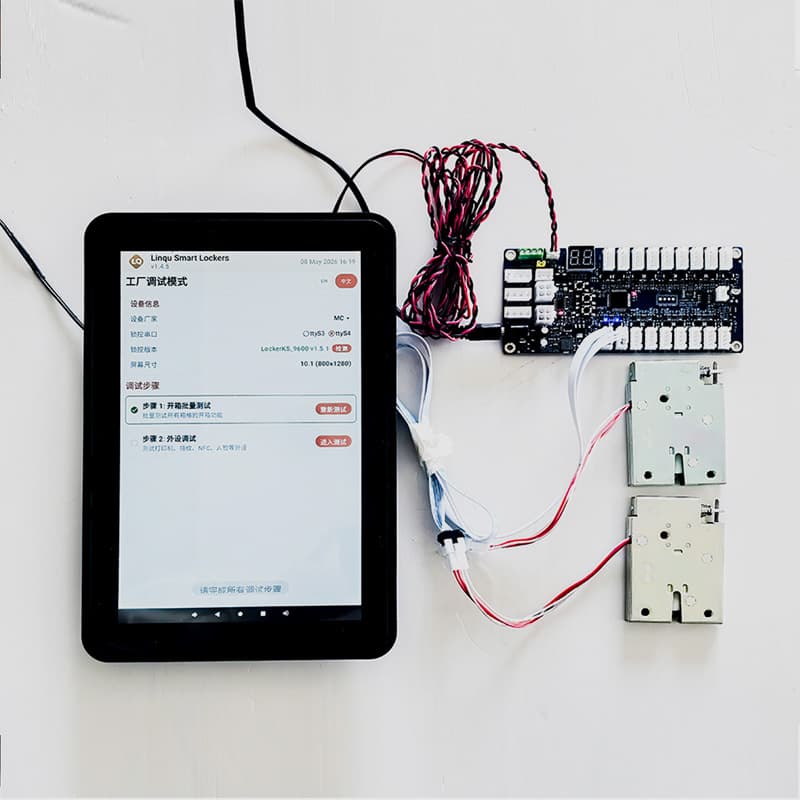
A hardware package project should normally move through three stages. The first stage is a bench test: power the touchscreen and control board on a desk, connect several locks and sensors, and confirm the open-door command, status feedback, and exception logs. The second stage is a sample cabinet: install the screen, route cables, mount locks, test door alignment, and run the complete user workflow. The third stage is batch preparation: freeze the wiring diagram, spare-parts list, firmware version, connector labels, and quality checklist before producing multiple cabinets.
This staged plan is especially useful for overseas OEM buyers because it separates software debugging from metal cabinet production. If an API object, payment callback, or door sensor logic needs adjustment, the team can solve it before the buyer commits to a full batch. It also gives the local installer a repeatable maintenance method after deployment.
Key takeaways
A smart locker hardware package is best for OEM cabinet makers and system integrators, not only finished-locker buyers.
The key components are touchscreen, lock control board, electromagnetic locks, sensors, wiring, and API-ready support.
Component compatibility should be solved before cabinet batch production.
API planning should cover order, payment, open-door command, compartment status, logs, and exception handling.
Linqu can support samples, OEM branding, custom UI, wiring guidance, component matching, and 24-hour quotation.
About Linqu
Linqu Smart Lockers is a smart locker manufacturer based in Zhengzhou, Henan, China. Founded in 2018, Linqu operates a 20,000 sqm factory in Luoyang, Henan, and serves B2B customers worldwide with smart locker hardware, software integration, API support, and OEM/ODM customization. For a smart locker hardware package quote, send your cabinet drawing, door count, screen size, voltage, API requirement, and target application through the contact page, Email, or WhatsApp. Linqu can reply with a component plan and quote within 24 hours.