It is a scene every hotel knows. Checkout is at 12:00 noon, but the guest's flight leaves at 8:00 pm. The luggage goes behind the front desk or into a locked luggage room, a paper tag gets torn in half, and for the rest of the day staff step away from check-ins to hunt for the right suitcase. For serviced apartments and short-term rentals the problem is sharper: there is often no front desk at all, so there is simply nowhere for guests to leave their bags.
That is why "hotel luggage room vs smart lockers" has become a real question that hotel managers, apartment operators, and short-term rental hosts type into search engines. This guide compares the two models across the dimensions that actually decide the choice: staff workload, security and audit records, 24/7 availability, revenue potential, and lobby space — and explains when a traditional luggage room still wins.
Linqu is a smart locker manufacturer based in Zhengzhou, China, operating a 20,000 sqm factory since 2018. We build smart luggage lockers for hotels, airports, malls, and tourist attractions worldwide, so the comparison below draws on how these cabinets are actually configured and deployed in hospitality projects.
Key Takeaways
- A staffed luggage room looks free but consumes front desk time on every drop-off and pickup, and it earns nothing.
- Smart luggage lockers turn storage into a self-service loop: guests store and retrieve bags with a QR code or one-time PIN, with every action logged in the cloud.
- Late checkout and early arrival — the two peak pain points of hotel luggage handling — are exactly where self-service lockers help most.
- Lockers can charge hourly or daily fees to non-guests and visitors, converting a cost center into a small revenue point.
- Serviced apartments, Airbnb-style rentals, and other unstaffed properties can offer luggage storage for the first time with a lobby locker bank.
- Oversized bags, group luggage, and white-glove service are the cases where a staffed luggage room still makes sense — most mid-scale properties end up with a hybrid model.
What a Staffed Hotel Luggage Room Really Costs
On paper, a luggage room is almost free: a spare room, some shelving, and a stack of paper tags. The real cost hides in the workflow around it.
- Front desk time is fragmented. Every drop-off and every pickup pulls a staff member away from check-in to verify a tag and dig through the room. During the checkout wave or a group departure, the luggage line and the check-in line collide at the same counter and slow each other down.
- Liability is fuzzy. Lost paper tags, look-alike suitcases handed to the wrong guest, and disputes over valuables all land in a gray zone with no operation records to fall back on.
- Service depends on staffing hours. With one person on the night shift, luggage service is effectively half-closed. Properties without a front desk cannot offer it at all.
- It earns nothing. Luggage storage is almost always a free service — it occupies space and labor without producing a single line of revenue.
None of these costs appear on a budget line, but together they set a hard ceiling on how good the luggage experience can be.
How Do Smart Luggage Lockers Work for Hotels?
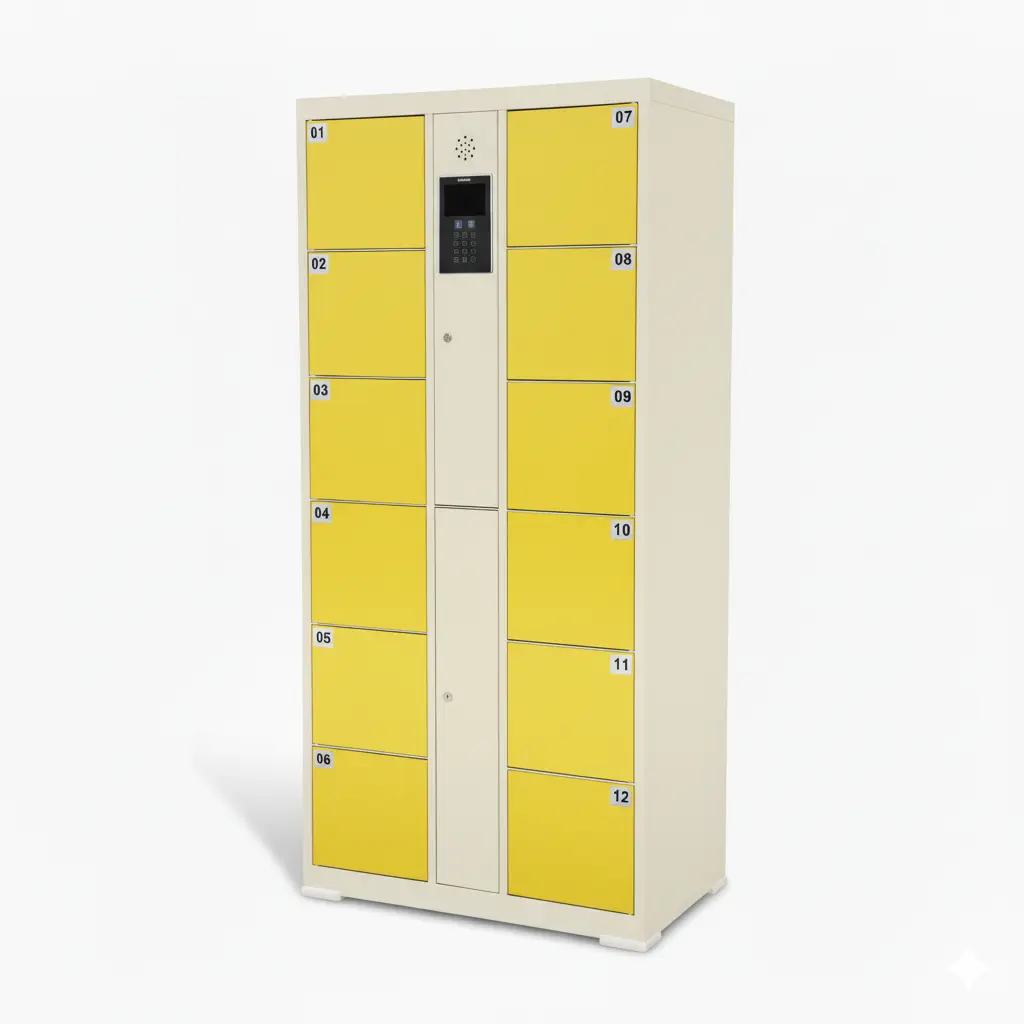
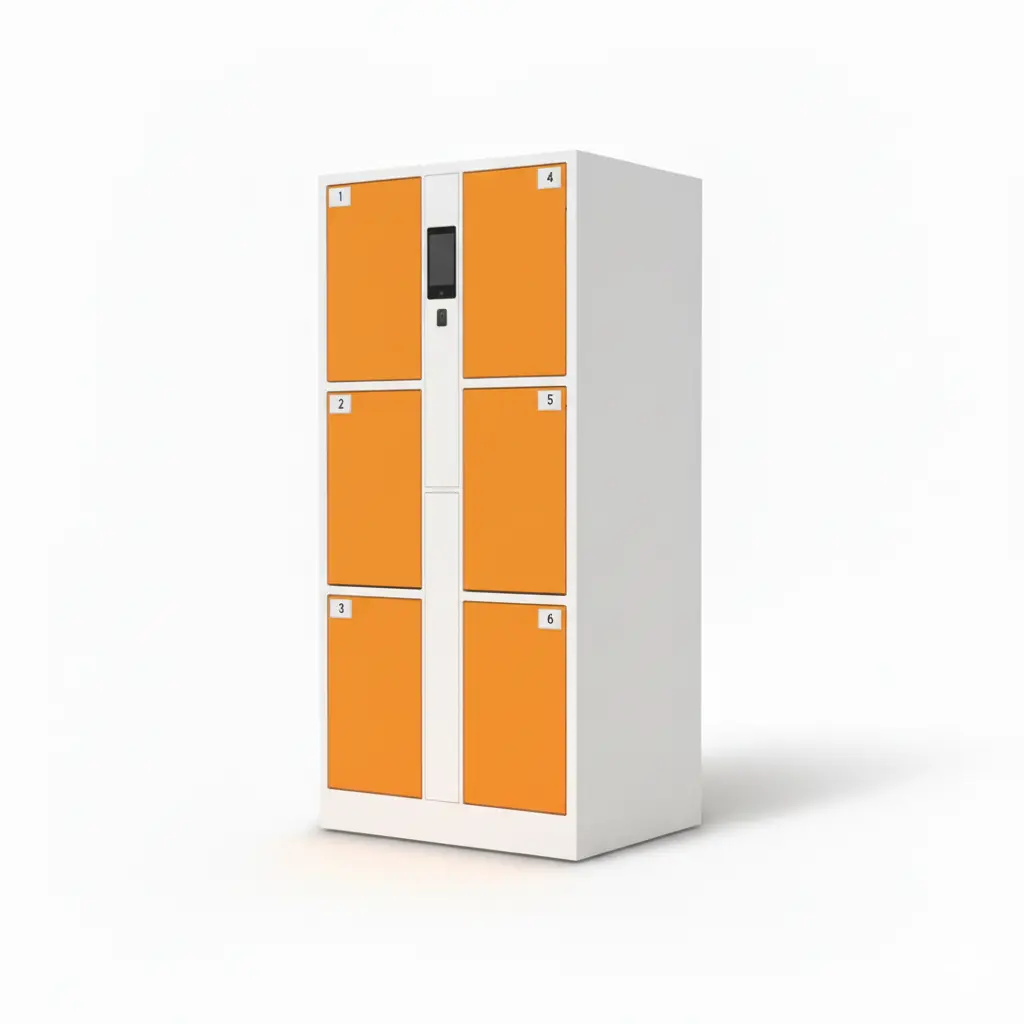
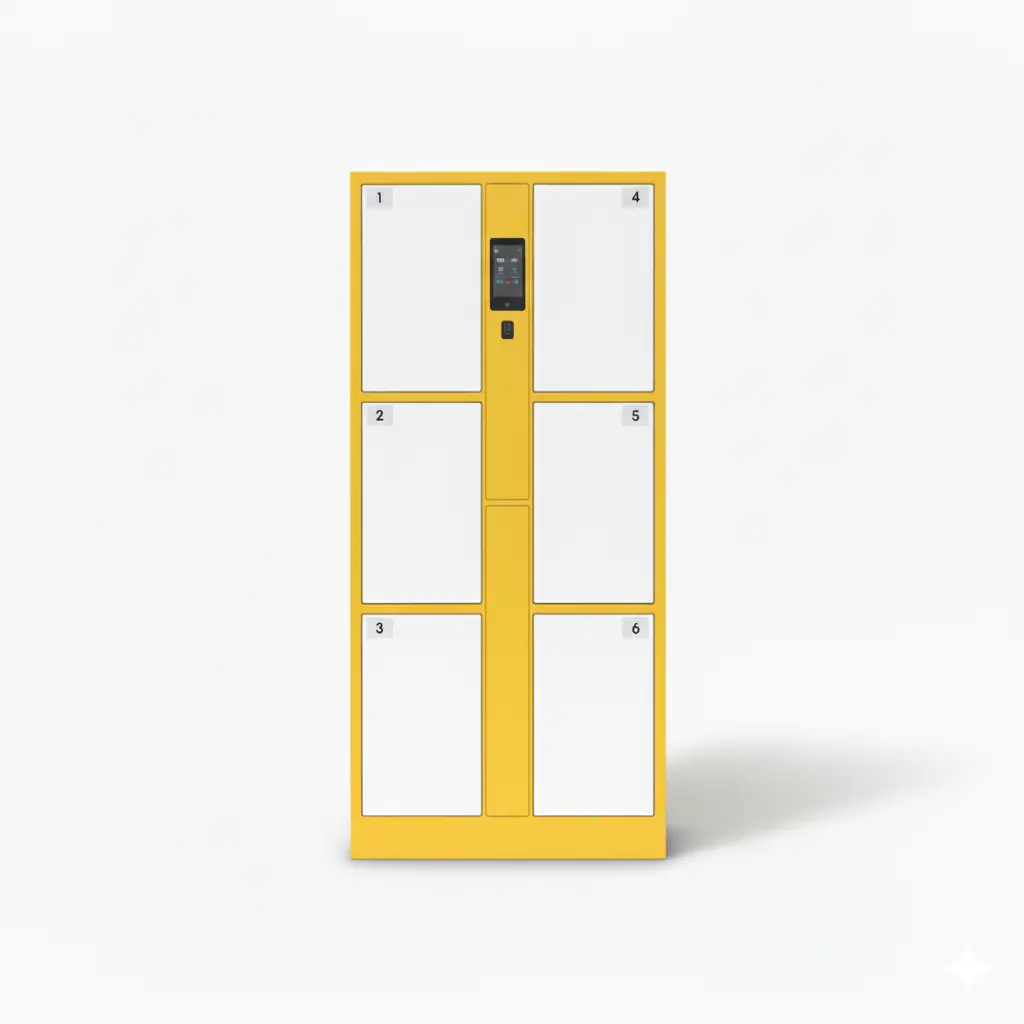
Smart luggage lockers replace the tag-and-shelf workflow with a fully self-service loop: the guest stores the bag, receives a digital credential, and opens the door again later — no staff involved at any step.
- The guest selects a compartment on the touchscreen (or scans a QR code to order from a phone).
- The door pops open; the guest loads the bag and closes the door. The credential is a QR code or a one-time pickup PIN — RFID cards or hotel key cards can also be enabled.
- At pickup, the guest scans the code or enters the PIN and the door opens.
- The system logs every deposit and retrieval with a timestamp and compartment number, visible in the cloud dashboard.

The two highest-value hotel scenarios are exactly the moments when a luggage room struggles:
- Late checkout. After the noon checkout, guests drop their bags in the lobby locker and head out for meetings, shopping, or a late flight — no queue at the desk, no tag to lose.
- Early arrival. When the room is not ready, guests store their luggage in seconds and go for breakfast, instead of stacking suitcases beside a busy check-in counter.
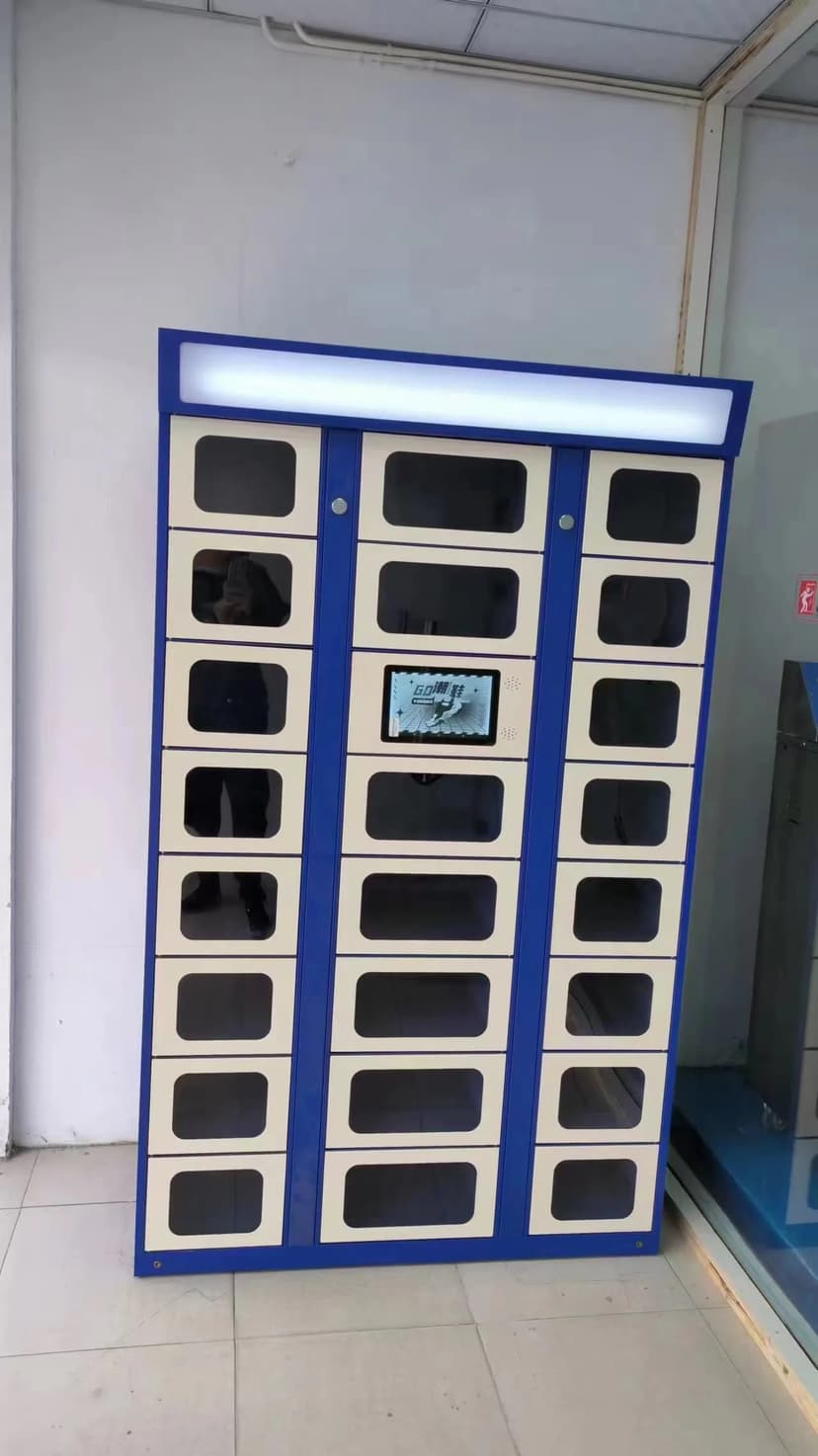
For serviced apartments and short-term rental operators, lockers do not just improve luggage storage — they create it. A locker bank in the building lobby or at a street-facing location lets guests self-store bags after checkout with a code, while the operator manages everything remotely. This is the standard answer to the "luggage storage gap" that Airbnb-style properties have never been able to close without staff.
Luggage Room vs Smart Lockers: Side-by-Side Comparison
| Dimension | Staffed luggage room | Smart luggage lockers |
|---|---|---|
| Labor | Staff handle every drop-off and pickup | Fully self-service, zero staff involvement |
| Availability | Limited by staffing and opening hours | 24/7 |
| Security & audit | Paper tags, no operation records | Electronic locks with a logged record of every open |
| Liability | Disputes rely on memory | Timestamped deposit/retrieval logs, optional camera |
| Revenue | Free service, zero income | Hourly or daily paid storage possible |
| Peak handling | Competes with check-in at the same desk | Runs in parallel, no queue interaction |
| Unstaffed properties | Not possible | Works for apartments, rentals, and hostels |
| Space | Requires a dedicated room | One wall of the lobby, compartment mix configurable |

The revenue row deserves emphasis. Timed, paid self-storage is already a mature model in malls and tourist attractions, built on pay-per-use billing with QR payment and temporary PIN codes. A hotel lobby locker can apply the same logic: free for in-house guests, paid for day visitors, event attendees, and nearby tourists — the same cabinet type Linqu supplies as a commercial paid-storage locker for shopping malls. A service that used to cost labor becomes a modest but real income point.
When a Staffed Luggage Room Still Makes Sense
A fair comparison names the cases where the traditional model wins.
- Oversized and irregular items. Ski bags, golf clubs, and strollers exceed standard compartment sizes and still belong in a room.
- White-glove positioning. In luxury properties, bell staff handling and in-room delivery are part of the product; the human touchpoint is the point.
- Group luggage. Tour groups drop dozens of bags at once — batch handling in a room is more efficient than feeding compartments one by one.
In practice, most mid-scale hotels land on a hybrid model: the lobby locker bank absorbs the routine bags and all night-time and peak-hour demand, while the luggage room is reserved for oversized items and groups. The front desk stops being a luggage counter without any service being cut.
Deployment Checklist: Lobby Space, Power, and Locker Sizing

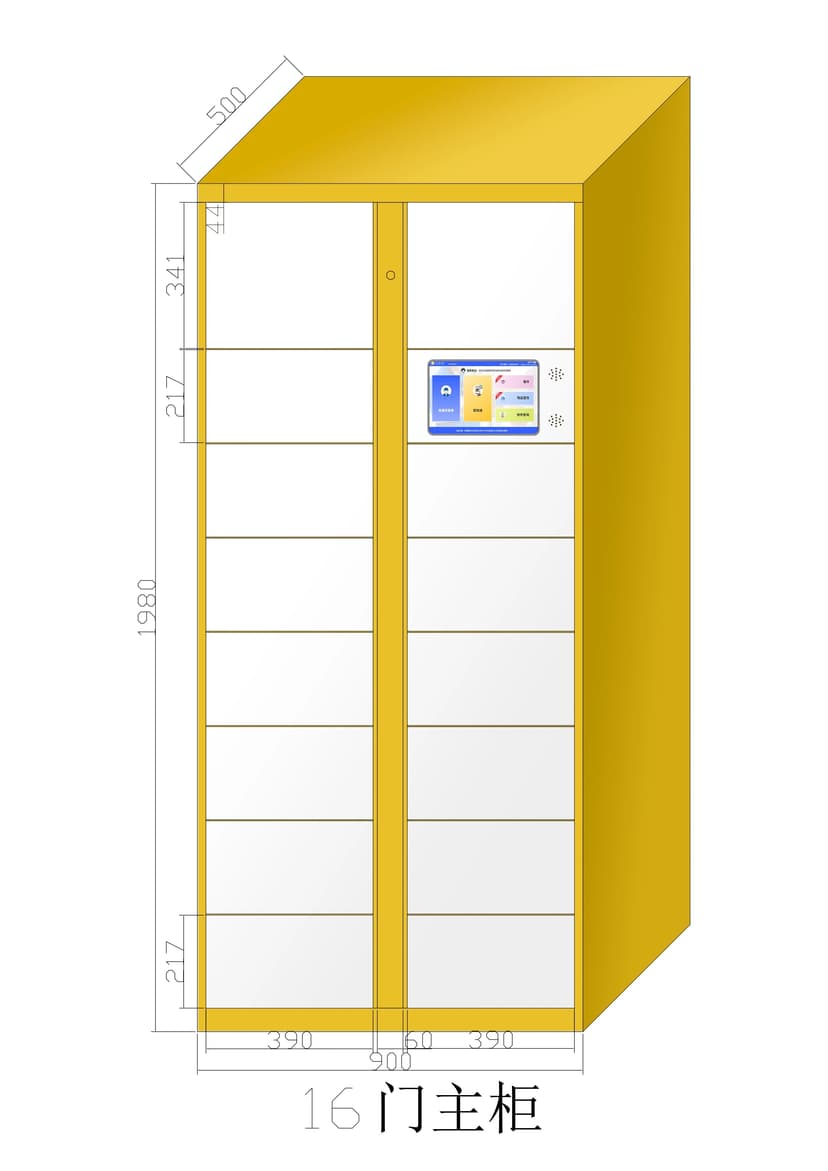
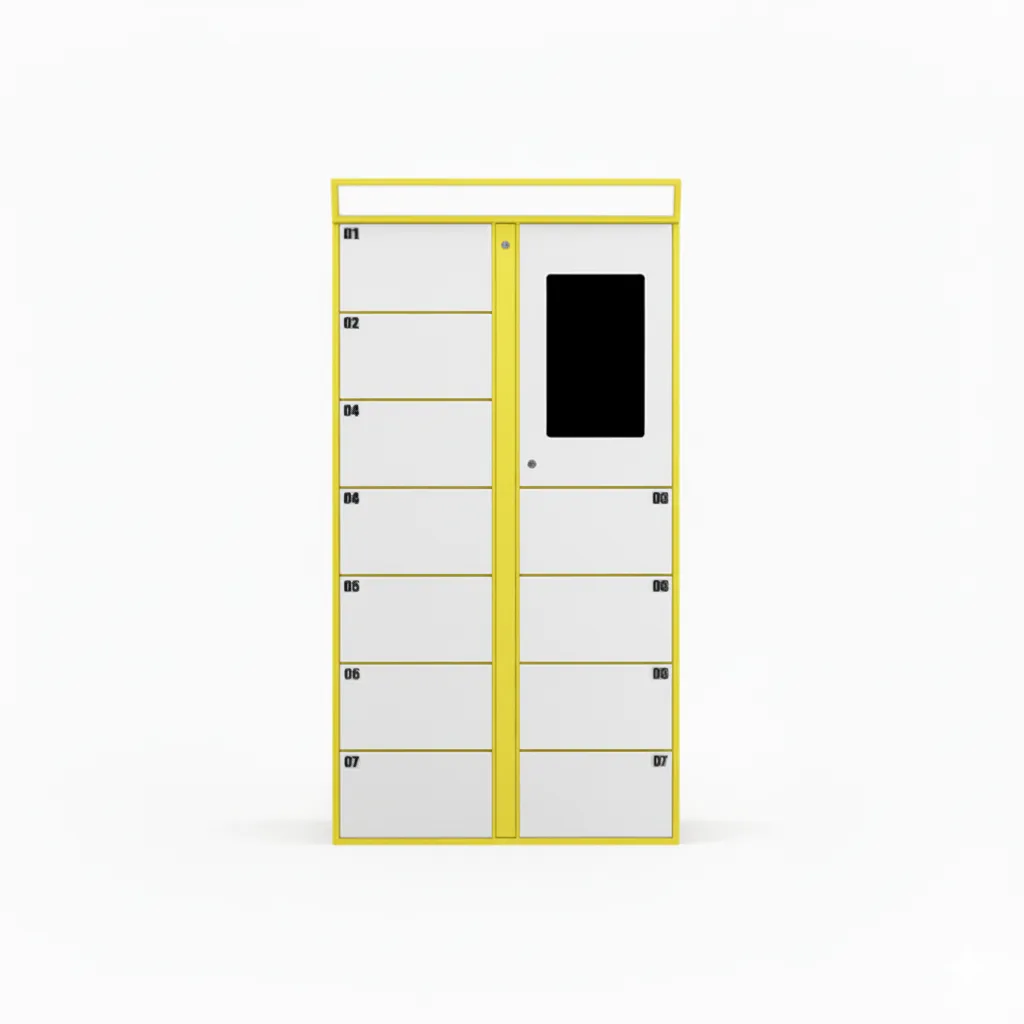
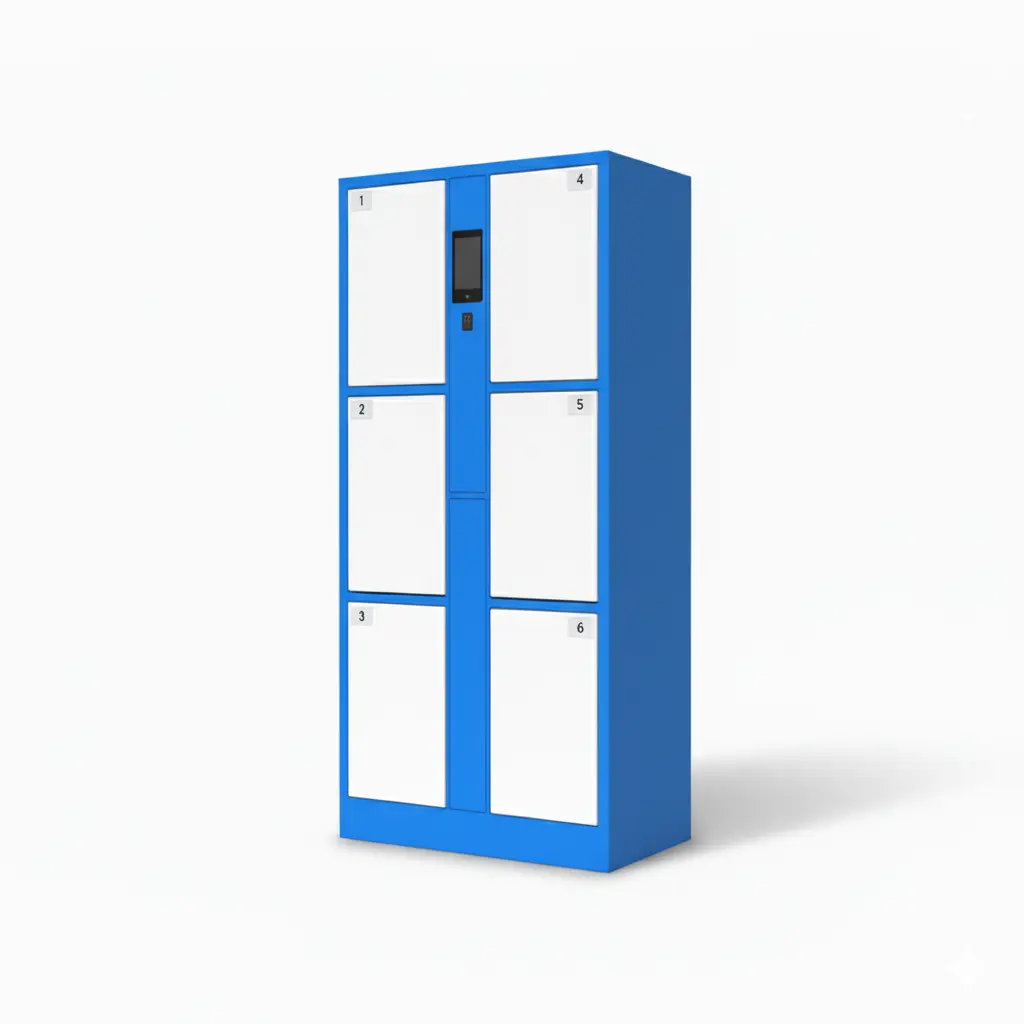
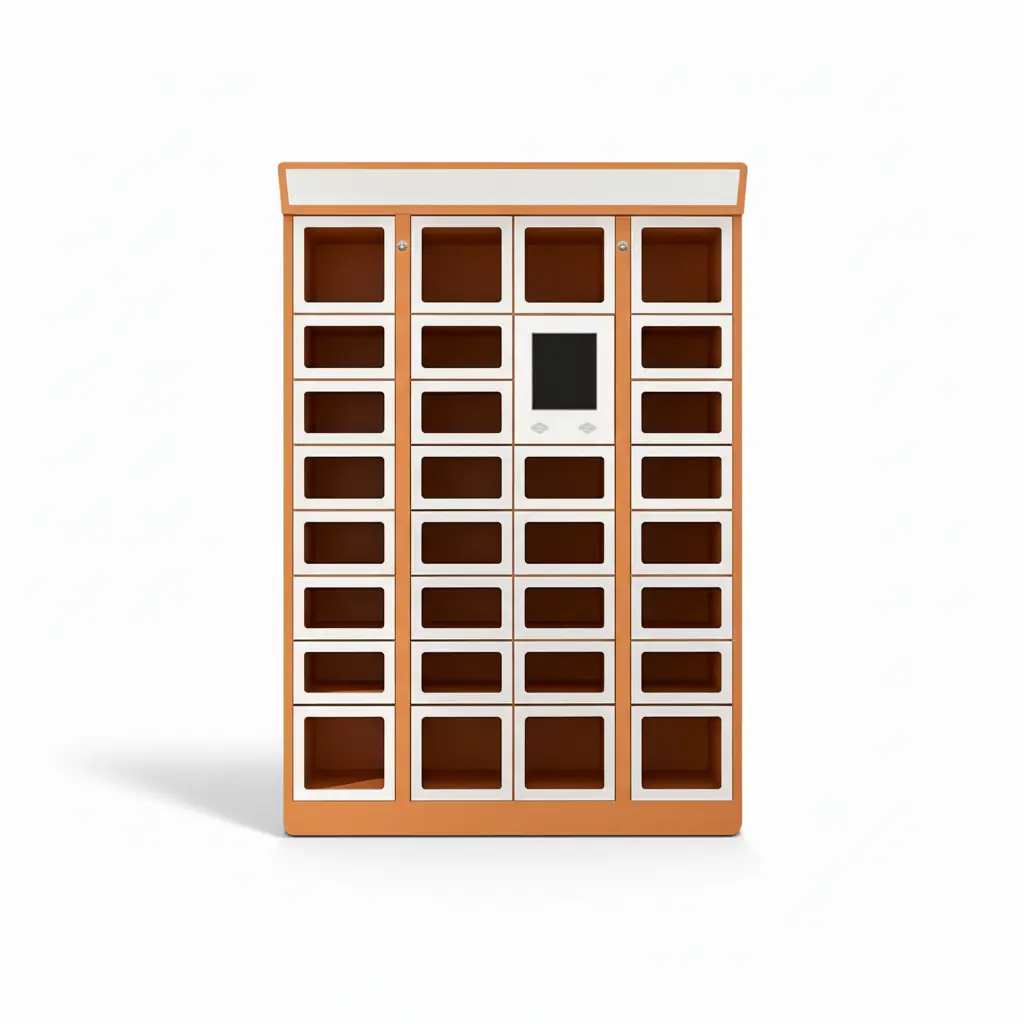
- Space: a locker bank stands against a wall and takes roughly the width of that wall section. A main cabinet with the touchscreen extends with add-on cabinets, so the bank length, compartment count, and colors can be customized to the lobby — see our luggage locker with custom colors and sizes.
- Power and network: a standard wall outlet is enough, and connectivity runs over Wi-Fi or 4G, so no hotel network rewiring is required. Full requirements are covered in our smart locker installation guide.
- Compartment mix: plan large compartments that fit a 28-inch checked suitcase as the backbone, with medium and small doors for backpacks and hand luggage. Match the ratio to your guest profile — business, leisure, or family — and ask the manufacturer for a configuration proposal based on your real luggage mix, as deployed in our airport and transit luggage lockers.
- Access methods: QR code and one-time PIN by default, with RFID card or key-card options — guests never need to install an app.
- System integration: the cloud dashboard manages multi-site locker banks; if you need PMS or membership-system integration, confirm API capability during vendor selection.
Frequently Asked Questions
Do smart luggage lockers cover late checkout and early arrival?
Yes — these are the two highest-frequency scenarios. Guests self-store bags after checking out or before their room is ready, without involving the front desk at any point.
How much lobby space does a locker bank need?
Roughly one wall section. The main-plus-add-on cabinet structure means length, compartment count, and exterior colors are all configurable to your lobby dimensions and interior design.
Do guests need to download an app?
No. The default flow uses an on-screen QR code or a one-time pickup PIN; RFID cards and hotel key cards can be enabled as options.
Can lockers fully replace the luggage room?
Most properties run a hybrid: lockers absorb routine bags and all after-hours demand, while the room keeps oversized items and group luggage. Unstaffed properties run lockers alone.
Do they work for Airbnb and short-term rentals?
Yes. A locker bank in the building lobby or a street-facing spot lets guests store bags with a code after checkout while the operator manages the system remotely — no on-site staff needed.
About Linqu
Linqu (linqubox.com) is a smart locker manufacturer based in Zhengzhou, China, founded in 2018, producing smart luggage lockers for hotels, airports, malls, and tourist attractions with OEM/ODM customization. Explore our hotel and hospitality smart locker solution for lobby deployment options.
Tell us your property type and daily luggage volume, and we will reply within 24 hours with a compartment configuration proposal, cabinet customization options, and a quote. Email service@linqubox.com or message us on WhatsApp via the contact page — drawings and integration documents available on request.