On this page
- Who This Checklist Is For
- Step 1: Define the Configuration First
- Step 2: Order a Sample
- Step 3: MOQ of One Unit — Pilot, Then Scale
- Step 4: Bulk Production in About 20 Days
- Step 5: Packaging for Export
- Step 6: Which Incoterm Should You Choose?
- Step 7: Payment and Trade Protection
- Step 8: Documents That Ship with the Order
- Step 9: Warranty and After-Sales
- Frequently Asked Questions
- Key Takeaways
- About Linqu
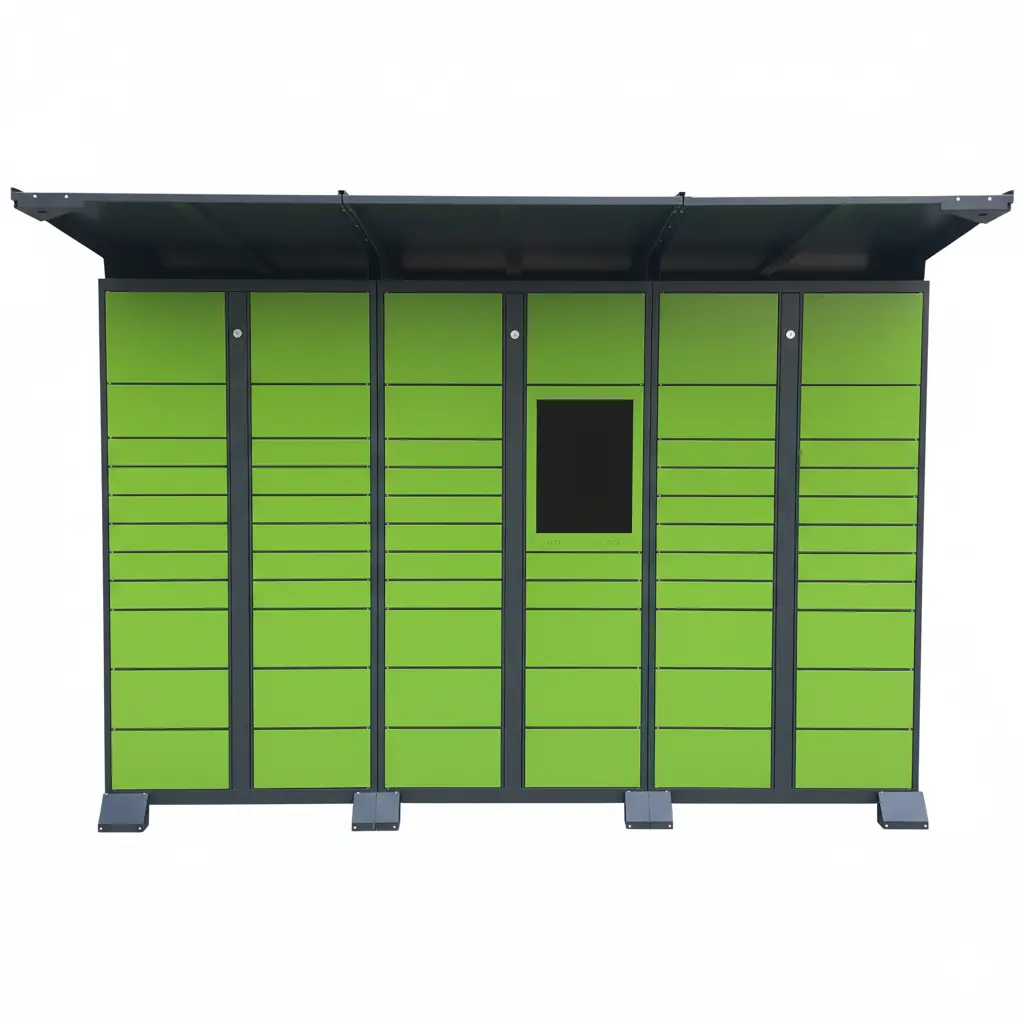
If you are buying smart lockers from a factory for the first time, most of the uncertainty is not about the hardware itself. It is about the order: how many units you have to buy, what a sample costs, how long production takes, how the cabinets travel and who handles customs. Linqu is a smart locker manufacturer headquartered in Zhengzhou, China, with its own 20,000 m² factory in Luoyang, and this guide answers the questions our buyers ask most often before their first order — from one sample cabinet to a full shipment.
Short answer: the minimum order is one unit, samples take 7–14 days and are paid by the buyer, bulk production takes about 20 days after the configuration is confirmed, lockers ship in wooden crates, and you can buy on EXW, FOB, CIF, DAP or DDP terms.
Who This Checklist Is For
This guide is written for two kinds of buyers. The first is the operator who runs its own locker sites — a parcel network, a residential property manager, a laundry or shoe-care business, a retailer offering click-and-collect. The second is the system integrator who builds a solution for end clients and needs hardware that fits its own software or platform. Both usually start the same way: one pilot site, one cabinet, then replication once the workflow is proven. If you want background on the company before you start, see About Linqu, the smart locker manufacturer.
Step 1: Define the Configuration First
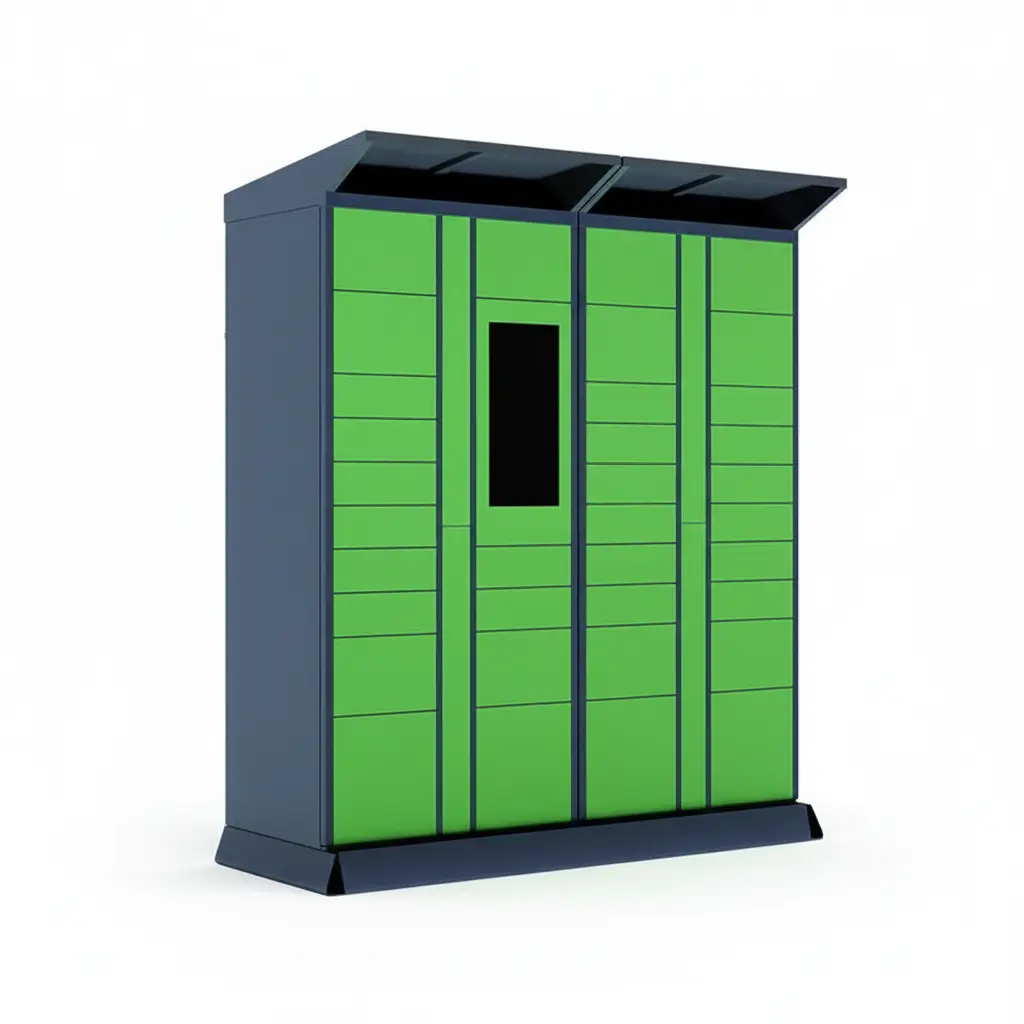
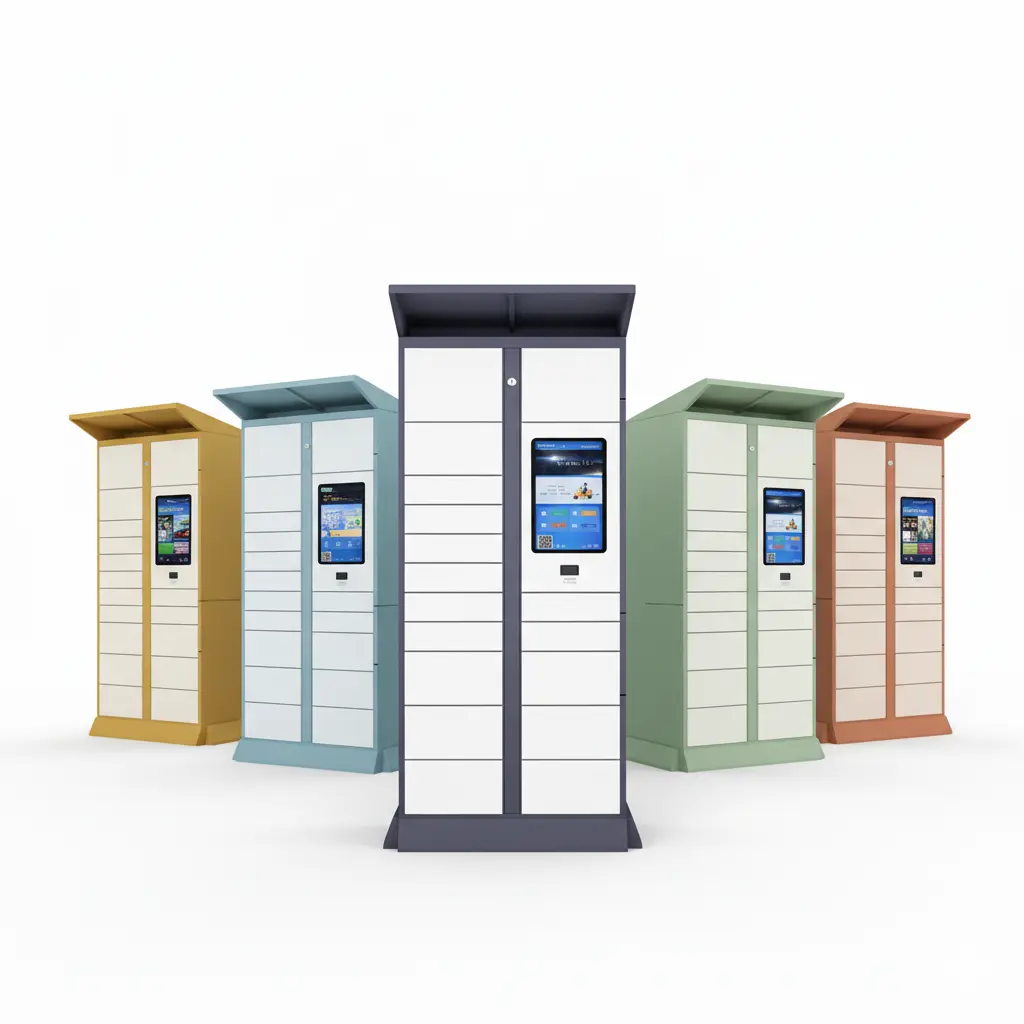
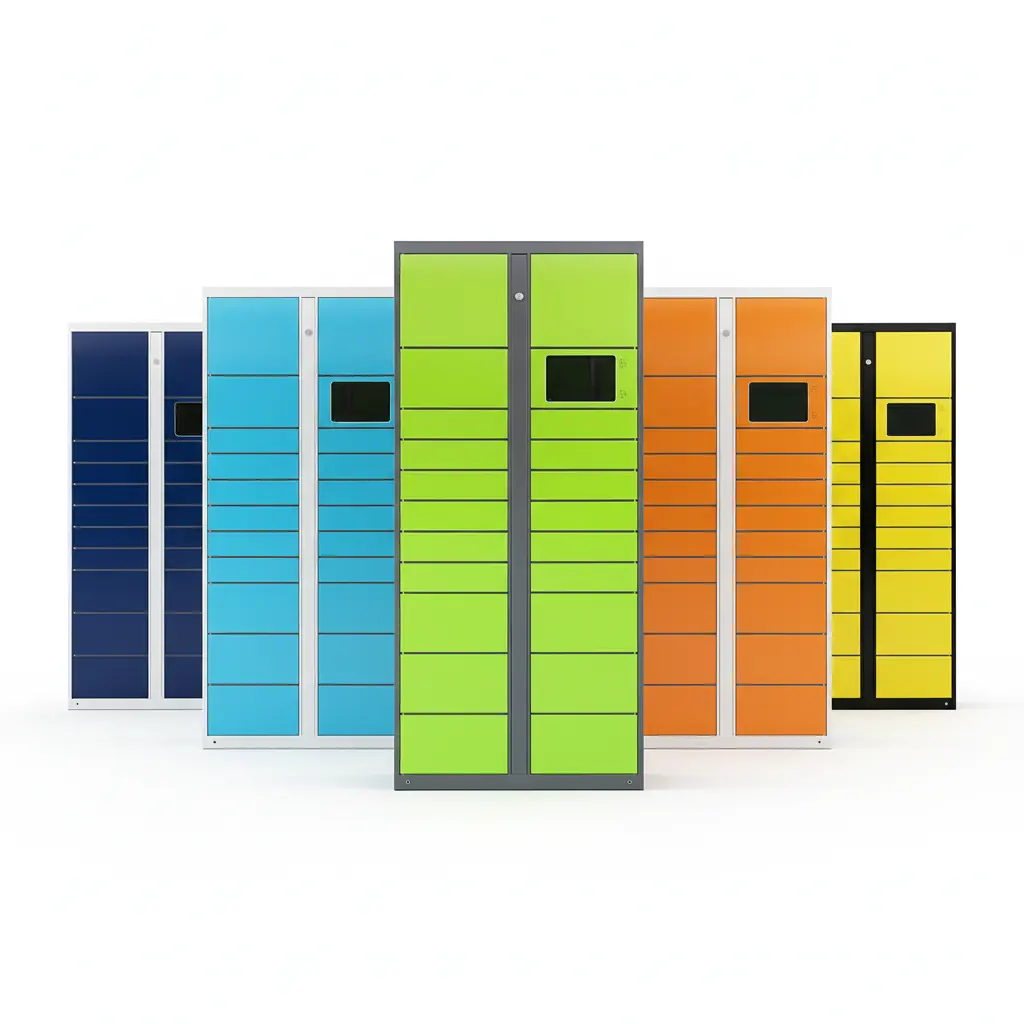
Lead time, packaging and price all depend on the configuration, so it is the first thing to settle. Most of our projects are customized, which means there is no single "standard" compartment count we push you toward. These are the decisions to make before asking for a quote:
Compartment count and sizes: based on what goes into the locker — parcels, retail orders, laundry bags, shoes or personal belongings. Our compartment size guide explains how to size the mix.
Lock type: electromagnetic locks are the usual choice; lock voltage must match the lock control board.
Screen: touchscreen size and position, chosen for the users and the lighting at the site.
Payment: QR code payment and card payment, with free integration of mainstream local payment platforms.
Indoor or outdoor: outdoor cabinets are rated IP54, like our outdoor weatherproof parcel locker.
Installation: freestanding or wall-mounted.
Software: use our cloud platform as it is, or connect the lockers to your own system through our open API. There are no ready-made plug-ins; integration is done against the API.
If you already have cabinets or your own platform and only need parts, the screen, lock control board and electromagnetic lock can be ordered on their own — see smart locker components.

Step 2: Order a Sample
A sample is the cheapest way to remove risk from a locker project. Samples are produced in 7–14 days. The buyer pays for the sample and its shipping, and the sample can be built to your requirements rather than taken from stock. Please note that the sample fee is not refunded or credited back after a bulk order.
Use the sample to test the things that are hard to judge from drawings:
Whether the compartment sizes really fit your items.
The full unlock flow: deposit, pickup code, opening, closing.
The back-office platform and the SMS notifications your users will receive.
Screen brightness, cabinet finish and branding on site.
Step 3: MOQ of One Unit — Pilot, Then Scale
The minimum order quantity is one unit, for standard and customized cabinets alike. That lets you put one locker at one site, measure usage and fix the workflow before you commit to more. When the first site works, you copy the same configuration to the next sites, which keeps spare parts, training and software settings consistent across the network.
Step 4: Bulk Production in About 20 Days
Bulk production takes about 20 days, and this applies to both standard and customized lockers. The clock starts when the configuration and drawings are confirmed. If the design changes after confirmation, the lead time is recalculated from the new confirmation, so it pays to lock the details during the sample stage. Sea or air transit time comes on top of production time and depends on the destination and the Incoterm you choose.
Step 5: Packaging for Export
Lockers are packed for sea freight: the cabinet is protected with a waterproof bag, EPE foam and corrugated board, then shipped in a fumigated export wooden crate. Wooden crate packaging is charged separately and appears as its own line on the quote. Before shipment we can give you the packing details per cabinet so your forwarder can plan containers and unloading.

Step 6: Which Incoterm Should You Choose?
We can ship on EXW, FOB, CIF, DAP or DDP. The right choice depends on how much of the logistics you want to handle yourself. The table shows who is usually responsible for each part under each term:
Term | Main freight | Insurance | Export clearance | Import clearance and duties |
|---|---|---|---|---|
EXW | Buyer | Buyer | Buyer | Buyer |
FOB | Buyer | Buyer | Seller | Buyer |
CIF | Seller | Seller | Seller | Buyer |
DAP | Seller | Seller | Seller | Buyer |
DDP | Seller | Seller | Seller | Seller |
EXW and FOB suit buyers who already work with a forwarder. CIF and DAP suit buyers who want the freight arranged but prefer to clear customs themselves. DDP delivers to your door with import duties included and is quoted per project. Import duty rates differ by country and product classification, so confirm them with your customs broker; we do not quote duty rates in this guide.
Step 7: Payment and Trade Protection
We accept payment by T/T bank transfer, and orders can also be placed through Alibaba Trade Assurance. The payment schedule is set out in the quotation and the proforma invoice for each order.

Step 8: Documents That Ship with the Order
For importers, the documents matter as much as the cabinet. Our lockers hold CE (EMC, LVD and Machinery Directive test reports, with an EU Declaration of Conformity) and RoHS certification. Tell us the destination country when you inquire, and we will send the relevant documents together with the quote. These two certifications are the ones we hold, so if your market needs anything else, raise it before you order. For what each file covers and how to check it, see CE and RoHS for Smart Lockers: Which Documents EU Importers Should Ask For.
Step 9: Warranty and After-Sales
Hardware warranty: one year, with free replacement of faulty hardware parts.
Software support: remote support is free.
Power failure: a mechanical emergency unlock is available, and a UPS backup power supply is optional.
For installation, power planning and on-site acceptance, see our smart locker installation and deployment services.
Frequently Asked Questions
Can I buy only components and build the cabinet myself?
Yes. Touchscreens, lock control boards and electromagnetic locks are sold separately, and each can be sampled before a bulk order.
Can the sample fee be deducted from the bulk order?
No. The sample fee and its shipping are paid separately and are not refunded or credited after a bulk order.
Can you deliver DDP to my door?
Yes. DDP is available and quoted per project, based on the destination and the shipment size.
Does customization make production longer?
Not by default. Customized lockers also take about 20 days once the configuration is confirmed; only design changes after confirmation reset the schedule.
Key Takeaways
The minimum order is one unit, for standard and customized lockers.
Samples take 7–14 days; the buyer pays the sample and shipping, and the fee is not refunded after a bulk order.
Bulk production takes about 20 days from configuration confirmation.
Lockers ship in fumigated wooden crates; crate packaging is charged separately.
EXW, FOB, CIF, DAP and DDP are all available.
Payment is by T/T, with Alibaba Trade Assurance also supported.
Hardware warranty is one year; remote software support is free.
About Linqu
Linqu is a smart locker manufacturer founded in 2018 in Zhengzhou, China, with its own factory in Luoyang. We build parcel, pickup, laundry and storage lockers and the components inside them for operators and integrators worldwide, with OEM/ODM customization from one unit.
Ready to plan your first order? Send us your compartment needs, site conditions and destination country, and we will reply with a configuration and a quote within 24 hours.