On this page
- Why should an EU importer care about CE and RoHS documents?
- Which three parts of CE apply to a smart locker?
- What is the EU Declaration of Conformity, and what should it say?
- What does RoHS 2.0 cover?
- What about the EU authorized representative and EPR?
- Four things to check when the documents arrive
- What these documents do not cover
- FAQ
- Key takeaways
- About Linqu
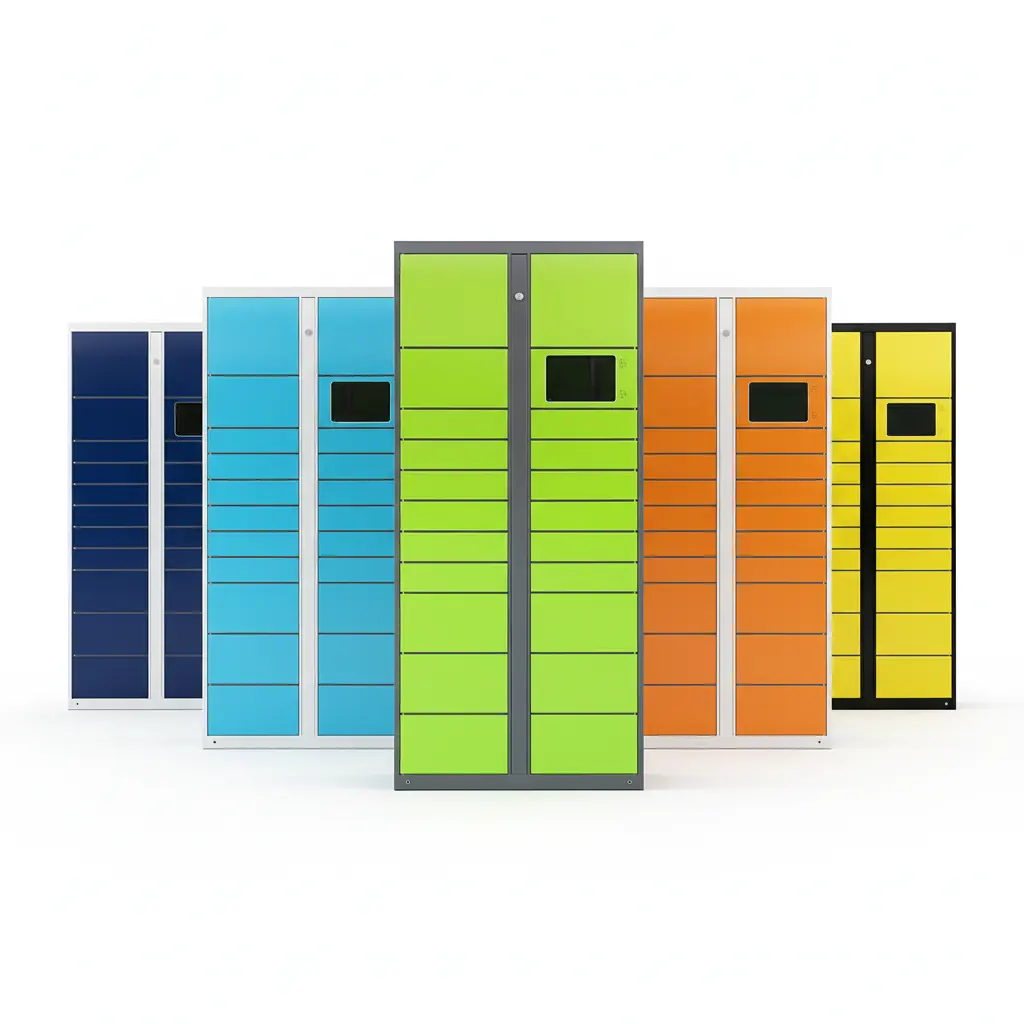
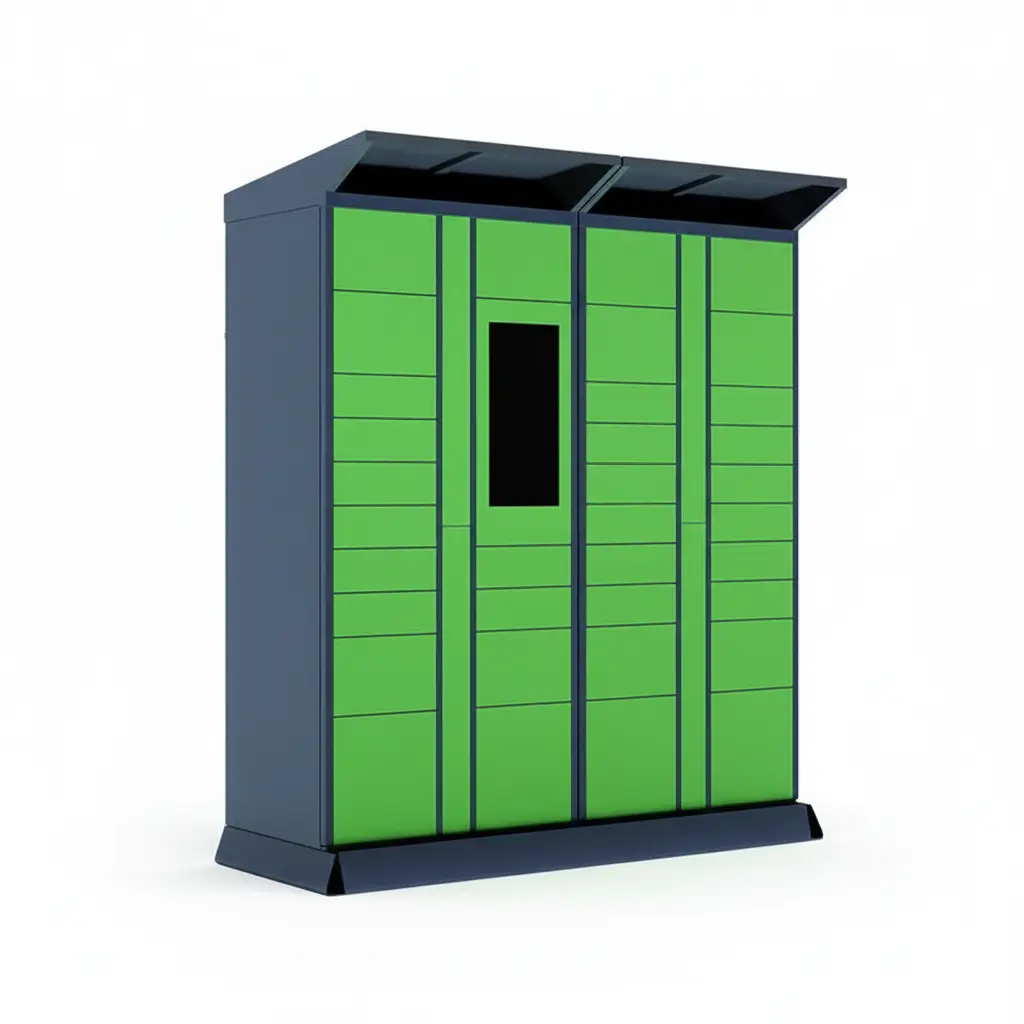
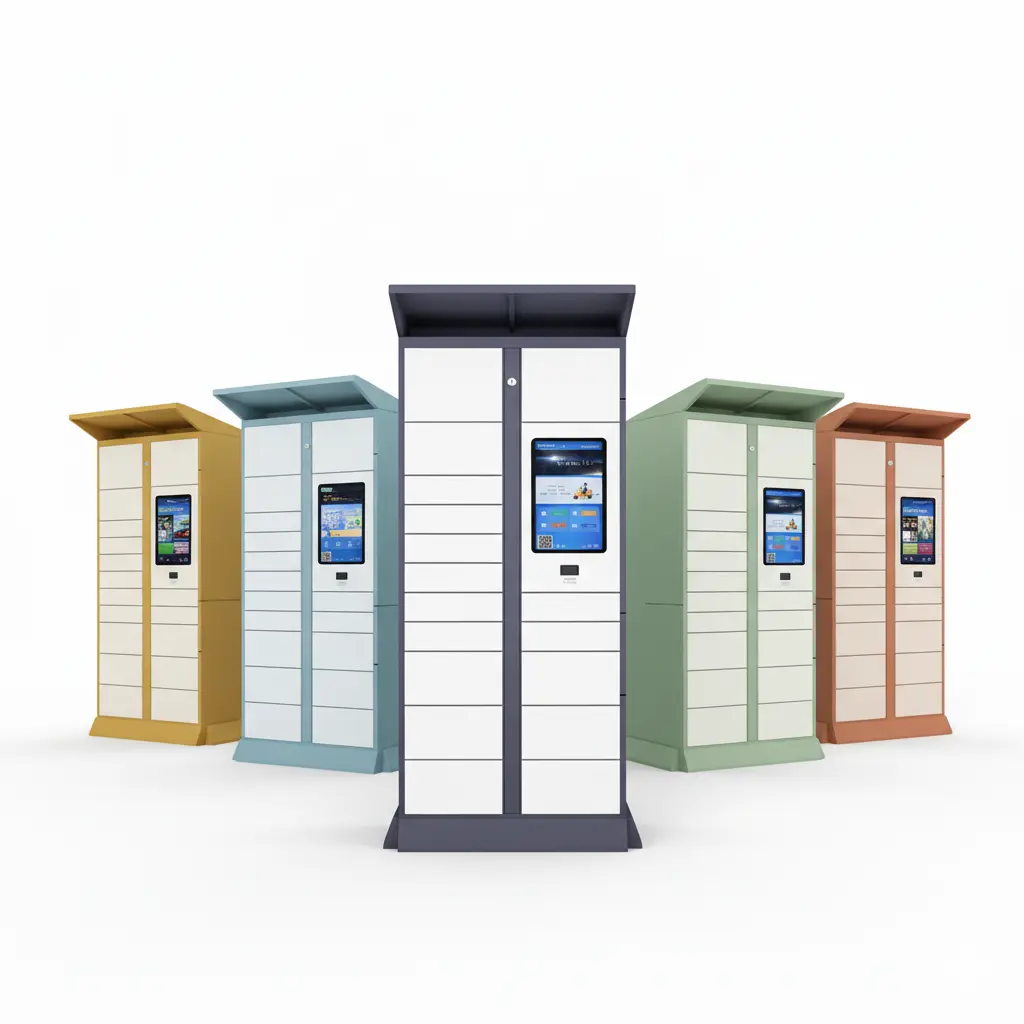
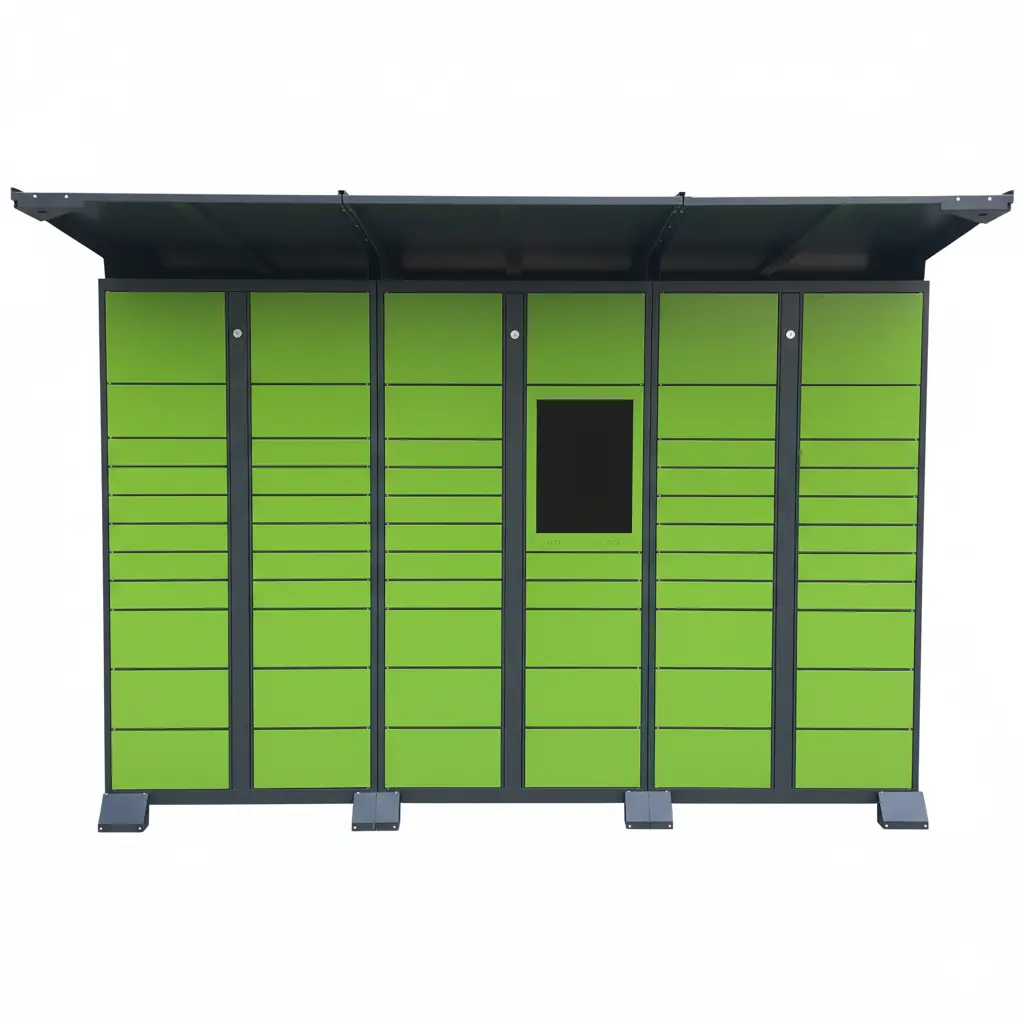
Linqu is a smart locker manufacturer based in Zhengzhou, China, with its own factory in Luoyang. Every month we get the same question from European importers, integrators and operators: "Do your smart lockers have CE certification?" The short answer is yes, but "a CE certificate" is the wrong thing to ask for. A smart locker is a steel cabinet with doors and locks, a powered control system, a touchscreen and often a payment terminal. Under EU rules that puts it under several directives at once, and what you need is a set of documents that match each other and match the model you are buying. This guide explains what each document is, what Linqu's current files cover, and how to check them before you place an order.
Why should an EU importer care about CE and RoHS documents?
In the EU, the company that places a product on the market carries responsibility for its compliance. If you import lockers under your own name or resell them to a property owner, a retailer or a public tender, you will be asked for the documents, sometimes by customs, more often by your customer's procurement or legal team. Missing or mismatched files usually do not stop a shipment at the port; they stop it at the point where your customer has to sign off, which is far more expensive.
So the useful question is not "is it CE?" but "which directives apply to this locker, which documents prove it, and do they name the model I am buying?"

Which three parts of CE apply to a smart locker?
A smart locker touches three EU directives. Linqu holds a separate technical file and assessment report for each one:
Directive | Which part of the locker it is about | Standards in Linqu's report |
|---|---|---|
EMC Directive 2014/30/EU | Electromagnetic compatibility of the touchscreen, main board and lock control boards: the locker must not disturb nearby equipment and must keep working when exposed to interference | EN IEC 61000-6-2:2019, EN IEC 61000-6-4:2019, EN IEC 61000-3-2:2019/A2:2024, EN 61000-3-3:2013/A2:2021 |
Low Voltage Directive 2014/35/EU | Electrical safety of the power supply and wiring | EN 60204-1:2018/A1:2025 |
Machinery Directive 2006/42/EC | The mechanical side: cabinet, doors, locks and the risks of moving parts | EN ISO 12100:2010 (risk assessment) |
The three reports were issued on 30 September 2025. On top of them, an independent certification body in the EU carried out a voluntary verification of conformity against the same reports and standards, valid until 29 September 2030. As the verification itself states, the manufacturer remains responsible for compliance; the verification is an extra check, not a replacement for the manufacturer's declaration.
What is the EU Declaration of Conformity, and what should it say?
The EU Declaration of Conformity (DoC) is the document the manufacturer signs to state that the product meets the directives that apply to it. It is the one document most procurement teams ask for first. Linqu's DoC names Henan Linqu Intelligent Technology Co., Ltd. as manufacturer, describes the product as "Smart Locker" and lists the model codes it covers.
When you read a DoC, check that:
the manufacturer's name and address are complete and match the other files;
the directives listed match the table above;
the model or type of the locker on your order appears in the model list.
Linqu's model list is long: the CE files cover more than 70 model variants across our standard locker families. That matters for custom projects, because a custom locker is usually built on one of these families. Your quotation or proforma invoice should state which model code your locker belongs to, so the DoC can be matched without guesswork.
What does RoHS 2.0 cover?
RoHS limits hazardous substances in electrical and electronic equipment. For a locker this is mainly about the electronics, cables and coatings. Linqu has a RoHS 2.0 test report and certificate for the smart locker series. The sample was tested between 23 June and 1 July 2026 against Annex II of Directive 2011/65/EU as most recently amended, covering all ten restricted substances: lead, mercury, cadmium, hexavalent chromium, PBBs, PBDEs and the four phthalates DEHP, BBP, DBP and DIBP. The result is Pass.
RoHS reports are usually tested on one sample style and list the series models they apply to. As with the DoC, check that your model is in the series list.

What about the EU authorized representative and EPR?
Two more items come up in European projects, especially in Germany:
EU authorized representative: a non-EU manufacturer can appoint a representative inside the EU to act on its behalf for compliance matters. Linqu has one, and the details are available on request.
EPR (extended producer responsibility): in Germany, electrical equipment and packaging must be registered before they are sold. Linqu has a German EPR registration. For other EU countries, tell us the destination and we will confirm what is in place for that market.
Four things to check when the documents arrive
Whether the files come from us or another supplier, these four checks catch most problems:
Check | What to look for |
|---|---|
1. Model and description | The model code and product description on the DoC and reports match your order, not just a similar product from the same company |
2. Issuer and date | Who issued each report, when, and (for the verification) until when it is valid |
3. Directives and standards | EMC, LVD and Machinery are all present, and the standards listed are the ones in the reports, not a generic list |
4. Custom changes | If you change the payment terminal, power supply or add wireless modules such as 4G or Wi-Fi, ask whether the existing files still cover your configuration or whether additional testing is needed |
Point 4 is where custom projects most often go wrong. A different payment device or a new power supply can bring in parts that were not in the tested sample. Raise these changes before the order is confirmed, not after delivery. On the payment side, Linqu lockers support card payment and free integration with mainstream local payment platforms; the specific terminal you choose is part of this check.

What these documents do not cover
The CE and RoHS files are for the EU market. Markets such as the United States or Canada have their own requirements, which we confirm separately for each project. Tender documents also sometimes add requirements beyond CE, such as specific accessibility or data rules; send us the tender's technical annex before ordering so we can say clearly what is and is not covered.
The documents also do not replace site-level work: power connection, mounting and local installation rules are handled during deployment. See our smart locker installation and deployment services for how we plan power, mounting and commissioning, and our guide to ordering smart lockers from a manufacturer for samples, lead time and shipping terms.
FAQ
Do custom lockers also have CE?
Custom lockers built on one of the model families in our CE files are covered by those files. If the customization goes beyond them, for example a new power design, we confirm per project whether additional testing is needed before you order.
Can I see the documents before I order?
Yes. Send an inquiry and we will email the PDF set: the three CE reports, the DoC, the verification of conformity and the RoHS report and certificate.
Do your components have their own documents?
If you buy smart locker components such as touchscreens or lock control boards to build your own cabinet, tell us which parts you need and we will advise which documents apply. The CE files described here are for the complete smart locker.
Key takeaways
A smart locker falls under three CE directives: EMC 2014/30/EU, Low Voltage 2014/35/EU and Machinery 2006/42/EC.
Linqu has a separate technical file and report for each, issued 30 September 2025, plus a voluntary third-party verification valid to 29 September 2030.
The EU Declaration of Conformity lists more than 70 Linqu model variants; check that your model is on it.
Linqu's RoHS 2.0 report covers all ten restricted substances, with a Pass result.
Linqu has an EU authorized representative and German EPR registration.
Changing the payment terminal, power supply or wireless modules can affect coverage, so raise it before the order.
About Linqu
Linqu is a smart locker manufacturer headquartered in Zhengzhou, China, with its own factory in Luoyang. We design and build parcel, storage, pickup and charging lockers in our own factory and also supply the core components; learn more about Linqu as a manufacturer. For EU projects we send the full CE and RoHS document set with the quotation.
Importing into the EU? Send us an inquiry by email or WhatsApp and tell us the destination country. We will send the matching documents as PDFs and a quote within 24 hours.