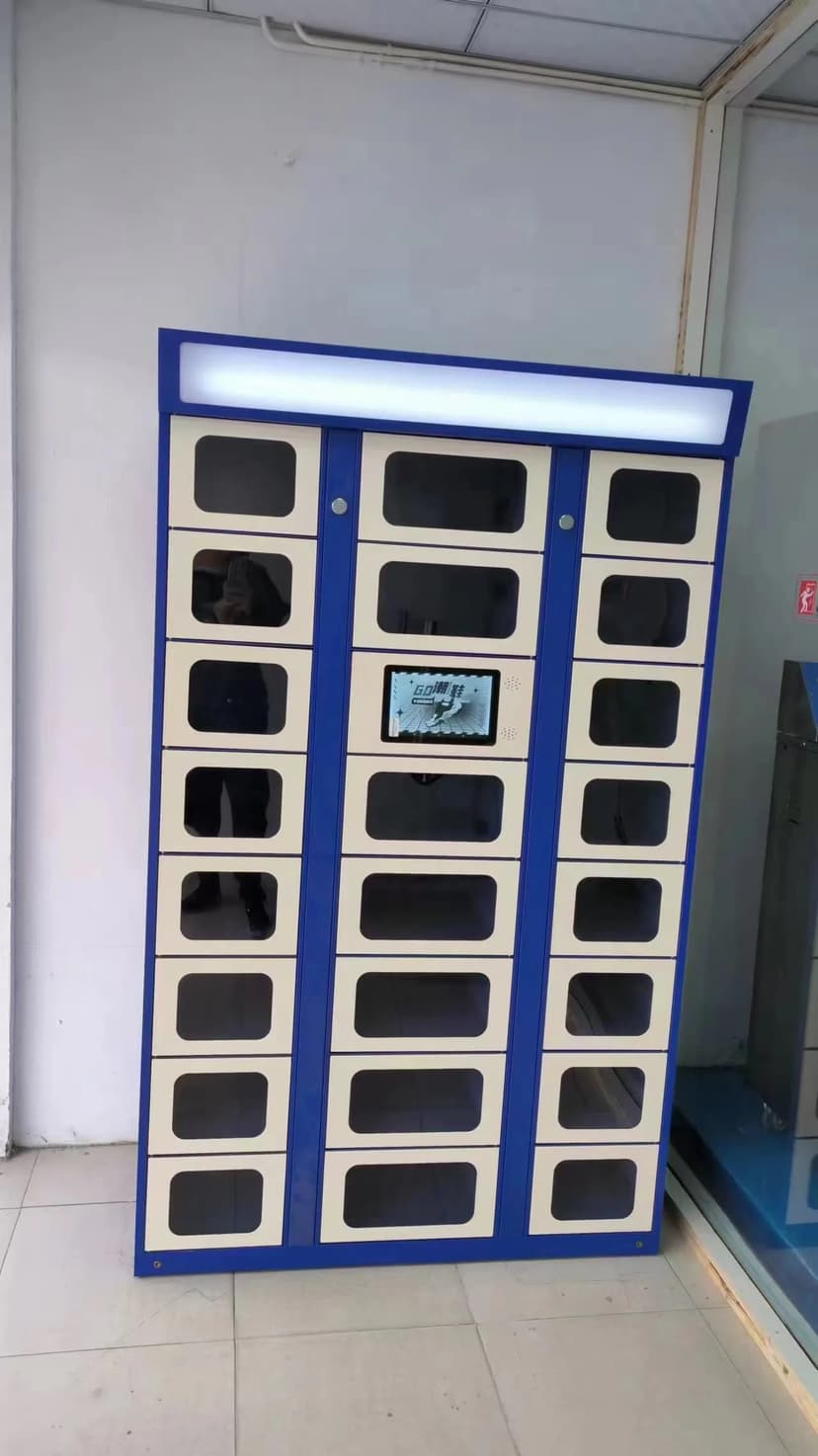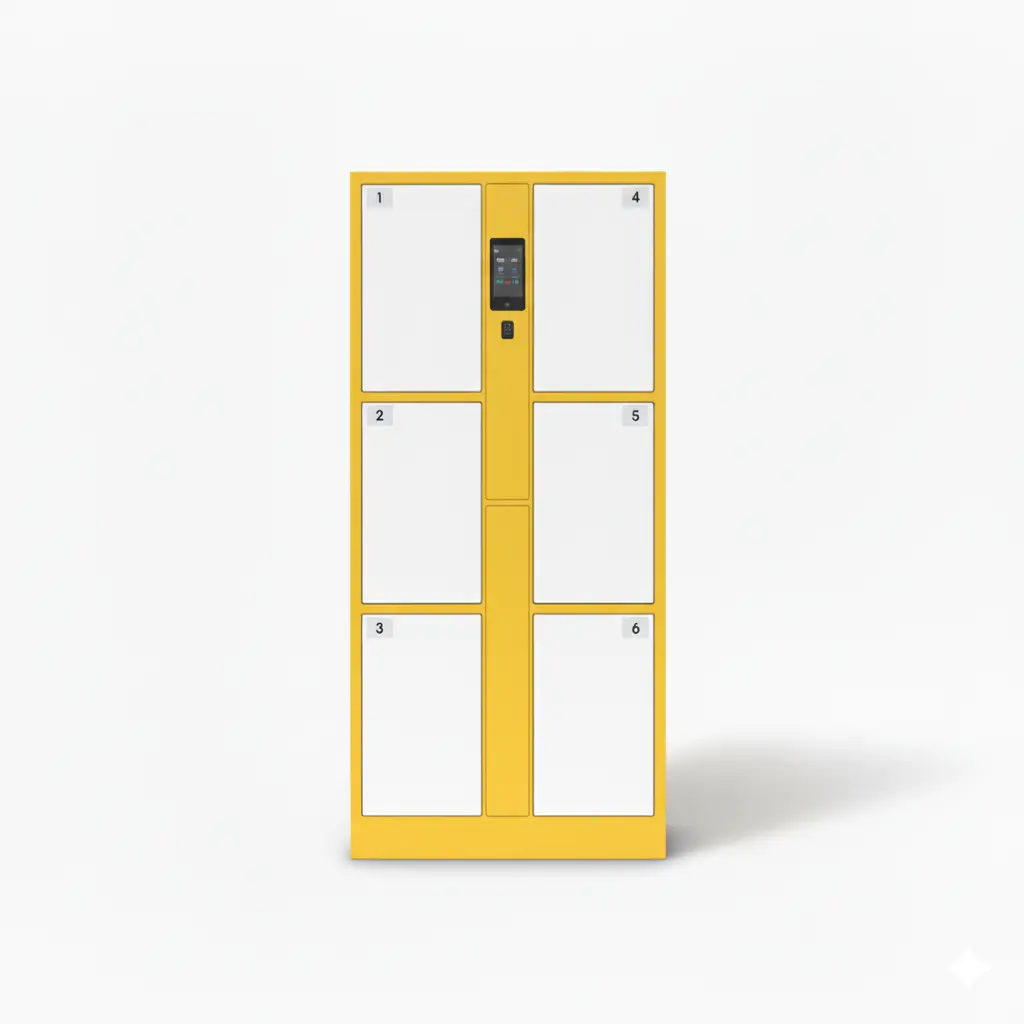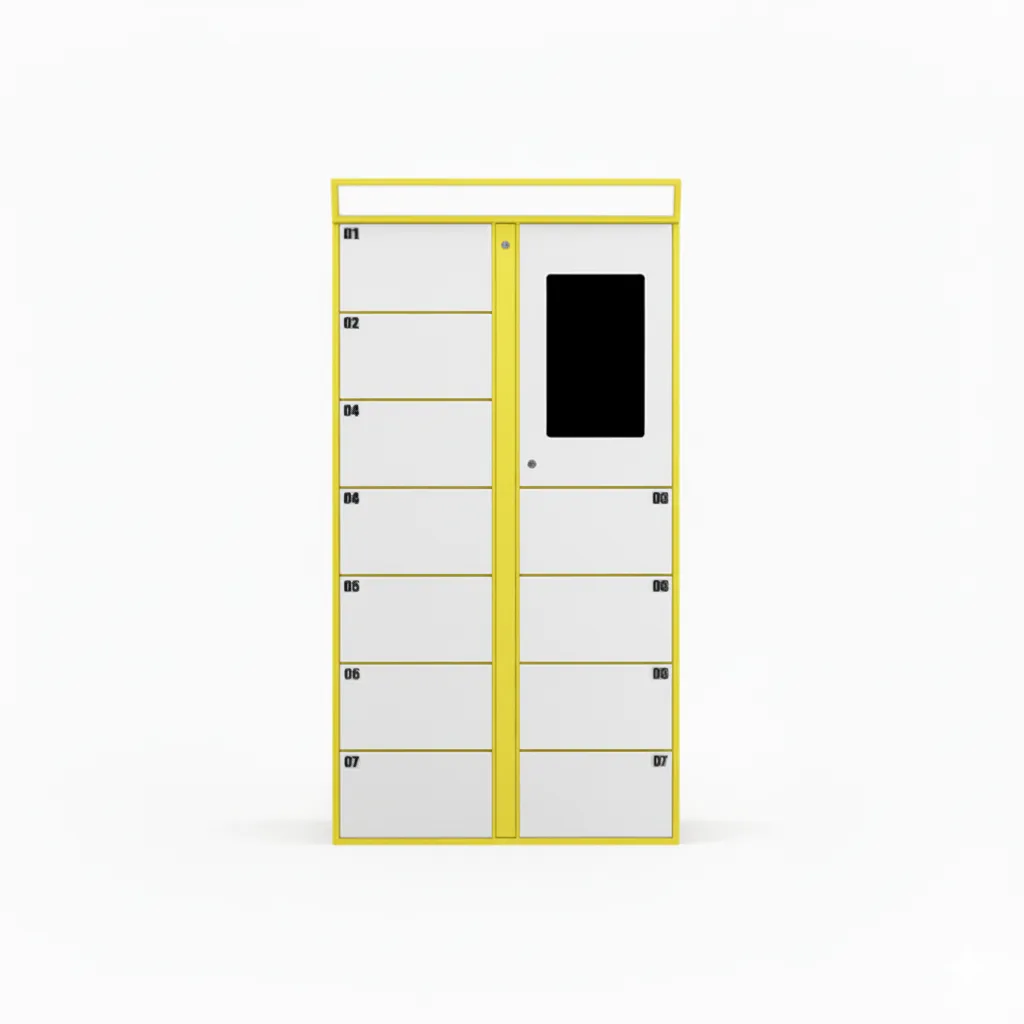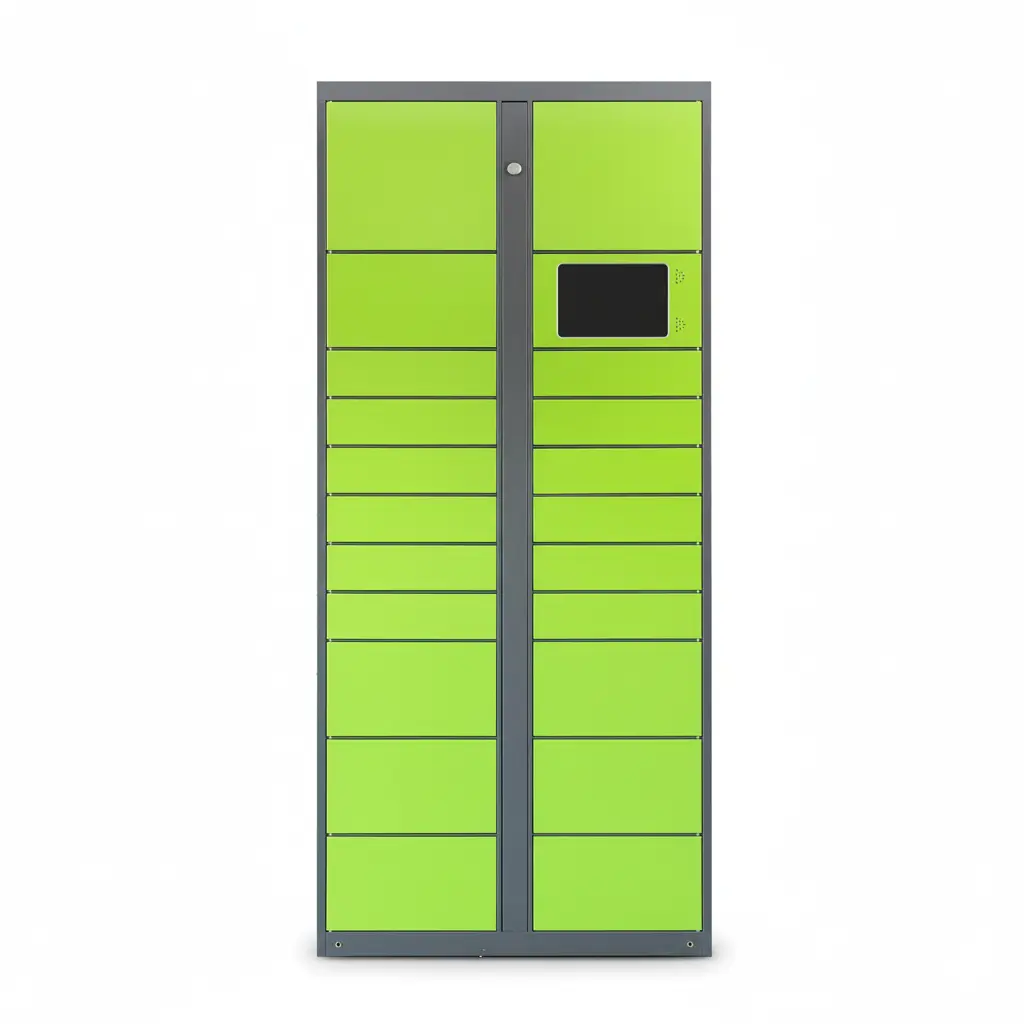
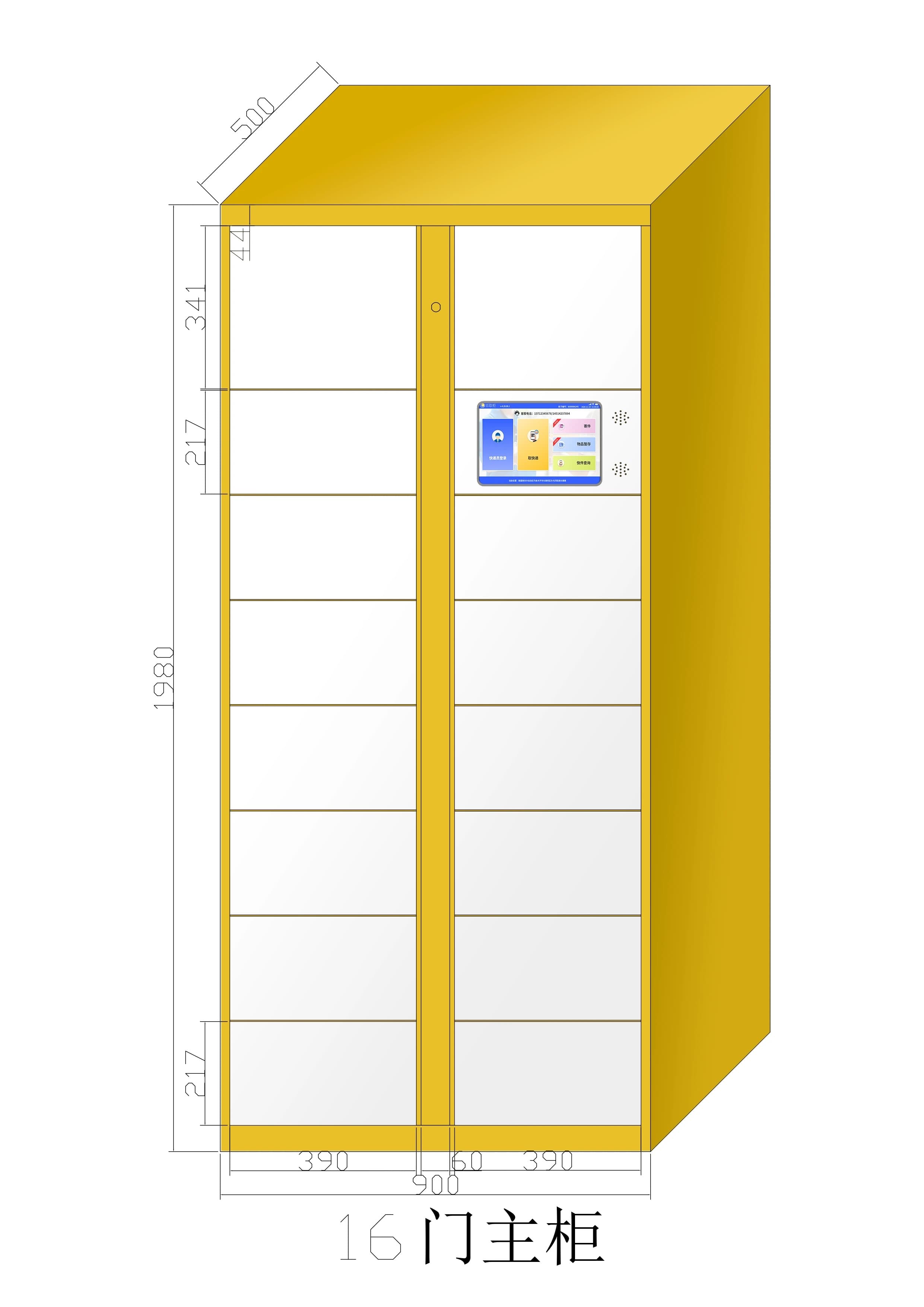
As OOH pickup networks expand in 2026, more buyers are treating compartment sizing as a market-readiness question, not just a cabinet specification. Retail hosts, campuses, residential operators, and logistics teams want lockers that fit local parcel behavior from the first pilot.
Quick Answer: What Compartment Sizes Should a Parcel Locker Use?
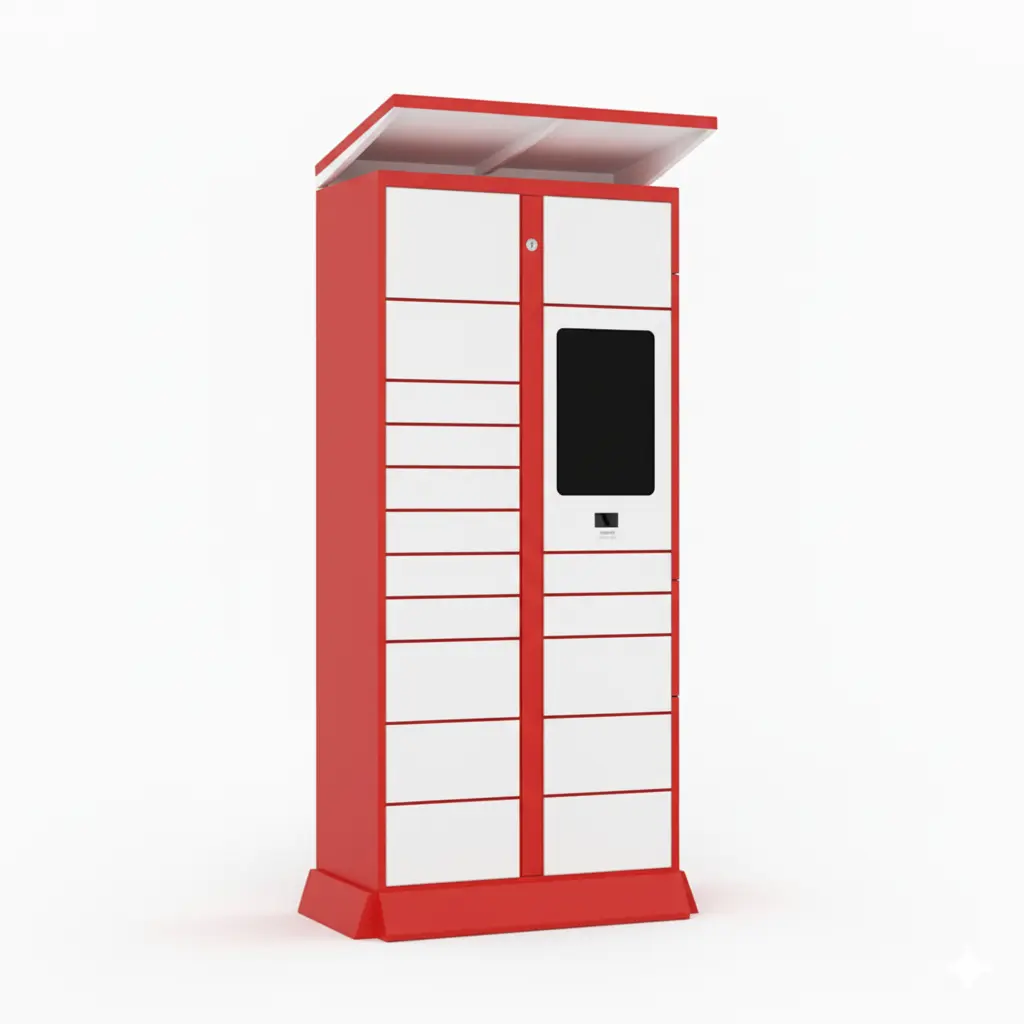
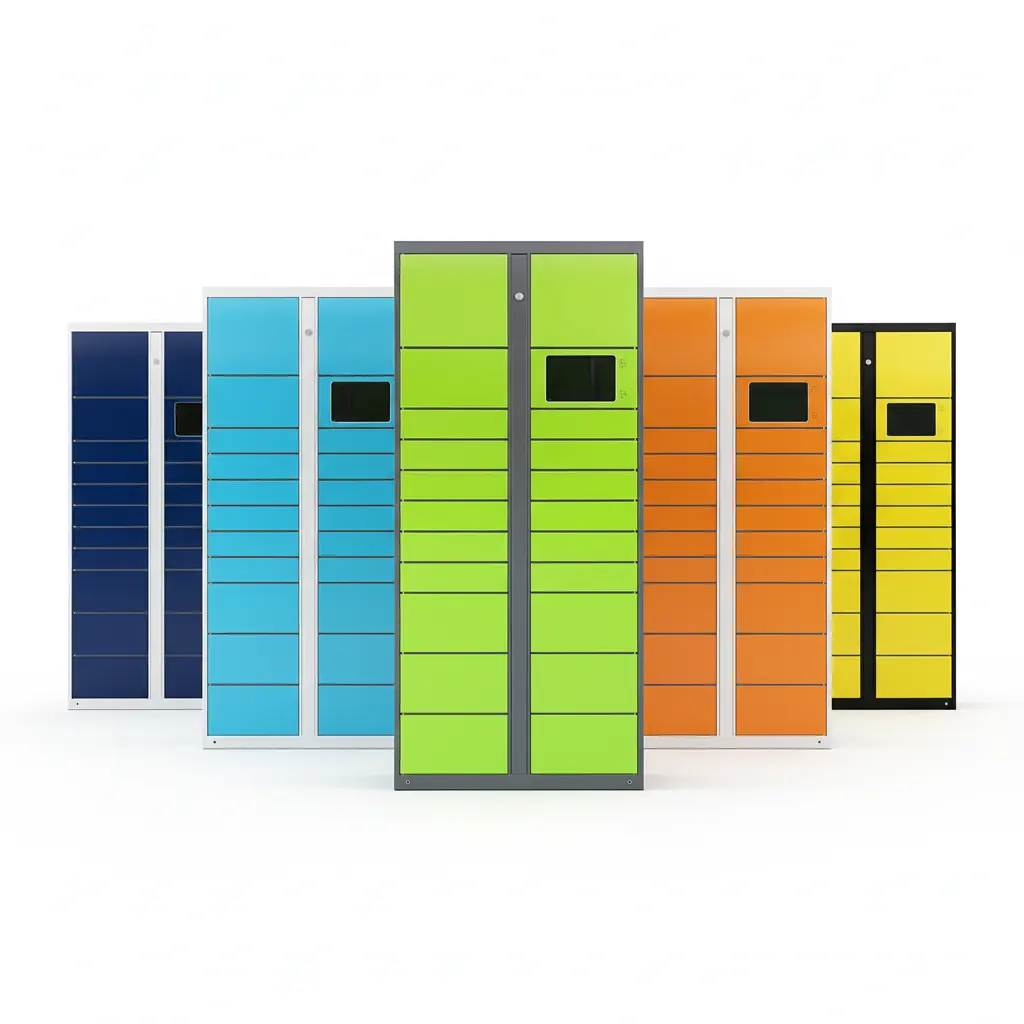
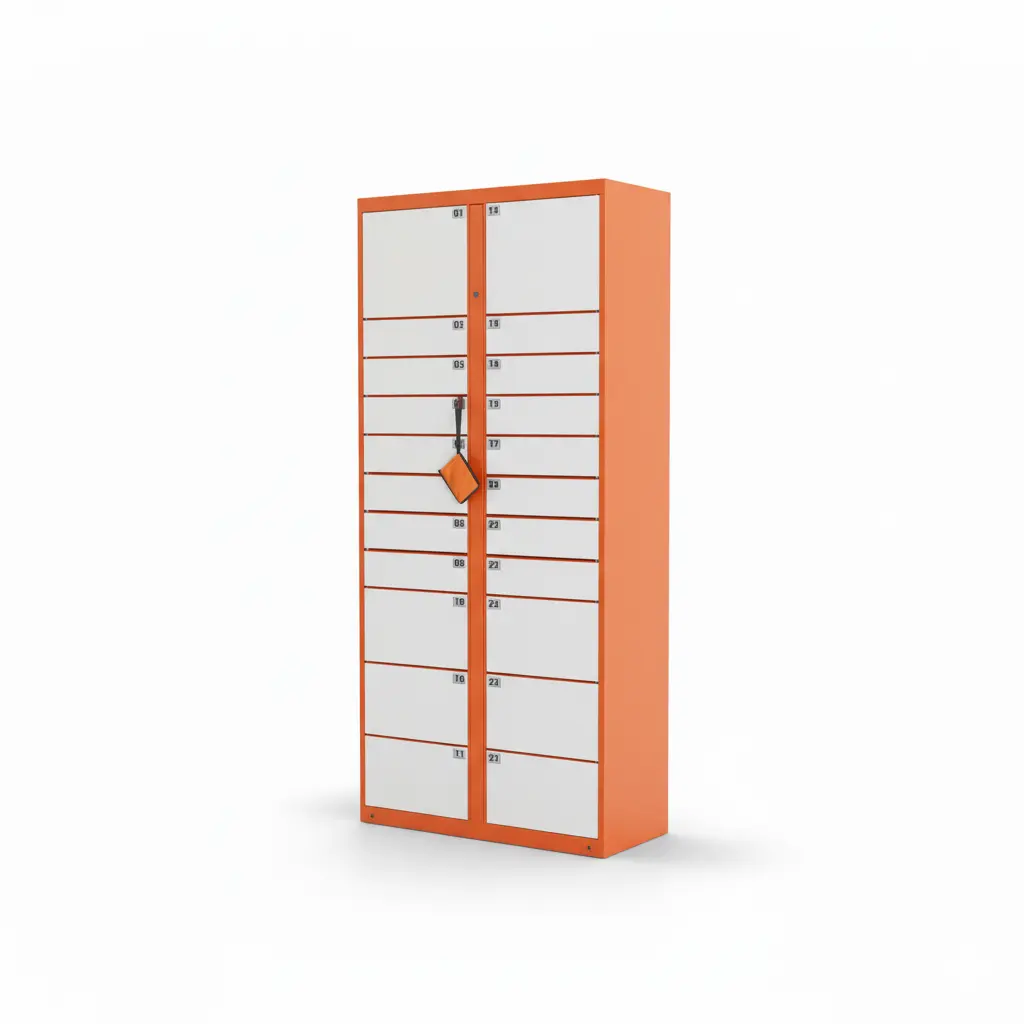
A parcel locker should normally combine small, medium, large, and a limited number of oversized compartments. Small and medium doors provide density for everyday ecommerce parcels, while large and oversized doors prevent failed deposits for shoes, electronics, grouped orders, and bulky items.

Why Compartment Mix Matters More Than Door Count
The shift is visible in buyer conversations: teams now ask how many parcels can be accepted during a peak window, what happens to oversized items, and whether one cabinet design can be repeated across different site types. Door count alone no longer answers those questions.
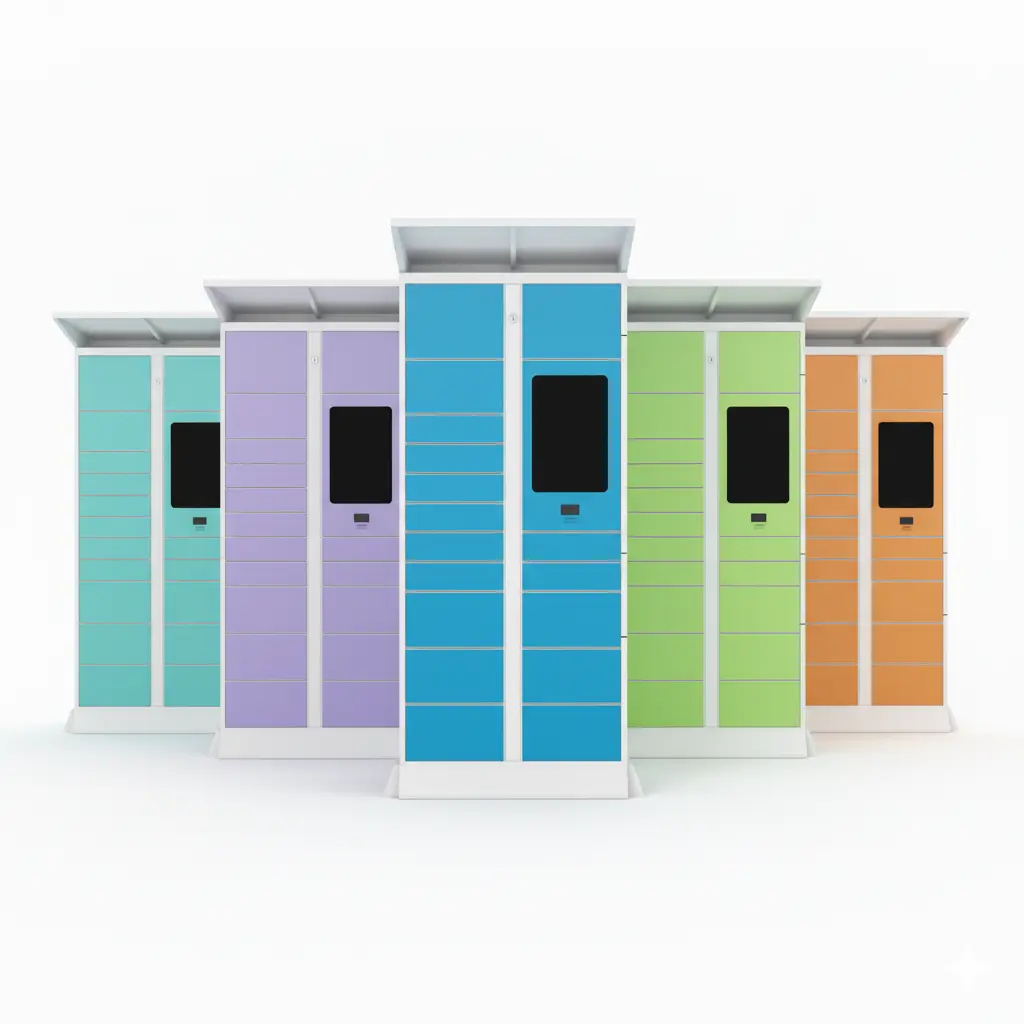
A API-ready multi-carrier parcel locker, a in-store convenience pickup locker, and an outdoor weatherproof parcel locker may share the same software platform, but each location produces different pressure on small, medium, and large compartments.
Step 1: Estimate Daily Parcel Volume and Dwell Time
The most useful first metric is dwell time. If users collect quickly, a smaller cabinet can process more daily flow. If parcels sit overnight or through a weekend, the same site needs more open compartments even when daily volume looks moderate.
Step 2: Map Parcel Size Mix by Site Type
| Site type | Likely parcel mix | Compartment focus |
|---|---|---|
| Convenience store or supermarket | Small ecommerce, returns, fashion items | More small/medium doors, returns workflow |
| Residential community | Household goods, shoes, electronics | Medium/large balance, expiry reminders |
| Office or campus | Batch courier delivery, staff/student pickup | Medium doors, courier permissions, batch deposit |
| Outdoor public site | Unpredictable sizes and weather exposure | Outdoor cabinet, large doors, remote monitoring |
Buyers can start with simple evidence: two weeks of parcel records, a photo log of bulky exceptions, pickup time distribution, and peak-day notes from host staff or couriers.
Step 3: Decide the Oversized Parcel Policy
Oversized parcels are expensive to accommodate but costly to ignore. A network can reserve a few large doors, route bulky parcels to a staffed counter, or direct them to a nearby locker with suitable capacity. The right policy depends on the site model and service promise.

Step 4: Plan Full-Locker Routing Before Launch
Full-locker routing is becoming part of the sizing discussion because it changes the user experience. A network that can redirect parcels to a nearby cabinet may need a different oversized-door ratio than a single isolated locker, especially when the parcel locker API integration guide is already part of the carrier workflow.
Step 5: Use Occupancy Data to Expand, Not Guesswork
After launch, occupancy data should replace assumptions. Size categories that stay full, doors that remain unused, and repeated courier exceptions all indicate whether to add side cabinets or change the next site template.

A Simple Capacity Formula for the First Quote
A practical news-room formula is simple: daily deposits x dwell days x peak buffer. The number is only a starting point; the real decision is how those compartments are divided by size.
Common Sizing Mistakes Buyers Should Avoid
The common market mistake is copying one cabinet layout across every host. A supermarket, office tower, fuel station, and apartment lobby can all need parcel lockers, but the operating pattern is different; retail projects should also compare their assumptions with a retail-hosted parcel locker solution.
Buyer Checklist for Compartment Size Planning
Collect two weeks of parcel size samples before ordering.
Separate normal-day volume from peak-day volume.
Record pickup speed by 24-hour, 48-hour, and weekend windows.
Mark which items failed because no large door was available.
Check whether returns add a second daily traffic wave.
Confirm whether the site can redirect parcels to another nearby locker.
Use pilot occupancy data before repeating the cabinet layout.
About Linqu
Linqu Smart Lockers tracks these sizing questions across B2B parcel locker projects. Buyers that need a project-specific layout can review the parcel locker capacity planning solution or send site information through Linqu contact page.