
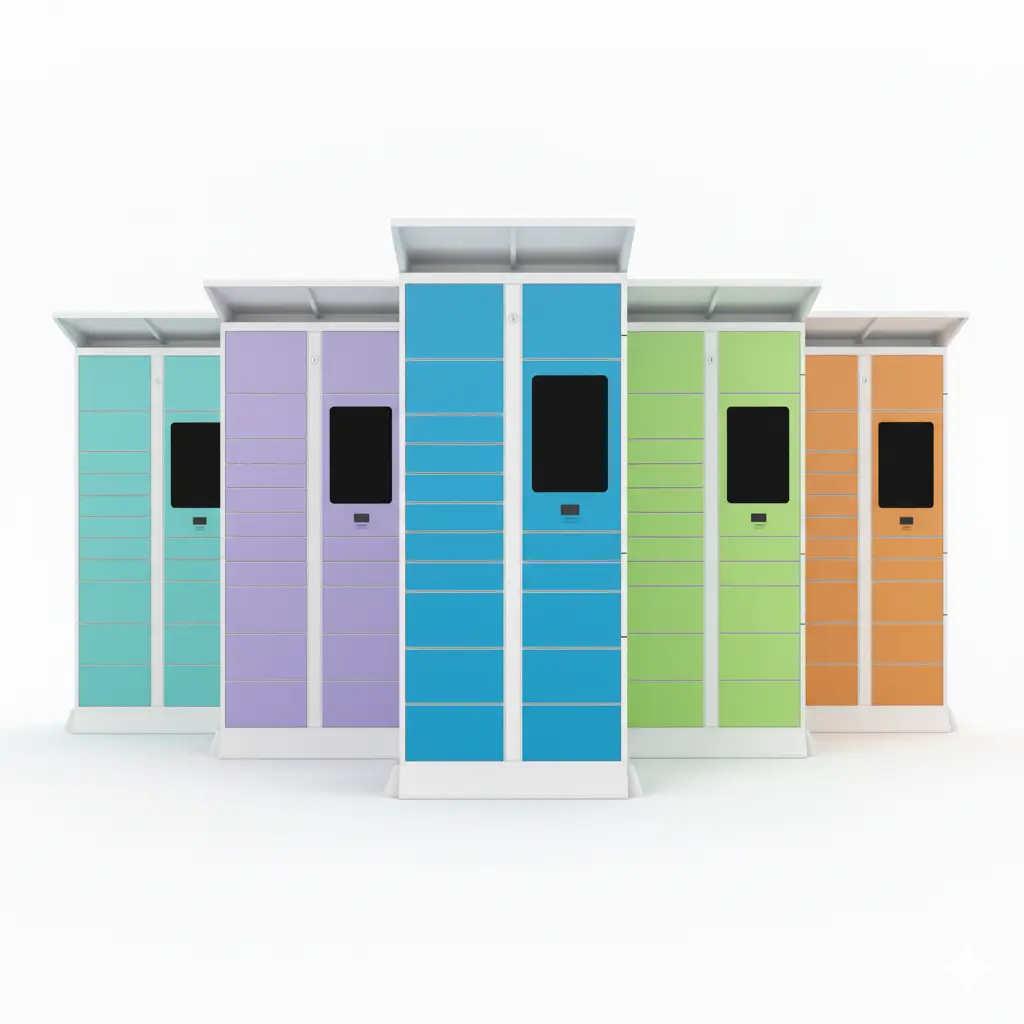
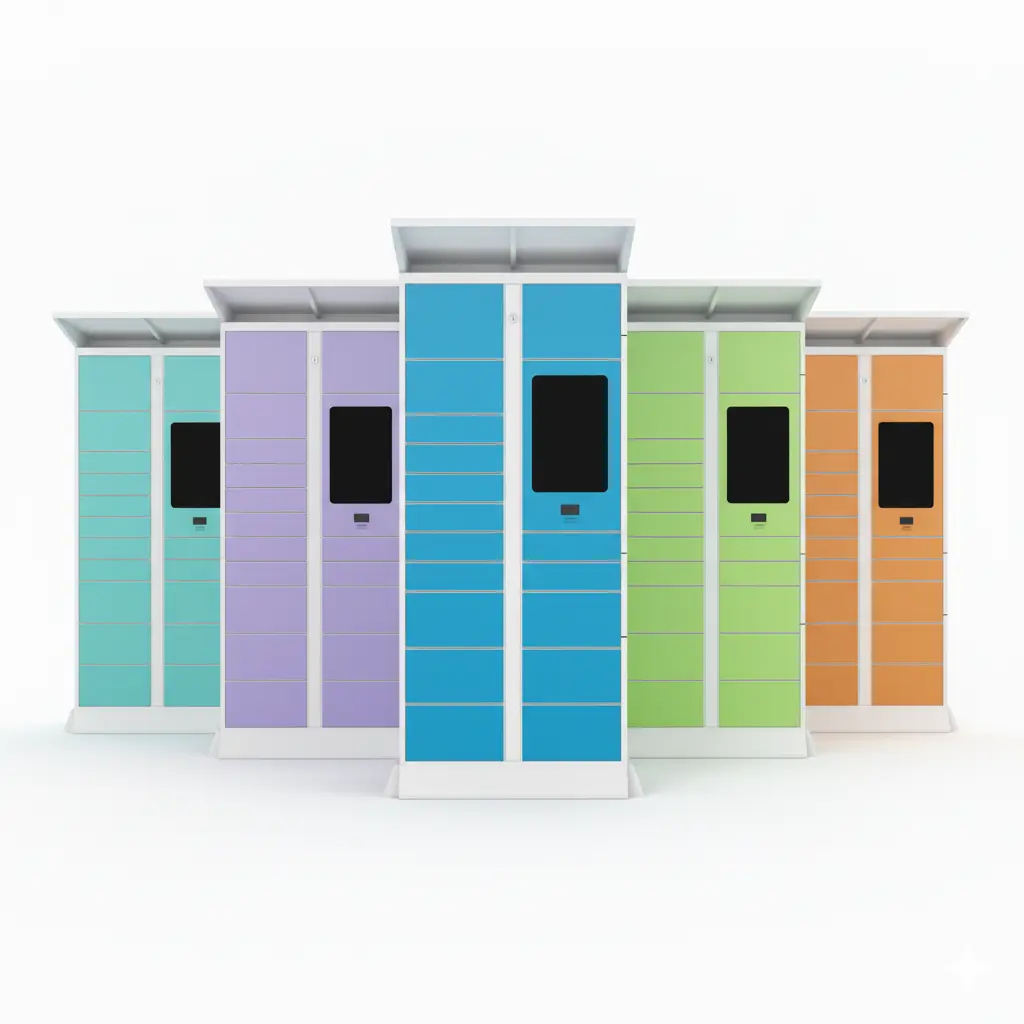
Smart Parcel Locker for Logistics Hubs — Carrier-Agnostic Multi-Carrier Network Deployment with API Integration
Deploy a carrier-agnostic parcel locker network across logistics hubs, carrier depots, and public pickup stations. Integrate any carrier via open API — get a quote today.
Overview: Network-Grade Parcel Lockers for Multi-Carrier Logistics
The LinQu Logistics Hub Parcel Locker is purpose-built for operators deploying carrier-agnostic locker networks at scale. Unlike single-site apartment or office lockers, this system is engineered for high-throughput logistics environments — carrier depots, public pickup stations, community distribution centers, and urban micro-fulfillment nodes.
With open API architecture and multi-carrier compatibility out of the box, operators can onboard any carrier — FedEx, UPS, DHL, local couriers, or marketplace logistics — into a single locker network without custom development. The built-in returns workflow, camera audit trail, and remote maintenance dashboard make this the infrastructure backbone for last-mile consolidation.

How the Network Works
Each locker unit functions as a node in your network, connected via cloud to a centralized operator dashboard. Here is the typical workflow:
- Carrier Drop-Off: Any onboarded carrier scans the parcel barcode at the locker. The system auto-assigns a compartment based on parcel dimensions and sends a pickup notification (SMS, app push, or email) to the recipient.
- Recipient Pickup: The recipient authenticates via PIN, QR code, or app. The correct compartment opens automatically. The camera logs the event for audit.
- Returns & Reverse Logistics: Recipients initiate returns at the locker. The system notifies the originating carrier for collection, closing the loop without manual coordination.
- Operator Oversight: The software dashboard shows real-time occupancy, carrier SLA compliance, compartment utilization heatmaps, and maintenance alerts across all network nodes.

Multi-Carrier vs. Single-Carrier Locker Systems
| Capability | Single-Carrier Locker | LinQu Multi-Carrier Network Locker |
|---|---|---|
| Carrier compatibility | Locked to one carrier | Any carrier via open API |
| Returns workflow | Manual or none | Built-in reverse logistics |
| Network deployment | Per-site only | Centralized multi-node management |
| Software dashboard | Basic status | Occupancy heatmaps, SLA tracking, carrier analytics |
| Camera & audit trail | Optional add-on | Integrated HD camera per unit |
| Compartment configuration | Fixed sizes | Modular — reconfigure S/M/L/XL per site demand |
| Remote maintenance | On-site only | OTA firmware, remote lock reset, diagnostics |
| Third-party integration | Limited | RESTful API, webhook events, SDK |
ROI for Network Operators
Deploying a multi-carrier locker network fundamentally changes the unit economics of last-mile delivery:
- Higher utilization per locker: Carrier-agnostic access means every carrier in the area uses the same infrastructure — 3-5x more daily transactions vs. single-carrier lockers.
- Revenue from returns: The built-in returns workflow turns each locker into a two-way logistics node. Operators can charge per-return fees to carriers or merchants.
- Urban density math: One locker replaces multiple failed delivery attempts across carriers. At 200+ parcels/day per unit, payback period drops below 12 months in dense urban zones.
- Lower maintenance cost: Remote diagnostics and OTA updates reduce on-site service visits by up to 60%. Predictive alerts catch issues before they cause downtime.
- Carrier onboarding fees: Operators can monetize API access, charging carriers a per-drop or monthly subscription fee for network participation.

Deployment Scenarios
- Logistics Hub / Carrier Depot: Centralized sort-and-store for multiple carriers sharing one facility. Reduces dwell time and manual handoffs.
- Public Pickup Station: Municipal or commercial locations (transit stations, shopping centers) where citizens collect parcels from any carrier in one stop.
- Community Distribution Center: Residential neighborhoods with high delivery density. One locker serves 500+ households, eliminating doorstep theft and missed deliveries.
- National Network Rollout: Inspired by carrier-agnostic networks like Australia's Lockerpoint, operators can scale from pilot to nationwide coverage using standardized hardware and centralized software.
