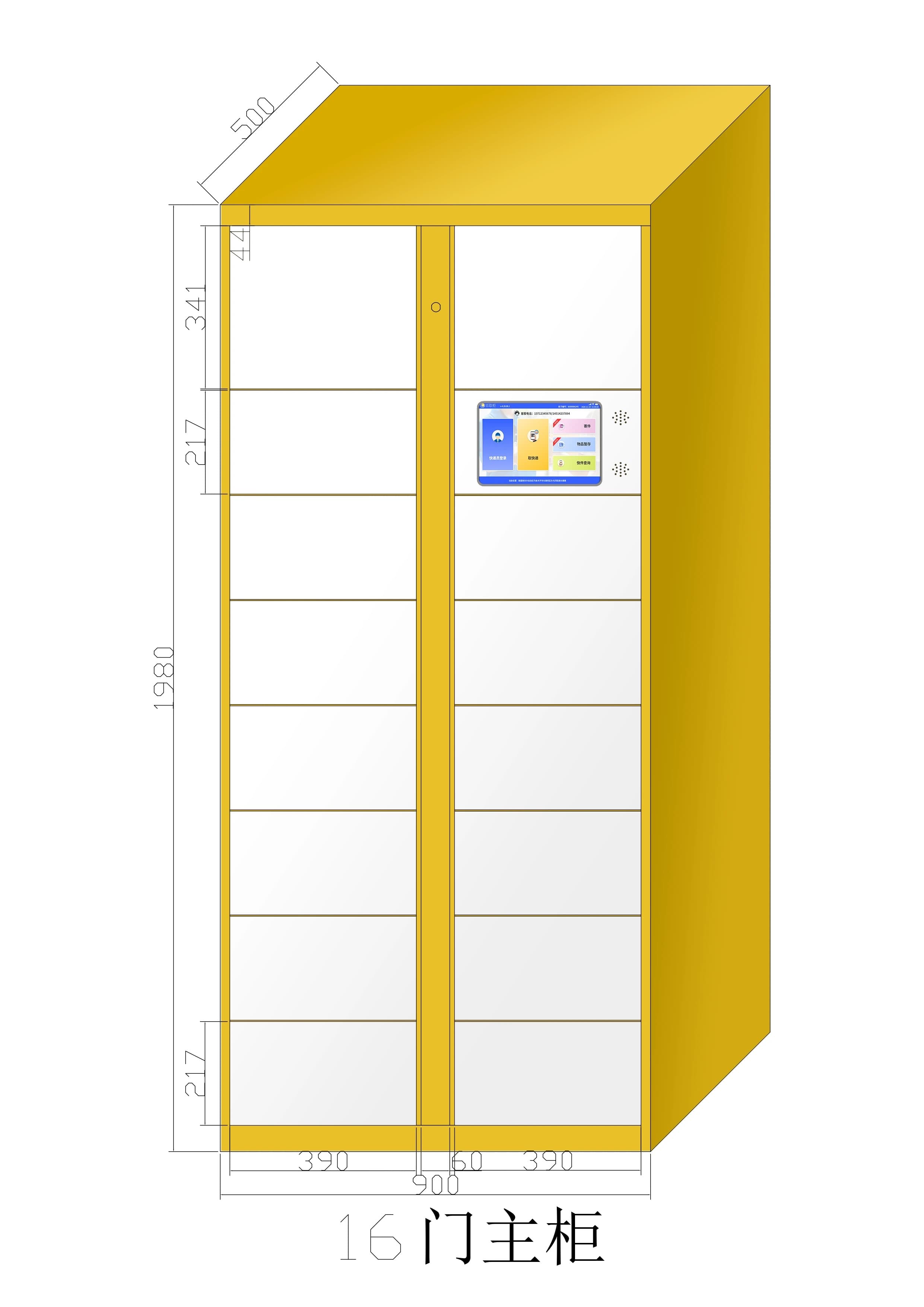
Linqu is a smart locker manufacturer based in Zhengzhou, China. This capacity planning solution helps OOH operators, retail hosts, campuses, offices, and residential communities decide the starting cabinet mix, the expansion path, and the software rules that prevent full-locker failures.
Solution Overview: Capacity Planning Before Cabinet Ordering
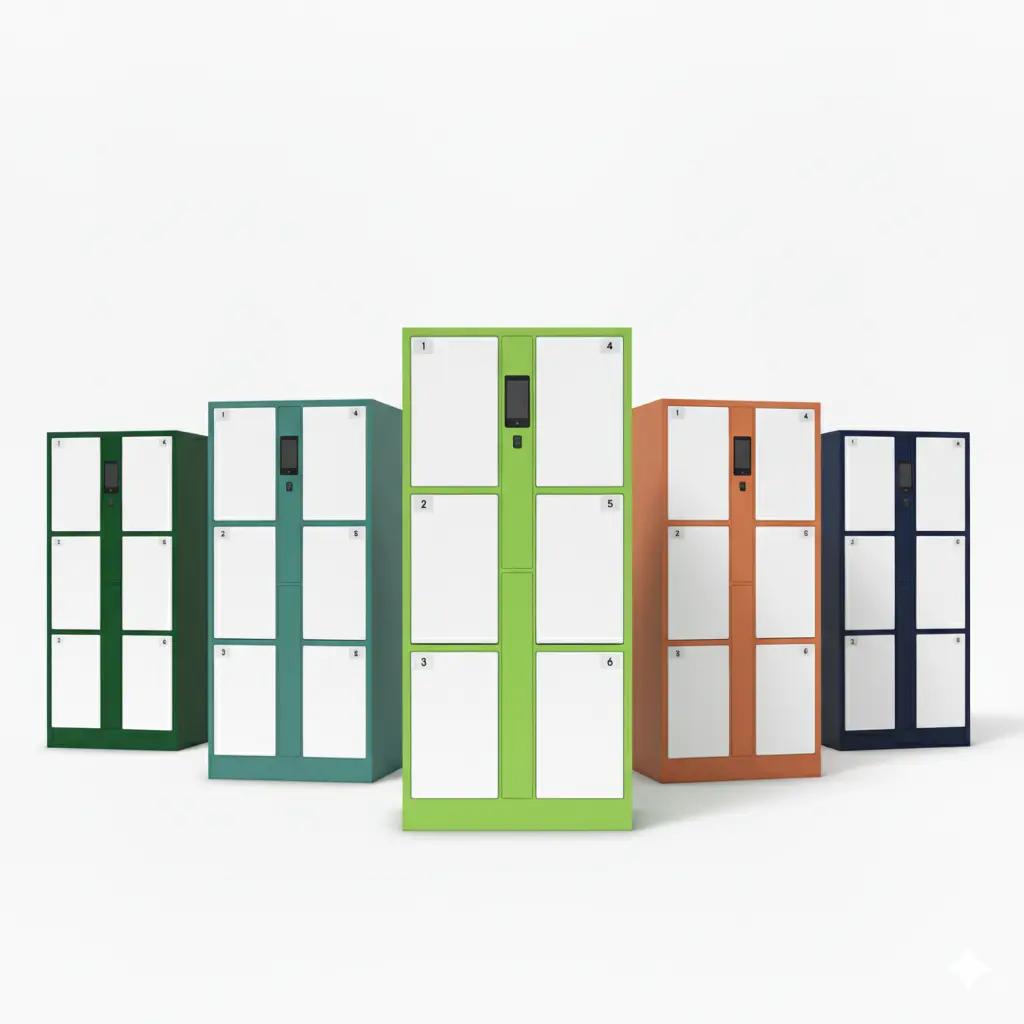
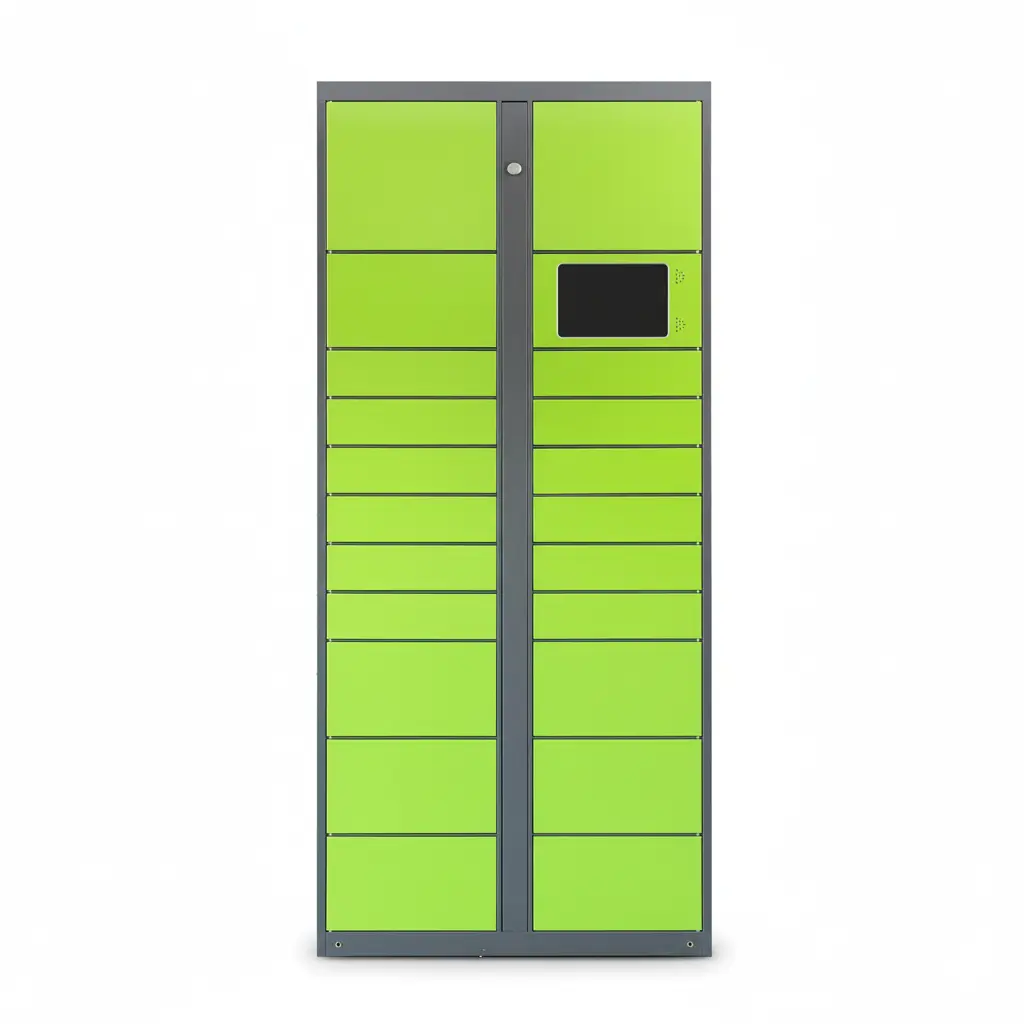
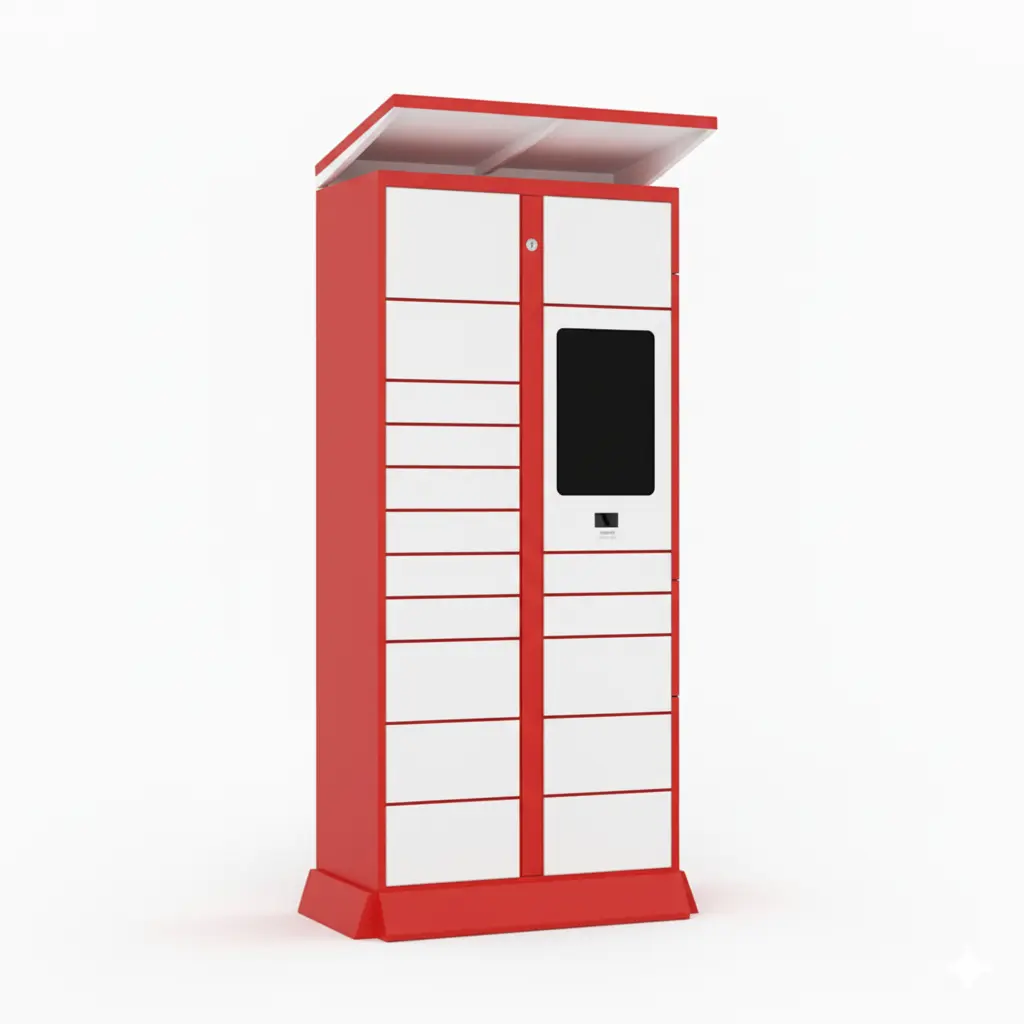
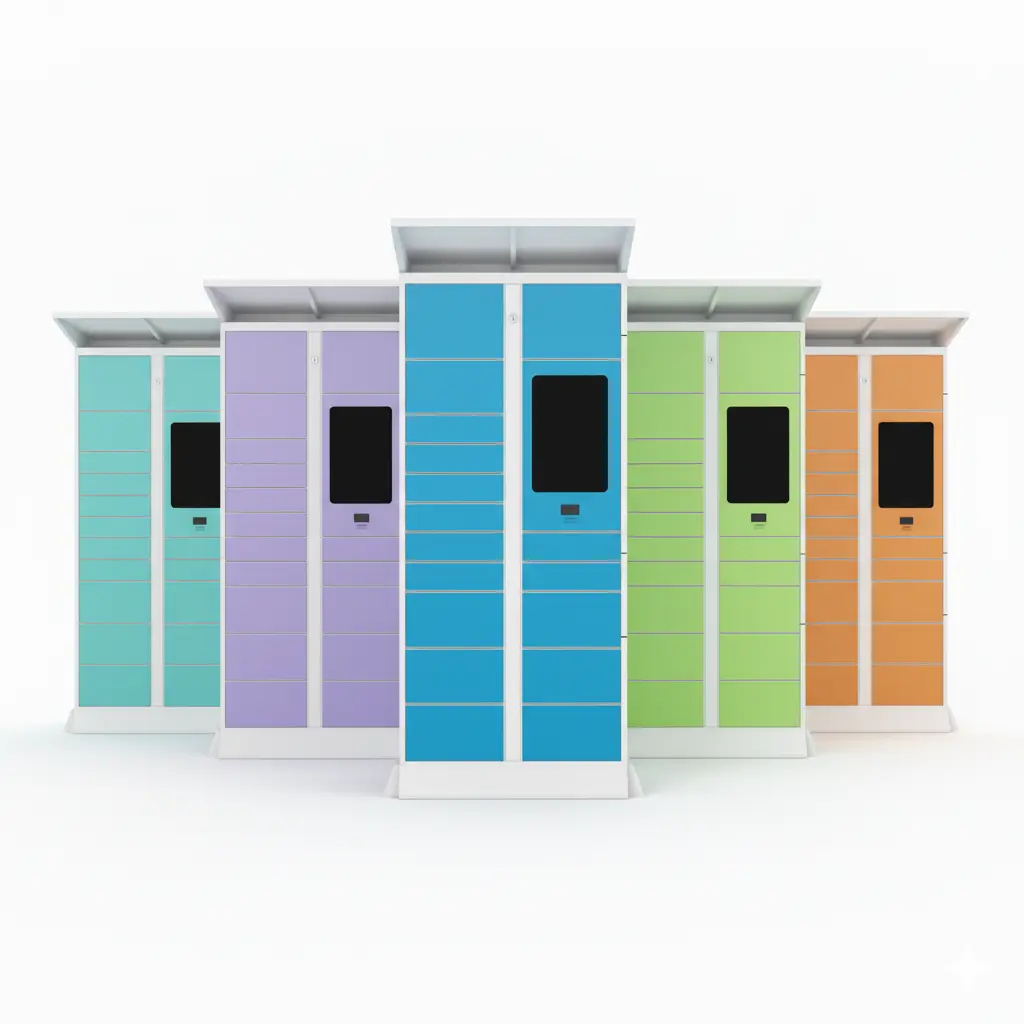
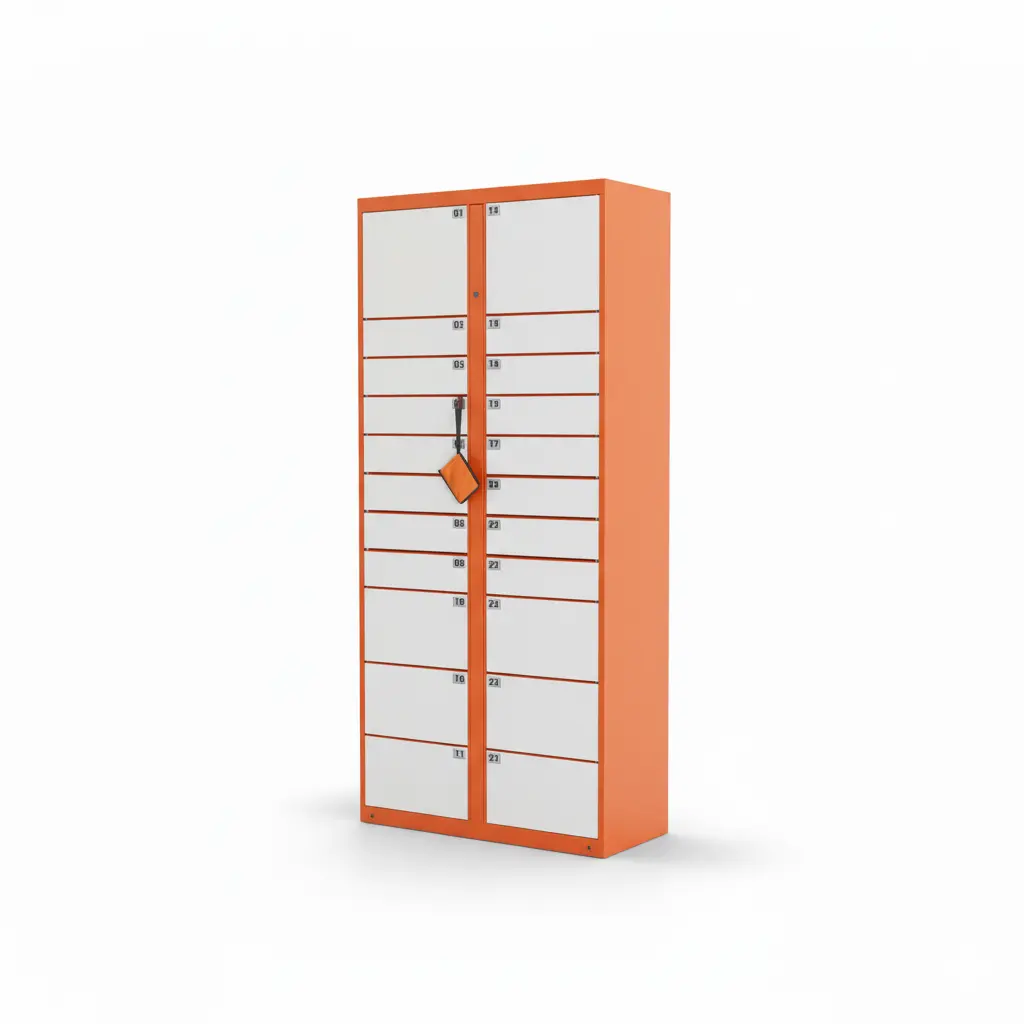
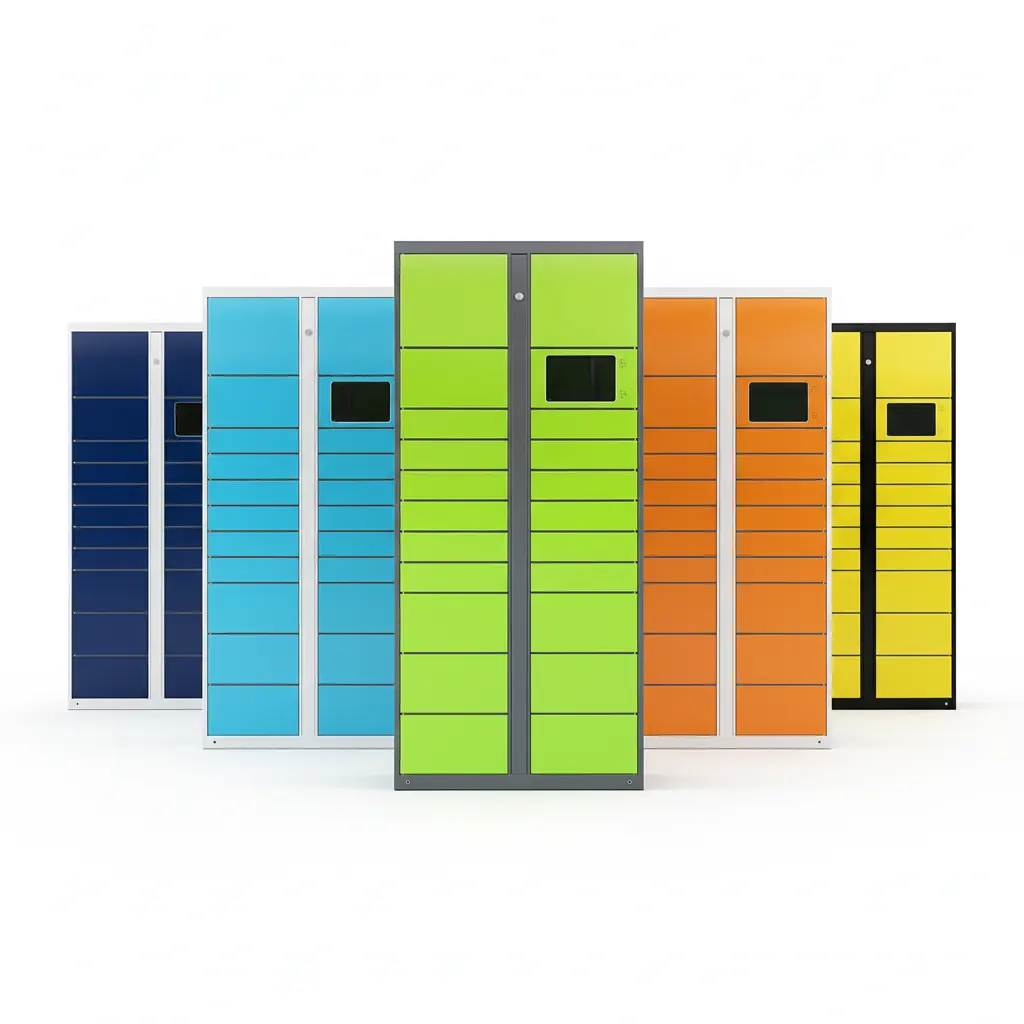
Modular main and side cabinets with mixed-size compartments.
Real-time compartment status, occupancy reports, courier logs, expiry rules, and remote opening.
API support for carrier, OMS, WMS, ecommerce checkout, and notification workflows.
Indoor, semi-outdoor, outdoor, 4G/LAN/WiFi, and optional weatherproof configuration.
Pilot MOQ from one cabinet, then expand by volume, site type, and parcel mix.

Why Capacity Planning Is Now a Buying Decision
Capacity planning is now part of procurement because buyers need to control failed deposits, courier workflow, parcel expiry, and future side-cabinet expansion before hardware is ordered.
For network buyers comparing an API-ready multi-carrier parcel locker, an in-store convenience pickup locker, and an outdoor weatherproof parcel locker, capacity planning links product selection with real site performance.
Planning Assumptions for OOH and Retail-Hosted Sites
A practical pilot starts from daily parcel volume, dwell time, parcel size mix, courier deposit windows, and peak-day buffer. These inputs decide whether one main cabinet is enough or whether side cabinets should be included from phase one.
| Site type | Common risk | Recommended planning focus |
|---|---|---|
| Retail host or supermarket | High peak-hour deposits | Small/medium mix, pickup + returns, staff override |
| Fuel station or outdoor site | Weather, power, network reliability | Outdoor cabinet, 4G, UPS, remote monitoring |
| Campus or office | Batch courier delivery | Courier permissions, batch deposit, medium/large doors |
| Residential community | Overnight occupancy | Expiry rules, reminders, full-locker routing |
Compartment Mix: Small, Medium, Large, and Oversized
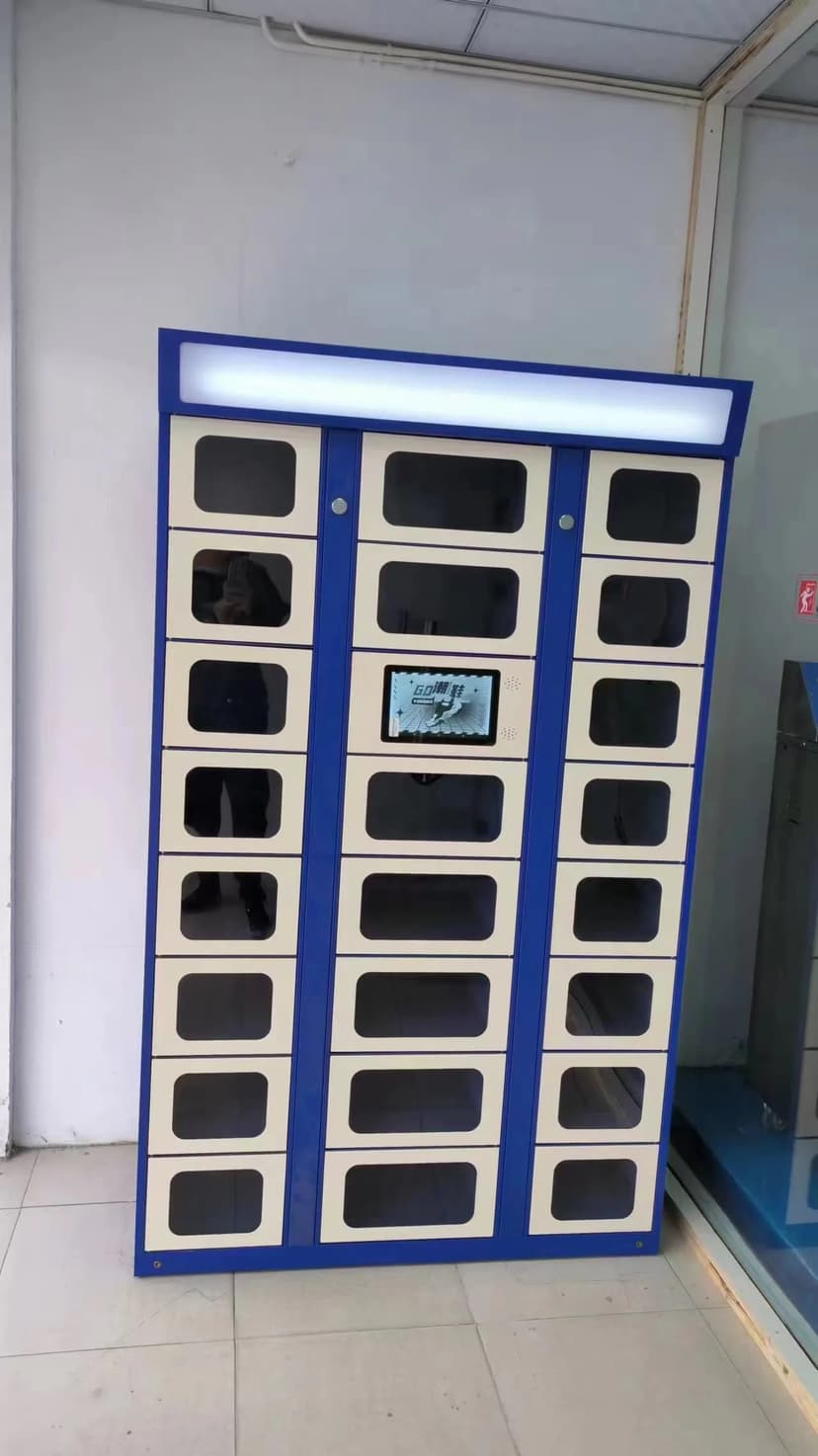
The first sizing decision is the ratio of small, medium, large, and oversized doors. A dense cabinet with the wrong ratio can still reject parcels and push work back to staff.

Software Rules: Occupancy, Expiry, and Full-Locker Routing
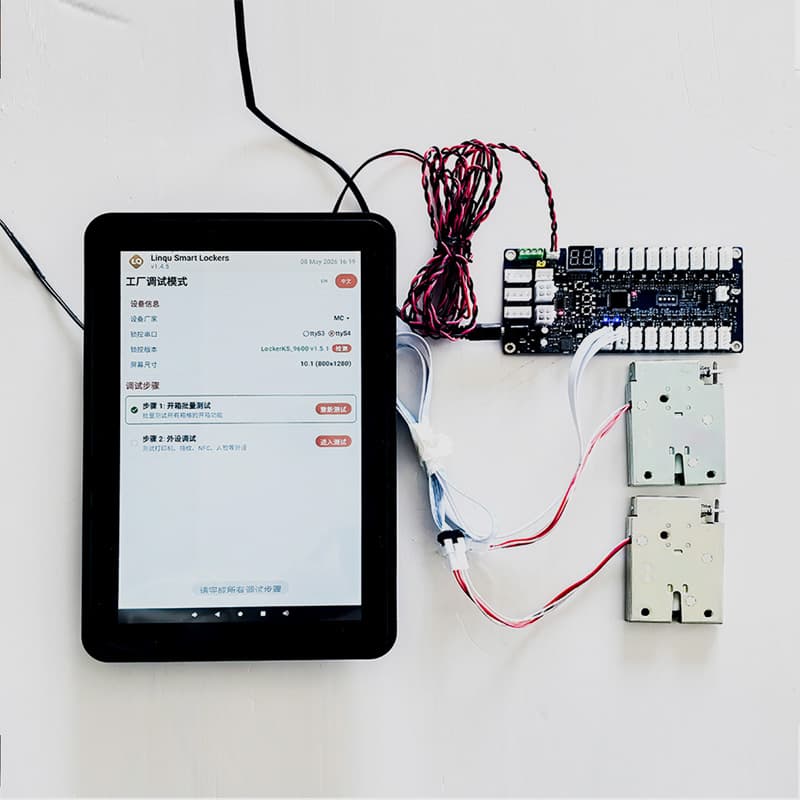
Software rules matter as much as steel. Occupancy reports, expiry reminders, remote opening, courier permissions, and exception logs decide how well the cabinet capacity is used.
For API planning, buyers should confirm carrier login, compartment assignment, pickup code delivery, expiry return, and exception fields before launch. See the parcel locker API integration guide.

Phased Rollout Model: Pilot, Stabilize, Expand
Linqu recommends three rollout stages: pilot representative sites, stabilize operating rules, then expand by side cabinet, host location, or revised compartment ratio.
Implementation Timeline and Quote Inputs
Quote inputs should include site photos, wall width, indoor/outdoor condition, daily parcel count, returns share, network method, language needs, and integration scope.
How This Solution Connects to Retail-Hosted Locker Networks
Retail-hosted OOH networks need a capacity model that protects store space, staff time, brand image, and customer flow. This page complements the retail-hosted parcel locker solution by focusing on door mix and expansion triggers.
Buyer Checklist Before Requesting a Quote
Expected daily deposits and pickups on normal and peak days.
Parcel size mix by small, medium, large, and oversized percentage.
Average dwell time before users collect parcels.
Courier model: single carrier, multi-carrier, or open network.
Workflow scope: pickup only, pickup + drop-off, or pickup + returns.
Site condition: indoor, semi-outdoor, outdoor, power, LAN/WiFi/4G.
Software needs: API, OMS/WMS, SMS/email/app notification, dashboard users.
Key Takeaways
Plan capacity before ordering cabinets.
The right compartment mix depends on parcel size, dwell time, site type, and courier workflow.
Occupancy, expiry, notification, and override rules affect usable capacity.
A one-cabinet pilot can validate assumptions before expansion.
Retail-hosted OOH networks need a different model from apartment or campus lockers.
Linqu can support cabinet layout, API planning, localized software, and 24-hour quotes.
About Linqu
Linqu Smart Lockers was founded in 2018, operates a 20,000 sqm factory in Luoyang, Henan, China, and supports global B2B projects with parcel lockers, OEM/ODM cabinets, API software, and 24-hour quote response through the Linqu contact page.