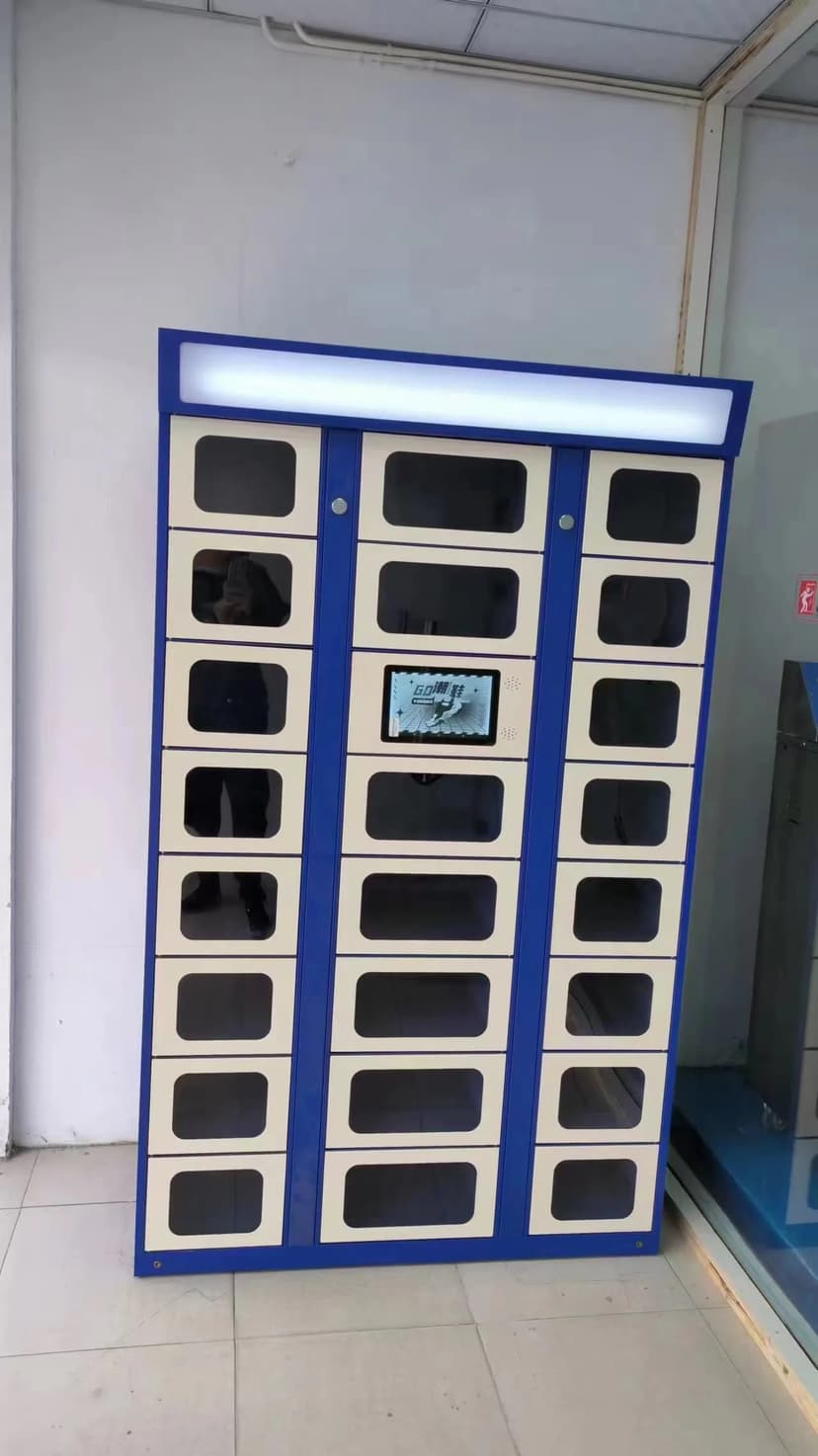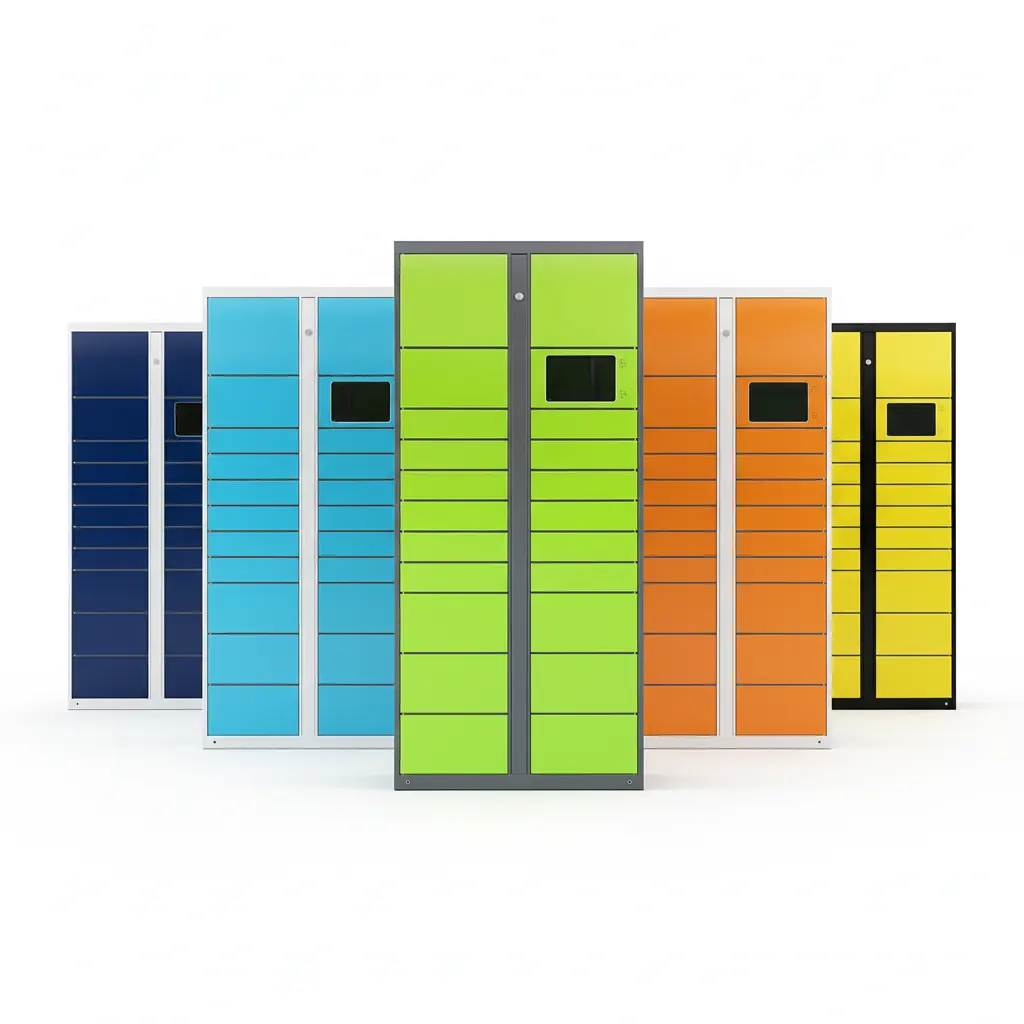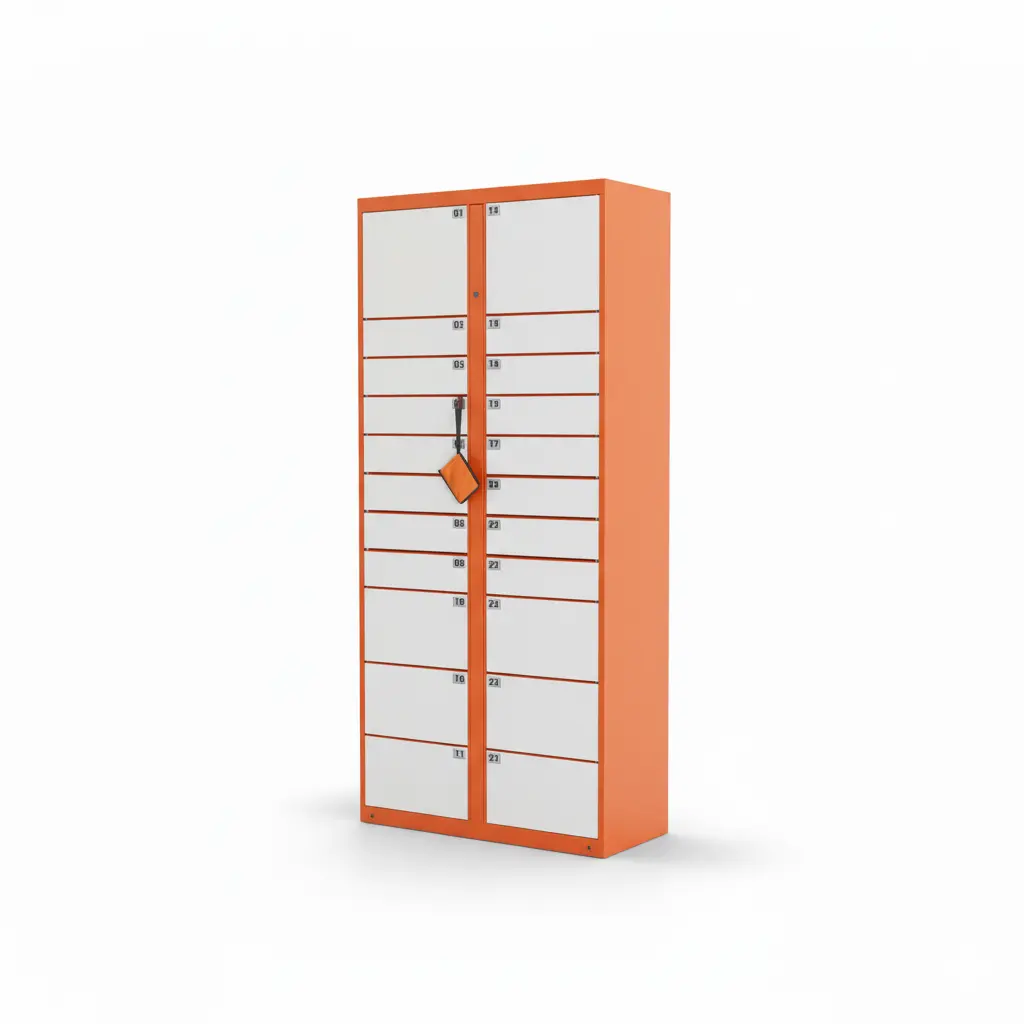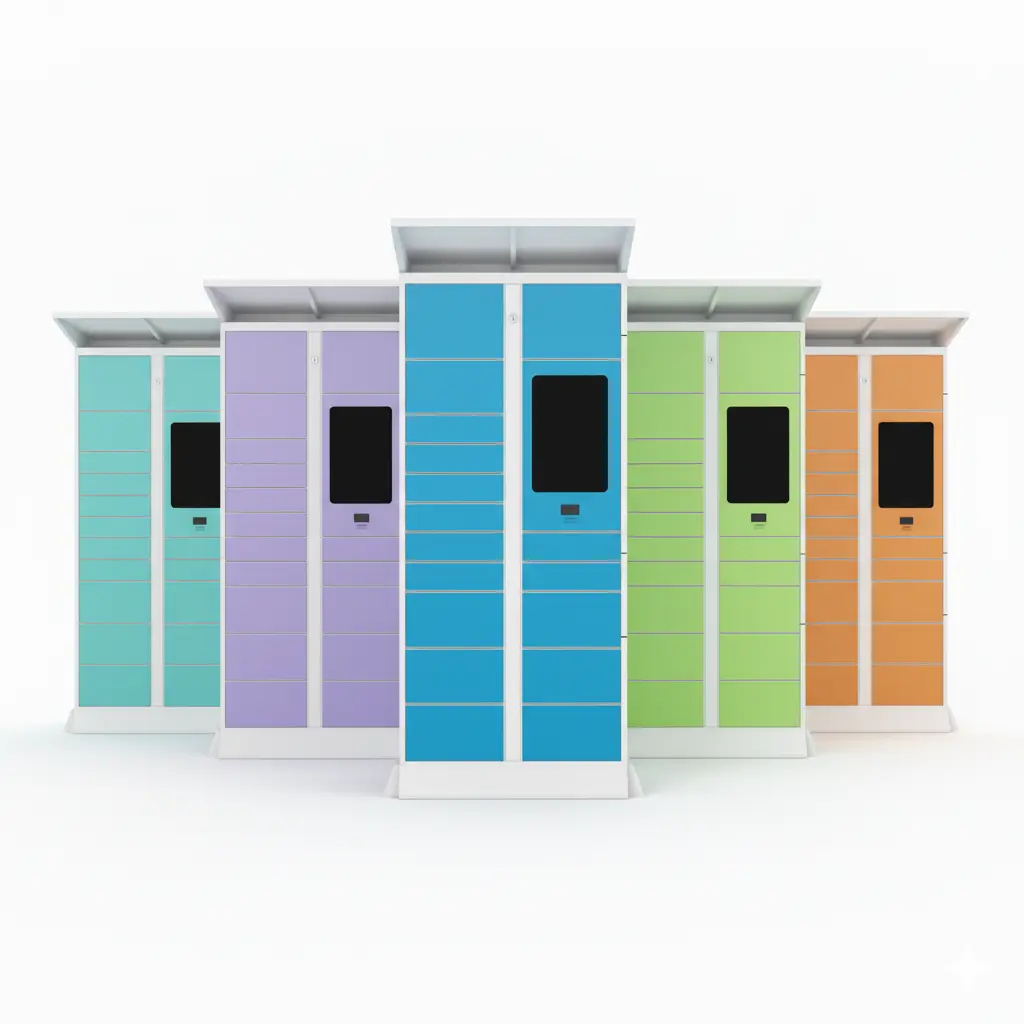
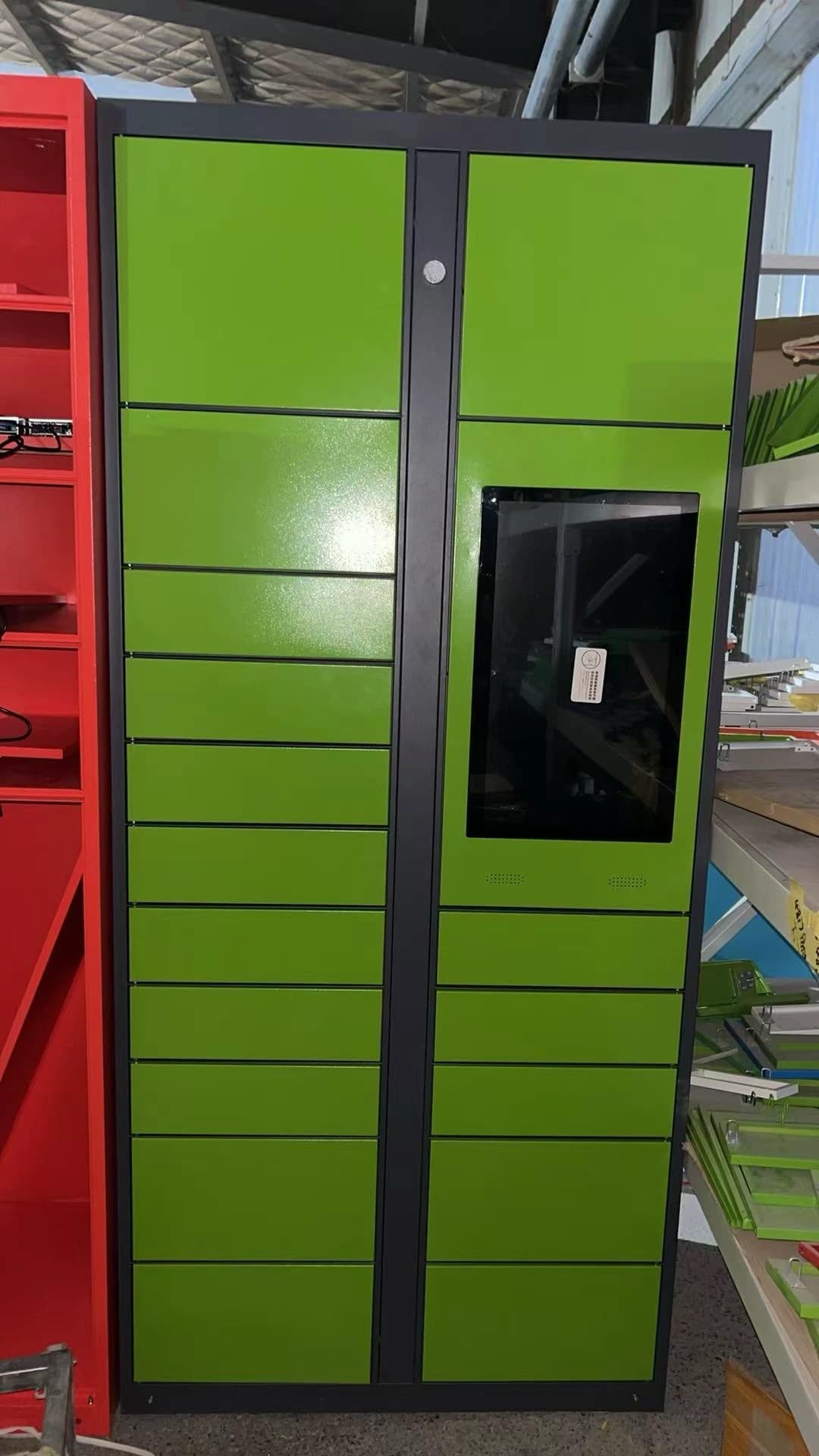
Retail, Supermarket and Fuel Station Hosted Parcel Locker Solution is built for retailers, convenience-store chains, fuel-station operators, mall owners, courier networks, and local logistics companies that want to turn existing retail sites into self-service pickup, drop-off, and returns points. Linqu is a smart locker manufacturer based in Zhengzhou, China, and designs parcel locker systems for hosted retail deployment, multi-carrier access, cloud management, notification workflows, and outdoor or semi-outdoor installation.
Solution Overview: the solution combines modular parcel locker hardware, QR/PIN/OTP access, SMS or app notification, web-based cloud dashboard, courier permission roles, API integration, outdoor cabinet options, and OEM/ODM customization for host branding. It can start as a one-site pilot and scale into a retail host network covering supermarkets, petrol stations, neighborhood stores, shopping centers, and residential retail plazas.

Hosted Retail Locker Model for Store Networks
The primary narrative axis for this solution is operator economics. A hosted parcel locker network works when each site produces useful value for three parties: the locker operator reduces failed delivery and courier route waste, the store host receives repeat visits and stronger local service value, and the customer gets a convenient pickup or returns point near daily errands. The locker is not only a cabinet; it is a shared service node with access rules, handover records, and measurable site performance.
Retail-hosted lockers are especially practical where stores already have parking, lighting, customer familiarity, and high-frequency daily visits. A convenience store parcel locker may handle courier pickup and returns, while a supermarket or mall installation may combine ecommerce orders, parcel returns, and local merchant handover. Linqu helps buyers define which workflows should be active in the first pilot and which should remain optional for later phases.
Pickup, Drop-Off and Returns in One Customer Journey
A mature retail parcel locker solution should not stop at recipient pickup. The stronger commercial model combines customer pickup, courier drop-off, merchant drop-off, prepaid parcel sending, and returns. A courier deposits a parcel, the system sends a code, the customer opens the assigned compartment, and the dashboard records the event. For returns, the customer scans or enters a return reference, places the parcel inside, and the courier collects a return batch during the next route.
This journey reduces counter handling because store staff do not need to identify parcels, check IDs, write manual logs, or explain every exception. Instead, the software manages pickup codes, expiry time, occupancy status, and remote support. Store staff can remain focused on retail service while the locker operator handles parcel workflow and customer support rules.
Site Planning for Supermarkets, Fuel Stations and Neighborhood Stores
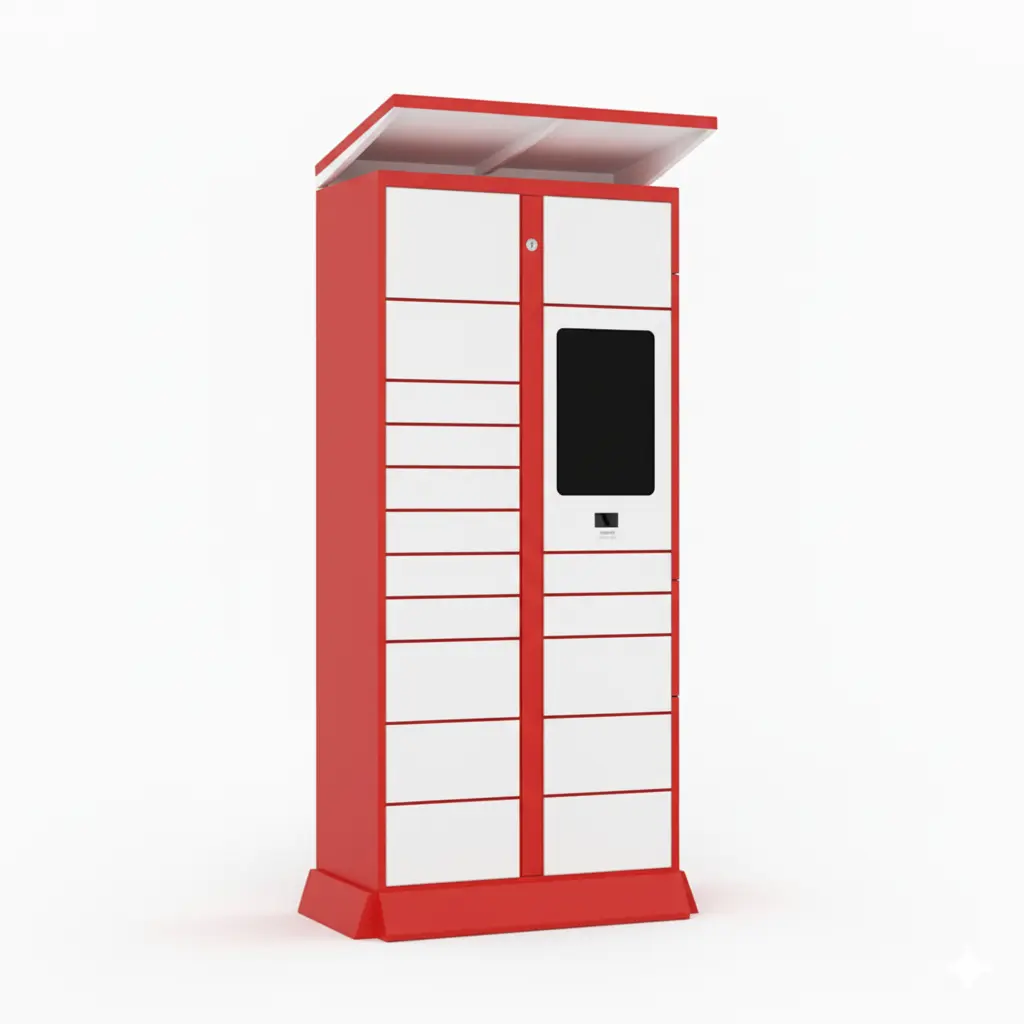
Retail host sites need clear placement decisions. Indoor lockers may be easier to supervise but are limited by opening hours. Semi-outdoor lockers near entrances can extend access while using existing lighting and camera coverage. Outdoor lockers at fuel stations or parking areas need stronger weather protection, anti-rust treatment, anchoring, 4G connectivity, and a maintenance plan. Linqu's outdoor weatherproof parcel locker options support buyers that need rain, humidity, dust, and vandal-resistance planning.
Before cabinet production, the project team should collect site photos, available floor or wall space, power point location, network signal, customer walking path, camera coverage, local language needs, branding requirements, and whether the locker will support only courier parcels or also store order pickup. These details influence cabinet depth, compartment mix, screen size, scanner choice, canopy needs, and installation method.

Multi-Carrier Permissions and Operator Controls
Retail sites are valuable because they can aggregate demand, but aggregation creates control requirements. A multi-carrier parcel locker network needs user roles for each courier, site-level permission rules, delivery and pickup logs, occupancy reports, remote unlock, and exception audit trails. Otherwise, the host site can become a source of disputes instead of a trusted pickup point.
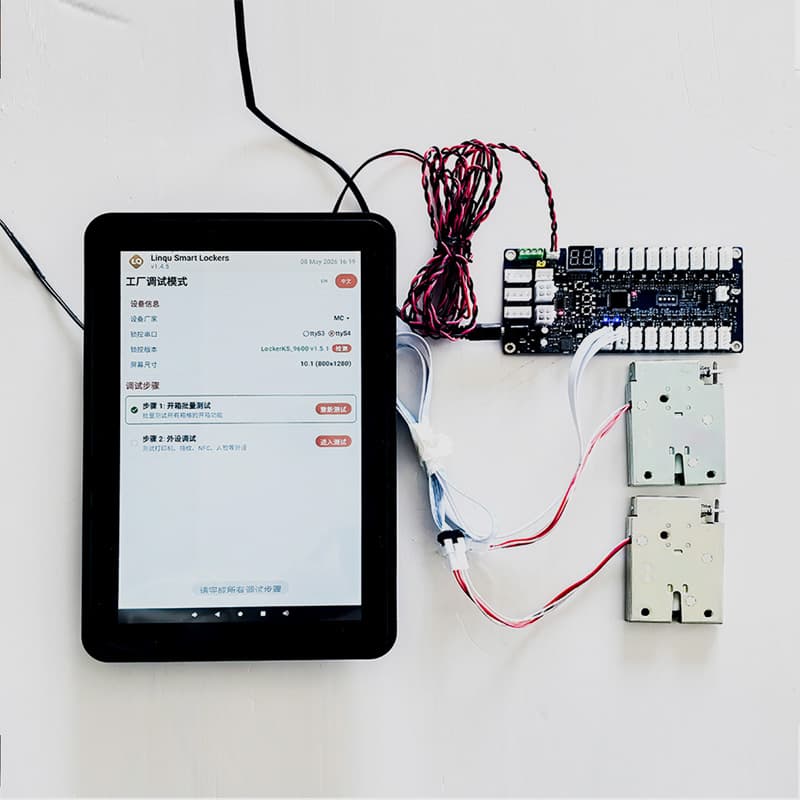
Linqu's software materials support web-based device management, real-time compartment monitoring, order statistics, user management, operation logs, multi-language UI, SMS or app pickup code notification, and API concepts for order management, opening control, payment callback, and status query. For retail host networks, these capabilities can be configured for operator dashboards, store-level reports, courier accounts, and admin override.
Capacity and ROI Planning for a Pilot
For a first pilot, buyers should avoid guessing cabinet size from a catalog picture. Use daily parcel volume, return volume, peak season multiplier, average holding time, courier count, and oversized parcel share. A typical pilot can start with one to three high-visibility sites, then expand after 30-90 days of occupancy data, full-locker events, failed pickup reports, route feedback, and store host comments. Linqu's MOQ supports one-unit pilots, which helps B2B buyers test site economics before network rollout.
| Planning item | Recommended pilot question | Why it matters |
|---|---|---|
| Daily volume | How many parcels and returns will each site process per day? | Determines compartment count and route frequency. |
| Holding time | Will parcels stay 24, 48, or 72 hours before expiry? | Longer holding time requires more compartments. |
| Access mix | QR, PIN, OTP, barcode, app, RFID, NFC, or no-app? | Affects screen, scanner, user flow, and notification templates. |
| Site type | Indoor, entrance, parking area, fuel station forecourt, or outdoor wall? | Controls cabinet structure, weather protection, and installation. |
| Integration | Courier API, ecommerce checkout, OMS, POS, WMS, or address validation? | Needs to be scoped before production and software configuration. |
Software, API and Exception Handling Architecture
Retail host networks depend on reliable software architecture. Buyers should confirm whether the system can create orders, assign compartments, send notifications, receive courier status, expose locker occupancy, record pickup logs, and trigger alerts when a cabinet is full or a parcel expires. If the locker will connect to ecommerce checkout or courier systems, review the parcel locker API integration guide before confirming the scope.
Exception handling should be written into the project plan. What happens when the code is not received, the parcel is too large, a user opens the wrong door, the locker is full, or the courier misses a return pickup? A practical answer includes dashboard alerts, admin override, audit logs, notification resend, remote unlock, and a clear responsibility map between operator, courier, and host store.

Recommended Linqu Product Combination
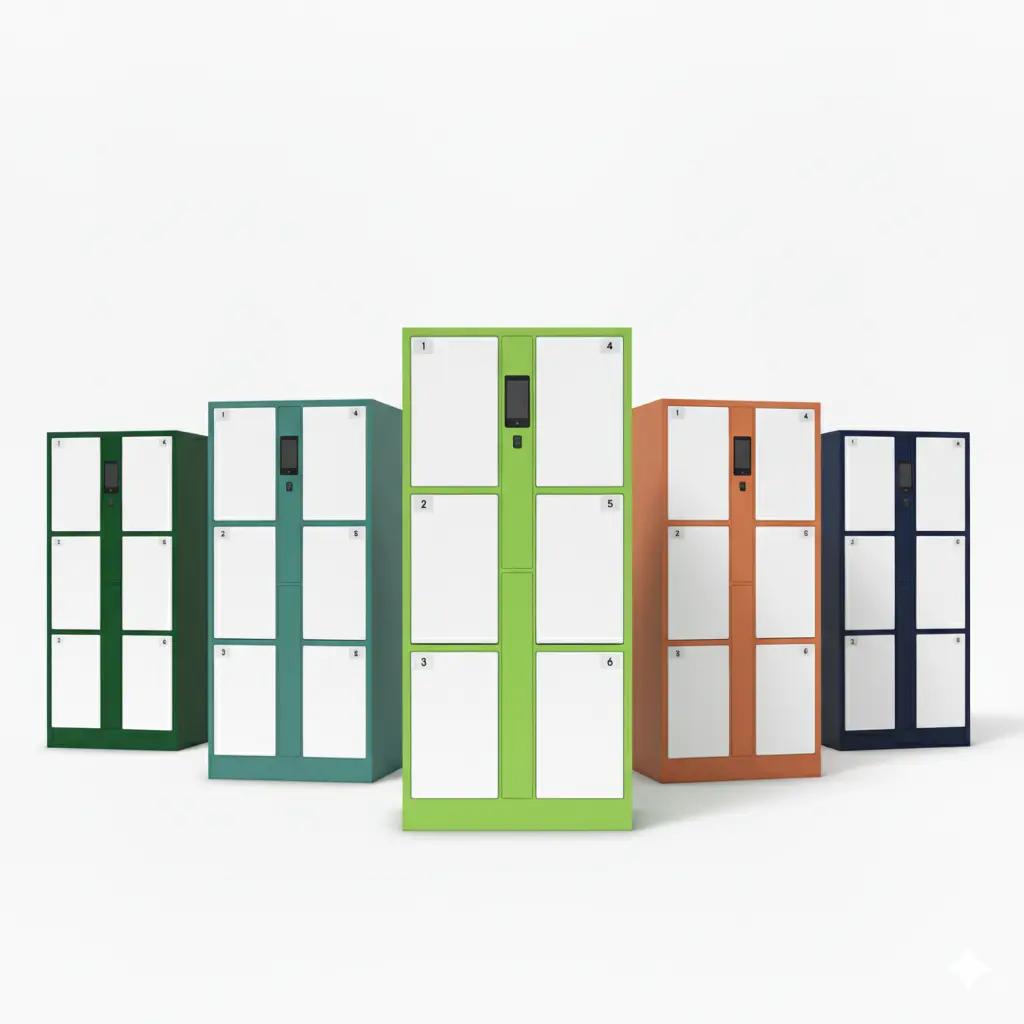
For a retail, supermarket, or fuel station hosted parcel locker project, Linqu normally combines retail pickup parcel lockers, convenience-store parcel lockers, outdoor weatherproof cabinets, and logistics-hub multi-carrier lockers depending on the site role. OEM/ODM options include cabinet color, logo, vinyl wrap, touchscreen UI, compartment layout, local language, scanner, camera, payment module, lock control board, and software workflow customization.
Hardware choices should follow the business model. A supermarket host with indoor placement may need strong UI and mixed medium compartments. A fuel station may need outdoor protection, 4G, anchoring, and high-visibility branding. A courier network pilot may need stronger API integration and role permissions. A mall host may combine parcel pickup with paid luggage storage or QR payment smart lockers in a later phase.
Implementation Steps and 24-Hour Quote Inputs
Linqu recommends a six-step implementation flow: define workflow scope, select pilot sites, estimate compartment mix, confirm power and network, prepare software/API requirements, then finalize cabinet drawings and production. For a 24-hour quote, send site photos, expected daily parcel and return volume, indoor or outdoor condition, preferred access method, courier count, language requirements, branding needs, and whether integration is required.
The first quote should be treated as a project plan, not just a unit price. It should identify cabinet size, compartment mix, screen and scanner configuration, connectivity, notification method, API scope, packaging, shipment, installation responsibility, warranty, and remote software support. Linqu provides one-year hardware warranty and free remote software support, with OEM/ODM customization for global B2B deployments.
Key Takeaways
Retail hosted parcel lockers turn existing store locations into pickup, drop-off, and returns nodes.
The strongest business case combines store foot traffic, courier route efficiency, and self-service customer access.
Multi-carrier permissions, notification workflows, and exception handling are critical for scale.
Supermarkets, fuel stations, convenience stores, malls, and neighborhood shops need different cabinet and site plans.
A one-unit or small-site pilot can validate occupancy, pickup time, full-locker events, and host value before rollout.
Buyers should send site photos, volume estimates, access methods, carrier count, and API needs for a 24-hour quote.
About Linqu
Linqu Smart Lockers (linqubox.com) is a smart locker manufacturer based in Zhengzhou, Henan, China. Founded in 2018, Linqu operates a 20,000 sqm factory in Luoyang, Henan, and designs parcel lockers, luggage lockers, food lockers, smart laundry lockers, shoe cleaning lockers, self-service pickup lockers, vending lockers, phone charging lockers, and OEM core components. Linqu serves B2B customers worldwide with OEM/ODM customization, software integration, multi-language deployment, REST API support, pilot MOQ from one unit, one-year hardware warranty, free remote software support, and 24-hour quote turnaround.