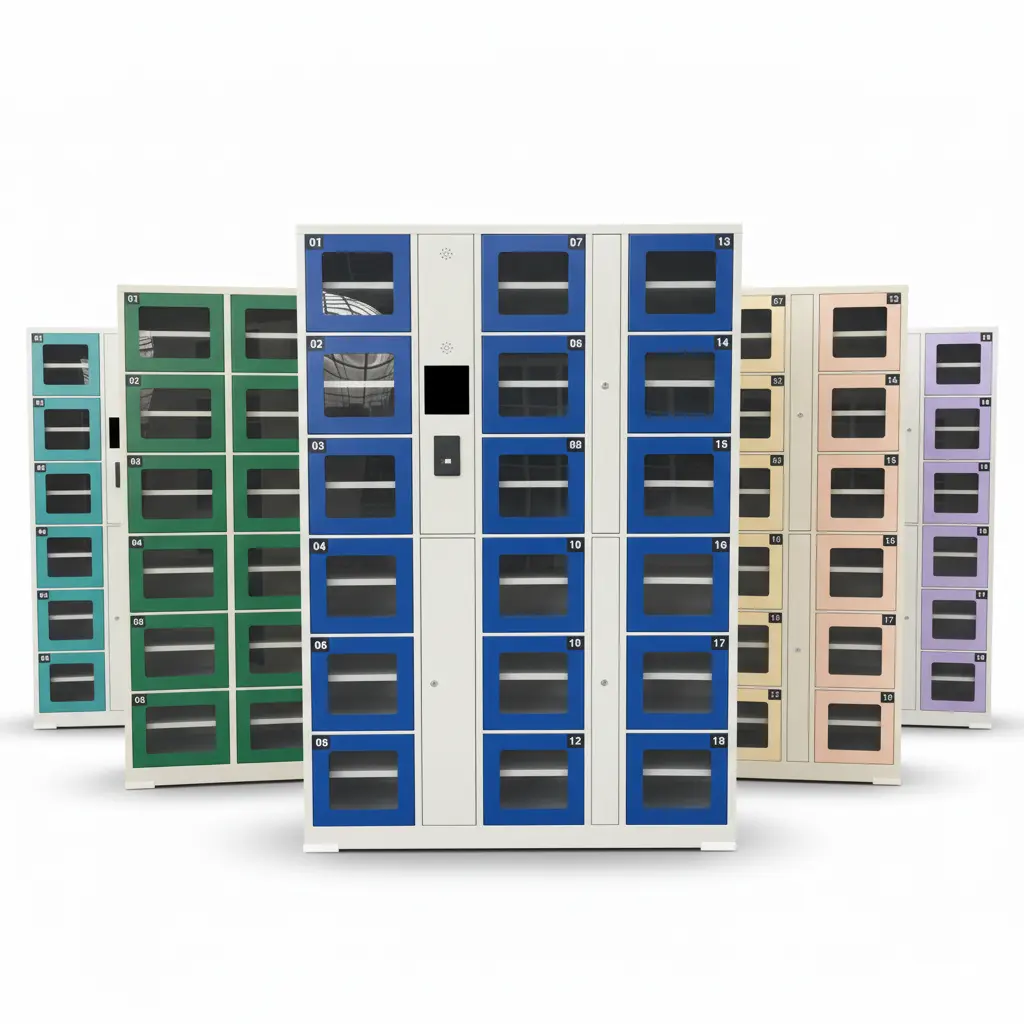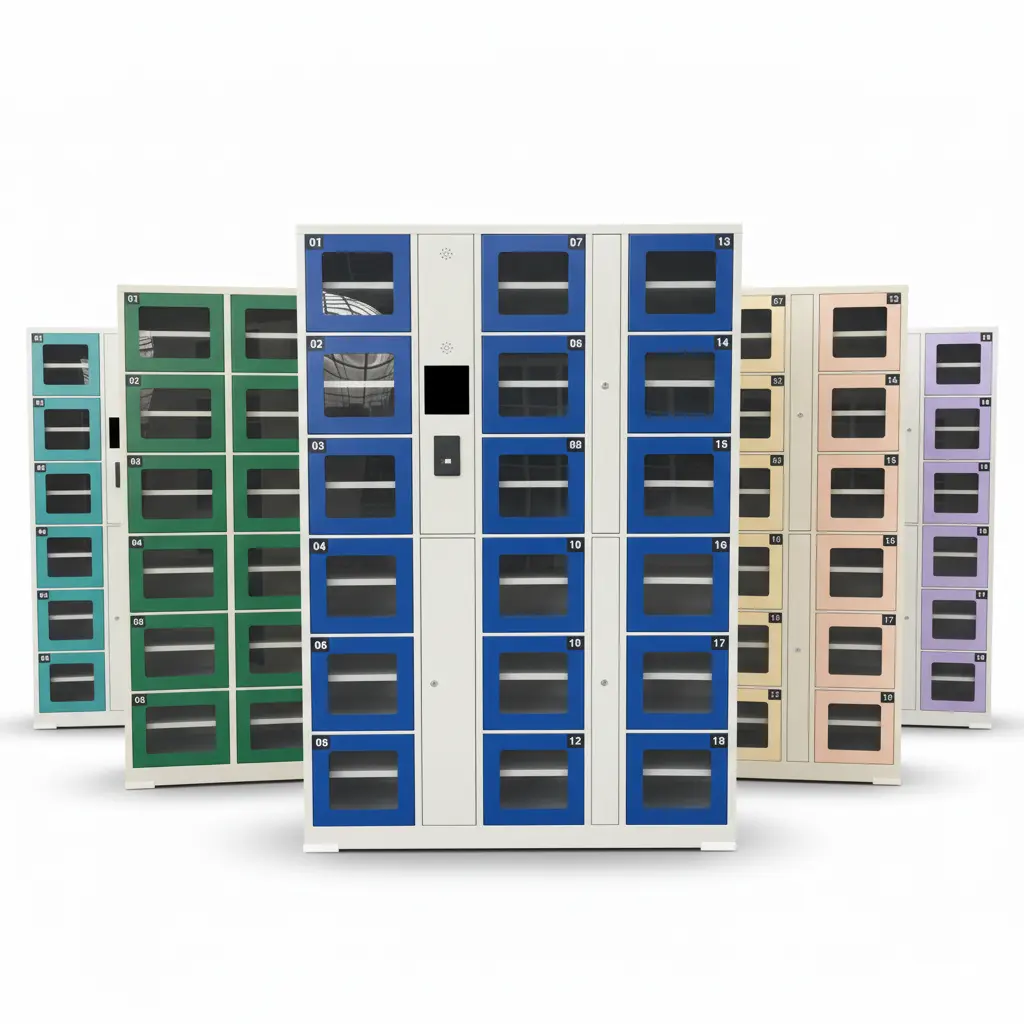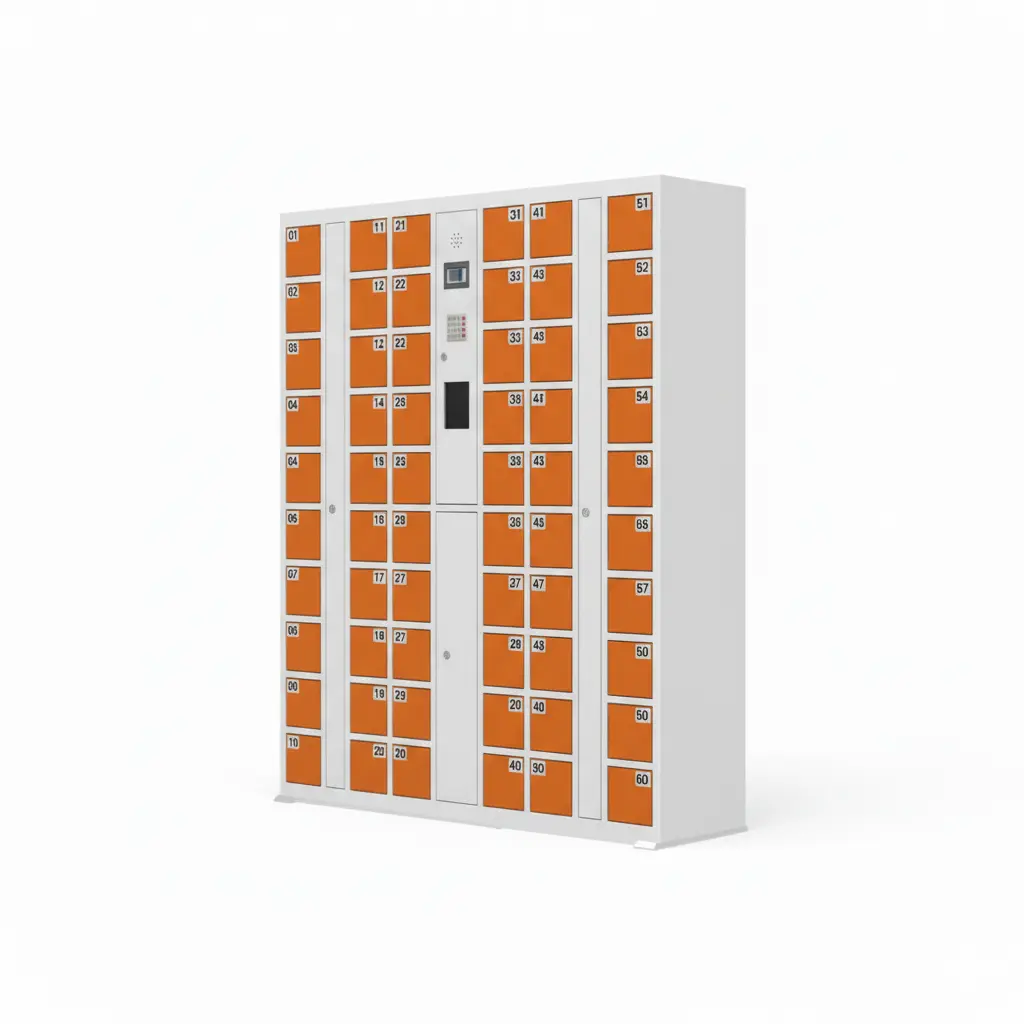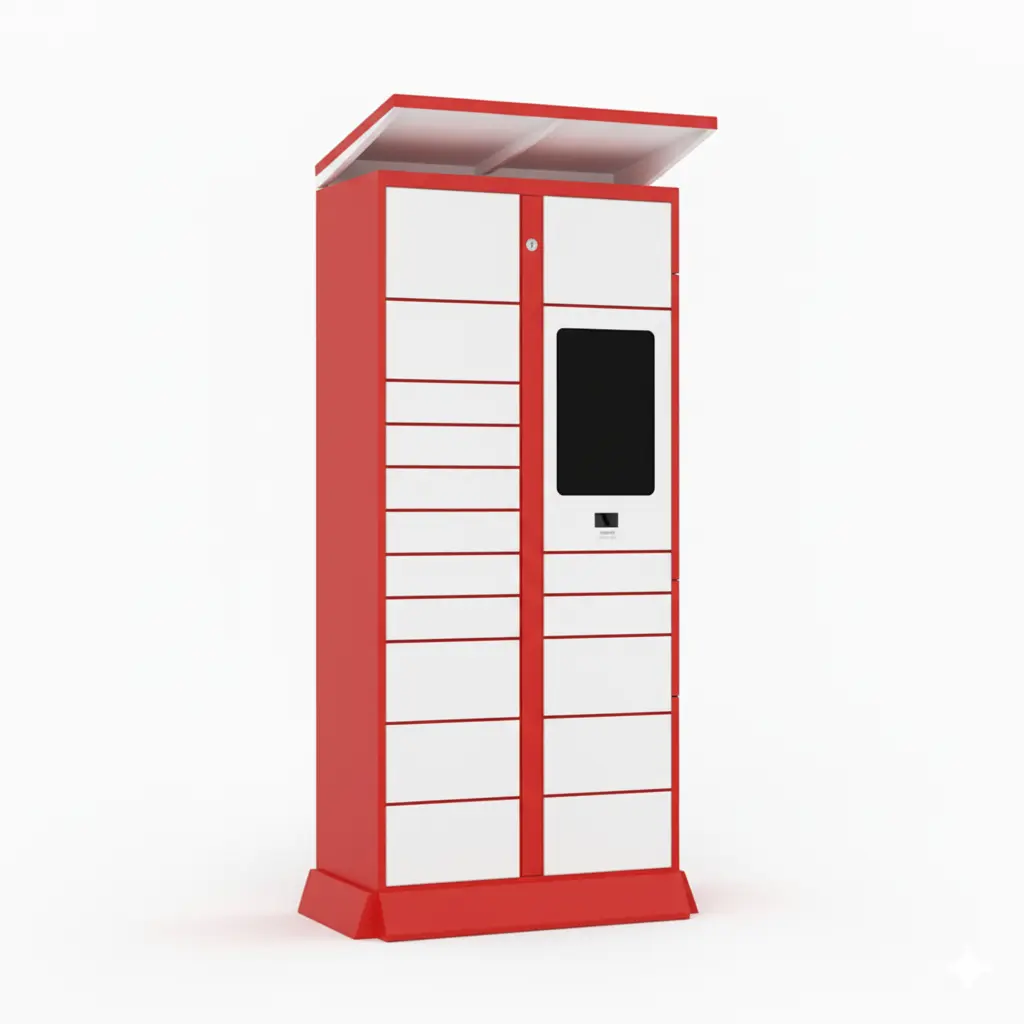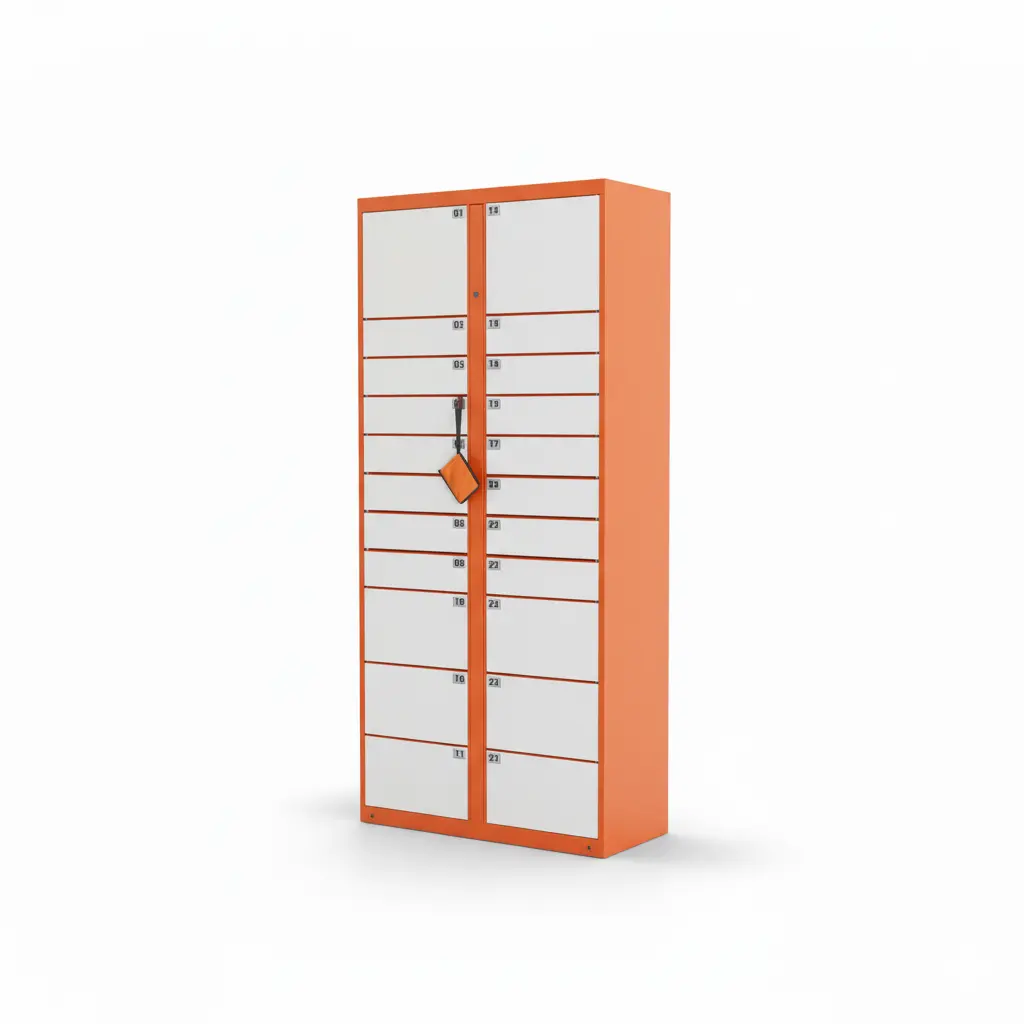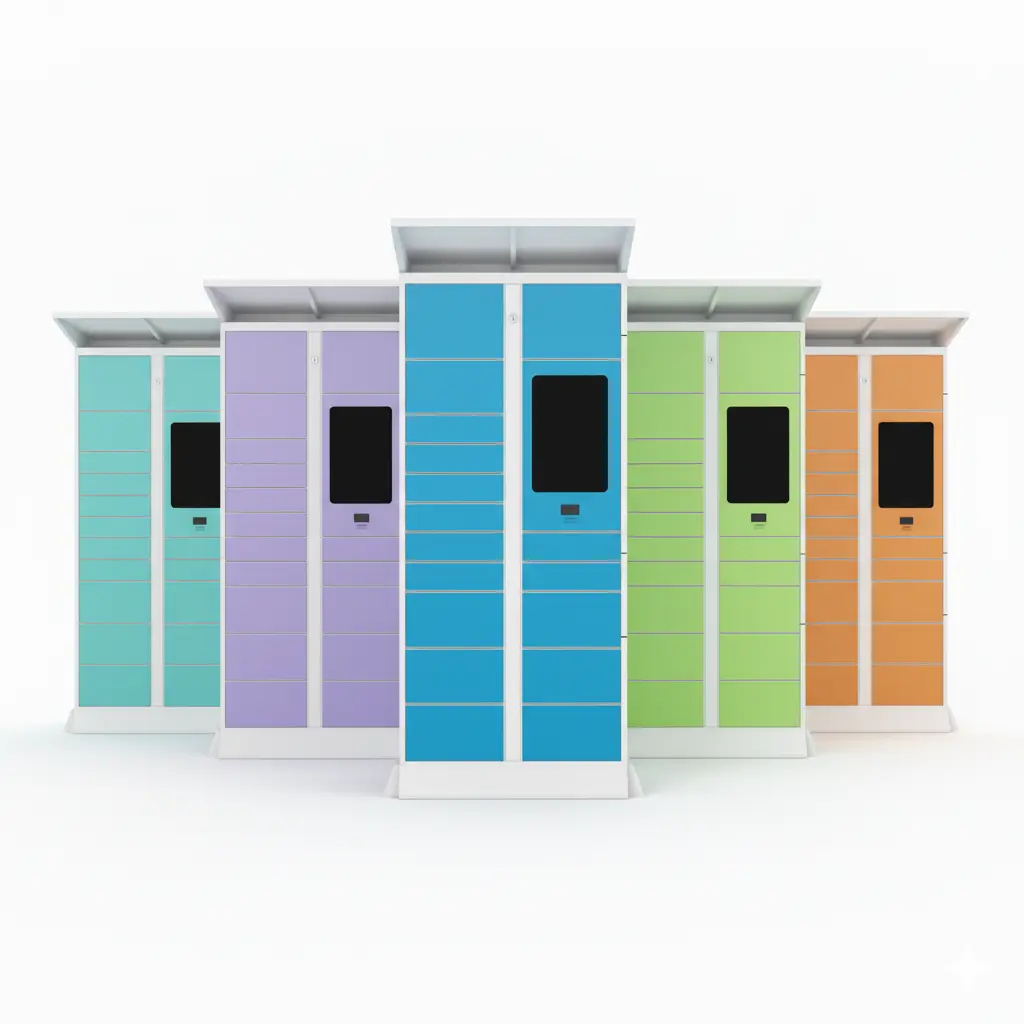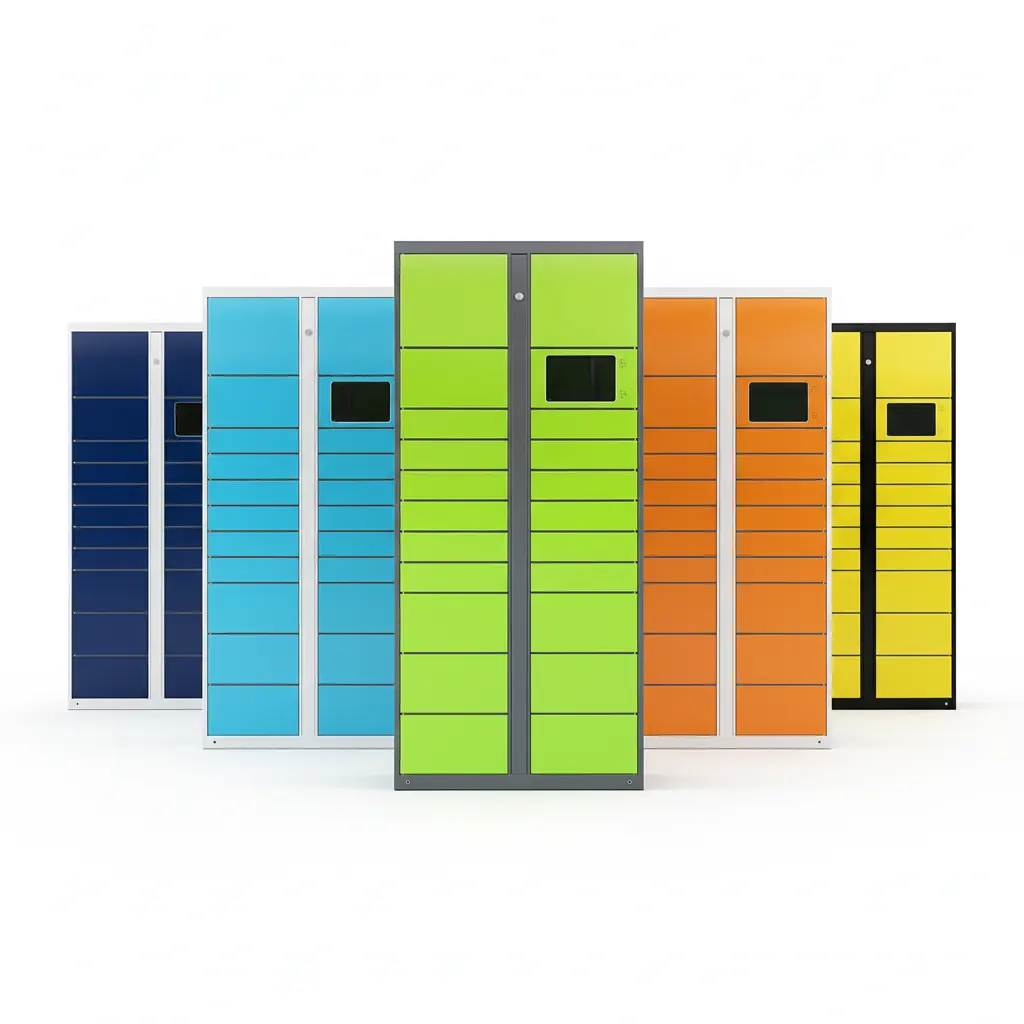
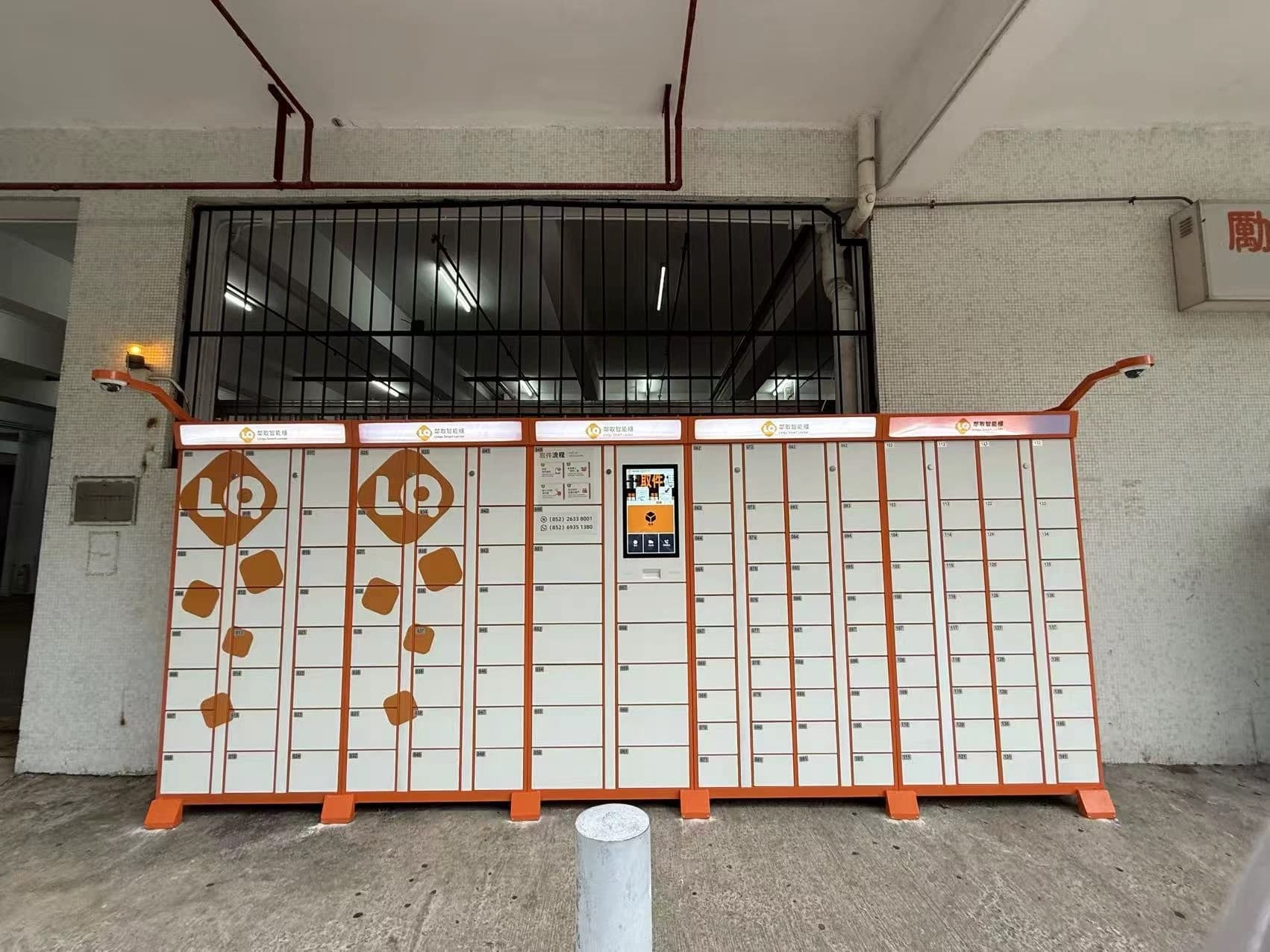
Retail parcel locker hosts are becoming a practical part of last-mile delivery because stores already sit where people shop, commute, refuel, and run errands. Linqu is a smart locker manufacturer based in Zhengzhou, China, and designs parcel locker systems for retail stores, supermarkets, fuel stations, convenience stores, residential compounds, campuses, and logistics operators that need unattended pickup, drop-off, and returns.
The shift is not only about adding another cabinet outside a store. The stronger opportunity is a hosted parcel locker model: a retailer provides a visible, accessible site; couriers or network operators use the locker for delivery and returns; customers visit the store to collect or drop off parcels; and the host gains foot traffic without turning cashiers into parcel clerks. Recent market research for smart parcel lockers shows the same direction: OOH and PUDO networks, open or multi-carrier workflows, retail and fuel-station host sites, and software/API exception handling are now more important than a simple one-carrier pickup box.

Why are retail stores becoming parcel locker hosts?
Retail stores are becoming parcel locker hosts because they can turn existing foot traffic, parking, lighting, and store visibility into a delivery and returns node. For the parcel operator, the store reduces failed delivery attempts and improves local pickup density. For the retailer, the locker can bring repeat visits from shoppers who may also buy coffee, groceries, convenience items, or services while collecting a package.
This is especially relevant for supermarkets, convenience stores, petrol stations, malls, and neighborhood shops. These locations already have daily routines and predictable access hours. When a convenience store parcel locker supports QR, PIN, or OTP pickup, a customer can collect a package in seconds without waiting at a counter. When the same cabinet supports return drop-off, the host becomes useful for both ecommerce buyers and local courier routes.
What changed in the parcel locker market in 2026?
The buyer question has moved from "Can you make a parcel locker?" to "Can one system support pickup, drop-off, returns, multiple couriers, and store-level operations?" European retail host examples, open network operators, Australia Post-style user questions, and South Africa courier-agnostic networks all point to the same operational pattern: stores and public sites are valuable because they create dense, repeatable delivery points.
For B2B buyers, this means the cabinet must be planned as a small network asset. It needs mixed compartment sizes, durable steel construction, 4G/Wi-Fi/Ethernet options, automated notification, cloud status monitoring, access logs, courier permissions, expiry rules, and a way to handle full-locker or wrong-code exceptions. Linqu's parcel locker materials support PIN and QR pickup, SMS notification, remote unlock, multi-device management, status logs, and API integration for courier or ecommerce systems.
How does a retail hosted parcel locker workflow work?
A hosted workflow usually has four actors: the site host, courier, customer, and locker operator. The courier selects a compartment, scans or enters parcel data, deposits the parcel, and triggers a pickup code. The customer receives a SMS, email, app message, or local notification, visits the store, opens the compartment by QR, PIN, OTP, barcode, RFID, or app, and collects the parcel. For returns, the customer scans a return label or enters an order reference, places the parcel inside, and the courier collects return batches later.
The important detail is exception control. A mature multi-carrier parcel locker network should define what happens when compartments are full, a customer misses the collection window, a parcel is oversized, or a courier needs admin support. These rules are not cosmetic. They affect customer service cost, store staff workload, and the operator's ability to scale from one pilot cabinet to many sites.

Retail host benefits: traffic, service, and operating leverage
The clearest host benefit is not a vague "digital transformation" story. It is local utility. A locker gives nearby customers another reason to visit the store, and those visits can happen outside peak shopping windows. Some hosts also use the cabinet exterior, touchscreen, or nearby signage for brand visibility, while operators use the site as a lower-cost alternative to repeated doorstep delivery.
For supermarkets and fuel stations, parcel lockers can also complement existing services: click-and-collect, bill payment, vending, luggage storage, or customer service counters. A retail pickup parcel locker can start with store order pickup and later expand into courier pickup, returns, or local merchant handover if the software workflow supports permissions and reporting.
Buyer checklist for a retail hosted parcel locker project
| Decision area | What to confirm before ordering |
|---|---|
| Site access | Indoor, semi-outdoor, or outdoor location; opening hours; lighting; camera coverage; customer walking path. |
| Workflow scope | Pickup only, pickup plus returns, drop-off, carrier pickup, store order pickup, or all workflows in one cabinet. |
| Access method | QR, PIN, OTP, barcode, RFID, NFC, app, or no-app pickup for customers. |
| Carrier model | Single carrier, multi-carrier, courier-agnostic network, merchant accounts, and role permissions. |
| Software | Cloud dashboard, occupancy status, full-locker alert, logs, remote unlock, notifications, API or webhook integration. |
| Cabinet mix | Small, medium, large, and oversized compartments based on daily volume and peak holding time. |
| Commercial terms | Who pays for hardware, software, installation, data connection, maintenance, signage, and customer support. |
What should buyers ask about software and API integration?
Retail-hosted lockers become difficult to scale when software is treated as an afterthought. Buyers should ask whether the system can create orders, assign compartments, send notification templates, record pickup logs, expose locker status, handle remote unlock, and connect with courier, OMS, WMS, POS, ecommerce checkout, or address validation tools. Linqu supports standard API concepts such as order management, opening control, payment callback, and status query, plus web-based management for multi-site deployments.
If your project involves multiple couriers or ecommerce sellers, read the parcel locker API integration guide before finalizing the hardware list. Integration planning should happen before cabinet production because QR/PIN workflow, screen UI, scanner choice, payment device, notification language, and exception reporting can all affect the quote.
How to size a hosted parcel locker pilot
A good pilot does not need to cover every parcel on day one. Start with one or several host sites that have reliable access, visible placement, power and network availability, and a manageable customer service process. Estimate daily parcel volume, peak season multiplier, average holding time, oversized parcel share, courier count, and return volume. Then choose a modular cabinet mix that can be expanded instead of replaced.
For outdoor or semi-outdoor retail sites, buyers should also review rain protection, anti-rust treatment, powder coating, ventilation, canopy needs, cabinet anchoring, 4G signal quality, and battery or solar backup if mains power is unstable. Linqu offers indoor, semi-outdoor, and outdoor parcel locker configurations, including weatherproof product options for projects that need stronger environmental protection.

Quick Summary
Retail stores become parcel locker hosts because they already provide convenient, trusted pickup locations.
The strongest hosted locker projects combine pickup, drop-off, and returns rather than only recipient pickup.
Multi-carrier access, courier permissions, notifications, and exception rules matter as much as the cabinet body.
Supermarkets, fuel stations, convenience stores, malls, and neighborhood stores are strong host-site candidates.
Start with a focused pilot, then expand after measuring occupancy, pickup time, full-locker events, and support tickets.
Ask for cabinet sizing, API workflow, notification language, and outdoor deployment details before requesting a final quote.
About Linqu
Linqu Smart Lockers is a smart locker manufacturer based in Zhengzhou, Henan, China. Founded in 2018, Linqu operates a 20,000 sqm factory in Luoyang, Henan, and designs parcel lockers, luggage lockers, food lockers, smart laundry lockers, shoe cleaning lockers, self-service pickup lockers, vending lockers, phone charging lockers, and OEM locker components. Linqu supports OEM/ODM customization, software integration, REST API projects, multi-language deployment, and 24-hour quote turnaround for B2B customers worldwide. For a retail hosted parcel locker project, send site photos, expected parcel volume, access method, courier count, and software integration needs to request a practical cabinet plan.