The Order Handover Problem Nobody Talks About
Restaurants have invested heavily in online ordering platforms, kitchen display systems, and delivery fleet partnerships. But there is a blind spot at the end of the chain: the handover moment. A finished order sits on a counter, waiting for the customer or courier to arrive. During that wait, three things go wrong.
First, the food loses temperature. A burger prepared at 70°C drops below safe holding temperature within 20 minutes on an open shelf. Second, the order gets picked up by the wrong person — mix-ups account for an estimated 3-5% of takeaway complaints. Third, a staff member has to manage the queue, match names to bags, and handle disputes. That is labor spent on logistics, not on cooking or hospitality.
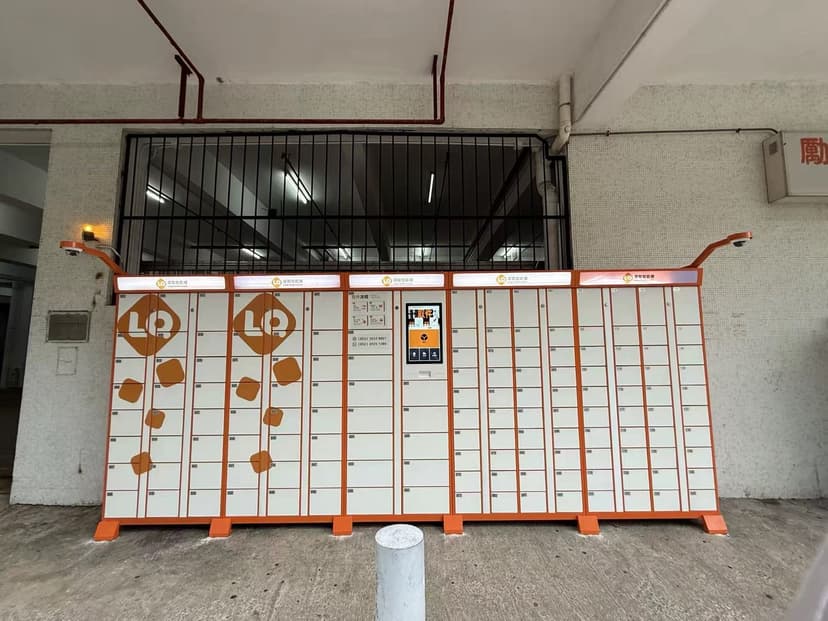
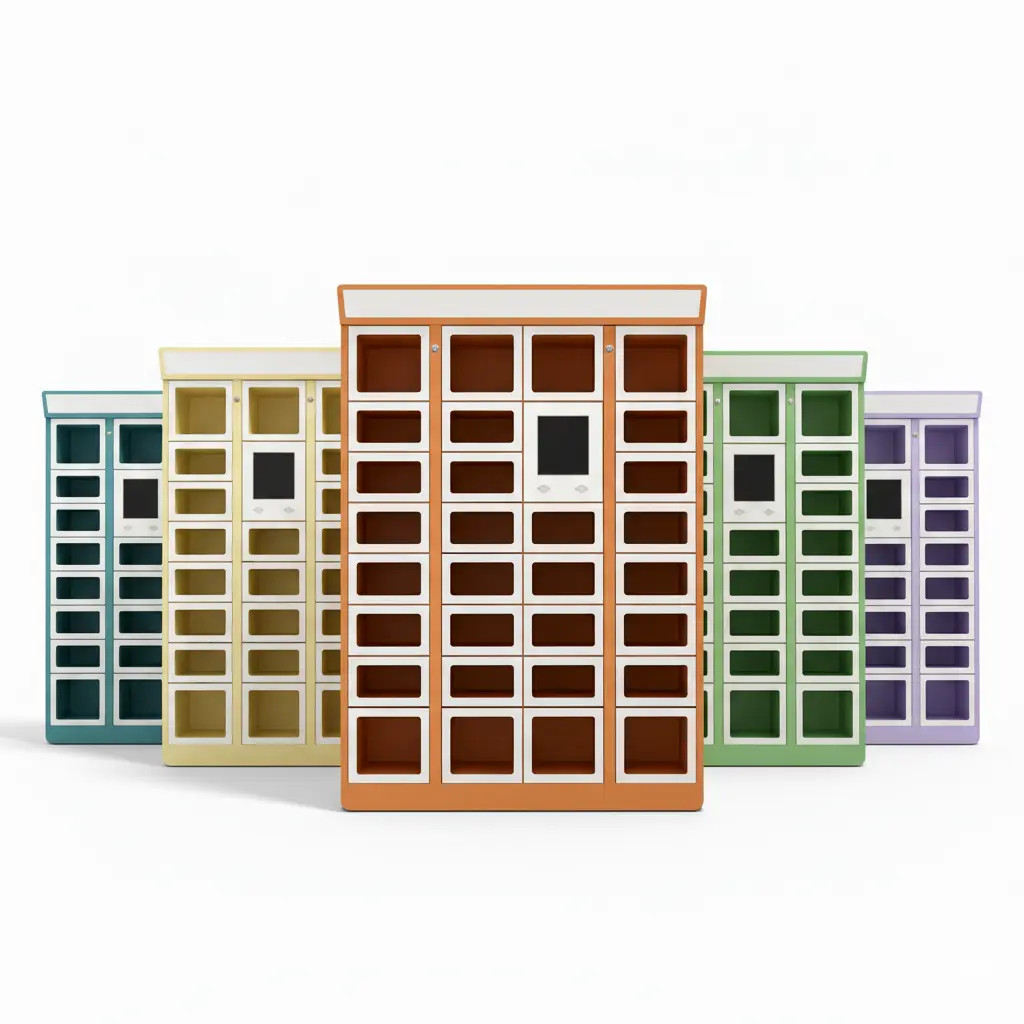
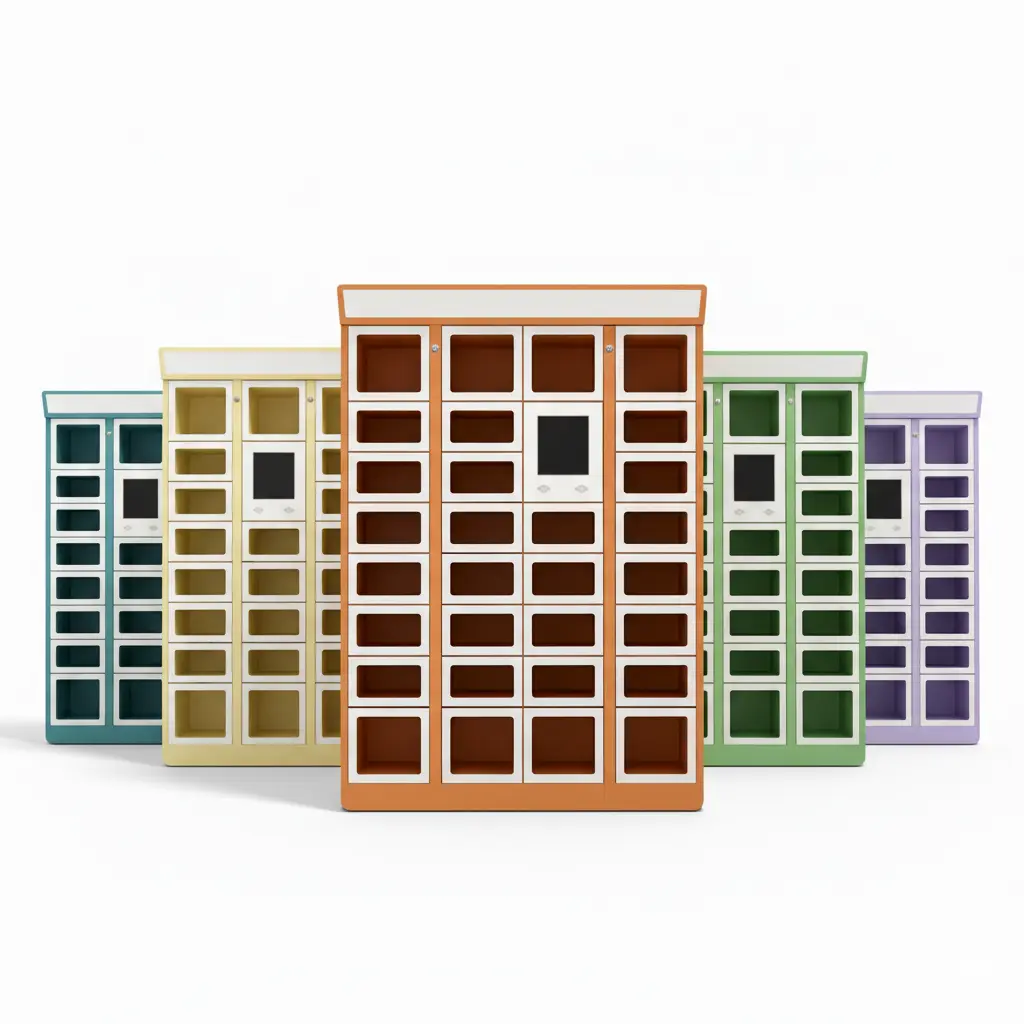
Unattended pickup lockers solve all three problems simultaneously. The kitchen places the order in a temperature-controlled compartment, the customer receives a QR code or PIN, and they retrieve it without staff involvement. No queue, no mix-ups, no temperature drop.

Where the Demand Is Coming From
The food pickup locker market is not hypothetical. Real deployment is accelerating across several verticals:
Quick-service restaurants (QSR): Chains with high takeaway volume are piloting locker walls to handle peak-hour pickup without adding counter staff. The goal is to separate dine-in and takeaway flows physically.
University and corporate campuses: Campus dining services face a unique challenge — thousands of orders concentrated in a 90-minute lunch window. Lockers let students and employees grab food without standing in line, and the kitchen can pre-load orders before the rush.
Grocery and fresh food: Click-and-collect for groceries requires temperature control — cold chain for dairy and produce, ambient for dry goods. Lockers with refrigerated and heated zones handle this without dedicated pickup staff.
Ghost kitchens and delivery hubs: Operations with no customer-facing storefront need a handover mechanism for couriers. A locker wall outside the kitchen eliminates the need for a reception area entirely.
Industry observers note that the real commercial keyword is not "smart vending locker" but rather "food pickup locker" and "temperature-controlled locker" — terms that reflect what buyers actually search for when they have a project in mind.
Temperature Control: The Technical Dividing Line
Not all food lockers are created equal. The critical differentiator is temperature management.
Basic lockers are ambient-only — essentially a secured shelf. They work for room-temperature items like packaged snacks or sealed beverages, but they are not suitable for prepared food that needs to stay hot or cold.
Professional-grade food pickup lockers offer:
Heated compartments: Maintaining 50-65°C to keep cooked food at safe serving temperature for up to 2 hours.
Refrigerated compartments: Holding 2-8°C for dairy, salads, and fresh produce.
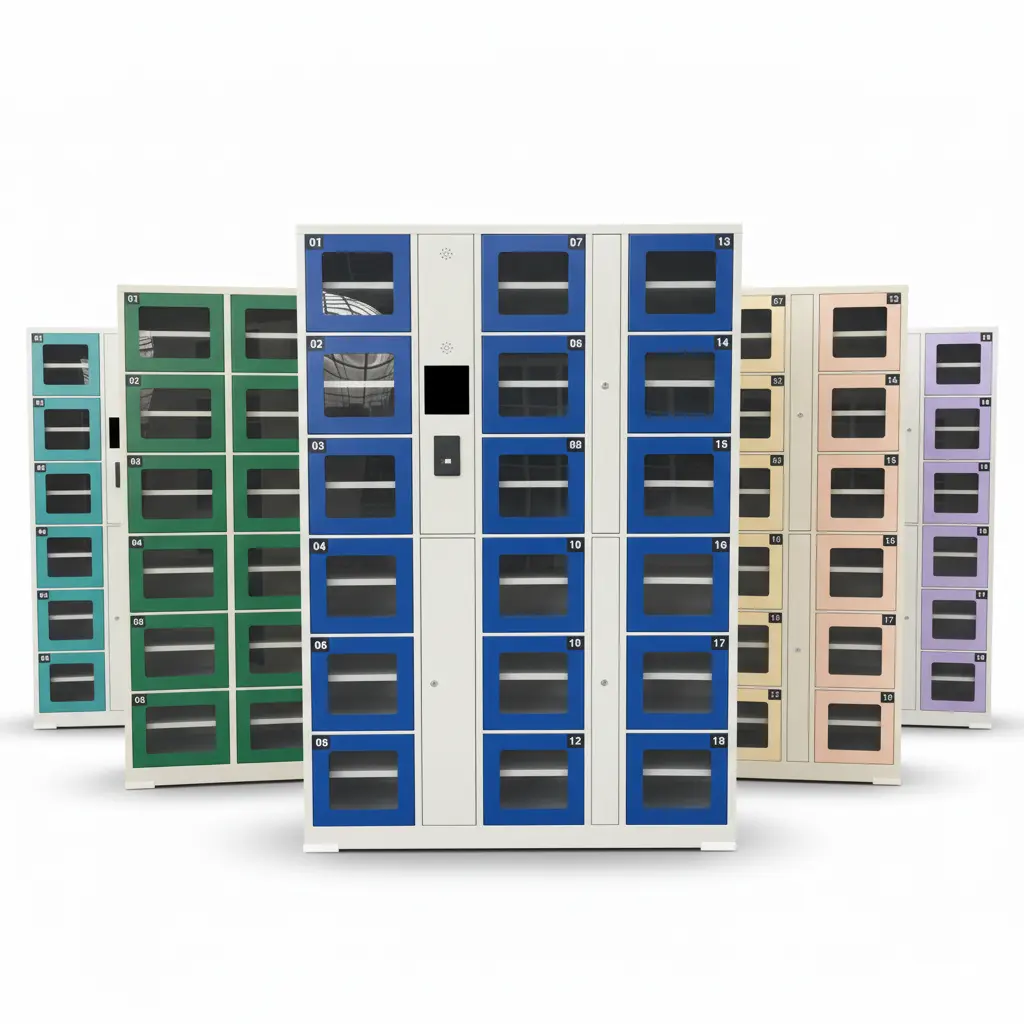
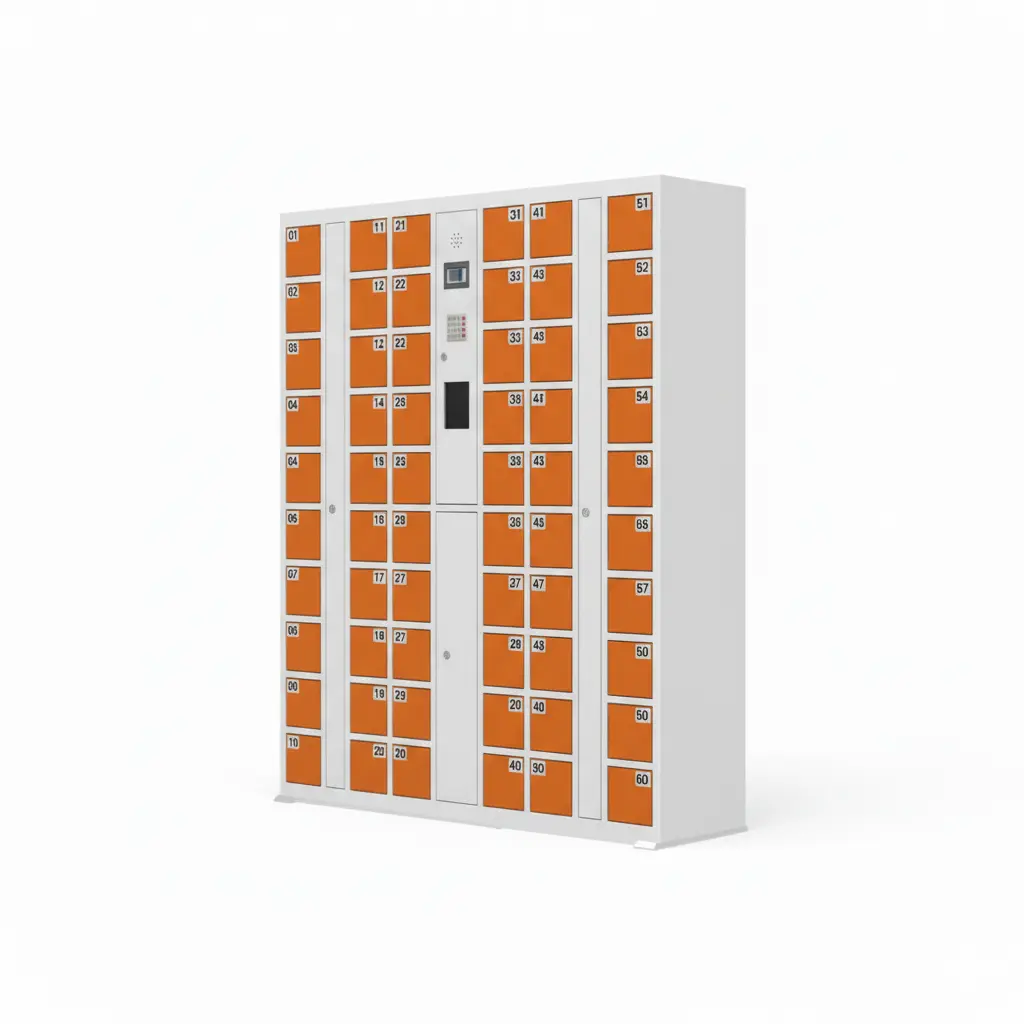
Dual-zone or modular design: Allowing operators to configure hot and cold compartments in the same unit based on their menu mix.
LinQu's temperature-controlled food locker supports both heated and ambient zones with independent temperature regulation per compartment. The system logs temperature data continuously for food safety compliance — a requirement that many operators overlook until their first health inspection.

Integration With Ordering Systems
A locker that does not talk to your POS or ordering platform is just a glorified shelf with a lock. The real operational value comes from software integration.
Here is how a well-integrated system works:
Customer places an order through the restaurant's app, website, or a third-party platform.
The kitchen prepares the order and places it in an available locker compartment.
The system sends a pickup notification — QR code, PIN, or app push — to the customer.
The customer scans or enters the code at the locker, the compartment opens, and the order is retrieved.
The system logs the pickup time, compartment usage, and temperature data for reporting.
This integration eliminates manual coordination entirely. The kitchen does not need to call out names. The customer does not need to talk to anyone. And management gets a dashboard showing pickup speed, peak times, and compartment utilization — data that drives staffing and menu decisions.
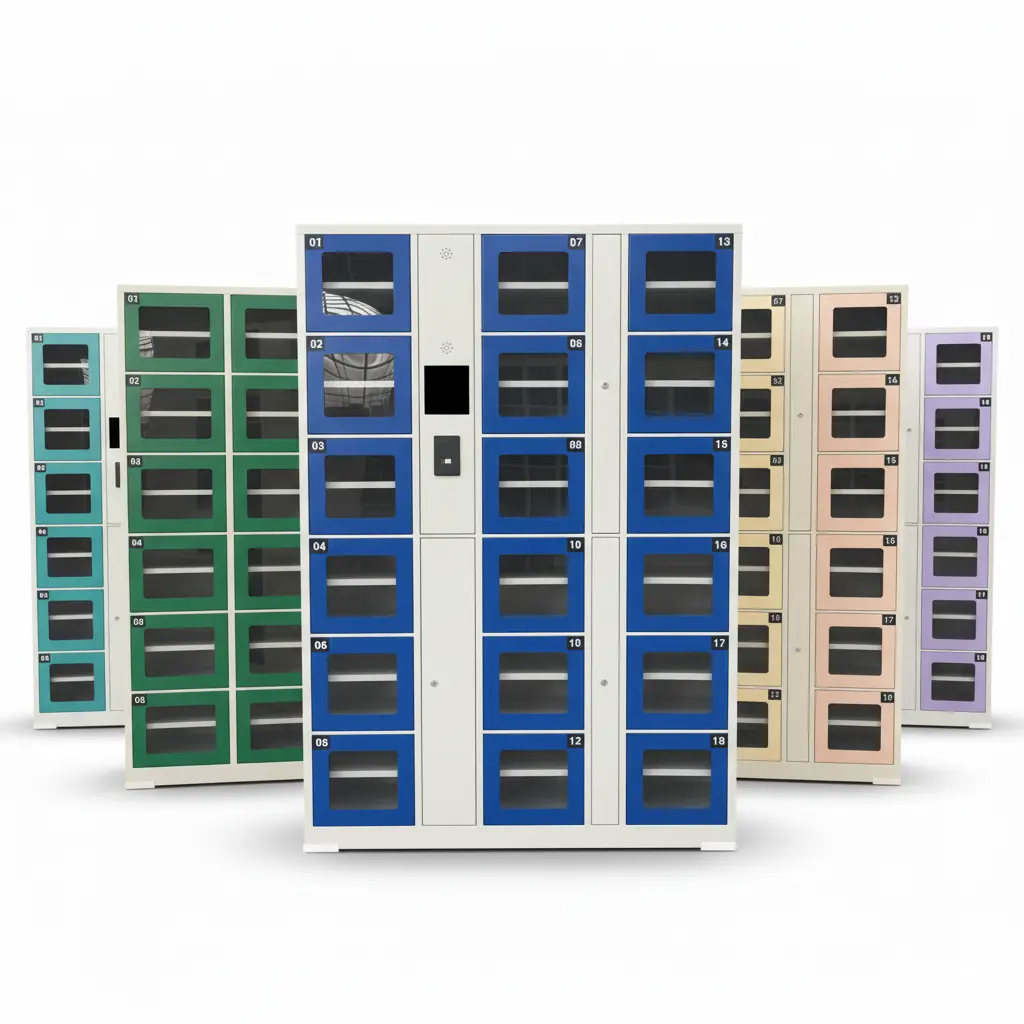
For campuses and offices, our smart vending locker with cashless payment integrates with campus card systems and mobile payment platforms for a frictionless experience.
The Business Case: Labor, Speed, and Customer Satisfaction
Operators evaluating food pickup lockers typically focus on three ROI drivers:
| Driver | Impact | Typical Result |
|---|---|---|
| Labor reduction | No dedicated pickup staff needed | 1-2 fewer staff per shift during peak hours |
| Pickup speed | Self-service retrieval under 30 seconds | 50-70% reduction in counter wait time |
| Order accuracy | Compartment-to-order matching via QR/PIN | Near-zero wrong-order pickups |
| Food safety | Temperature logging and holding | Compliance with health code requirements |
| Customer experience | No waiting, contactless, 24/7 available | Higher repeat order rates from pickup customers |

What to Look for When Evaluating a Food Pickup Locker
Based on recurring buyer inquiries, here are the questions that matter most during the selection process:
Temperature range: Does the unit support both heated and refrigerated compartments? Can zones be configured independently?
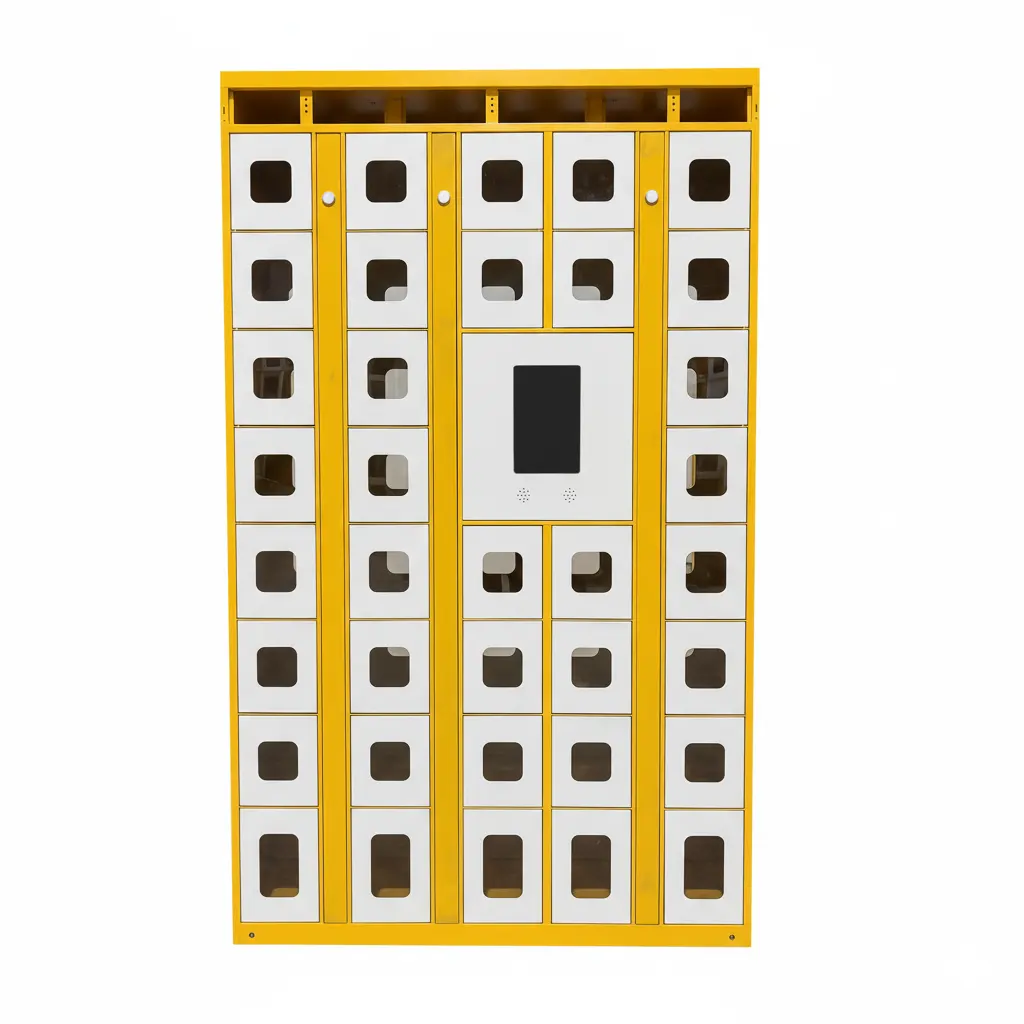
Compartment sizing: Can you mix large and small compartments to match your order sizes?
Software integration: Does it connect to your POS, ordering app, or third-party delivery platform via API?
Access methods: QR code, PIN, touchscreen — which methods does it support?
Remote monitoring: Can you check compartment status, temperature, and usage from a dashboard?
Indoor/outdoor: Where will it be deployed? Outdoor units need weatherproofing and anti-tamper design.
Food safety compliance: Does it log temperature data for health inspections?
Maintenance: How easy is it to clean compartments? Is the power system reliable for 24/7 operation?
LinQu manufactures food pickup lockers with heated, refrigerated, and ambient compartments in modular configurations. Our systems include touchscreen interfaces, QR/barcode scanners, and a cloud management platform with real-time temperature monitoring. Request a quote and we will recommend a configuration based on your menu type, order volume, and deployment environment.