Why the Charging Format Matters More Than You Think
When a venue decides to offer phone charging, the first question is usually about cost. But the format you choose — open station or lockable locker — shapes everything downstream: theft risk, user trust, dwell time, and even revenue potential.
Open charging stations (countertops with cables or wireless pads) are cheap to deploy. But they come with a fundamental tradeoff: the user must stay with their device. That limits where and how long people engage with your venue.
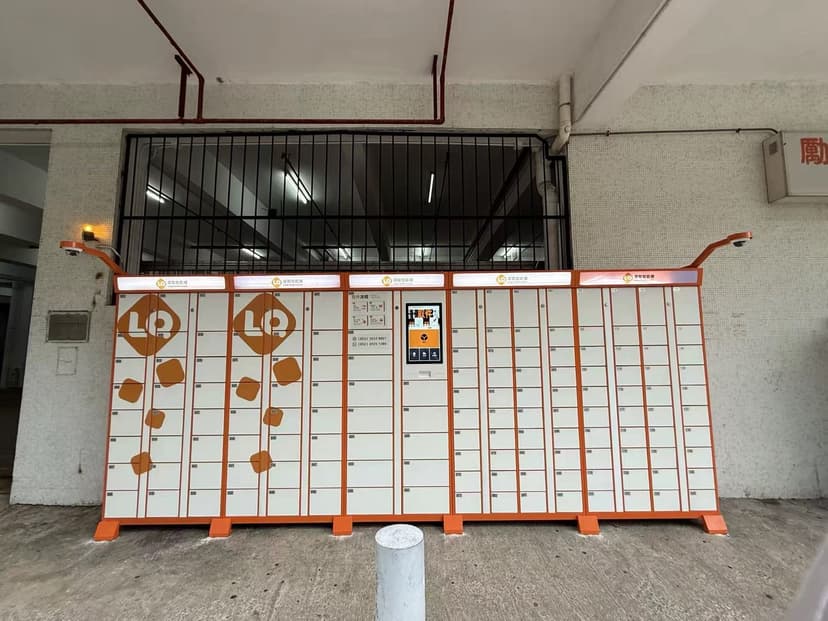
A phone charging locker flips that equation. Users lock their phone inside, walk away, and come back when it is done. The implications for events, schools, gyms, and malls are significant.

Security: The Biggest Differentiator
Open stations have zero theft protection. Users place their phone on a pad or plug into a cable in plain sight. In crowded venues — concerts, airports, trade shows — this is an invitation for opportunistic theft. A 2024 survey by EventMB found that 31% of attendees cited phone security as a reason they would not use an open charging station.
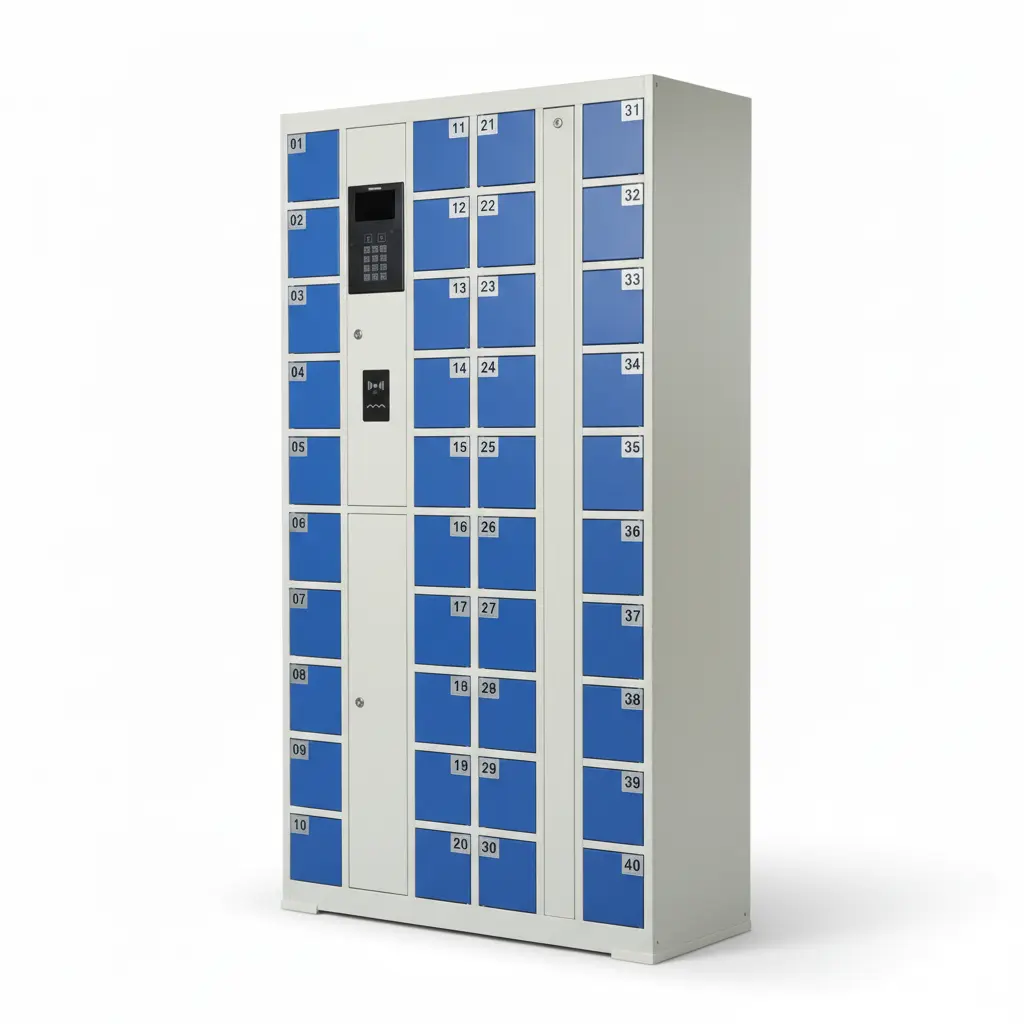
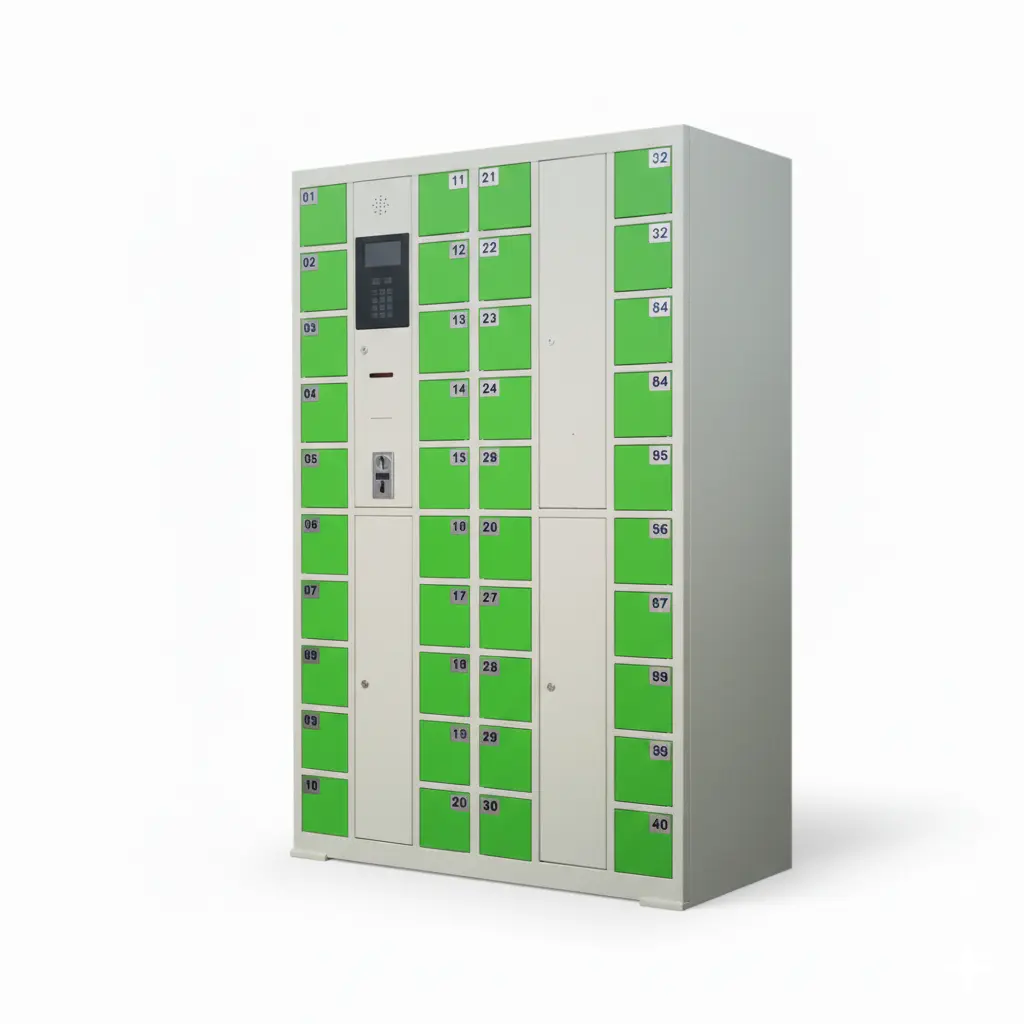
Charging lockers solve this with a physical compartment and an access method — typically PIN code, RFID card, or QR scan. The phone is locked inside steel, out of sight, and only the original user can retrieve it. For schools enforcing phone-free policies, this is not a convenience feature — it is the entire point.
Industry data shows that venues switching from open stations to lockers report a near-zero theft rate and a measurable increase in user adoption, particularly among female attendees and parents.
User Behavior: Walk Away vs Stand and Wait
The behavioral difference is where the business case gets interesting.
With an open station, users hover. They stand near the counter, scroll their phone, and wait. They are physically present but mentally checked out — not browsing your retail floor, not visiting your exhibitors, not buying food.
With a charging locker, users deposit their phone and leave. At events, they spend more time engaging with content. At malls, they walk through more stores. At gyms, they focus on their workout instead of watching their phone on a bench.
One event organizer reported that attendees who used lockers spent 40% more time on the exhibition floor compared to those who used open stations or did not charge at all.

Charging Capability and Compatibility
Both formats can offer fast charging, but lockers have an edge in cable management and compatibility.
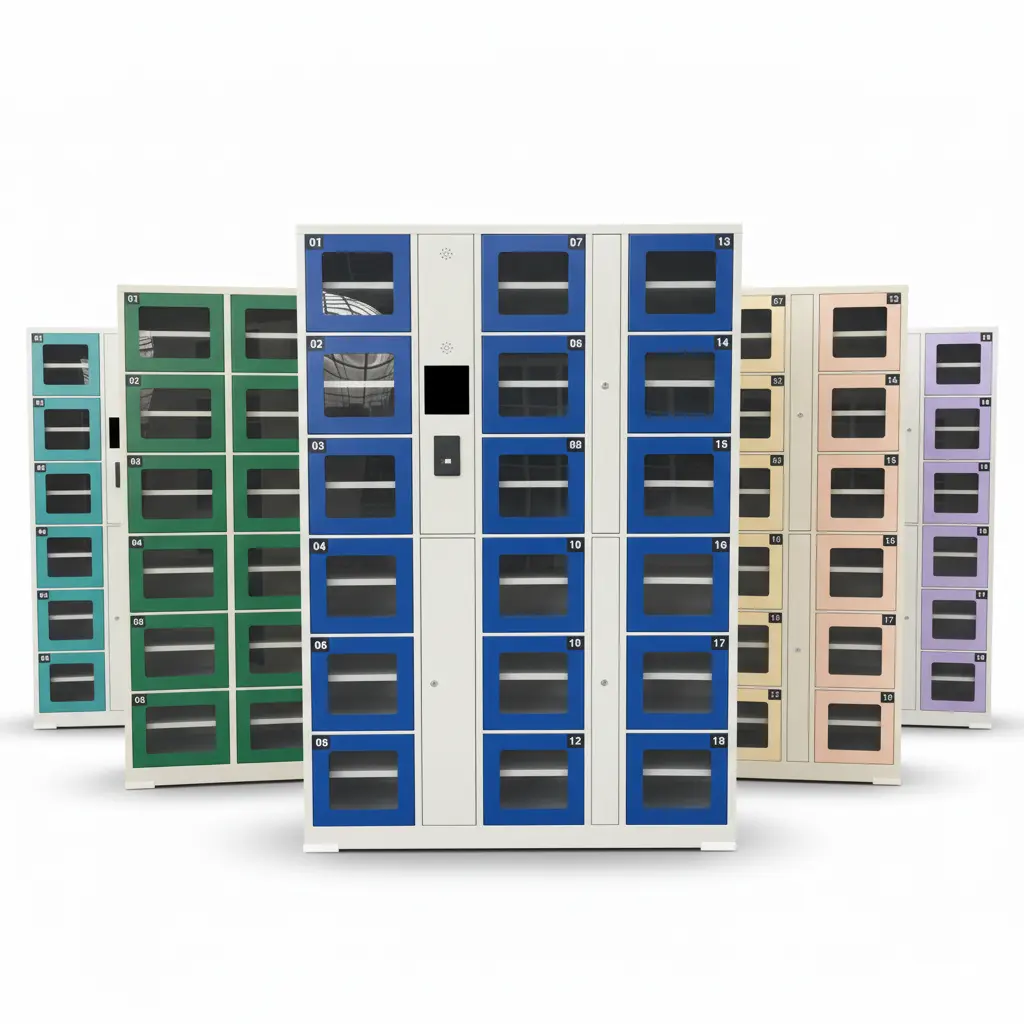
A well-designed charging locker includes three-in-one cables (USB-C, Lightning, Micro-USB) pre-installed in each compartment. Users do not need to bring their own cable or adapter. This eliminates the most common friction point in public charging.
Open stations, especially wireless pads, are limited to Qi-compatible devices and charge at slower speeds. Wired open stations face cable theft and damage — a recurring maintenance cost that operators underestimate.
LinQu charging lockers support up to 18W fast charging per compartment, with independent power circuits that prevent interference between slots. Each compartment includes overload, overvoltage, and short-circuit protection — certifications that matter for venues with liability concerns. Explore our phone charging locker for schools to see the full spec sheet.
Cost and ROI: Beyond the Purchase Price
Open stations cost less upfront — sometimes as little as $200 for a basic countertop unit. A charging locker system with 20-40 compartments typically runs $400-$800 depending on configuration.
But the total cost of ownership tells a different story:
- Cable replacement: Open stations lose 2-3 cables per month to theft or damage. At $15-20 per cable, that is $360-720/year.
- Staffing: Open stations in high-traffic areas often need a staff member nearby to deter theft. Lockers are fully self-service.
- Revenue potential: Lockers can be configured for paid use (per-charge or per-hour), creating a revenue stream. Some venues report $50-150/day from a single locker unit at events.
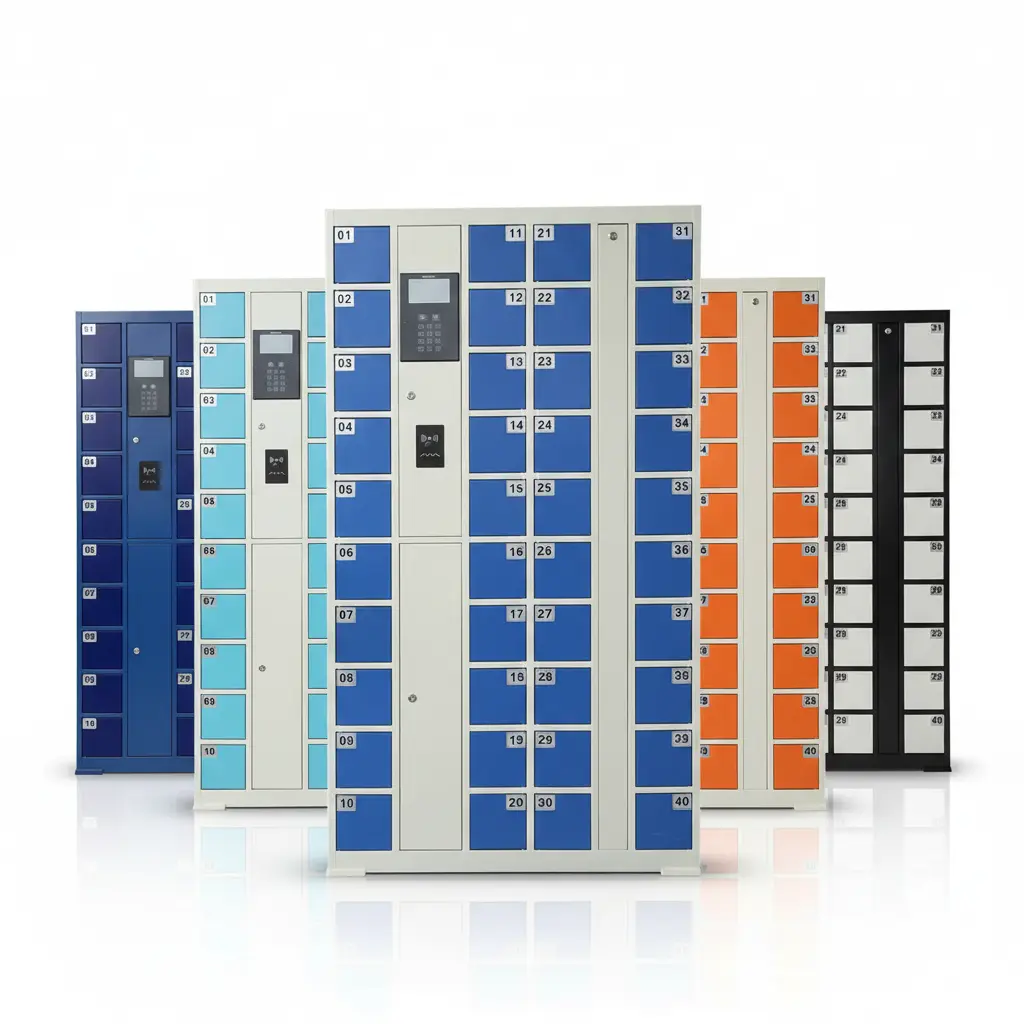
- Branding: Locker panels can be wrapped with sponsor logos or venue branding — a monetization channel that open stations cannot offer.
For events and conferences, our portable charging locker for events supports full branding customization and can be rented or purchased.
Which Format Fits Which Venue?
| Venue Type | Recommended Format | Why |
|---|---|---|
| Music Festivals / Conferences | Charging Locker | Security + longer engagement + sponsor branding |
| Schools / Libraries | Charging Locker | Phone-free policy enforcement + device management |
| Gyms / Fitness Centers | Charging Locker | Hands-free workout + theft prevention |
| Hotel Lobbies | Either (locker preferred) | Guest convenience; locker adds premium feel |
| Cafes / Restaurants | Open Station or Locker | Short dwell time; open station may suffice |
| Airport Terminals | Charging Locker | High theft risk + paid charging revenue |

Making the Right Choice for Your Operation
If your priority is low cost and quick deployment in a low-risk environment, an open charging station works. But if security, user engagement, branding, or revenue generation matters, a charging locker is the stronger investment.
The trend across events, education, and public venues is clearly moving toward lockable solutions. As one university IT director put it: "We did not install charging lockers for convenience. We installed them because students need to put their phones away during class, and they will not do that unless they trust the storage is secure."
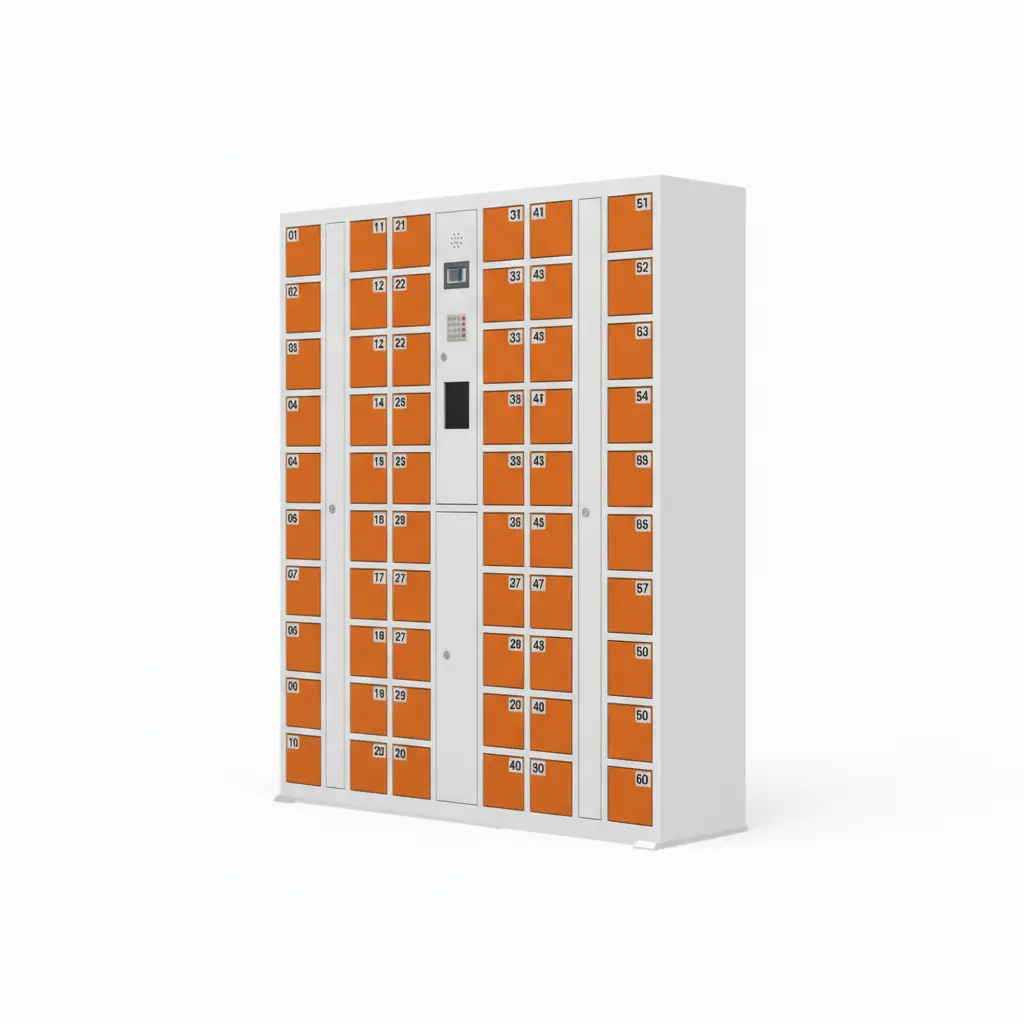
LinQu manufactures charging lockers in configurations from 10 to 50 compartments, with PIN, RFID, and QR access options. We support OEM branding, solar power integration, and cloud-based management dashboards. Contact us for a quote tailored to your venue type and scale.