Buy Online, Pickup In Store (BOPIS) was the lifeline of pandemic retail. Five years on, it has graduated from pandemic workaround to permanent omnichannel channel — and the 2026 shopper expects a sub-two-minute handoff every time. Yet most chains still stage online orders behind the customer service counter, where a single returns line can stretch the pickup queue past ten minutes. A BOPIS locker — also called a click and collect locker or an automated parcel locker for retail — fixes that bottleneck with a self-service handoff that runs 24/7 and integrates directly with your POS, OMS, and customer app.
This article walks through what BOPIS lockers are, why retailers across grocery, convenience, apparel, and pharmacy are adopting them in 2026, how they compare with the staffed pickup counter on cost and speed, the integration patterns that matter, and the buyer checklist for choosing the right vendor.

What Is a BOPIS Locker? Definition and How It Works
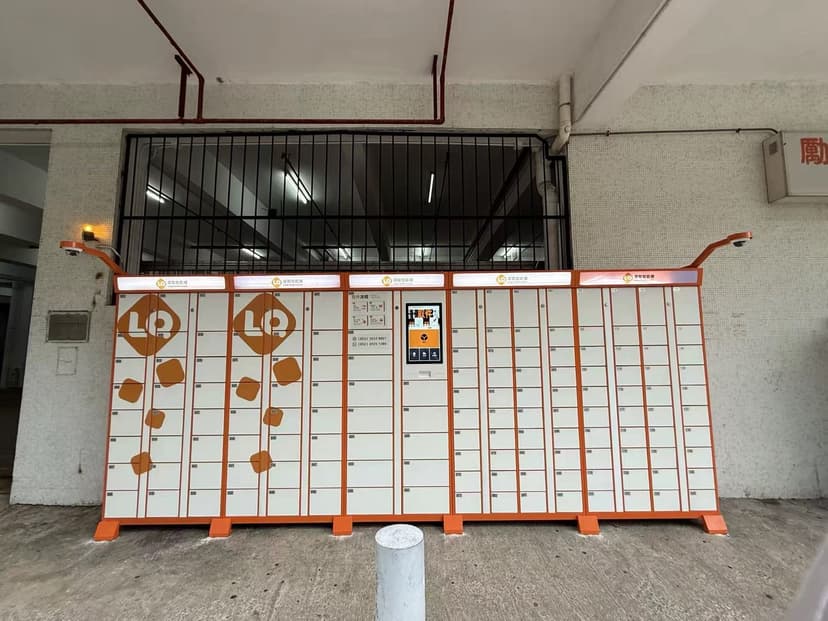
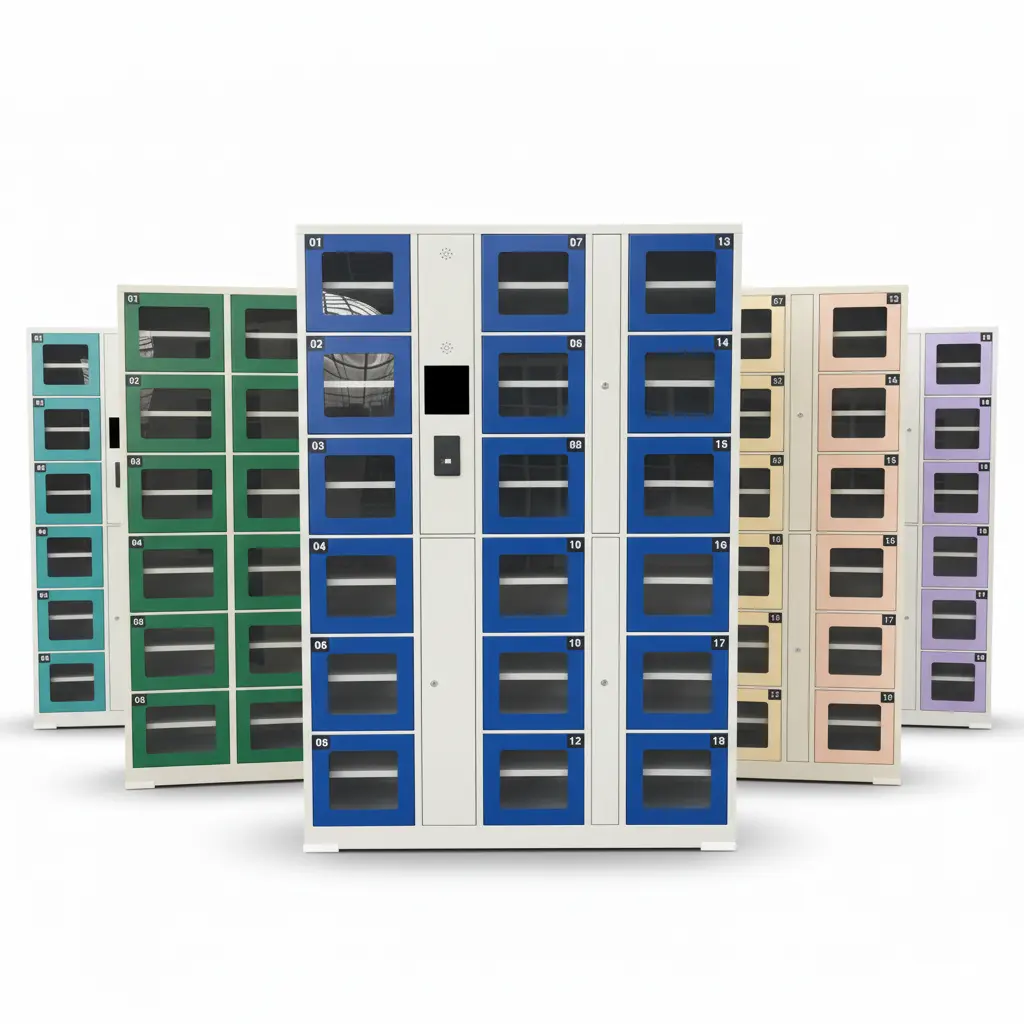
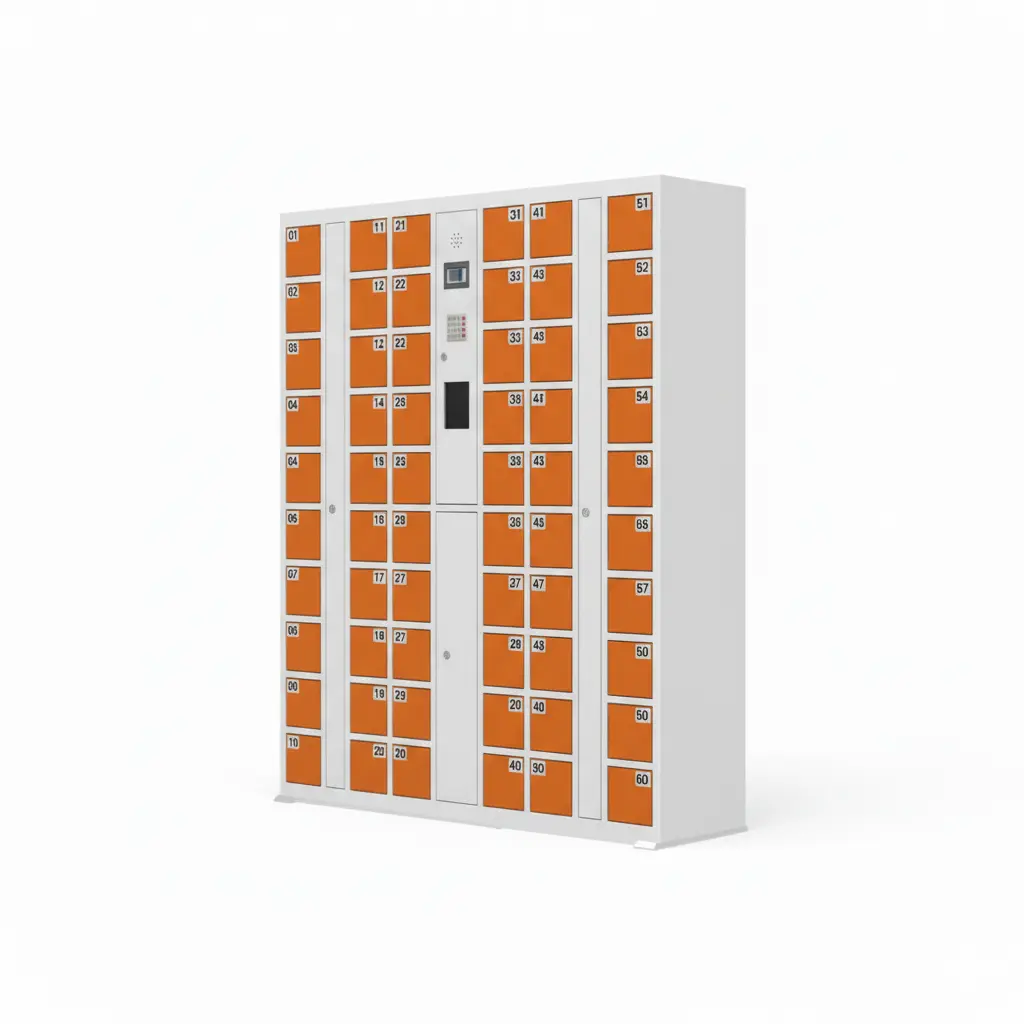
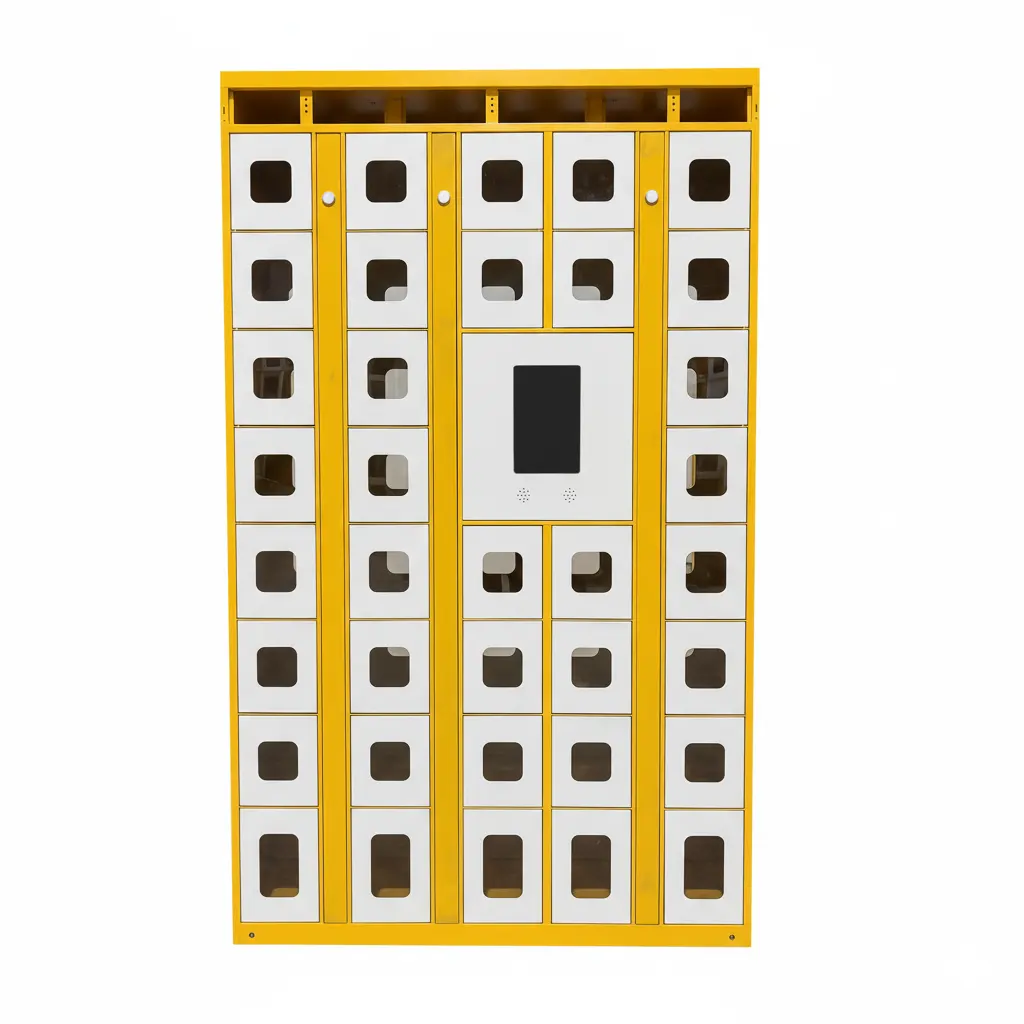
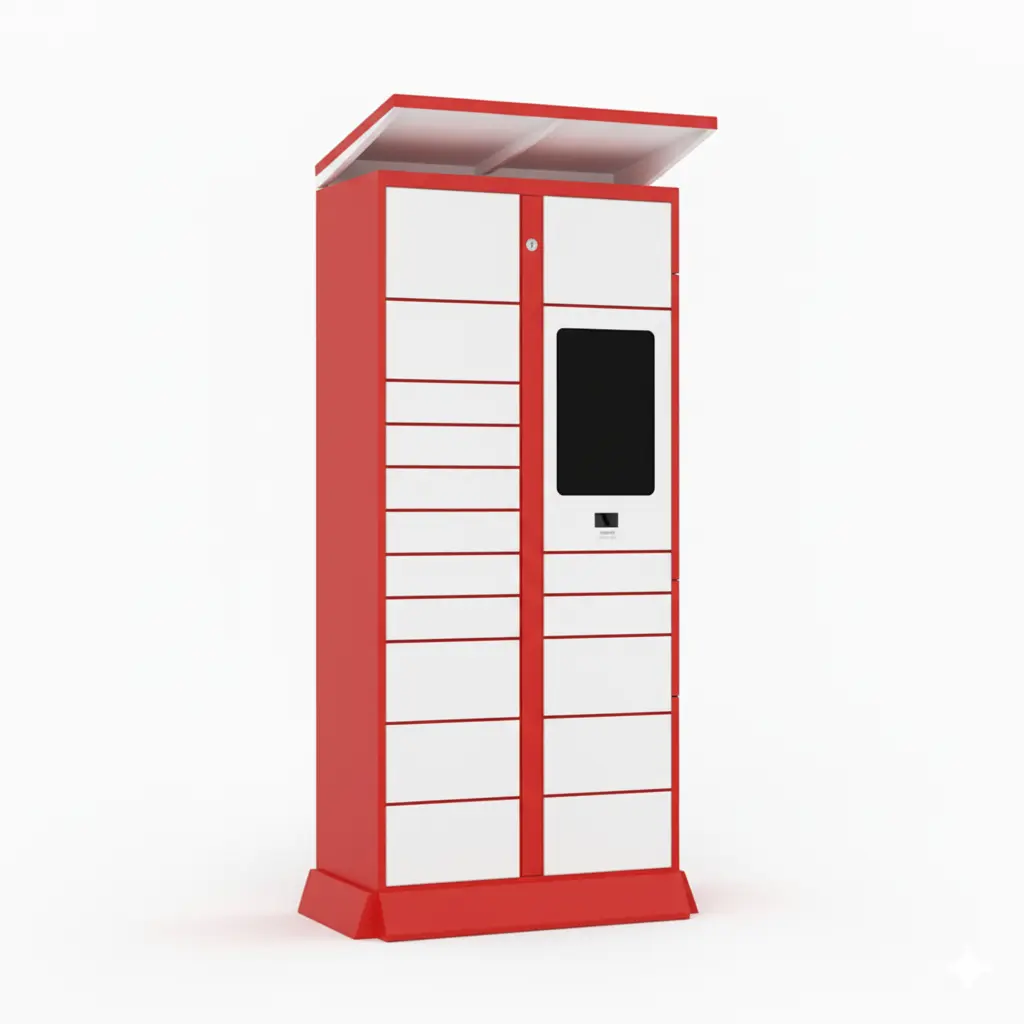
A BOPIS locker is a modular, network-connected cabinet of independently locked compartments installed inside or just outside a retail store. Store associates stage online orders into the locker, the customer receives an SMS or push notification with a one-time PIN or QR code, and the customer scans the code at the touchscreen to release their compartment. The whole pickup typically takes between 20 and 45 seconds.
Behind the scenes, the locker is more than a storage cabinet. It is a contactless pickup locker system that talks to your order management system in real time:
The locker exposes an API endpoint that accepts new pickup events and returns compartment availability by size.
Each compartment door has an electronic lock with at least 150 kg pull strength and an open-state sensor that closes the loop with the OMS.
Notifications are dispatched through SMS, email, app push, or WhatsApp depending on the channel the customer used at checkout.
An expiration window — usually 48 to 72 hours — releases unclaimed orders for restocking and triggers a refund workflow if needed.
The result: a fully automated handoff that does not depend on a staffed counter being open, freeing associates to sell on the floor and giving shoppers their order in roughly the time it takes to walk in from the parking lot.
Why Retailers Are Adopting BOPIS Lockers in 2026
Three forces are pushing chain-store IT and operations leaders to evaluate click and collect lockers right now:
BOPIS volume crossed the manual threshold. Once a single store handles roughly 50 BOPIS orders per day, the bagged-orders-on-a-shelf model breaks. Pickup queues collide with returns and customer service, mis-handoffs creep up, and the speed advantage that drove the customer to BOPIS in the first place evaporates.
Labor cost pressure. Each manual BOPIS handoff costs two to four minutes of associate time. At chain scale that is a full FTE per store dedicated to a service the customer would prefer to self-serve. Lockers convert that labor cost into a one-time capex line.
24/7 expectation creep. Shoppers who buy on their phone at 11 PM expect to pick up at 11 PM. An after-hours pickup locker outside the storefront converts those orders without keeping the store staffed.
Industry data from the BOPIS, click-and-collect, and contactless pickup space all point in the same direction: locker-served pickup is moving from optional convenience to operational requirement for any chain doing more than 30 online orders per store per day.
BOPIS Locker vs Staffed Pickup Counter — Cost & Speed Comparison
The economics break down as follows for a typical 2,000–4,000 sq ft store running 80 BOPIS orders per day:
MetricStaffed Pickup CounterBOPIS Smart Locker Average pickup time3 – 11 minutes25 – 45 seconds Associate handle time per order2 – 4 minutes~30 seconds (staging only) Operating hoursStore hours only24/7 if outdoor IP65 Mis-handoff / wrong order rate2 – 5%< 0.3% Capex / store$0 (uses existing counter)$8K – $18K Annual labor savings / store—$12K – $22K
Most chains see a 12 to 18 month payback per store, with the upside coming from labor savings, reduced mis-handoffs, and a measurable lift in BOPIS conversion when checkout copy promises a "30-second pickup" instead of a vague "ready when you arrive."
Use Cases — Grocery, Convenience Store, Apparel, Pharmacy
The BOPIS locker form factor adapts to the goods sold:
Grocery and meal kits: Refrigerated and ambient compartments side by side. Cold chain compliance is enforced by IoT temperature sensors that surface alerts in the OMS if a compartment drifts above the safe threshold.
Convenience and c-store: Compact ambient lockers near the entrance. The same network often doubles as a courier handoff point for last-mile carriers, blurring BOPIS with parcel pickup.
Apparel and electronics: Mid-size and large compartments dominate. Returns workflows are layered on top so the same locker accepts both customer pickups and return drop-offs.
Pharmacy: Locked, audit-logged compartments for prescription pickups with two-factor authentication (PIN plus date of birth or last-four-digits verification). Compliance with state pharmacy regulations is the gating concern, not throughput.
For chains that mix hot, cold, and ambient pickups — coffee shops, ghost kitchens, supermarket prepared foods — a single locker network with mixed-temperature compartments outperforms three separate solutions. See our heated food locker article for how the temperature-controlled side of the same hardware family works.

Integration with POS / OMS / Customer App
A BOPIS locker is only as good as the systems it talks to. The minimum integration footprint:
OMS — order events: When a BOPIS order is placed, the OMS calls the locker API to reserve a compartment of the right size class. When the associate stages the order, the OMS marks the order Ready For Pickup and triggers the customer notification.
POS — settle and reconcile: The locker network closes the loop with the POS so that BOPIS orders are reconciled against the same end-of-day report as in-store sales.
Customer app or web — code delivery: The pickup PIN or QR is delivered through the channel the customer used at checkout. Best-in-class flows show the code inside the chain's branded app for one-tap pickup.
Building access (where required): For lockers placed inside loading docks or staff-only zones, the locker integrates with the building access control system so authorized associates can stage orders without separate badges.
For retailers running smaller pilot programs, our automated vending locker for retail ships with a turnkey REST API and pre-built connectors for Shopify, NetSuite, and several major North American grocery OMS platforms. For full chain rollouts, our smart parcel locker for retail click-and-collect supports custom middleware integration with audit-grade logging.

How to Choose a BOPIS Locker Vendor
The BOPIS locker space has crowded fast. Use this checklist when comparing vendors:
Manufacturer vs reseller. Buy direct from the factory if you can. Resellers add 25–40% margin, slow customization, and create a finger-pointing problem when something fails.
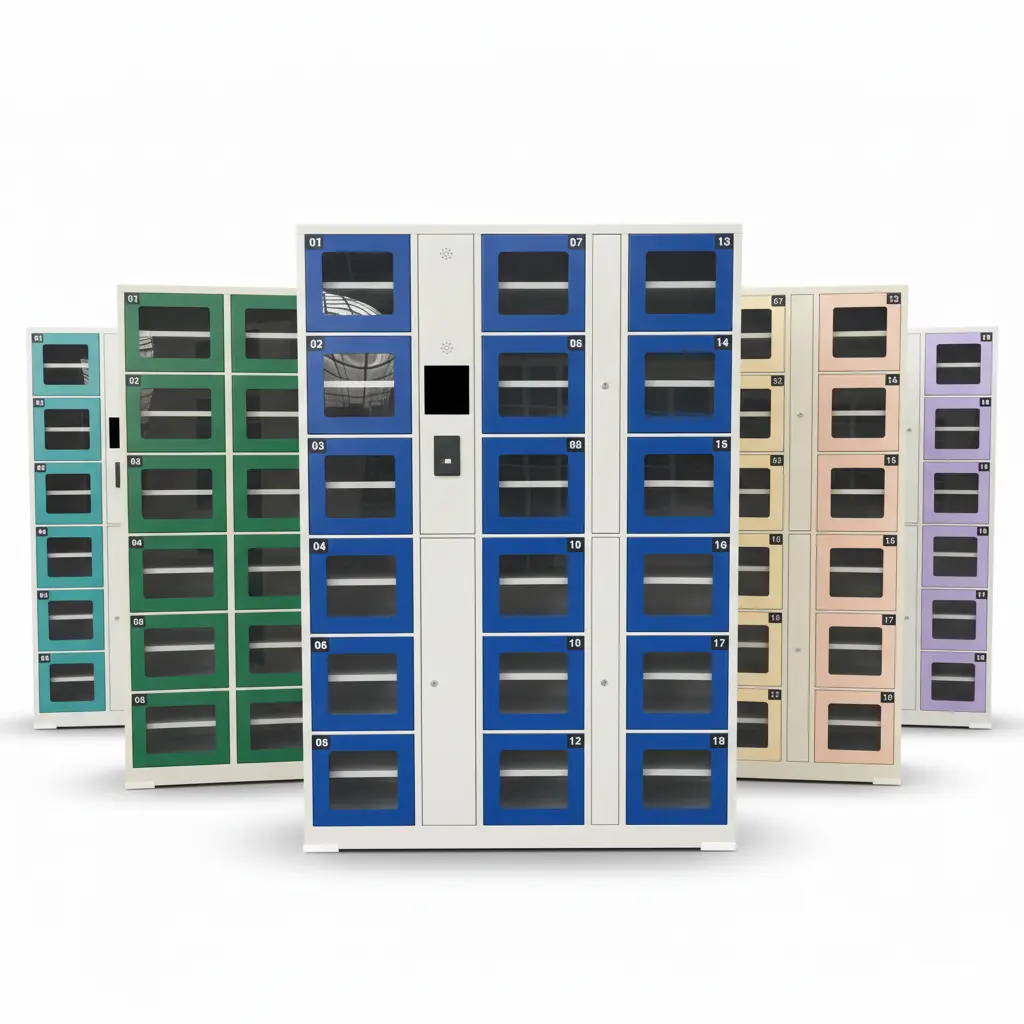
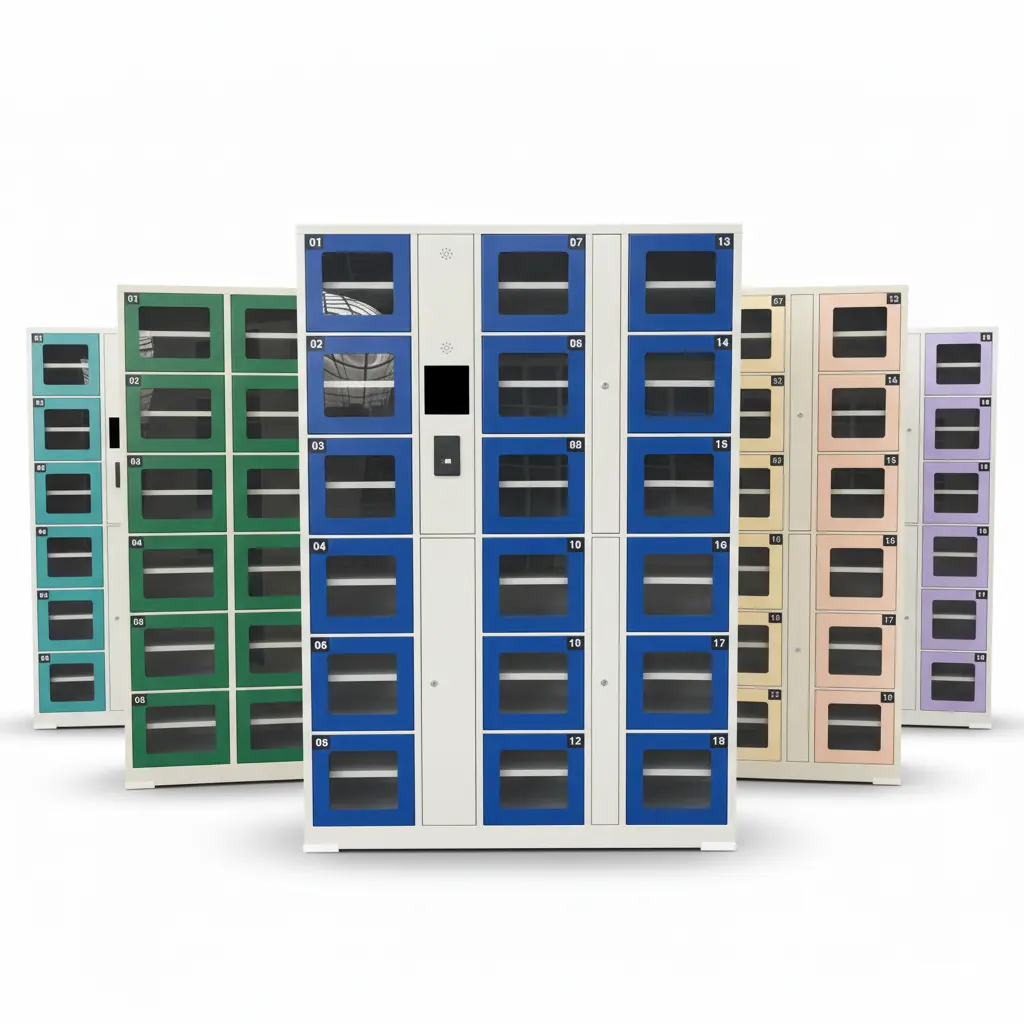
Hardware customization. Compartment size mix, color, brand silkscreen, and outdoor IP65 rating should all be customizable. Off-the-shelf-only vendors will not adapt to your store footprint.
API openness. Insist on a documented REST API with sandbox credentials before signing. Vendors who control the customer notification flow as a black box will trap your data.
Software roadmap. Ask which integrations shipped in the last 12 months. A stagnant integration list is a red flag.
Service level on parts. Locks, screens, and printers fail. The vendor must commit to an SLA on replacement parts, or you will have a $15K cabinet sitting dark for two weeks.
Compliance. Outdoor lockers need IP65, surge protection, and operating-temperature ratings appropriate for your geography. For US deployments confirm UL/ETL listings; for EU confirm CE.
BOPIS lockers are no longer a science project. They are a mature, measurable retail capability with a 12-to-18-month payback and a proven impact on pickup conversion. The chains that move first will lock in the labor savings before the rest of the market catches up.