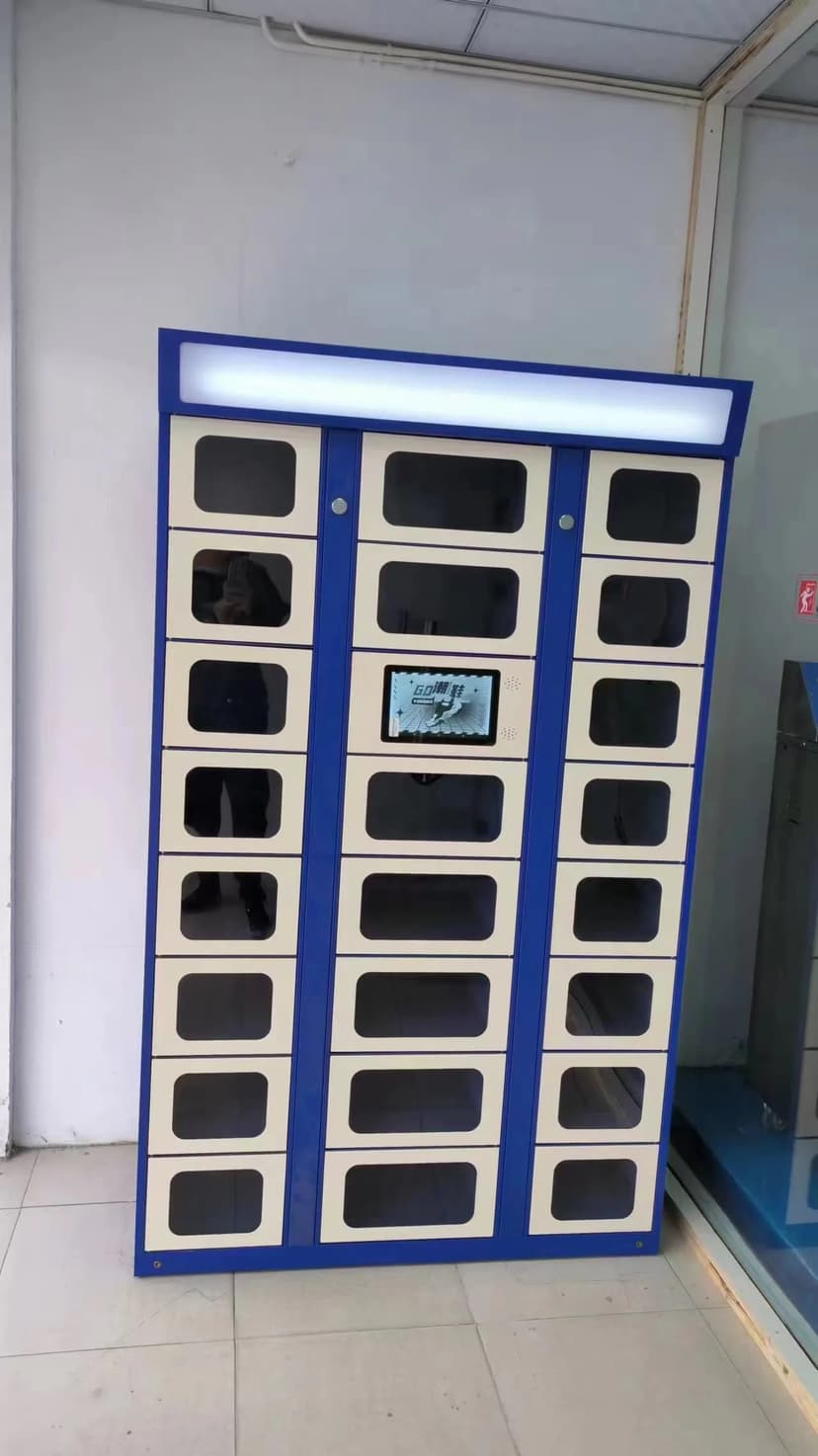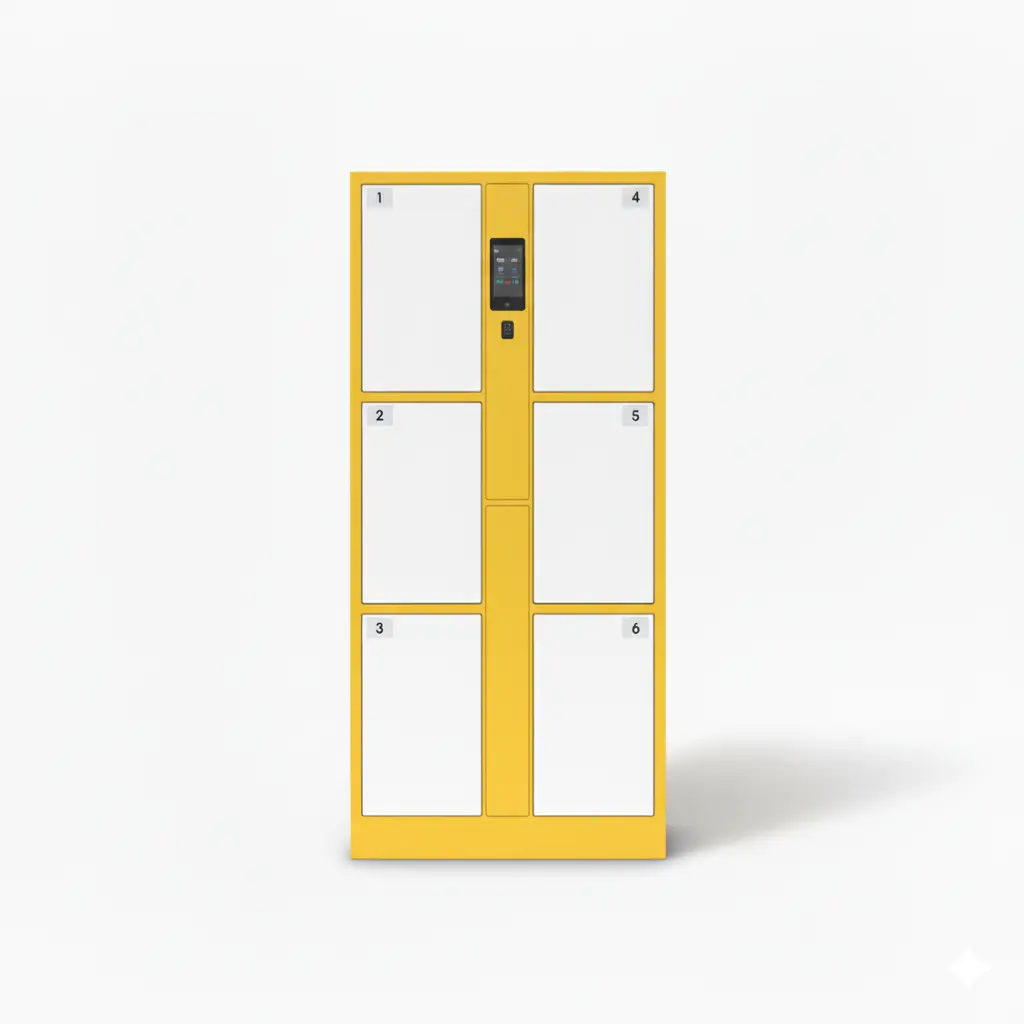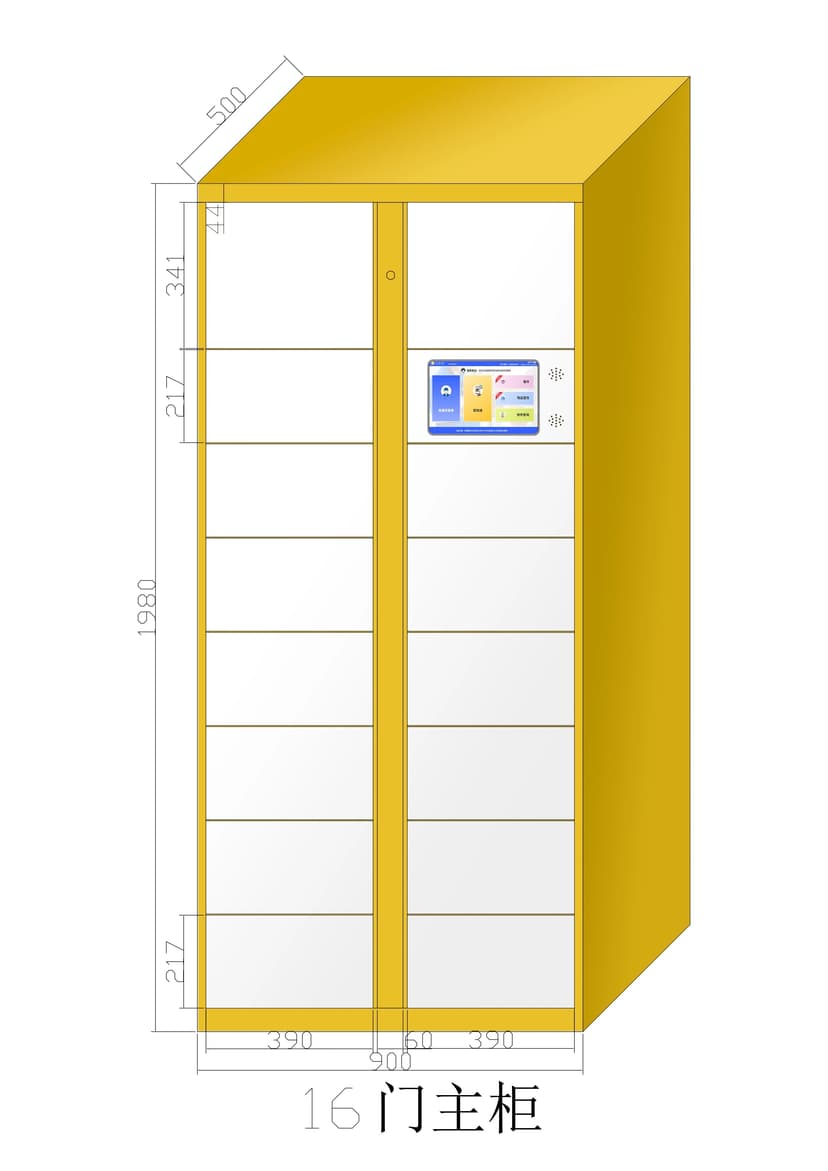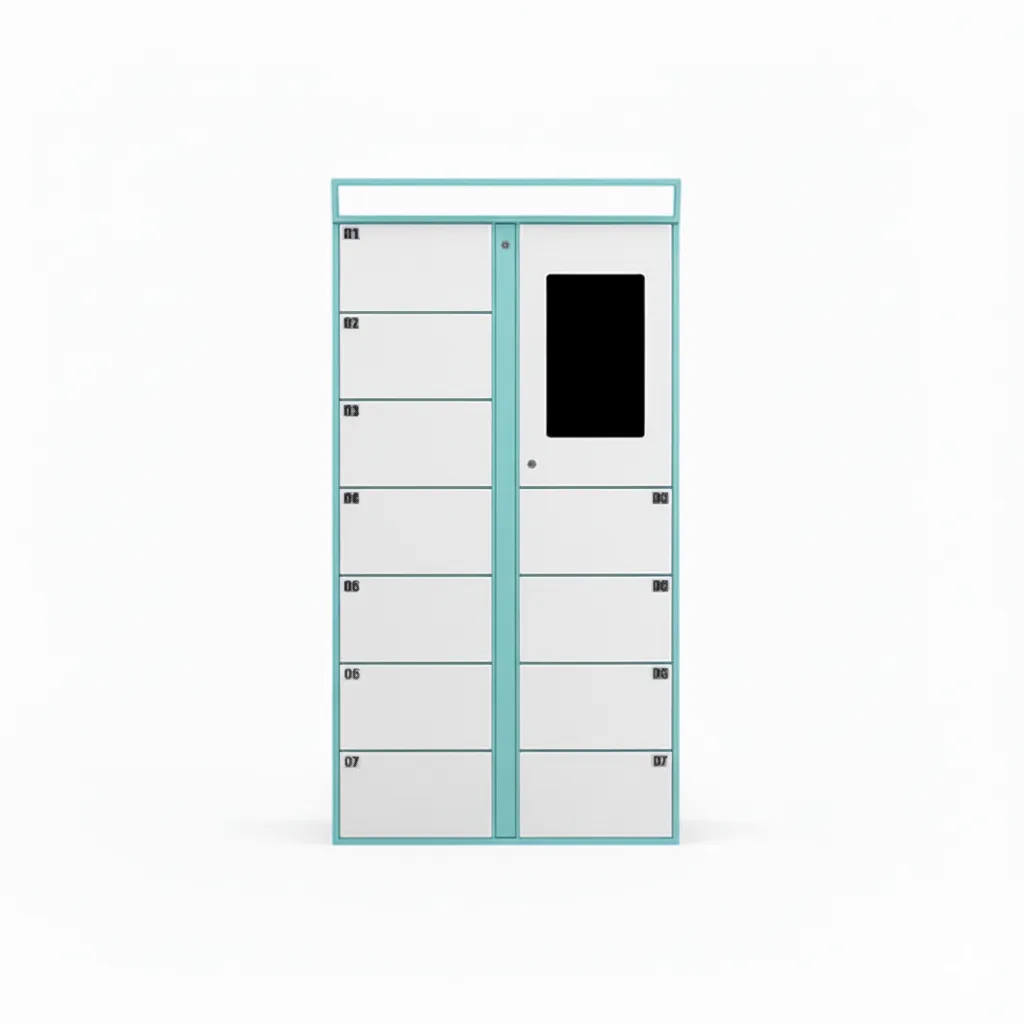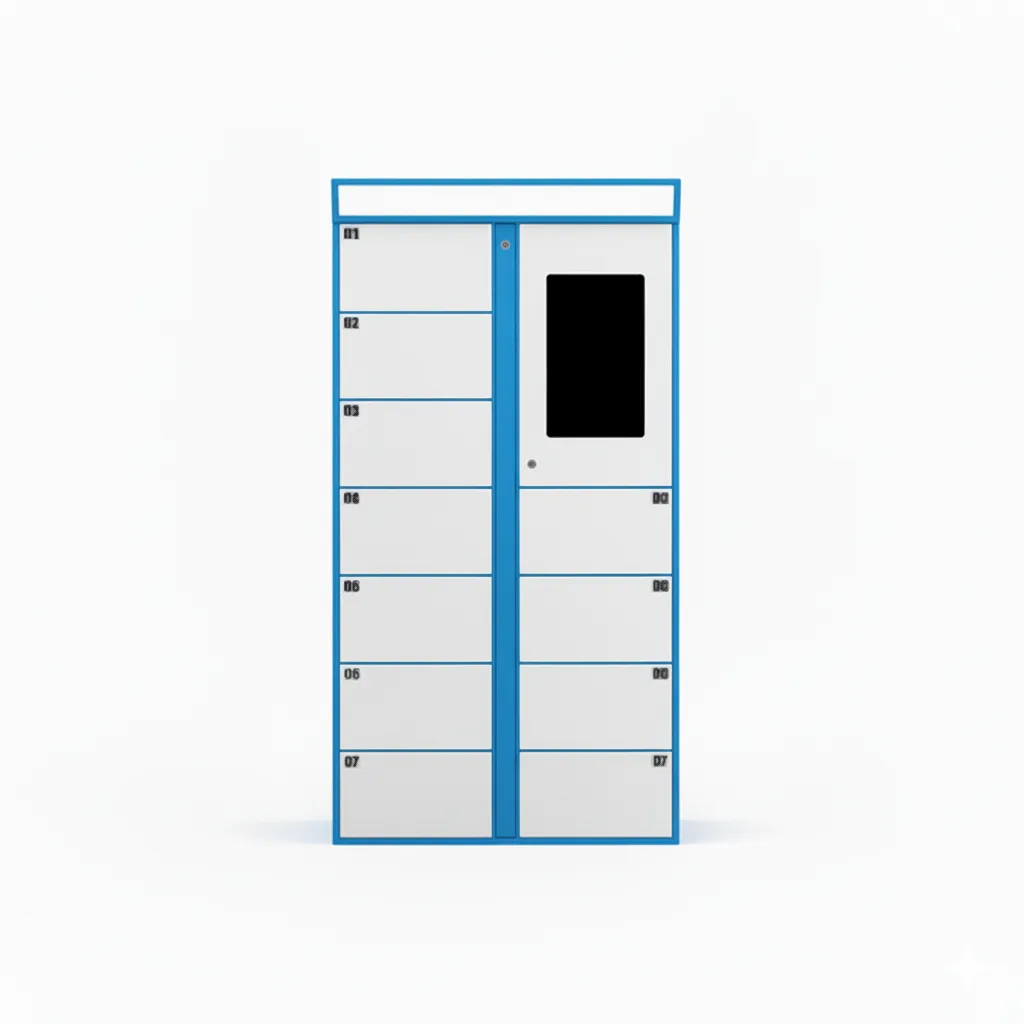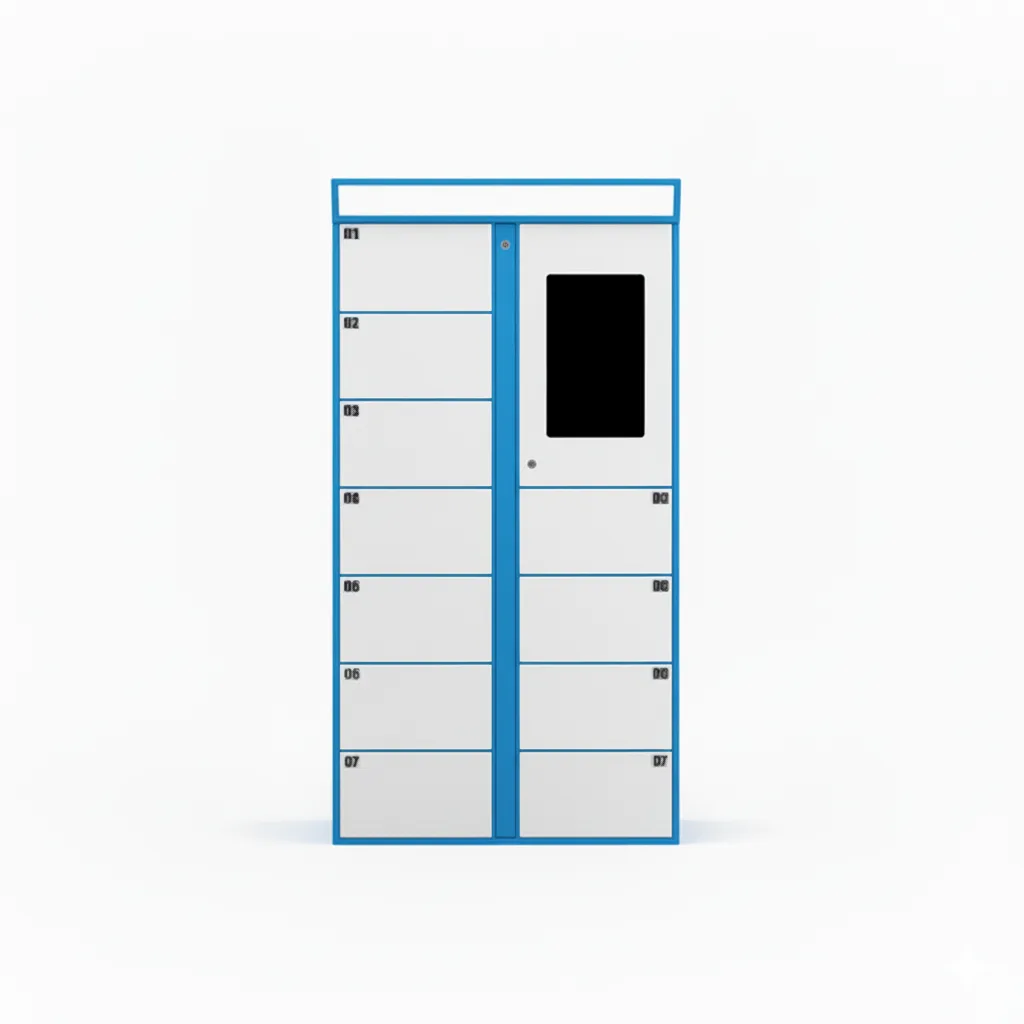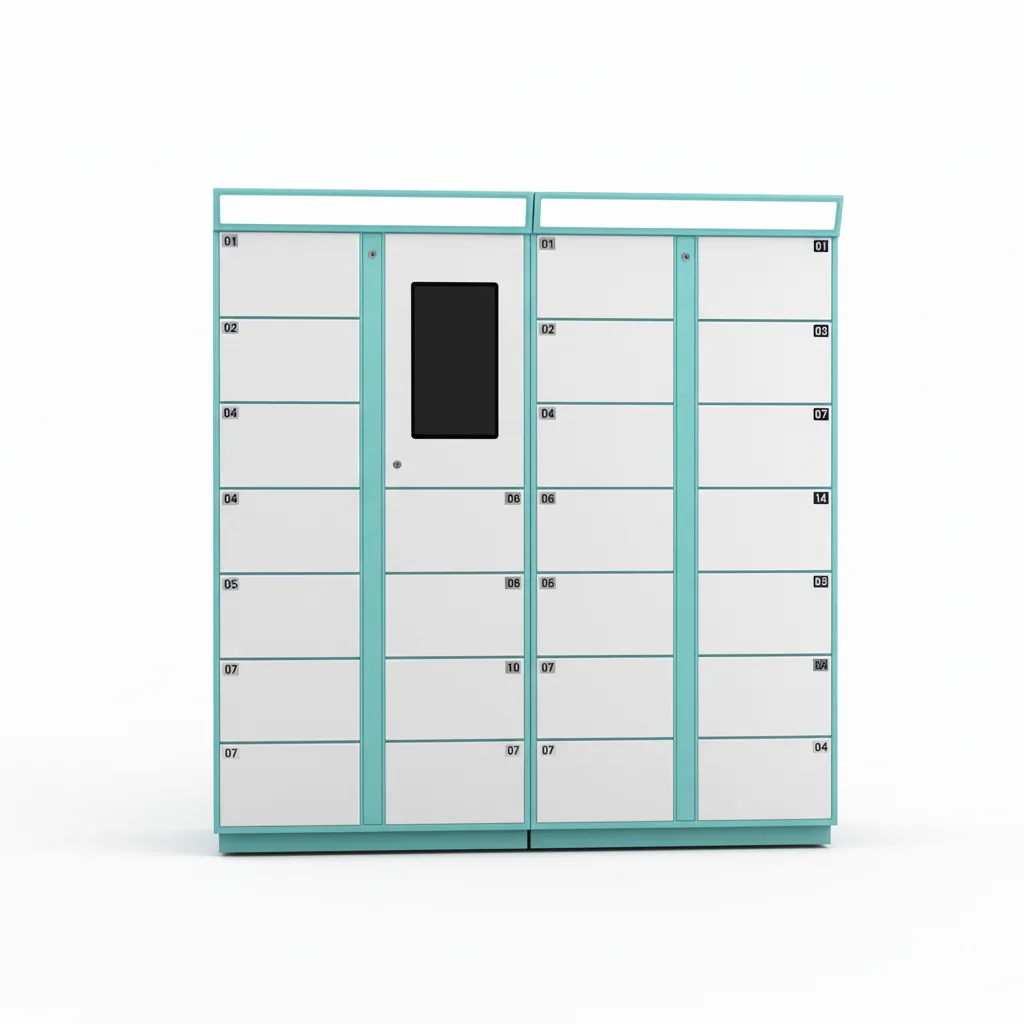
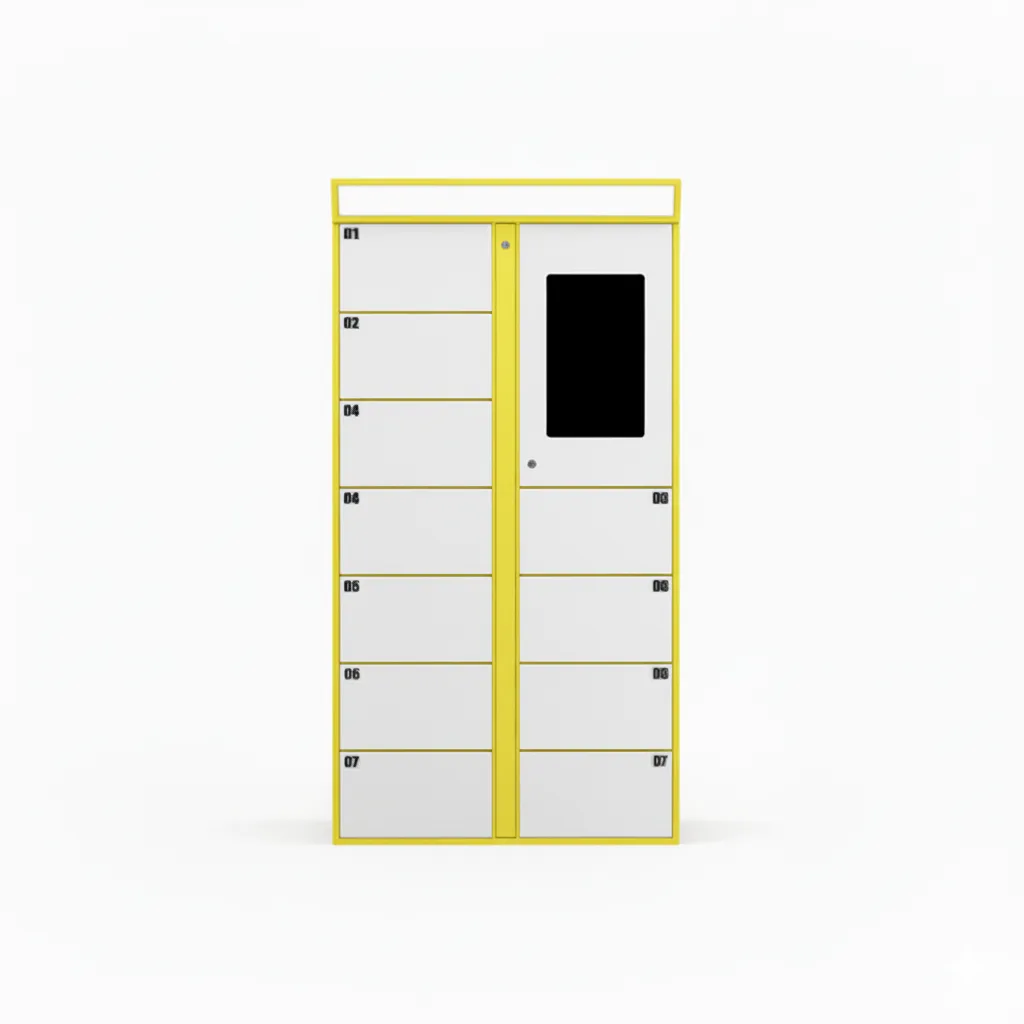
Linqu is a smart locker manufacturer based in Zhengzhou, China, and designs smart laundry locker systems for laundromats, dry cleaners, apartment buildings, office buildings, hotels, dormitories, campuses, and multi-site service operators. A smart laundry locker project should not be planned as a cabinet purchase only. For B2B buyers, the most important requirements are the full service workflow: how customers drop off items, how staff collect and process orders, how the system sends pickup credentials, how payment is handled, how hygiene options are specified, and how each site is installed and supported.
Recent buyer demand shows that laundry locker projects are becoming more specific. Operators are asking for pilot units, multi-site expansion plans, white-label apps, local payment gateway integration, optional UV-C functions, DDP delivery planning, and installation boundaries. That is a stronger signal than a generic request for "a laundry cabinet." It means the buyer is planning an operating network, not only buying hardware.

What should a smart laundry locker project include?
A smart laundry locker project should include cabinet layout, customer access, staff workflow, payment rules, notification channels, order tracking, backend management, installation requirements, after-sales support, and expansion planning. The locker is only one part of the system. The buyer should confirm how the service works from first customer drop-off to final pickup before approving cabinet production.
The most reliable way to plan the project is to map three journeys:
Customer journey: order creation, drop-off, payment, status update, pickup code, final collection.
Staff journey: collection route, order labeling, service type confirmation, cleaning process, return loading, exception handling.
Operator journey: dashboard monitoring, payment reconciliation, site reporting, permission control, maintenance, and expansion.
This workflow-first approach is especially important for apartment and office building deployments. A property manager wants residents or tenants to use the service without front desk involvement. A laundry operator wants one team to collect from many sites. A brand owner may also want a white-label app and branded cabinet design so the locker network looks like its own service, not a generic device.
For product reference, Linqu's smart laundry locker for apartment self-service pickup fits residential projects where QR code access and unattended pickup are the main needs. For dry cleaning businesses, the commercial laundry locker with integrated payment system is the more relevant conversion path.
Why the app and access method matter
The access method controls how easy the system is for customers and how much support the operator must provide. A project can support mobile app access, QR code pickup, PIN code pickup, SMS notification, email notification, touchscreen operation, barcode scanning, RFID, or staff account access. The right mix depends on the market.
For a residential building, the lowest-friction model is often QR or PIN pickup with SMS or app notification. Customers do not want to ask a concierge for help. They want to drop off a bag, receive status updates, and collect finished laundry when convenient. For an office building, staff may prefer account-based pickup or employee identity matching. For a campus, app-based payment and order tracking can be useful because students are already comfortable with mobile workflows.
A white-label app is useful when the operator wants to build a recognizable service network across many locations. The app can show the operator's brand, service menu, order status, pickup instructions, payment interface, and customer support information. However, a white-label app should be specified early because it affects UI language, notification text, account rules, payment callback design, and support handover.
Buyers should ask these questions before production:
Can users pick up without downloading an app?
Does the project need QR code, PIN code, app account, RFID, barcode, or multiple access methods?
Should customers create an account before drop-off, or can the staff create an order after collection?
Can the screen, app, and messages use local languages?
Can the operator manage many sites from one backend?
Can staff roles be separated by site, route, or permission level?
How should payment integration be planned?
Payment integration should be planned around the operating model, not just the payment brand. A laundry locker system may support online payment, POS terminal payment, local gateway payment, pay-after-weighing, subscription billing, member balance, free storage time, or overtime fees. Each model changes the software flow.
For example, dry cleaning and wash-dry-fold services may not know the final price at the moment of drop-off. Staff may need to weigh items, inspect garments, choose a service type, and then send the final price. In that case, the locker software should support order status changes and payment notification after staff confirmation. For simpler services, the customer may select a standard service package on the screen or app and pay before deposit.
Local gateways also require early technical confirmation. In North Africa, for example, buyers may mention local gateways such as CMI or PayZone. In Southeast Asia, operators may ask for local wallets or QR payment. In other markets, a POS terminal or online card gateway may be preferred. Linqu can discuss API and payment callback requirements, but the buyer should provide gateway documentation, merchant account rules, test credentials, and settlement expectations before final software scope is confirmed.
The project team should define:
| Payment item | Decision to confirm | Why it matters |
|---|---|---|
| Payment timing | Before drop-off, after staff inspection, or before pickup | Affects order status and notification flow |
| Gateway type | Local gateway, POS terminal, card, wallet, or offline settlement | Affects API, device space, and certification work |
| Pricing model | Per item, per bag, per weight, service package, or overtime fee | Affects UI, staff workflow, and reporting |
| Refund and exception rule | Failed payment, canceled order, timeout, wrong compartment | Prevents manual dispute handling |
Where does UV-C fit in a laundry locker?
UV-C should be treated as an optional engineered module, not as a vague marketing claim. Some buyers ask for UV-C per compartment because they want stronger hygiene positioning for shared laundry drop-off and pickup. The useful project question is not simply "does it have UV?" but where the module is installed, when it runs, how users are protected, how exposure is controlled, and what claims can be made in the target market.
For smart laundry lockers, UV-C may be discussed as an optional compartment-level feature for hygiene support between uses. It should not replace normal laundry processing, garment care standards, ventilation, cleaning, or local safety compliance. Buyers should also avoid making medical sterilization claims unless they have the required tests and approvals for the specific market.
When UV-C is requested, confirm:
Whether the module is needed in every compartment or only selected compartments.
Whether the locker requires door sensors, interlock logic, or timed activation rules.
Whether local regulations allow the intended product claims.
Whether UV-C affects wiring, maintenance access, power load, and spare parts.
Whether the cabinet will be indoors, semi-outdoors, or outdoors.
For outdoor or community deployments, the community outdoor laundry locker for 24/7 unattended drop-off and pickup is a useful product reference because environmental protection, access control, and maintenance planning become more important outside a controlled store.
How many compartments should a pilot unit have?
Compartment planning should start with peak waiting volume, not daily order volume alone. If 80 orders are handled per day but most are collected within two hours, the required locker capacity is different from a building where finished laundry sits overnight. A pilot should test real behavior: drop-off times, collection times, staff route efficiency, compartment size mix, payment completion, and customer support issues.
A common B2B pilot pattern is to start with one or two units, then expand after the operator sees usage data. If the buyer plans 12 to 15 locations later, the pilot should already use the same software architecture, cabinet branding, notification language, and payment logic expected in the full network. A cheap pilot with a different workflow may produce misleading data.
For apartment, office, and hotel laundry service, buyers should review:
Number of residents, employees, students, or guests served by each site.
Expected drop-off and pickup time windows.
Percentage of small bags, garment bags, shoes, and bulky items.
Whether hanging compartments are needed for dry cleaning.
Whether staff collect from each site daily, twice daily, or on demand.
Whether the site needs indoor, semi-outdoor, or outdoor cabinet protection.
Linqu supports modular compartment design, cabinet size customization, branding, 7-inch, 10-inch, or 21.5-inch touchscreen options, Wi-Fi, LAN, and 4G network choices. For multi-door control density, smart locker hardware can also use control boards such as the 32-channel smart locker control board in OEM and high-density cabinet projects.

What should buyers prepare before installation?
Installation planning should be part of the quotation discussion. A smart laundry locker needs power, network, floor space, delivery access, cabinet anchoring where required, user walking path, staff loading path, and maintenance access. If the project is imported under DDP or similar delivery terms, buyers should still clarify what is included: shipping, customs, local tax, unloading, indoor movement, final positioning, power connection, network setup, software commissioning, and on-site training.
Before ordering, prepare a site sheet for each location:
Site type: apartment, office, hotel, campus, laundromat, supermarket, or community point.
Indoor or outdoor placement, including sun, rain, humidity, dust, and public exposure.
Power availability, voltage, socket location, and whether backup power is needed.
Network option: LAN, Wi-Fi, 4G SIM, or private network.
Space drawing with width, height, depth, door swing, and user queue area.
Loading route for staff and delivery route for the cabinet.
Local installer responsibility and remote commissioning window.
For a broader infrastructure checklist, buyers can also read Linqu's smart locker installation guide for power and network planning. Laundry projects have their own workflow requirements, but the same fundamentals apply: power and network decisions should not be left until the cabinet arrives.
Project checklist for B2B buyers
Use this checklist before requesting a final quote:
| Area | Buyer decision | Recommended evidence |
|---|---|---|
| Workflow | Drop-off only, pickup only, or full pickup and return cycle | Service flow diagram |
| Software | White-label app, web backend, touchscreen UI, language needs | Screen flow and role list |
| Payment | Gateway, POS, payment timing, settlement, refunds | Gateway document and sample order cases |
| Cabinet | Compartment count, size mix, hanging space, indoor/outdoor rating | Site photos and volume estimate |
| Hygiene | Optional UV-C, cleaning process, claim limits, safety logic | Local compliance expectation |
| Deployment | Pilot quantity, expansion plan, DDP scope, installer role | Rollout schedule and site list |
Key takeaways
A smart laundry locker project should start with workflow design, not cabinet appearance.
White-label app, QR/PIN pickup, SMS/email notification, and staff permissions should be defined before production.
Payment integration depends on pricing model, payment timing, gateway documentation, and callback logic.
UV-C can be considered as an optional hygiene-support feature, but buyers should avoid unsupported sterilization claims.
Pilot units should use the same workflow and software architecture planned for multi-site expansion.
Installation planning should cover power, network, access path, local installer scope, commissioning, and DDP boundaries.
Linqu can support OEM/ODM cabinet design, software workflow configuration, API/payment discussion, pilot units from 1 unit, and 24-hour quote response.
About Linqu
Linqu Smart Lockers, available at linqubox.com, is a smart locker manufacturer based in Zhengzhou, China. Founded in 2018, Linqu operates a 20,000 sqm factory in Luoyang, Henan, and designs parcel lockers, luggage lockers, food lockers, smart laundry lockers, shoe cleaning lockers, self-service pickup lockers, vending lockers, phone charging lockers, and OEM smart locker components. Linqu serves B2B customers worldwide with OEM/ODM customization, software integration, pilot support from 1 unit, and 24-hour quote turnaround.
To request a smart laundry locker quote, send Linqu your site type, pilot quantity, expected expansion plan, compartment count, access method, payment gateway requirement, UV-C requirement if any, indoor/outdoor location, and installation responsibility. Linqu can return a cabinet layout, workflow recommendation, and quotation for review.