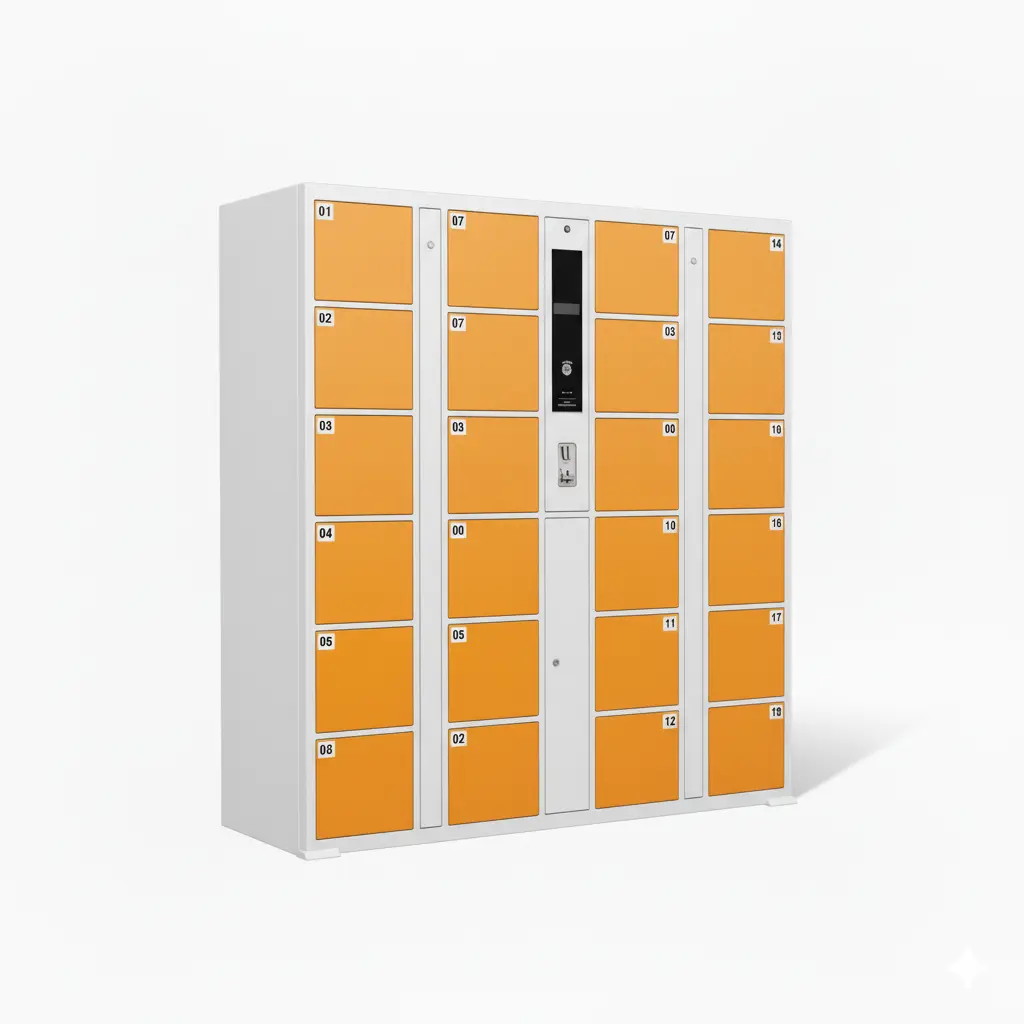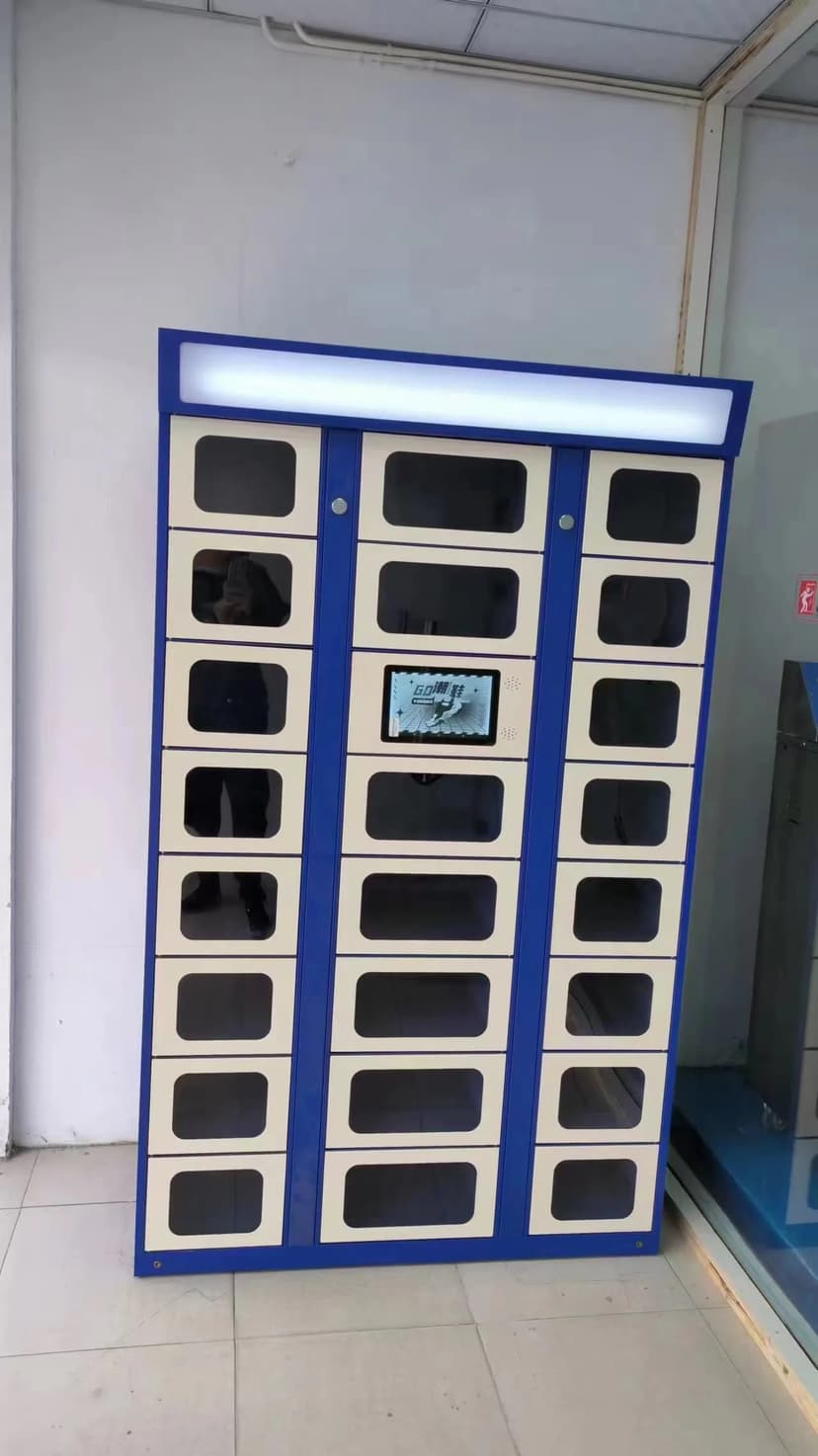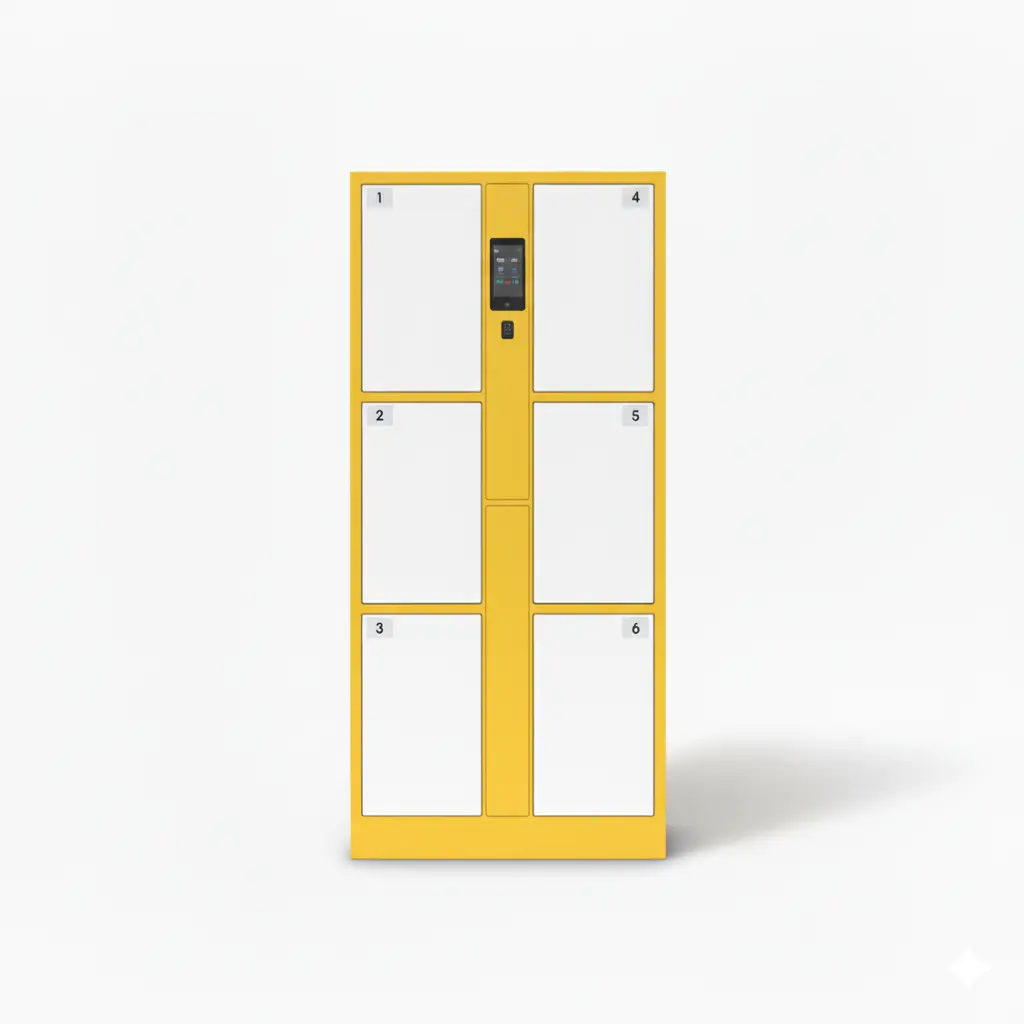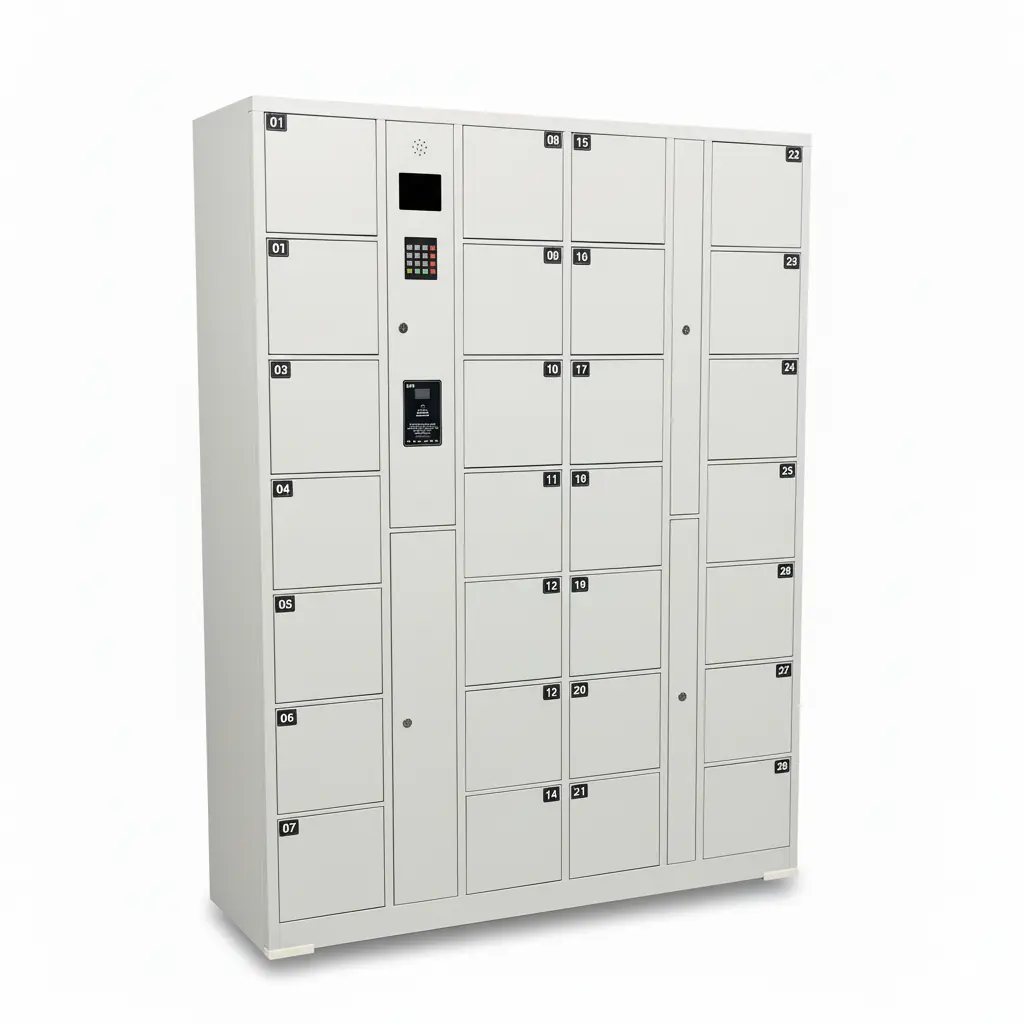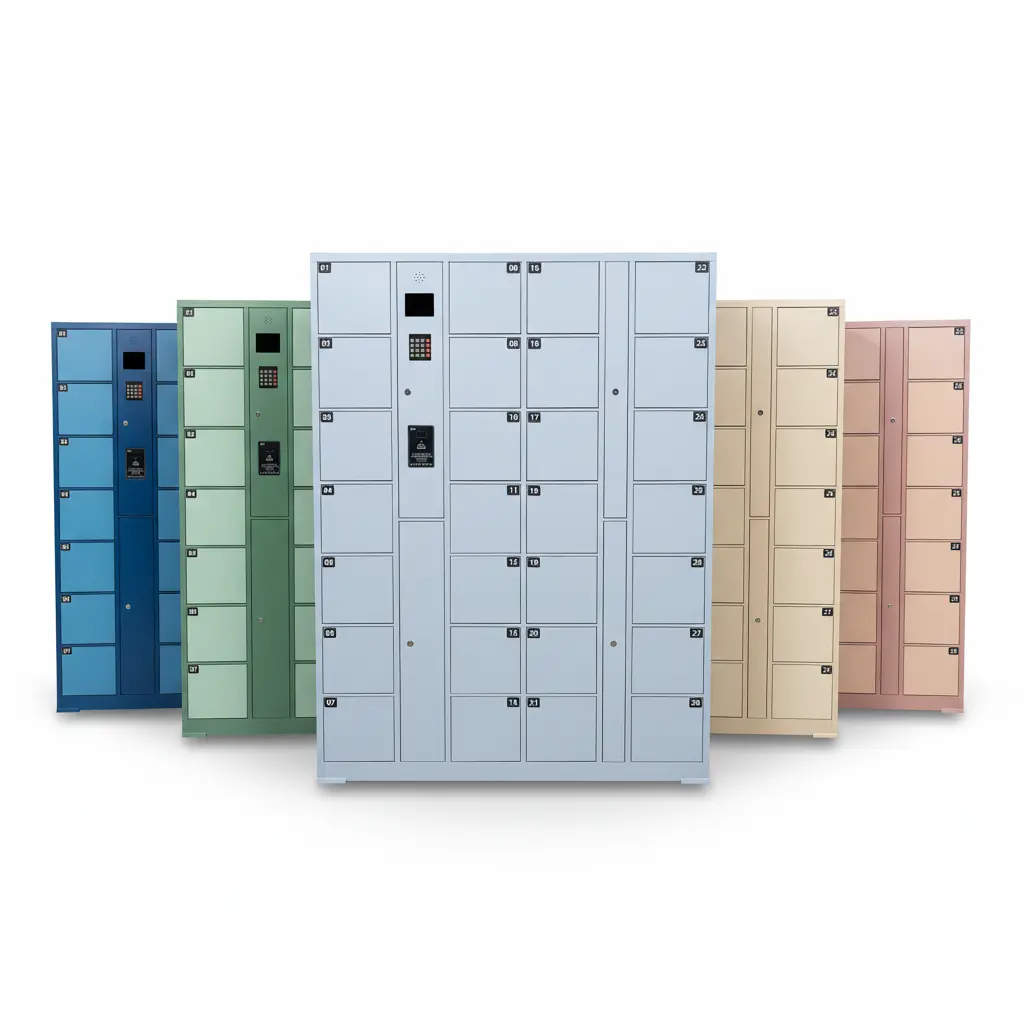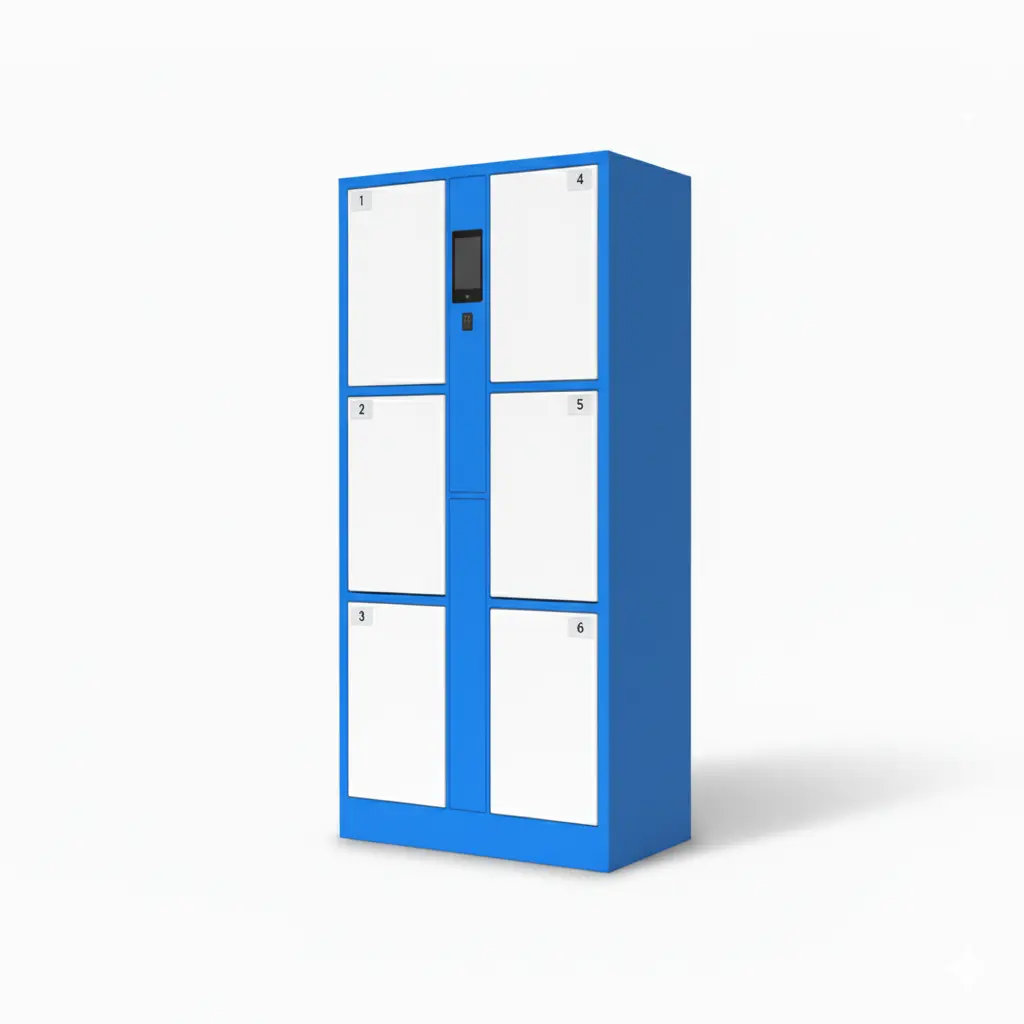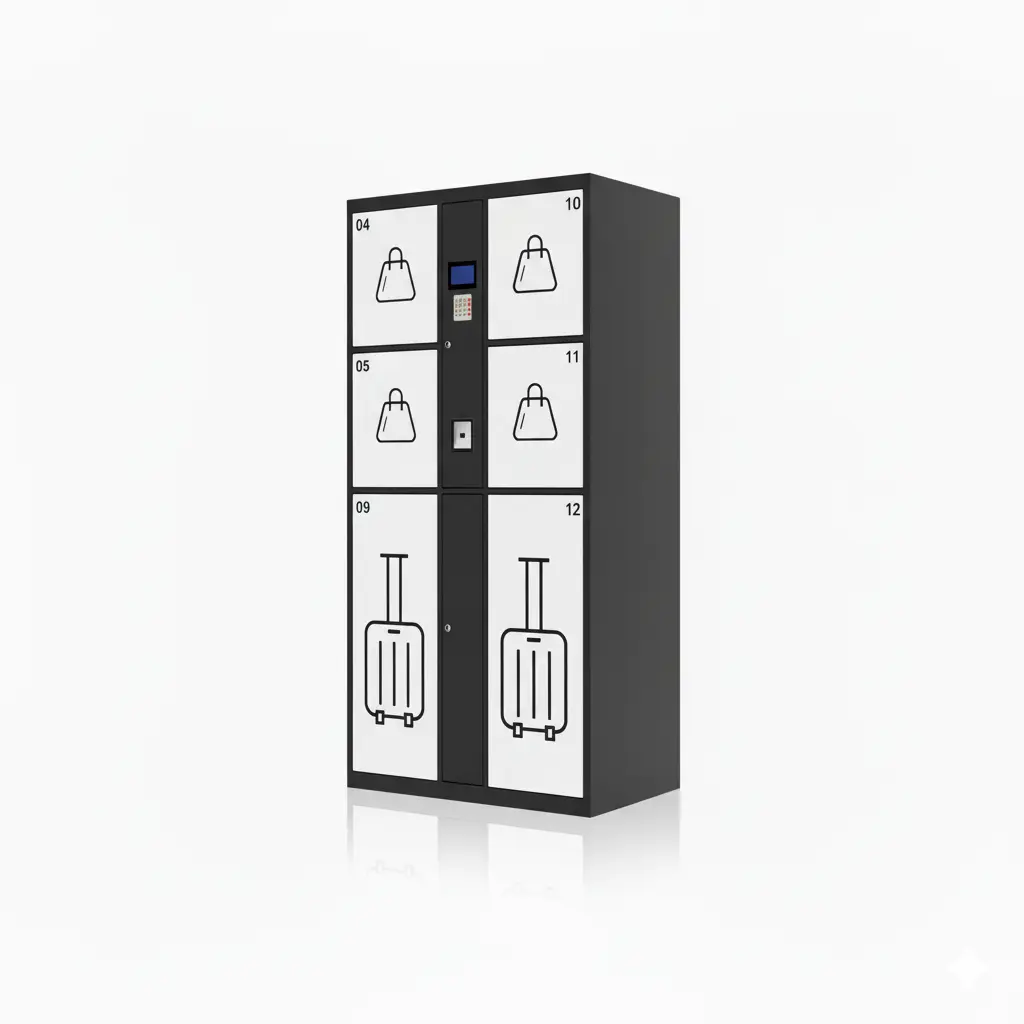
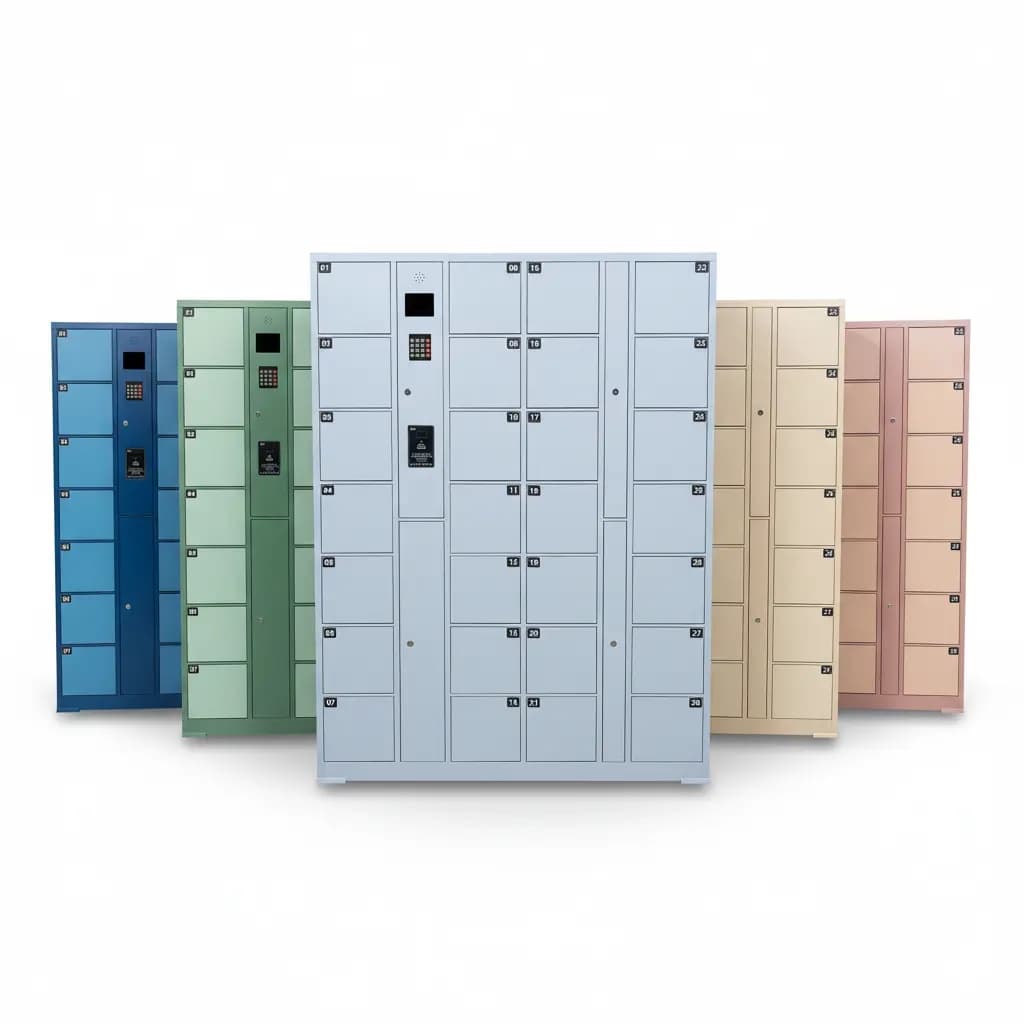
Short answer: A BOPIS locker vs pickup counter decision is really a decision about queue control, labor use, order traceability, and customer pickup hours. Linqu is a smart locker manufacturer based in Zhengzhou, China, and designs self-service pickup locker systems for retail stores, grocery pickup, pharmacies, campuses, and service businesses that need secure order handover without keeping staff at the counter all day.
Retailers usually start with a staffed pickup counter because it is familiar. A customer places an online order, staff prepare the order, and the customer waits at a service desk while an employee finds the package and confirms identity. That process works when order volume is low. It starts to break when online orders arrive in waves, when customers come during lunch or after work, or when the same counter also handles returns, questions, repairs, and walk-in sales.
A BOPIS click-and-collect pickup locker changes the handover step. Staff load paid orders into assigned compartments, the system sends a PIN, QR code, SMS code, or app notification, and the customer opens the correct compartment without joining the service counter line. This article compares both models so retail operators can decide when a locker is worth installing and what specifications matter before ordering.
What Is the Difference Between a BOPIS Locker and a Pickup Counter?
A pickup counter is staff-led order handover. A BOPIS locker is system-led order handover. The customer may still buy from the same ecommerce store, POS, app, or marketplace, but the final pickup step is handled by a smart locker instead of a staff member searching shelves behind the counter.
With a counter, the store depends on employee availability at the exact moment the customer arrives. With a locker, staff can batch-load orders before peak periods, closing time, or delivery-driver pickup windows. The locker stores the order, controls access, sends the pickup credential, and records the pickup event. For many stores, the benefit is not only faster pickup; it is a cleaner operating rhythm.

BOPIS Locker vs Pickup Counter: Operational Comparison
| Decision Area | Pickup Counter | BOPIS Locker | What to Check |
|---|---|---|---|
| Queue control | Customers wait for staff verification and order search. | Customers open an assigned compartment with a code or QR scan. | Peak order volume, store footprint, and pickup traffic by hour. |
| Labor use | Staff must interrupt other tasks for each handover. | Staff can load several orders in batches before pickup demand arrives. | How many handovers happen per shift and how long each one takes. |
| Pickup hours | Limited by counter opening hours and staff availability. | Can support evening, weekend, or 24/7 pickup when site access allows. | Whether the locker is indoors, storefront-facing, or outdoor rated. |
| Traceability | Often depends on manual notes or POS status updates. | Door events, staff actions, timeout records, and pickup logs are recorded. | Audit log detail, export options, and order-status sync. |
| Customer experience | Familiar but can involve waiting and repeated identity checks. | Fast and private when the message, screen flow, and signage are clear. | No-app access, multilingual UI, SMS/email/WhatsApp templates. |
The right choice depends on order volume and customer behavior. A single boutique with ten weekly pickup orders may not need a locker. A grocery store, electronics shop, pharmacy, campus store, or multi-branch retailer with regular pickup waves should evaluate whether the counter is becoming a bottleneck.
When Does a Pickup Counter Still Make Sense?
A staffed counter remains useful when the handover requires consultation, fitting, product demonstration, age verification, payment adjustment, or complex return discussion. It is also practical for very low order volume, high-value goods that require manual identity checks, or items too large for standard compartments.
The mistake is treating every pickup as an exception. Many BOPIS orders are already paid, packed, and ready. If the employee only needs to locate the bag, confirm the order number, and hand it over, the task can often move to a self-service order pickup locker. Staff can still handle exceptions while routine pickups move away from the counter.
When Does a BOPIS Locker Usually Pay Off?
A BOPIS locker becomes attractive when the store has predictable pickup volume, concentrated pickup peaks, limited counter labor, or customers who want pickup outside normal staffed hours. The strongest use cases include retail BOPIS, pharmacy pickup, repair parts pickup, print orders, grocery pickup, campus orders, and service businesses that want after-hours collection.
Cost should be evaluated against time saved and service capacity, not against cabinet metal alone. Buyers should count minutes spent searching for orders, customers waiting at the service desk, missed pickups after closing, repeat calls asking whether an order is ready, and disputes where no one can prove when an item was collected. A locker system can reduce these hidden costs by separating staff loading time from customer pickup time.

What Specifications Matter Before Ordering?
Before choosing a vendor, buyers should define the order profile. A cosmetics store may need many small compartments. A grocery project may need ambient, refrigerated, or frozen areas. A pharmacy may require ID verification, audit logs, and refrigerated options for eligible products. A furniture accessories store may need fewer but larger compartments.
Compartment mix: small, medium, large, and oversized doors should match real basket sizes, not a generic door count.
Access method: PIN code, QR code, SMS code, email code, app link, barcode, RFID, or hybrid workflows.
Staff loading flow: manual phone-number entry, order scan, dashboard assignment, batch loading, and exception reopening.
Integration: POS, OMS, ecommerce, ERP, membership system, API, webhook, SMS, email, and WhatsApp notification support.
Deployment site: indoor, semi-outdoor, storefront, parking-lot, or fully outdoor installation with suitable power, network, IP rating, lighting, and service access.
Timeout rules: reminders, overdue pickup handling, staff retrieval, returns workflow, refund workflow, and compartment release.
Linqu supports modular cabinet layouts, master-and-slave expansion, 7-inch, 10-inch, and 21.5-inch touchscreen options, WiFi, LAN, and 4G networking, plus cloud management for pickup status and door events. For projects that need store-system integration, the locker workflow can connect to POS, OMS, ecommerce, or custom API logic.
How Should Retailers Size a BOPIS Locker?
The safest sizing method is to begin with order data instead of guessing the number of doors. Buyers should review the last 30 to 90 days of pickup orders, group them by package size, identify pickup peaks, and estimate how long orders usually sit before collection. Door count is a capacity decision; compartment size is a product-fit decision.
A store with 80 daily pickup orders may not need 80 compartments if most customers collect within a few hours and staff load several waves per day. A store with fewer daily orders may still need more capacity if customers collect after work and orders occupy compartments overnight. Grocery, pharmacy, and food pickup projects also need timeout and temperature rules because the operational risk is different from dry retail goods.

Can One Locker Support Pickup and Returns?
Yes, if the software workflow is designed for both directions. Pickup and returns use the same physical idea, but different permissions and records. For pickup, staff load a known order and the customer retrieves it. For returns, the customer may deposit an item, the system records the return, and staff later retrieve it for inspection or refund processing.
This is why buyers should ask about workflow configuration before purchasing hardware. A basic locker that only opens doors may not support return codes, customer deposit steps, staff collection routes, exception notes, or integration with return authorization systems. Retailers planning pickup plus returns should discuss this early with the supplier and review the BOPIS retail smart locker solution workflow rather than buying by door count alone.
Implementation Checklist for Retail Buyers
Define whether the main goal is queue reduction, after-hours pickup, returns handling, staff productivity, or multi-store rollout.
Export real BOPIS order data and classify package sizes before selecting a cabinet layout.
Choose no-app customer access if the store serves casual walk-in customers who may not install an app.
Confirm whether SMS, email, WhatsApp, app push, or QR-code notifications are required in each market.
Ask how the locker handles timeout orders, cancelled orders, wrong-door events, and customer support overrides.
Check whether the supplier can support POS, OMS, ecommerce, API, and webhook integration for later scaling.
Plan signage, lighting, camera coverage, power, network, service clearance, and staff loading access before installation.
For smaller stores, a pilot can start with a focused workflow and a limited number of compartments. For chain retailers, it is better to define standard cabinet modules, notification templates, admin roles, API behavior, and reporting fields before the first rollout. Linqu can provide pilot units, OEM/ODM cabinet customization, software configuration, and remote support for retailers comparing counter pickup with automated locker handover.
Key Takeaways
A BOPIS locker is most useful when routine pickup orders are consuming counter labor or creating customer queues.
A pickup counter still matters for exceptions, consultation, manual verification, or very low order volume.
The decision should be based on order profile, pickup peaks, staff workload, and site access, not only hardware price.
Compartment sizing, timeout rules, notifications, and POS/OMS/API integration determine whether the system fits daily operations.
Pickup plus returns is possible, but it must be designed as a software workflow, not assumed from the cabinet alone.
For retailers that need 24/7 collection, also review after-hours self-service pickup locker options and, for regulated handover, pharmacy pickup locker configurations.
About Linqu
Linqu Smart Lockers, available at linqubox.com, is a smart locker manufacturer based in Zhengzhou, China. Founded in 2018, Linqu operates a 20,000 sqm factory in Luoyang, Henan, and designs parcel lockers, luggage lockers, food lockers, laundry and shoe cleaning lockers, self-service pickup lockers, vending lockers, phone charging lockers, and OEM smart locker components. Linqu supports OEM/ODM customization, software integration, pilot orders from 1 unit, and 24-hour quote response for worldwide B2B customers.
If you are comparing a BOPIS locker vs pickup counter for your store, send Linqu your order volume, product size range, preferred access method, installation site, and integration requirements. The team can recommend a cabinet layout, software workflow, and quotation for your retail pickup project.