Buy Online, Pick-up In Store (BOPIS) has moved from a pandemic workaround to a permanent retail channel. Shoppers expect to buy on their phone, drive to the store, and walk out with the order in under two minutes. Yet most retailers still stage online orders behind the customer service counter, where a single returns line can stretch BOPIS pickup times past ten minutes and burn associate hours that should be selling on the floor. A BOPIS smart locker, also called a click and collect locker for retail, fixes that bottleneck with a self-service handoff that runs 24/7 and integrates directly with your existing POS, OMS, and customer app.
This guide walks through the pain points we solve, the hardware and software stack, the end-to-end workflow, integration patterns, and the ROI math that retail operators use to justify the deployment. It is written for retail headquarters, convenience-store buyers, and chain-store IT leaders evaluating an automated retail pickup locker for the first time.
The Retail BOPIS Pain Points We Solve
When BOPIS volume crosses roughly fifty orders per store per day, the manual pickup process breaks. The patterns we see across grocery, apparel, electronics, and convenience chains are remarkably consistent:
Pickup queue collisions: BOPIS shoppers, returns, and walk-in customer service all funnel into the same desk, killing the speed advantage that drove the customer to choose pickup in the first place.
Order staging chaos: Bagged orders pile up on shelves behind the counter. Associates dig through totes to find the right bag, occasionally hand out the wrong one, and lose track of orders that should have been refunded after the seventy-two-hour pickup window.
Labor cost creep: Every BOPIS handoff costs roughly two to four minutes of associate time. At scale, that is a full FTE per store dedicated to a service the customer would happily self-serve.
After-hours blackout: If your store closes at 10 PM and the customer's shift ends at 11 PM, the BOPIS promise is broken. Same-day becomes next-day, and the conversion advantage disappears.
Cold-chain and food safety: Grocery click-and-collect needs ambient, chilled, and frozen staging. A standard back-of-house shelf does not meet temperature compliance for prepared foods or pharmacy items.

A purpose-built contactless pickup retail locker collapses all of these problems into a single hardware-software handoff that the shopper completes in under thirty seconds.
Solution Overview - Hardware, Software, and Integration
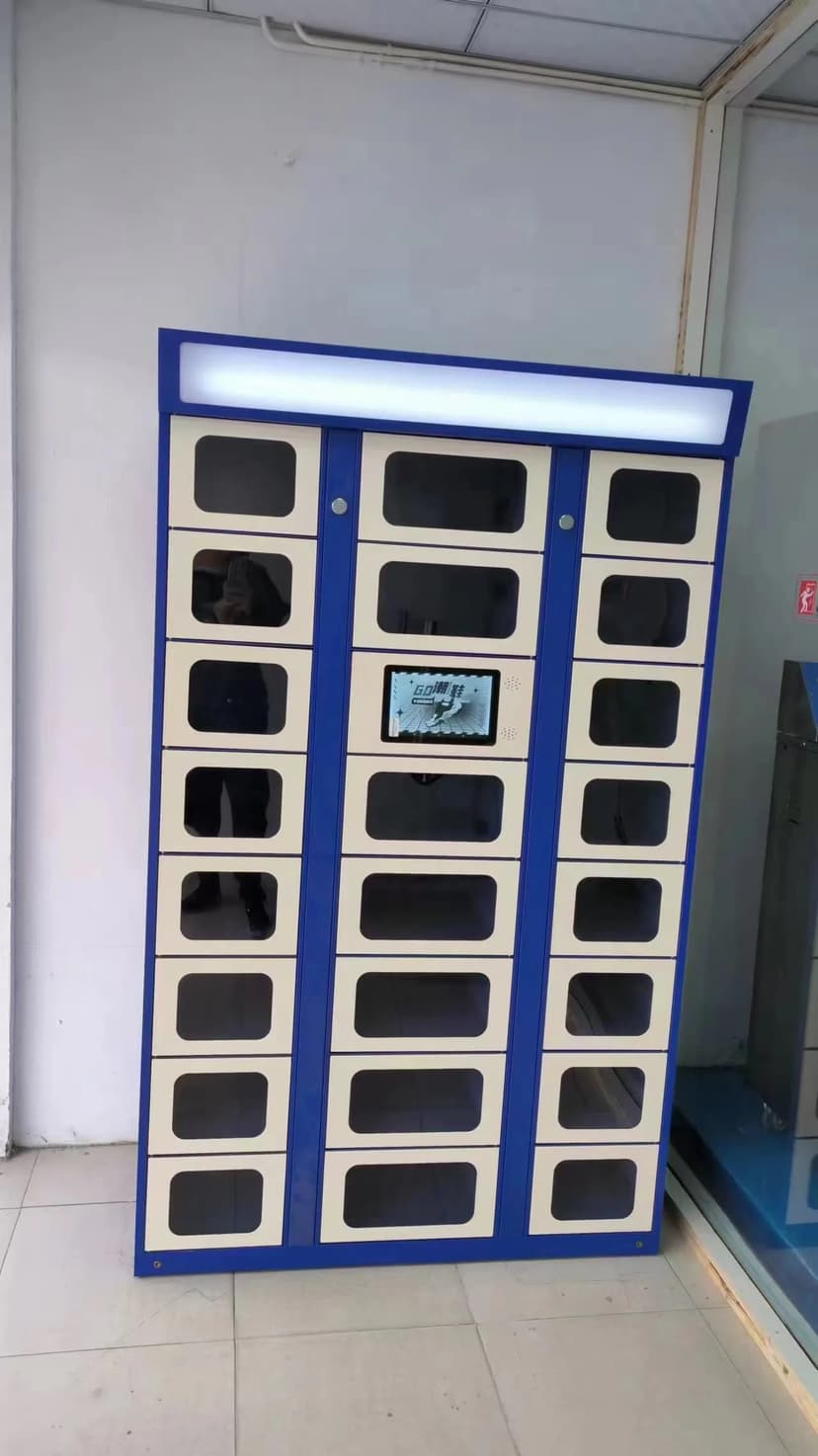
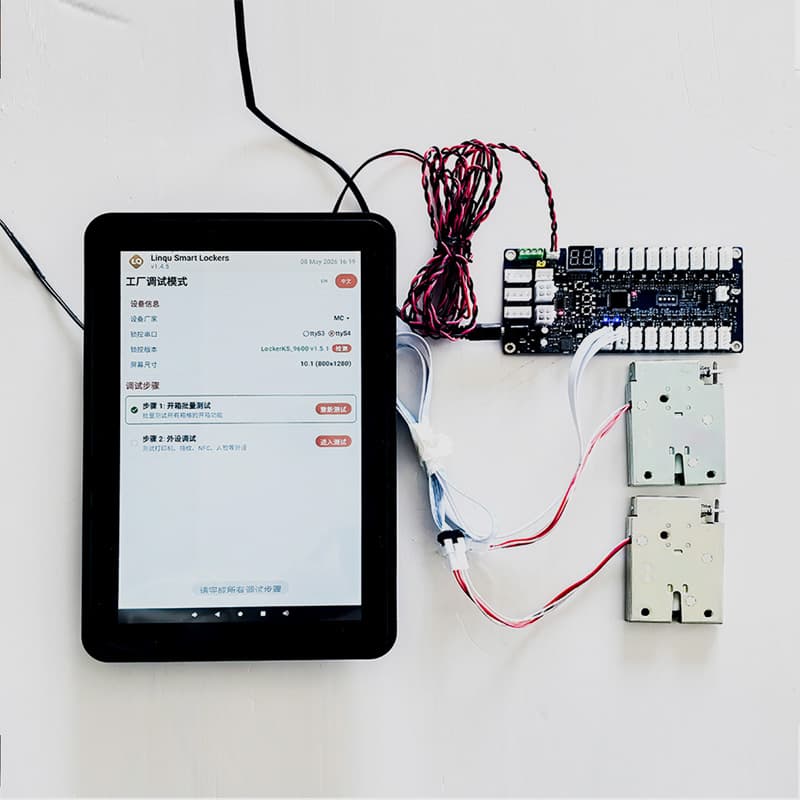
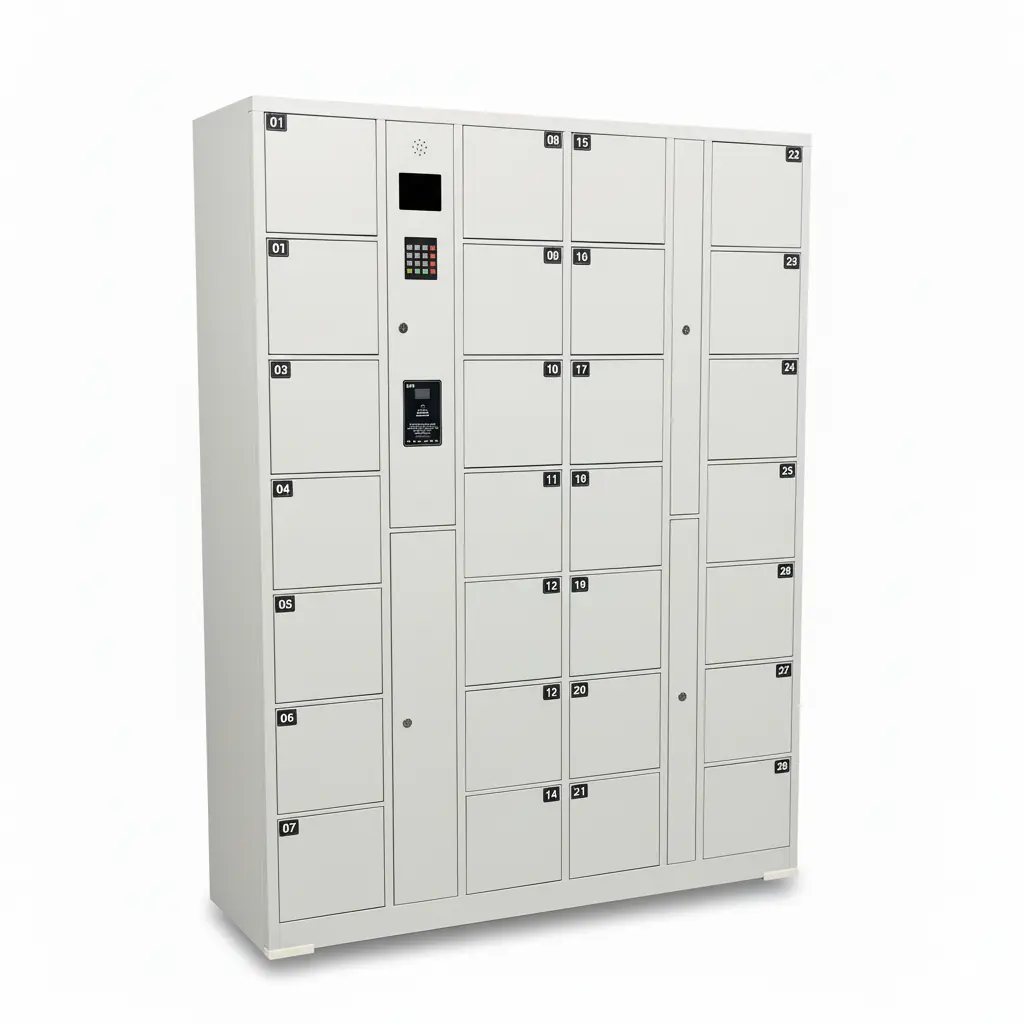
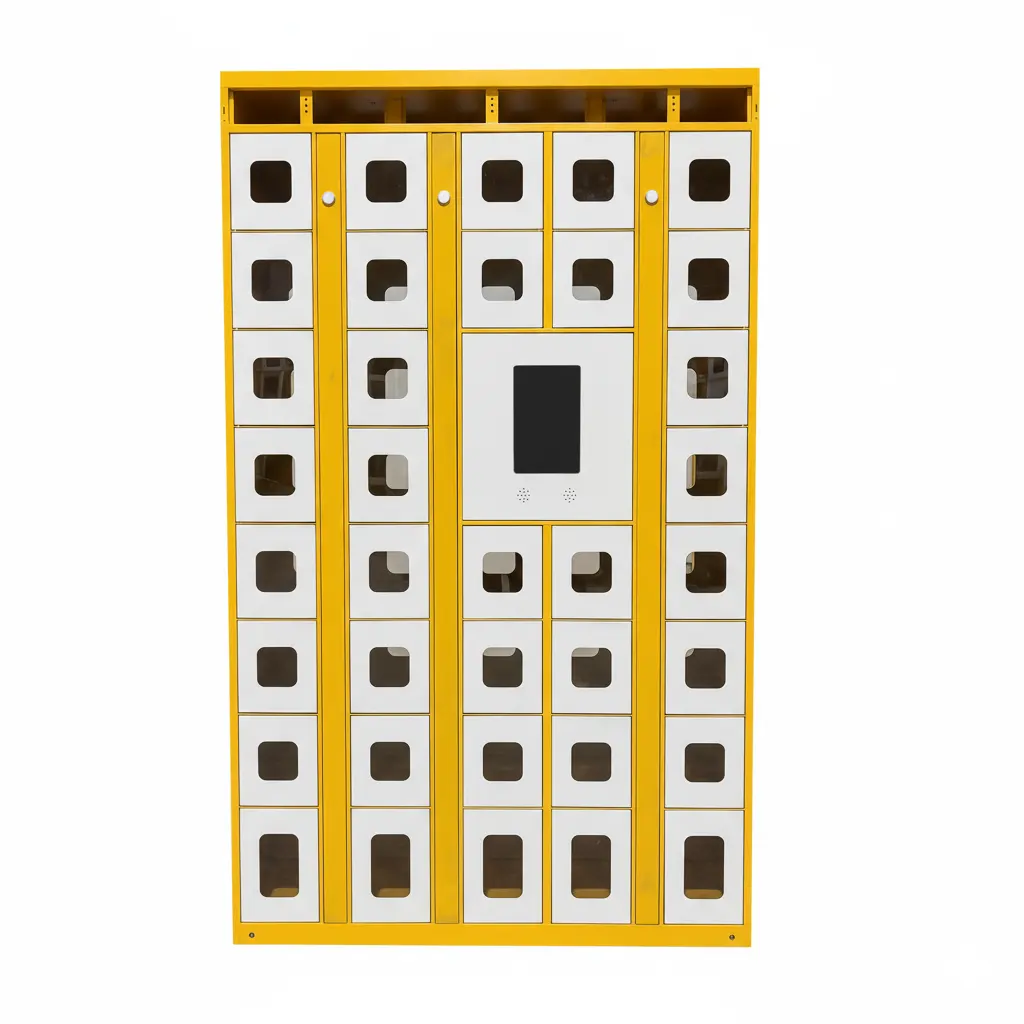
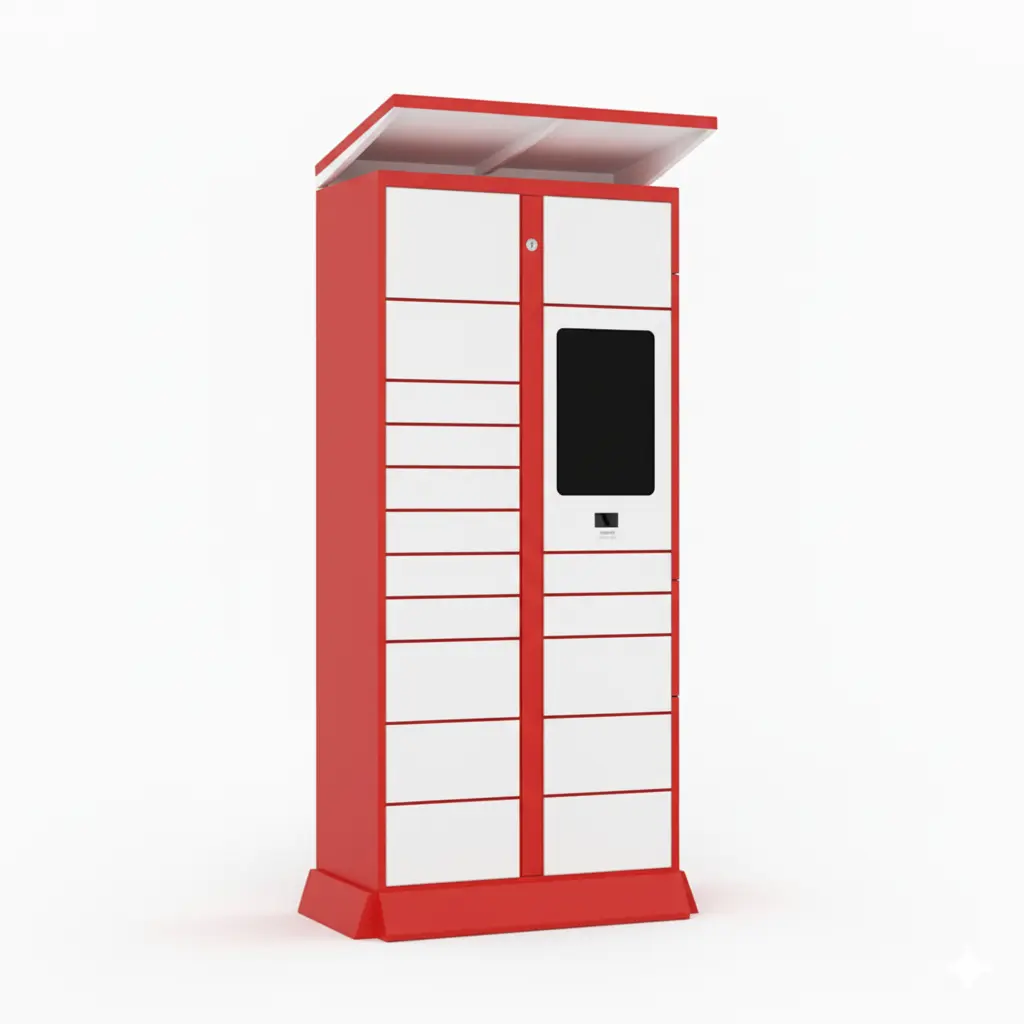
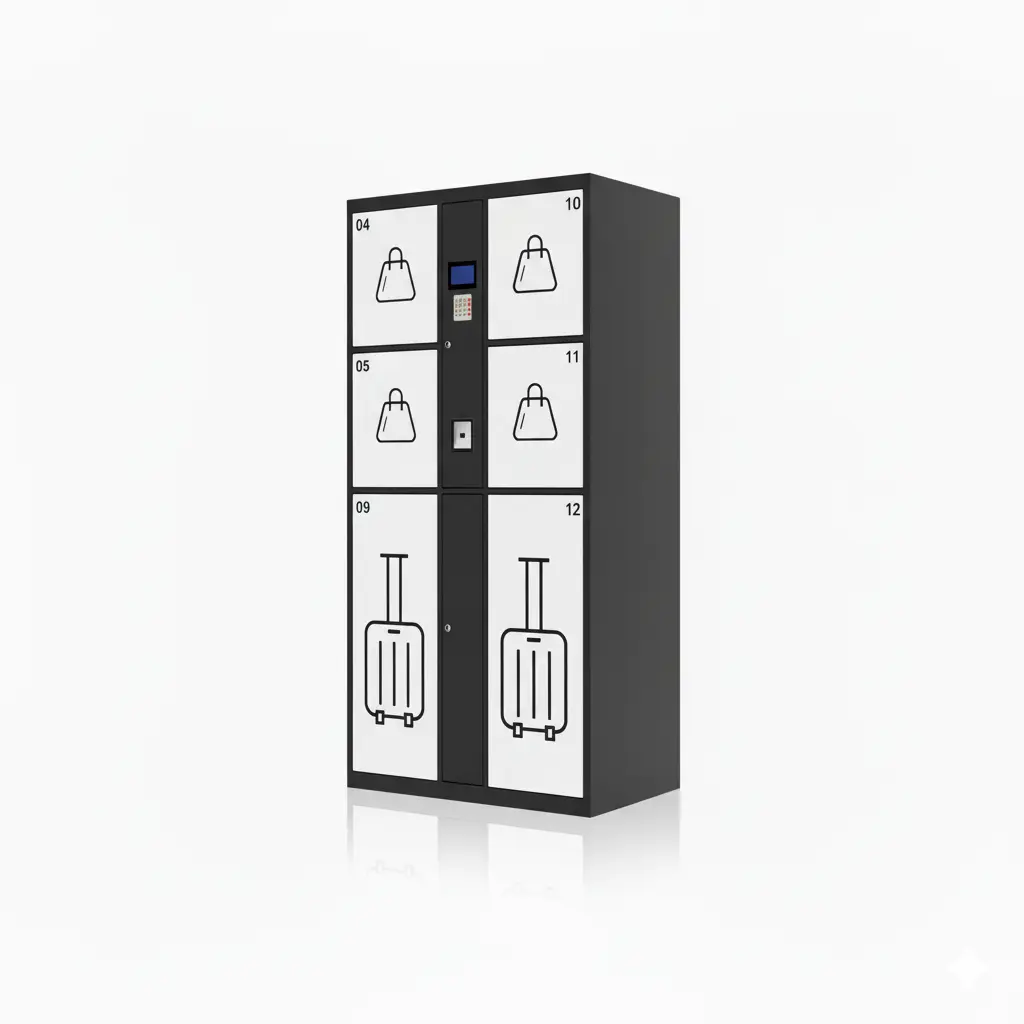
Our BOPIS smart locker solution is delivered as three coordinated layers. The hardware is a modular steel cabinet with electronic locks, a 10 to 21 inch touchscreen, a barcode and QR scanner, optional RFID, and 4G or Ethernet connectivity. The cloud platform handles order routing, compartment assignment, multi-tenant management, customer notifications, and dwell-time analytics. The integration layer connects to your POS, OMS, WMS, and customer app through REST APIs, webhooks, and SFTP file drops for legacy systems.
The locker ships pre-provisioned. A two-person crew installs and commissions a typical 30-compartment unit in under four hours, and the cloud connection is live the moment power and network are plugged in. For chains rolling out across hundreds of stores, production runs in our own 20,000 sqm factory in Luoyang, Henan, China, with configuration, branding, and palletization completed before shipment; standard orders leave the line in around 20 days.
Workflow - Order, Stage, Notify, Pickup
The end-to-end click and collect workflow looks like this from the moment the customer hits the buy button to the moment they walk out of the store:
Order placed online. Customer selects 'Pickup' in your app or website. The OMS routes the order to the destination store and reserves a compartment of the correct size and temperature class through the locker API.
Order picked and staged. The store associate picks the order, scans it on a handheld, and the locker assigns the next available compartment. The door pops open, the associate places the bag inside, and closes it. Total staging time: under twenty seconds per order.
Customer notified. The locker platform pushes a notification through the customer app, SMS, and email with a six-digit pickup code, a QR code, and an optional ETA window. Notifications are throttled and re-sent if pickup is approaching the cut-off.
Customer arrives. The shopper walks to the locker, scans the QR code or types the pickup code, the correct compartment unlocks, the order is removed, and the system marks the order complete in the OMS.
Exception handling. Orders that exceed the seventy-two-hour pickup window automatically trigger refund or restock workflows. The associate gets a daily reclaim list and the compartment is freed back into the pool.

Hardware Options - Ambient, Heated, and Refrigerated Compartments
Different retail categories need different temperature zones. We design our cabinets so a single deployment can mix ambient, heated, refrigerated, and frozen compartments on the same controller, sharing one touchscreen and one cloud connection. This matters because a grocery store with a hot deli, a salad bar, and a fresh-meat counter cannot use ambient-only lockers without losing food-safety compliance.
| Configuration | Use Case | Temperature Range | Typical Compartment Mix | Power Draw |
|---|---|---|---|---|
| Ambient | Apparel, electronics, dry goods, pharmacy non-Rx | Room temperature | 30 to 60 mixed sizes | 0.2 kW |
| Heated | Hot deli, prepared meals, fast-casual pickup | 60 to 75 C | 12 to 24 hot compartments | 1.8 kW |
| Refrigerated | Grocery chilled, dairy, produce, beverages | 2 to 8 C | 16 to 36 chilled compartments | 1.2 kW |
| Frozen | Ice cream, frozen meals, frozen meat | -18 to -22 C | 8 to 16 frozen compartments | 2.4 kW |
| Hybrid Multi-Zone | Full grocery click and collect | -22 to 75 C | Custom mix per category | 3.5 to 5 kW |
For chains running hot food pickup, see how the heated food delivery locker integrates the same OMS hooks while holding meals at safe serving temperature for up to four hours.
POS, OMS, and Customer App Integration
A locker is only as good as its integration. We support three integration tiers so retailers can start fast and deepen later.
Tier 1 - Standalone: The locker uses its own admin console for assignment and pickup. Associates manually scan and assign. Good for pilots and stores with no OMS.
Tier 2 - API Integration: Our REST API pushes order events to and from the OMS. Compartment reservation, pickup confirmation, and exception events fire in real time. Event latency and reconciliation intervals are confirmed per project against your own OMS rather than promised as a blanket figure.
Tier 3 - Deep Embed: The customer app calls our SDK directly so the QR code is generated inside your app. Branding, language, and notification cadence match your existing customer experience. Returns and exchanges are handled inside the same locker without a counter visit.
To be direct about what we do and do not offer: we do not ship a pre-built connector for any specific POS or OMS product. Integration runs through our open REST API and webhooks, so locker events can be pushed into the system you already operate, with a generic CSV import for legacy back-office tools. Role-based permissions and audited operation logs are standard across all tiers. Request the API documentation during vendor selection and have the integration effort assessed before you commit.
ROI for Retailers - Labor Savings and Conversion Lift
The financial case for a retail BOPIS solution rests on four levers. We do not publish a payback figure borrowed from another retailer, because the result is driven almost entirely by your own order volume, labour cost, and pickup behaviour. Here is the model to fill in with your own numbers:
Labor savings: Time a real handover in your own store — from the moment an associate leaves the task at hand to the moment the customer walks away — then multiply by daily BOPIS orders and your fully loaded hourly labour cost. This is usually the largest lever, and the only one you can measure before installing anything.
Conversion lift: 24/7 pickup turns same-day-only into anytime-pickup. Whether that produces incremental orders depends on your catchment and your customers’ schedules. The way to find out is to measure the share of pickups that happen outside opening hours during a pilot, rather than to assume a percentage.
Shrink reduction: Locked compartments and audit logs replace open-shelf staging, so every handover carries a timestamped record. Size this lever from your own pickup-related shrink and dispute figures over the last twelve months.
Floor space recovered: Moving staged orders out of the customer service area frees the floor space those totes occupy today, often repurposed for impulse merchandising. Measure it in your own store, since it varies with how orders are currently staged.

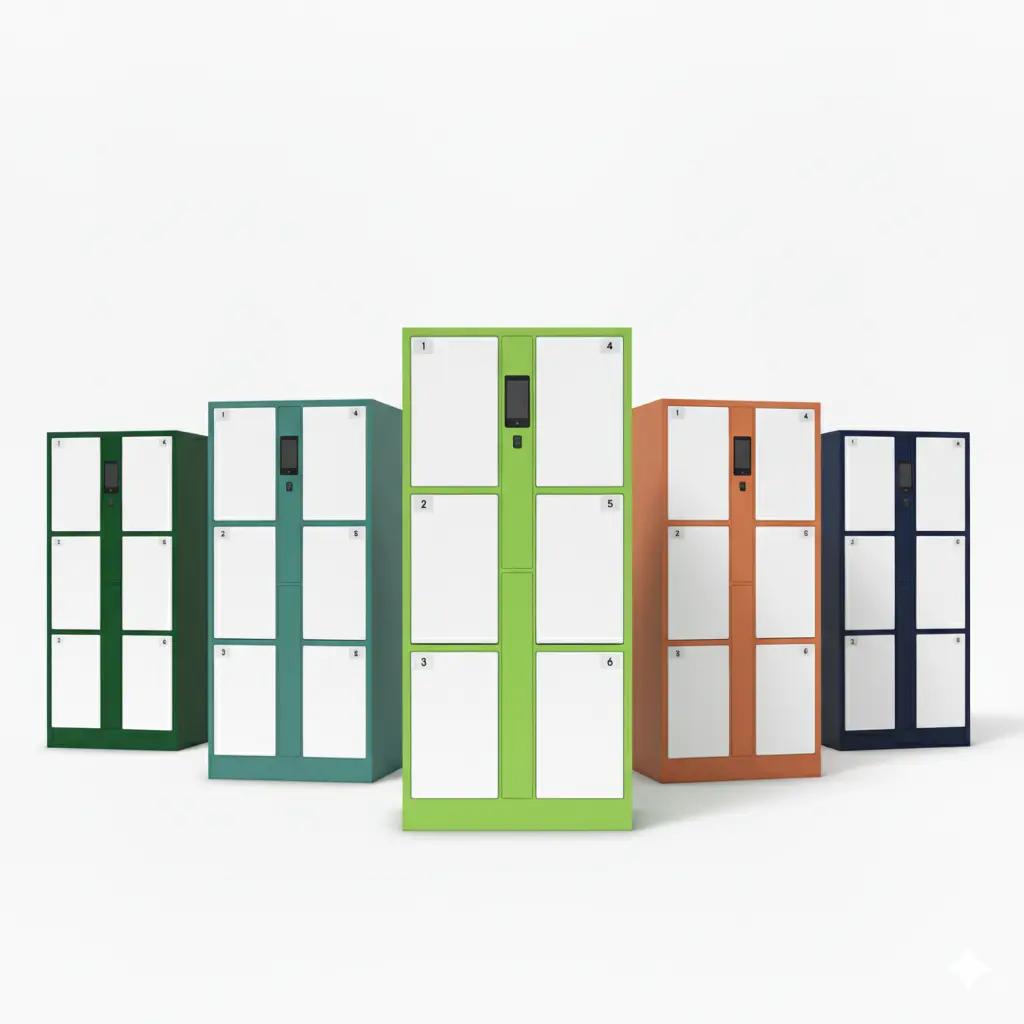
For chains evaluating the front-door footprint, our retail pickup parcel locker family ships in fourteen widths and three depths, so you can size to vestibule, drive-thru, or in-store back-wall installation.
Why LinQu - Manufacturing and Customization
LinQu was founded in 2018 and builds smart lockers for retail and logistics in its own 20,000 sqm factory in Luoyang, Henan, China, where sheet metal, powder coating, electronics assembly, software flashing, and quality assurance all happen under one roof. Our lockers are deployed with B2B customers across East Asia, Southeast Asia, North America, and Africa.
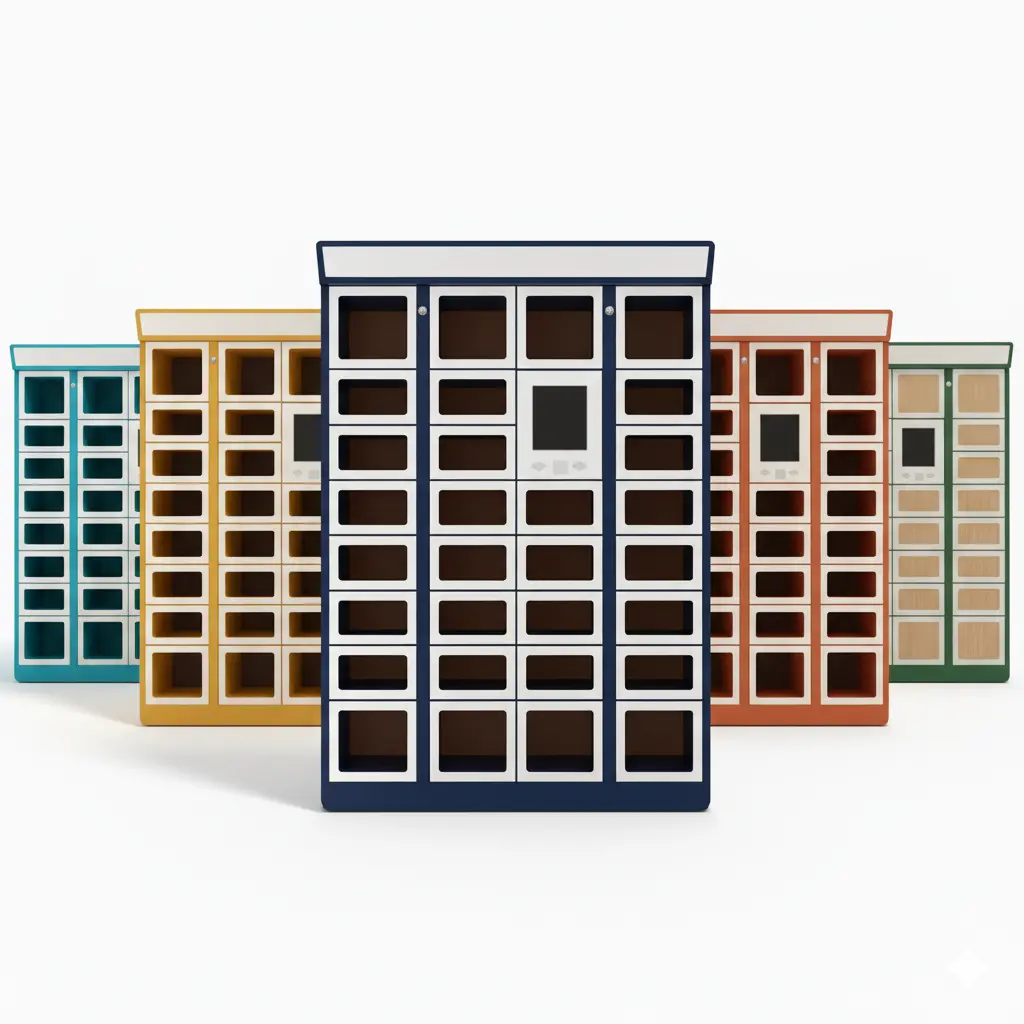
What makes us different for retail operators is that customization happens on our own line rather than through a supplier. Standard cabinets leave the factory in around 20 days; custom paint, branding, compartment mixes, and touchscreen UI are quoted with their own lead time per project. Cabinet dimensions, compartment layout, colours, logo, and screen UI are all built to your specification. For background reading on the heated food category specifically, see our deep-dive on heated food locker article.
Every locker reports door, lock, temperature, and network telemetry to the cloud platform, so a failing compartment is visible in the dashboard and new orders are automatically routed to the remaining compartments. Support is delivered remotely: remote diagnostics, remote software upgrades, and free replacement parts under the one-year hardware warranty. On-site intervention is arranged per project through a local installer or your own contractor — we would rather state that plainly than imply a global field-service network we do not operate.
Get a Quote for Your Retail BOPIS Rollout
If you are scoping a click and collect rollout, the fastest path to a number is a thirty-minute call with our solutions team. Bring your store count, average BOPIS orders per day, the temperature mix you need, and your target POS or OMS, and we will come back within 24 hours with a cabinet configuration, an integration scope, and a quote covering hardware, shipping, the one-year hardware warranty, and free remote software support.
Pilots typically start with three to five stores, scale to twenty in the second wave, and complete chain-wide deployment in six to nine months. Whether you are running fifty stores or five thousand, the BOPIS smart locker is the cleanest, fastest contactless pickup retail upgrade you can ship this year.