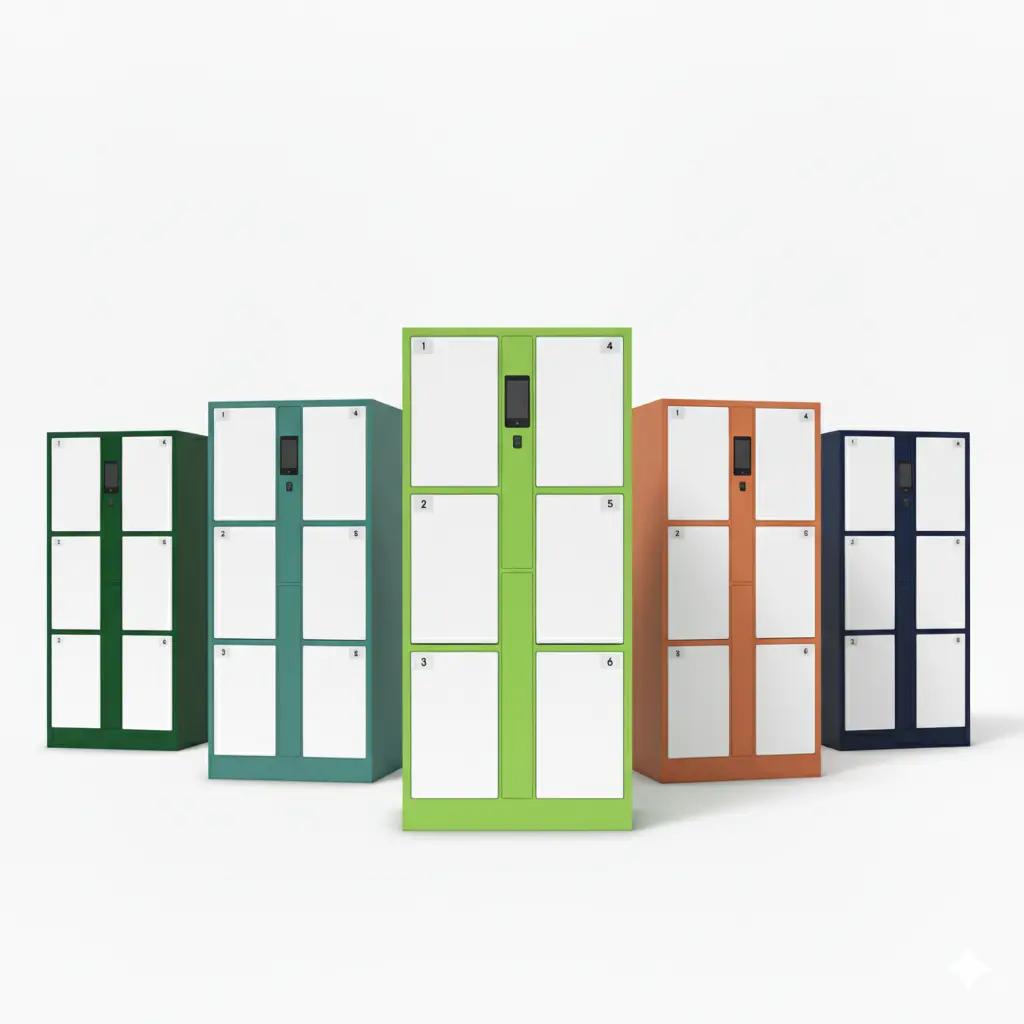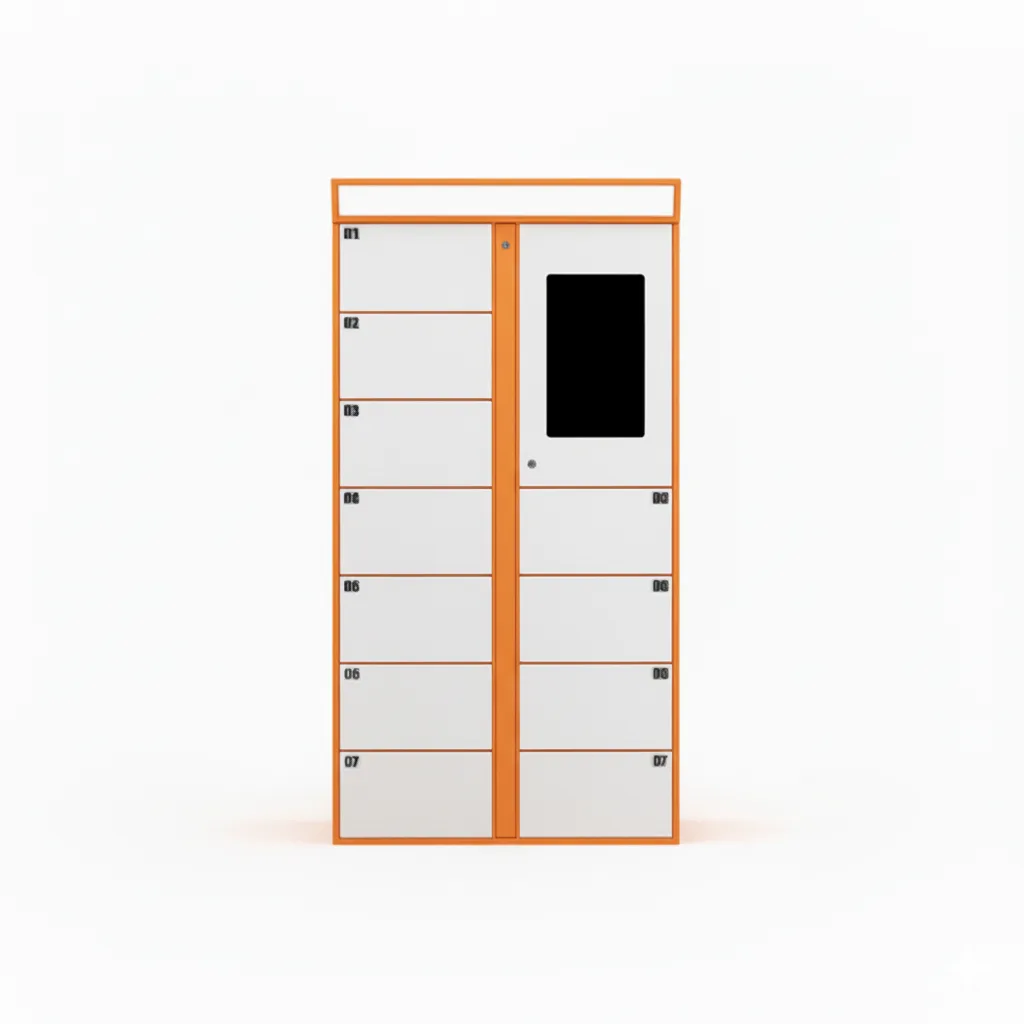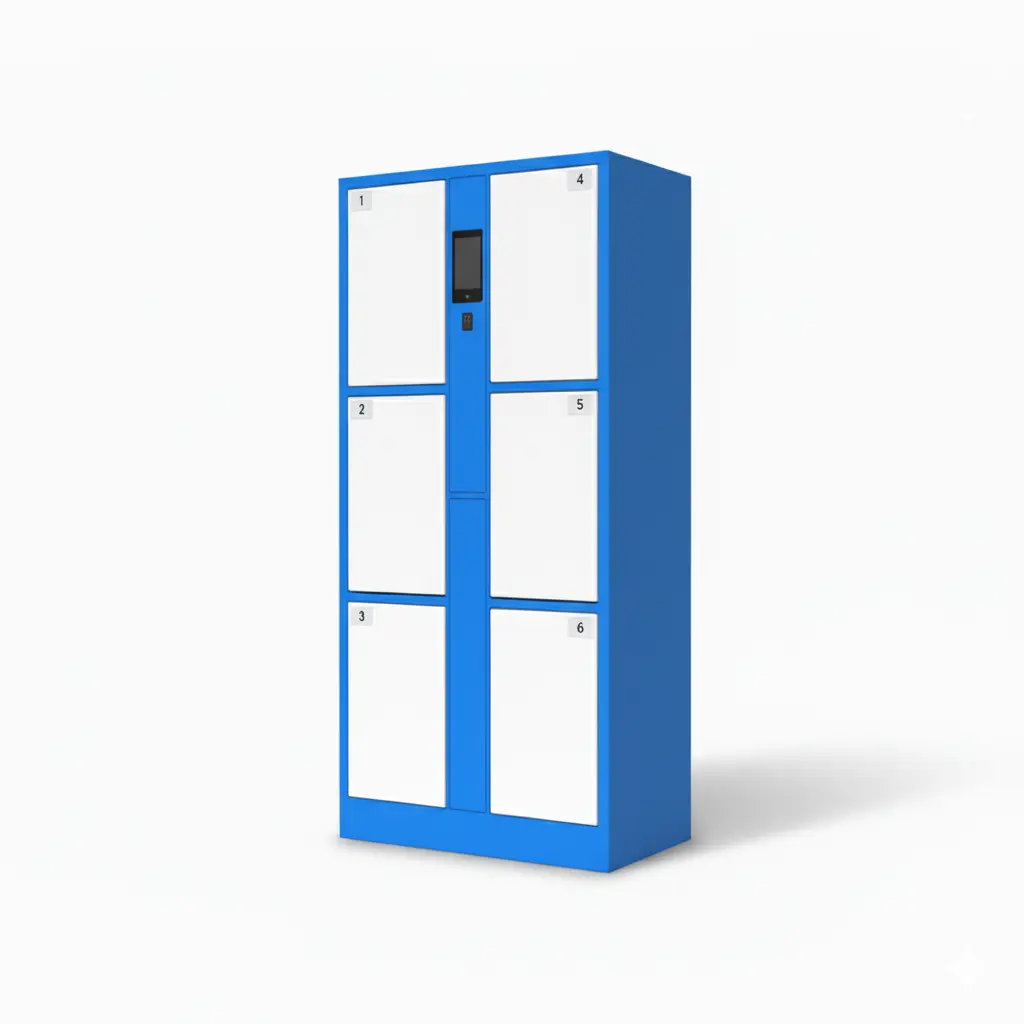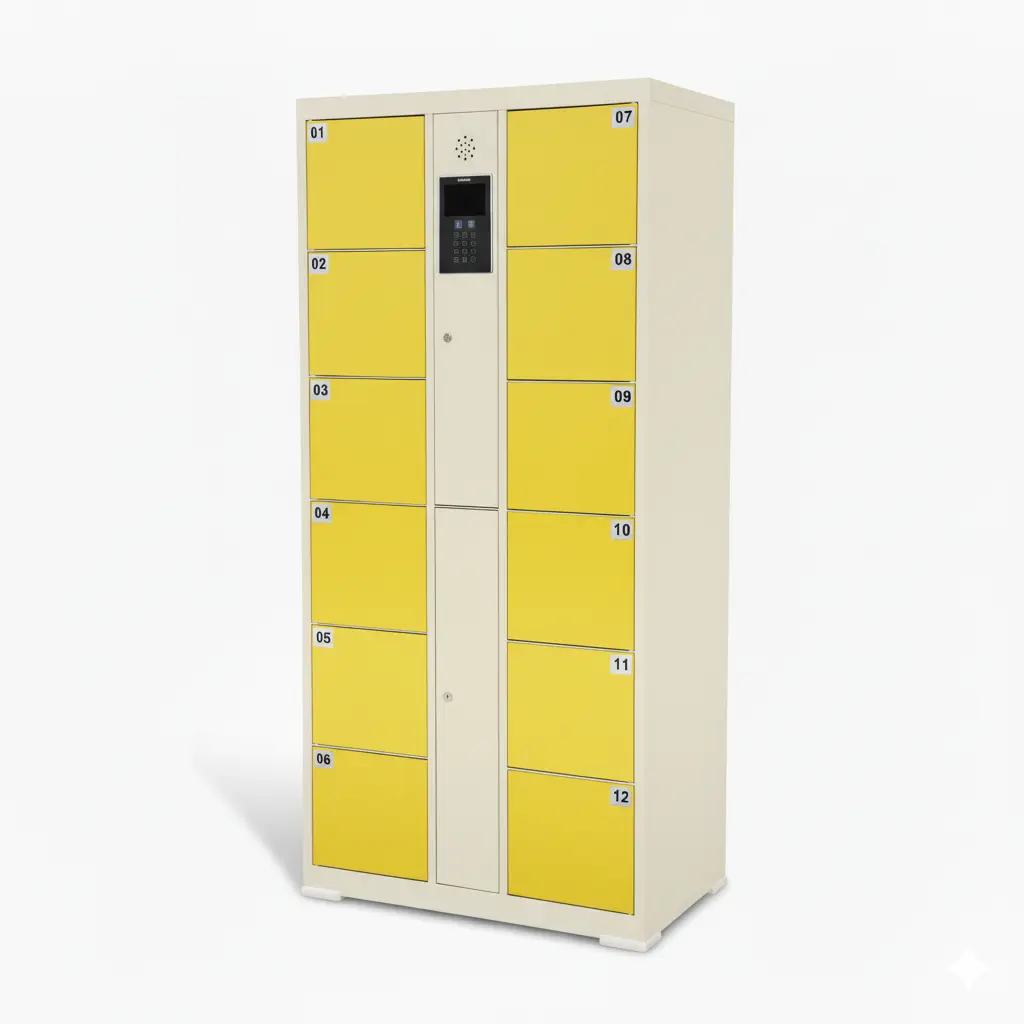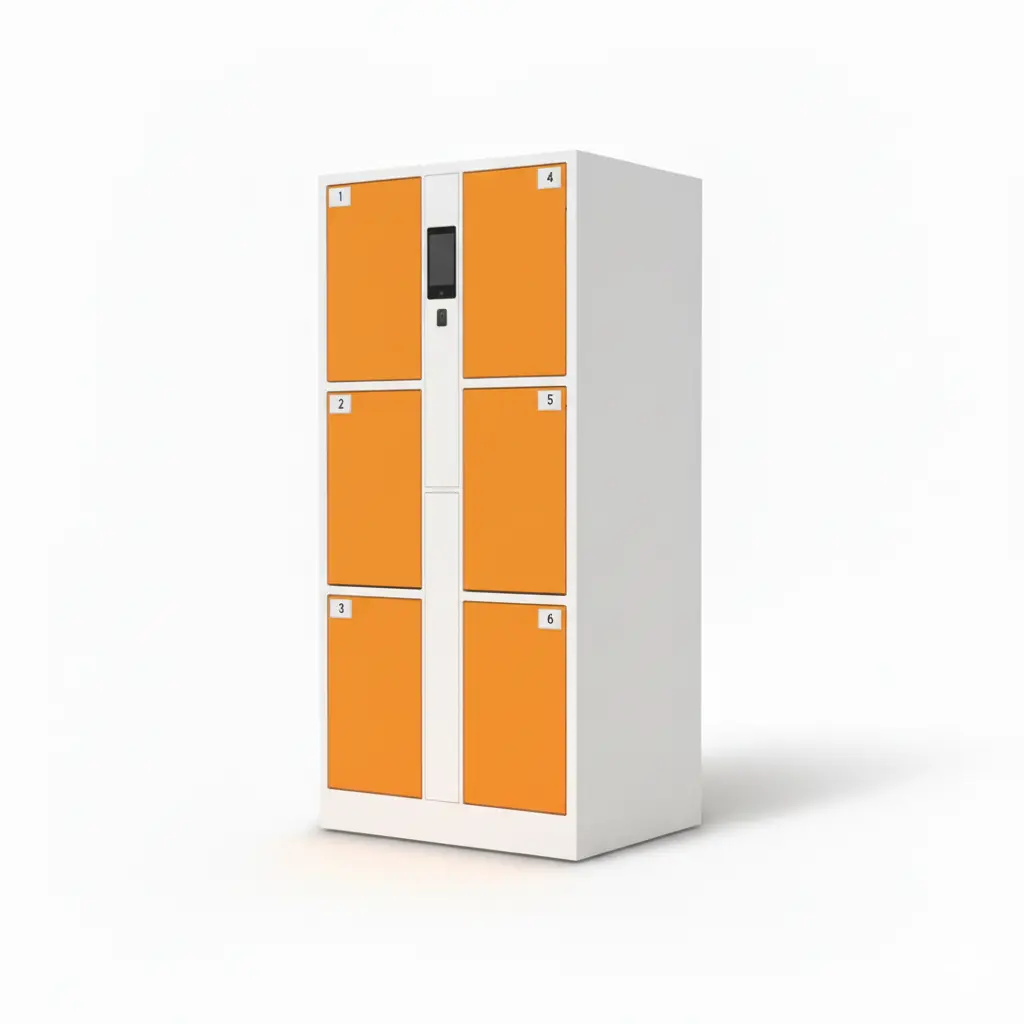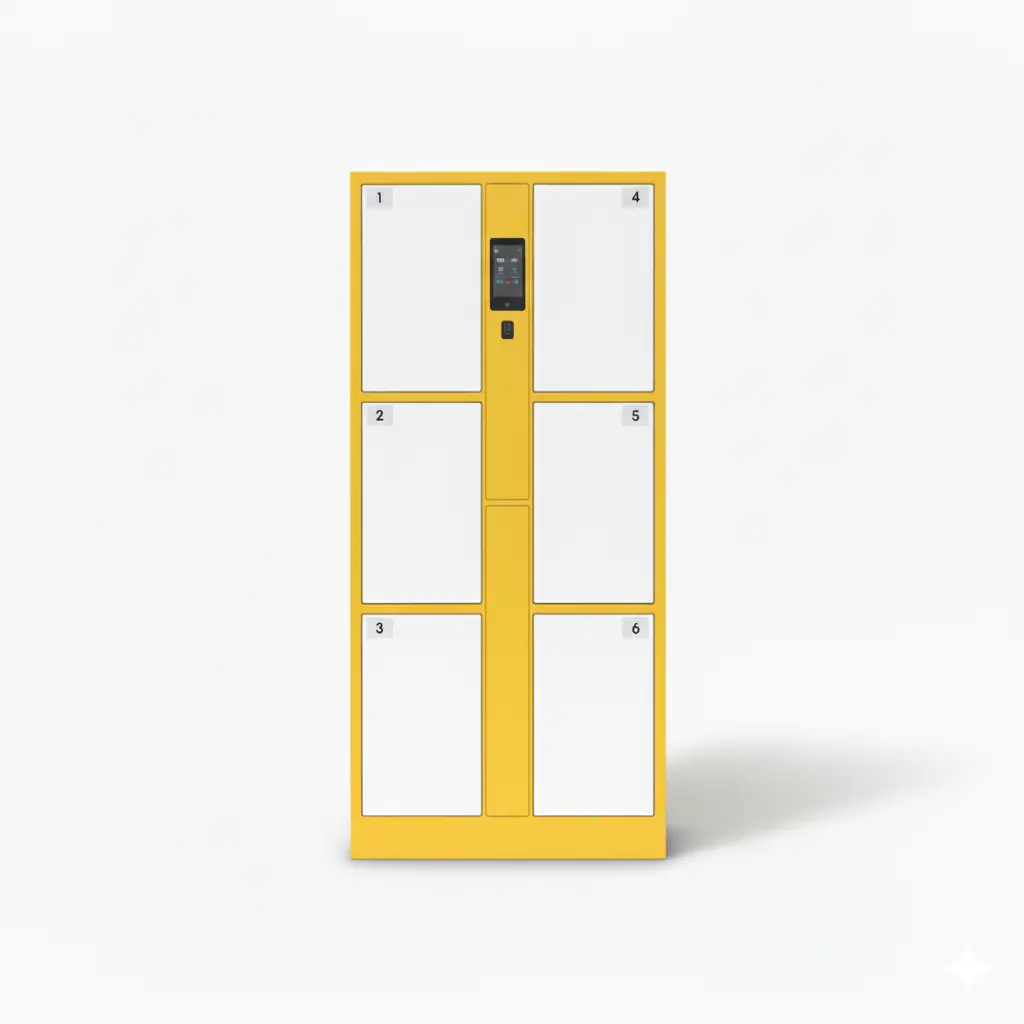
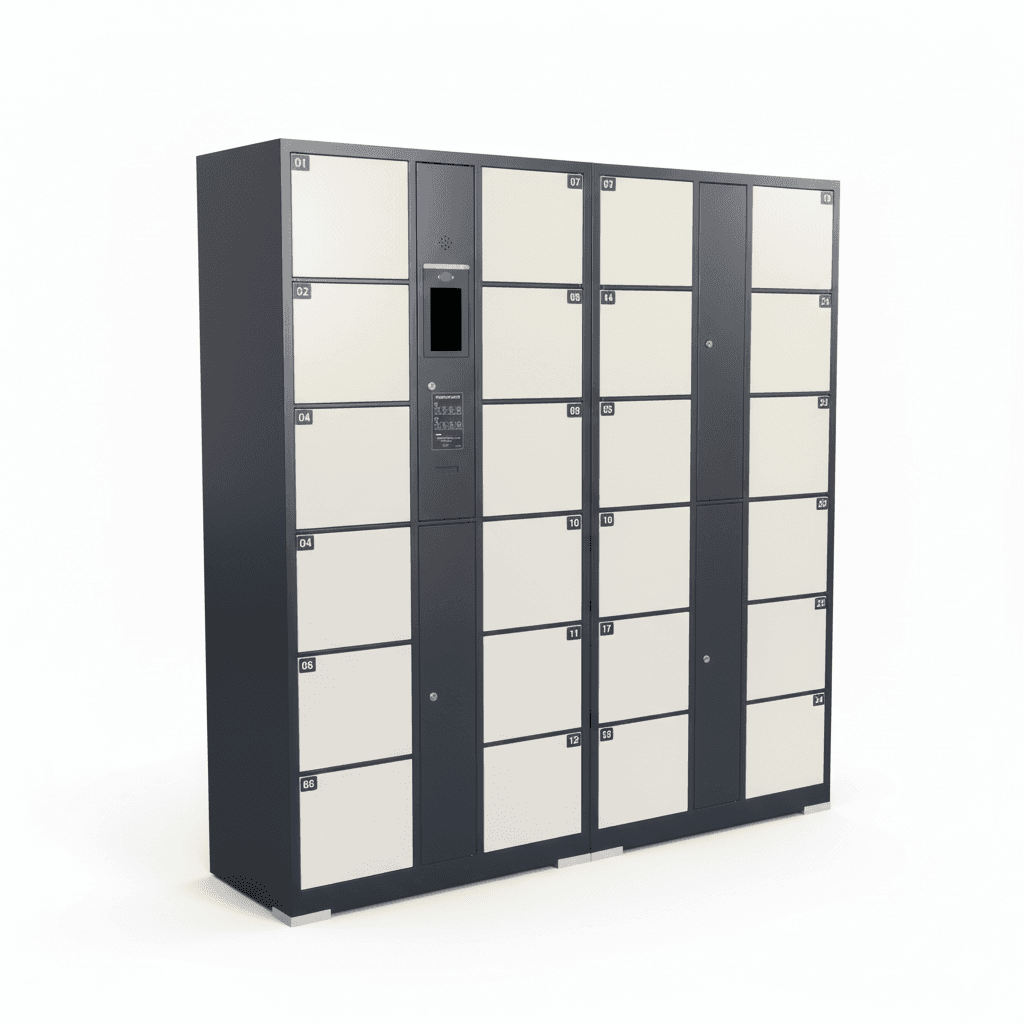
A pattern is spreading across major sports and entertainment venues: bag rules are getting tighter. The usual approach is to cap bag dimensions or allow only clear bags. Those rules do speed up screening, but they create a second problem that often goes unplanned — the bags that get turned away at the gate have to go somewhere.
Provision is uneven. Some venues run a paid bag check outside the gates; others state plainly that no storage is available, leaving visitors to walk back to a car park, find a nearby shop, or abandon the item. For the venue, that is both a complaints generator and a stretch of wasted ingress time.
Venues in the UK have an additional consideration. As new public-protection duties for larger premises move into force, venues expecting higher attendance need proportionate physical protective measures in place and documented. It is worth being precise about what that does and does not mean: the legislation calls for measures, it does not mandate lockers. Pre-entry storage is one way of supporting such measures, and it happens to solve the turned-away-bag problem at the same time.
This article does not argue about whether lockers beat a staffed cloakroom. It answers the practical questions a venue faces once it has already decided to provide storage: how many, what sizes, where, and what happens when the network drops.
Start by Sizing It Properly
Most venue storage projects that disappoint do not fail on product choice. They fail because the quantity was estimated badly. Here is the frame to work from:
Compartments needed ≈ people needing storage in the peak window ÷ turns available per compartment in that window
People needing storage in the peak window = venue capacity × arrival concentration × share carrying non-compliant items
Each input deserves a comment, because this is where estimates go wrong:
- Arrival concentration. Most attendees arrive within the 30–60 minutes before doors or kick-off. That window is your design load. Dividing total attendance by opening hours will understate demand badly.
- Share carrying non-compliant items. This is driven by how strict your bag policy is, how your audience travels (commuting straight from work versus arriving by car), and the weather — coats and umbrellas count. Use your own gate observations. Borrowing a percentage from another venue is the fastest way to get this wrong.
- Turns per compartment. Pre-entry storage barely turns over at all: an item goes in before the event and comes out after it. Design on roughly one person per compartment for the event, not on the high-turnover model used for mall or transit lockers.
- Egress is a second peak. Collection is more concentrated than deposit, because everyone leaves at once. If the collection flow is not designed separately, congestion simply relocates from the entrance to the exit.
Be realistic about what this model produces: a range, not a number. A sensible approach is to deploy at the lower end of the estimate for the first event, measure actual usage, and adjust. Buying to the top of the range before you have a single event of real data is how venues end up with idle banks.
Getting the Compartment Mix Right

What people hand over at a venue is not what they hand over at an airport or a hotel. The mix skews heavily toward backpacks, shoulder bags, coats and umbrellas; full-size suitcases are the exception rather than the rule. Your compartment mix should reflect that, with the bulk of capacity in small and medium sizes and a smaller number of large compartments held back for oversized items.
We are deliberately not publishing a "recommended ratio" here, because a ratio copied from another venue is worth very little. The mix that works is the one derived from your own gate data — what your stewards actually turn away, on a normal event and on a bad-weather event. If you are starting from zero, run the first event with a deliberately conservative mix, log what did not fit, and correct from there.
One error is worth calling out because it is both common and expensive: sizing every compartment for the largest item you might ever receive. It feels safe and it wastes a great deal of space. For the same floor area, a well-matched mix serves substantially more people than a uniform bank of large boxes. The general method for working this out is covered in our guide to choosing locker compartment sizes, which was written for parcel networks but whose sizing logic transfers directly.
Fixed Installation or Event-Only Deployment

This is a decision venues face that most other locker buyers do not.
| Situation | Recommended approach |
|---|---|
| Year-round, high frequency (a resident team, a permanent show) | Fixed installation; specify a unit rated for long-term indoor or semi-outdoor use |
| Seasonal or one-off large events (festivals, expos) | Temporary deployment; prioritise units that can be moved, powered and connected quickly |
| Demand not yet known | Small fixed bank plus temporary capacity for peak events, then resize once you have data |
Temporary deployment carries constraints worth checking early: available power points, network coverage at that spot, floor loading and how units will be secured, and where equipment is stored between events. Products designed for continuous public use — such as transit-hub luggage lockers or timed-billing lockers built for attractions — are usually the closest fit, since both are built for unattended, high-cycle operation.
Placement Matters More Than the Lockers
A well-specified locker bank in the wrong place will still fail. Four rules:
- Put storage before the security check, not after it. If someone must clear screening before they can store a bag, anyone turned away has to walk back against the incoming flow. That counter-flow is worse than the original problem.
- Leave a buffer between the lockers and the screening lanes so the storage queue does not itself block the checkpoint.
- Separate deposit and collection, physically or by timing. Deposit is spread across the arrival window; collection is a single hard peak at the end.
- Signpost it before the decision point. Visitors need to know storage exists before they reach the front of the screening queue, otherwise the facility goes unused and staff spend the evening pointing at it.
What Happens When the Network Drops
Venues are a high-concurrency, low-tolerance environment: a failure at 19:45 on a full house is not a support ticket, it is an incident. The questions your operations and security leads will ask are these:
- Loss of connectivity. Credential validation should work locally rather than depending entirely on a cloud round-trip, with records syncing once the connection returns.
- Loss of power. Plan for backup supply, and confirm the mechanical override procedure for opening compartments if power is lost — including who is authorised to use it.
- Uncollected items. Define the post-event process before the first event: how long items are held, who may open a compartment, and how that is recorded.
- Disputes. Every open and close should carry a timestamped record. This is what settles arguments about missing items, and it is also the kind of documentation that supports a venue's wider security record-keeping.
- Notifications. SMS is the standard channel; other channels can be added as project-specific development.
Power and connectivity requirements are set out in more detail in our installation guide covering power and network.
Free or Paid

Both models work. Free storage is treated as an operating cost that buys a better arrival experience and fewer arguments at the gate. Paid storage covers its own cost and can generate revenue, but introduces questions worth settling early: whether your payment methods work for visitors from abroad, how refunds and failed transactions are handled, and whether storage should be linked to ticketing at all.
Where ticketing or payment integration is required, it is delivered through an open API and confirmed per project. The underlying mechanics of timed billing and temporary access codes are described in our article on pay-per-use lockers with QR payment and temporary PIN codes.
Frequently Asked Questions
How many lockers does a venue need?
Work from the peak arrival window, not total attendance: capacity × arrival concentration × the share of visitors carrying non-compliant items, divided by the turns available in that window. For pre-entry storage, assume close to one person per compartment, since items stay in place for the duration of the event.
Does the law require venues to install lockers?
No. Public-protection duties for larger UK premises call for proportionate protective measures that are documented; storage is one way of supporting those measures, not a prescribed item of equipment.
Should storage sit before or after security screening?
Before. Placing it after screening forces anyone turned away to move against the incoming flow, which creates worse congestion than the bags themselves.
What happens to the lockers between events?
Fixed installations stay in place and can serve other venue functions. Temporary deployments need a plan for movement, storage and reconnection — worth settling before purchase, not after.
Can compartments still be opened if the network fails?
They should be. Look for local credential validation so access does not depend on a live cloud connection, plus a defined mechanical override for loss of power.
About Linqu
Linqu manufactures smart lockers and locker components in Zhengzhou, China, and supplies venue operators, security integrators and storage operators rather than selling storage as a service. That means compartment mix, cabinet dimensions, access method and branding are configured to the project, and OEM or white-label supply is available for integrators packaging storage as part of a wider security or visitor-experience solution.
Next step: tell us your venue capacity, your typical arrival window and your current bag policy, and we will come back with a compartment count and mix recommendation — plus the questions we would need answered to firm it up.
If your interest is guest storage in hospitality rather than event ingress, our comparison of hotel luggage rooms and smart lockers covers that scenario instead.