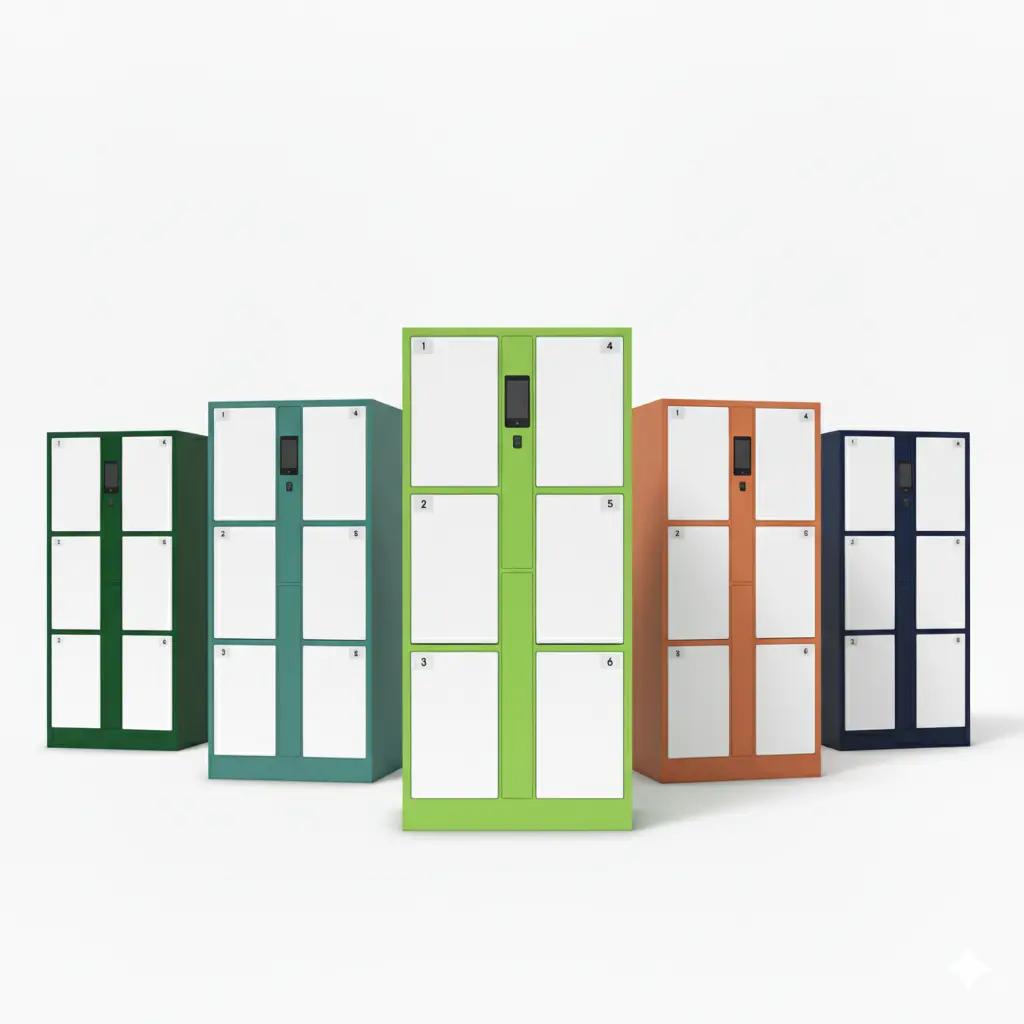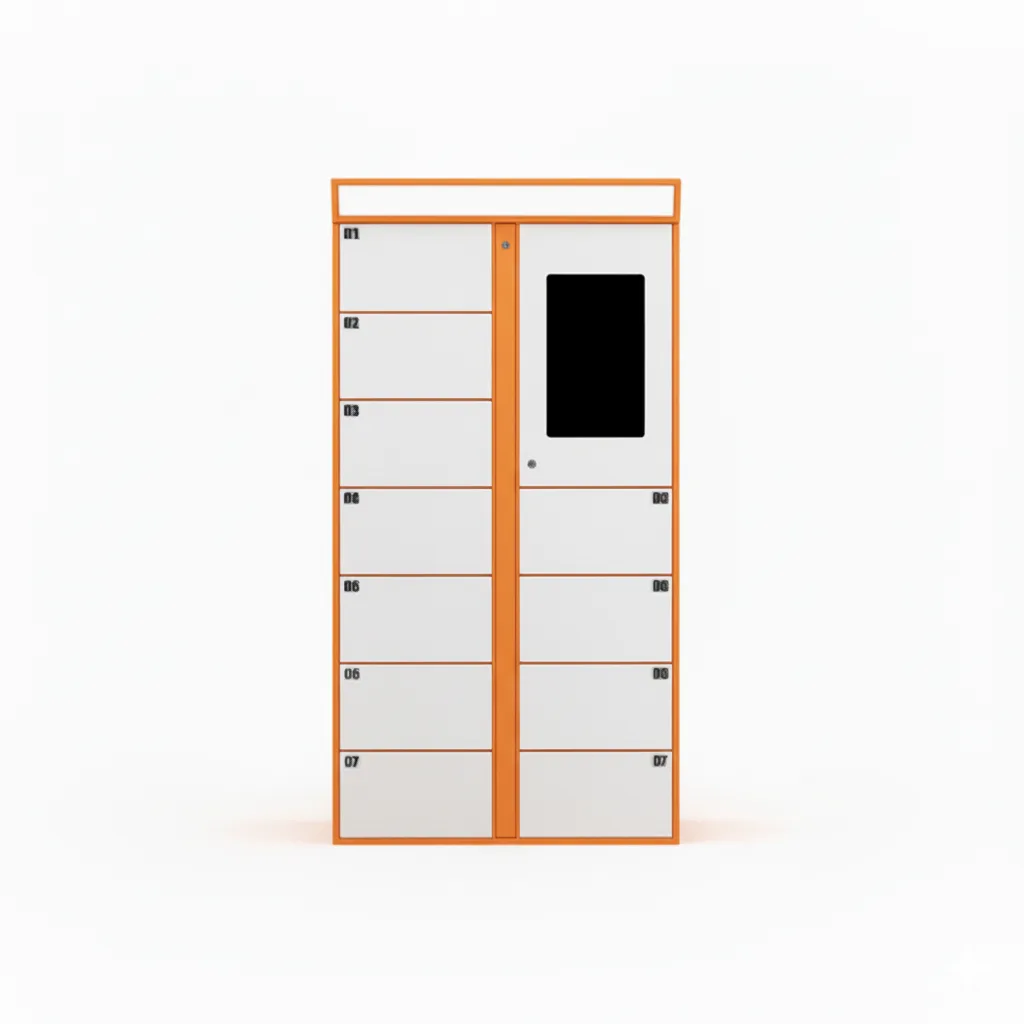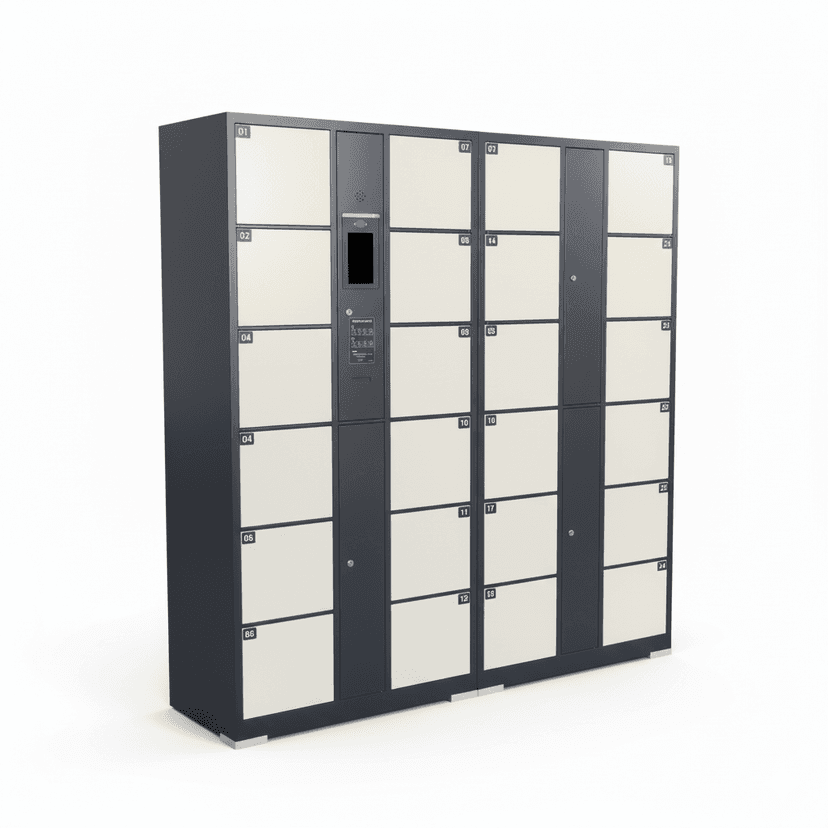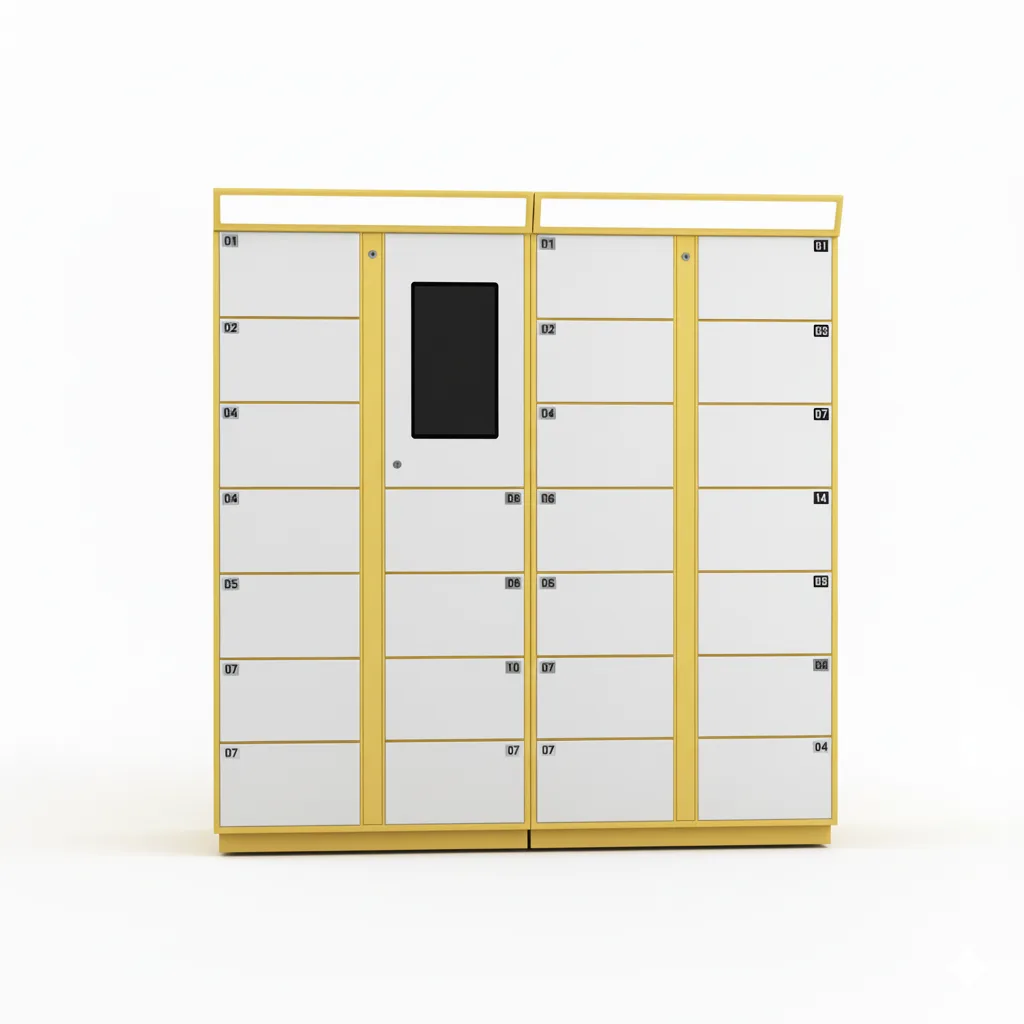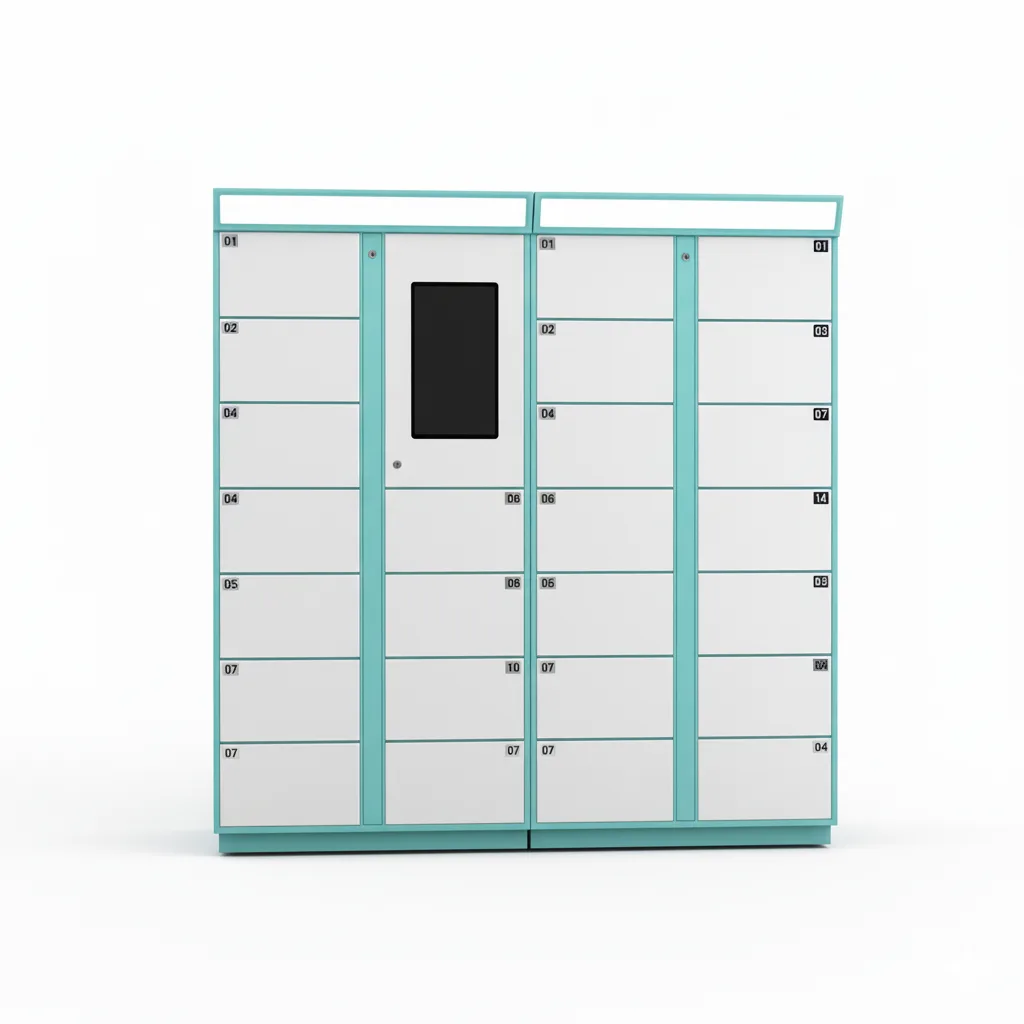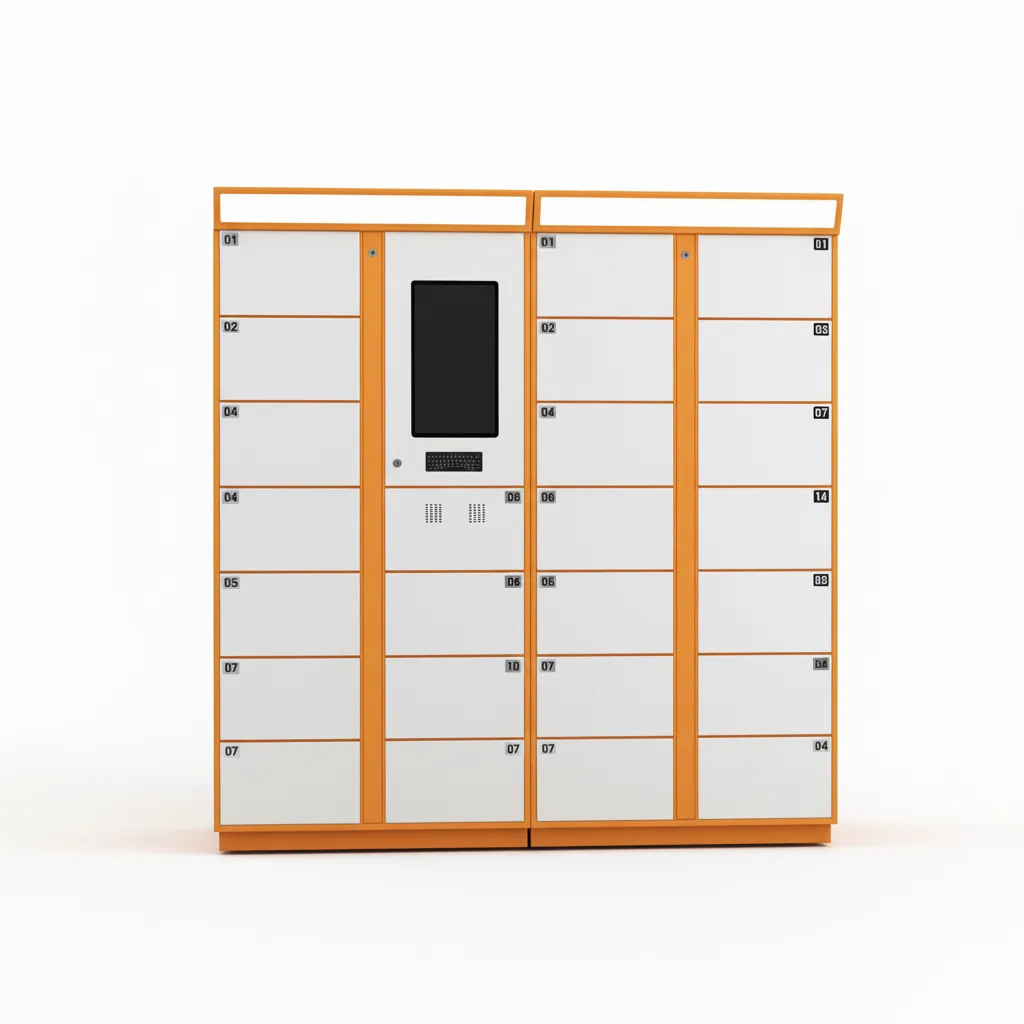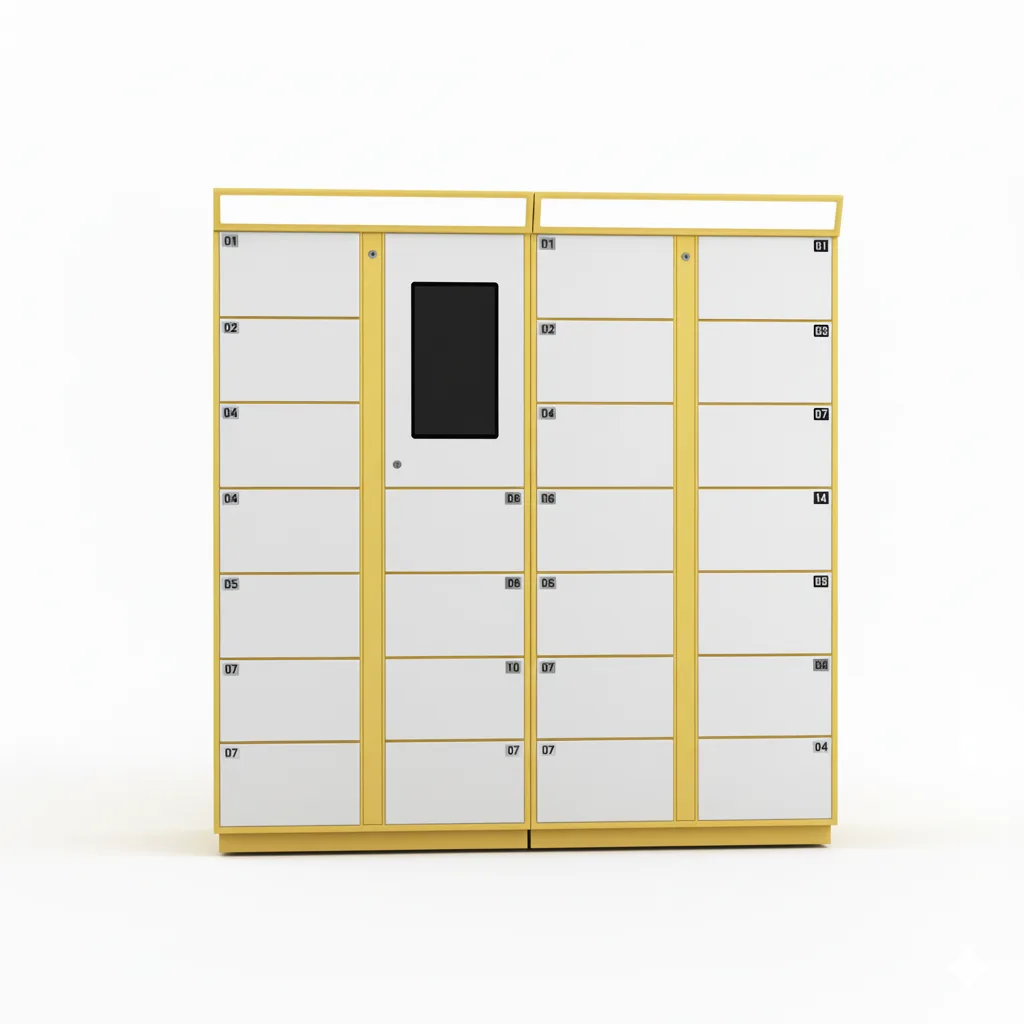
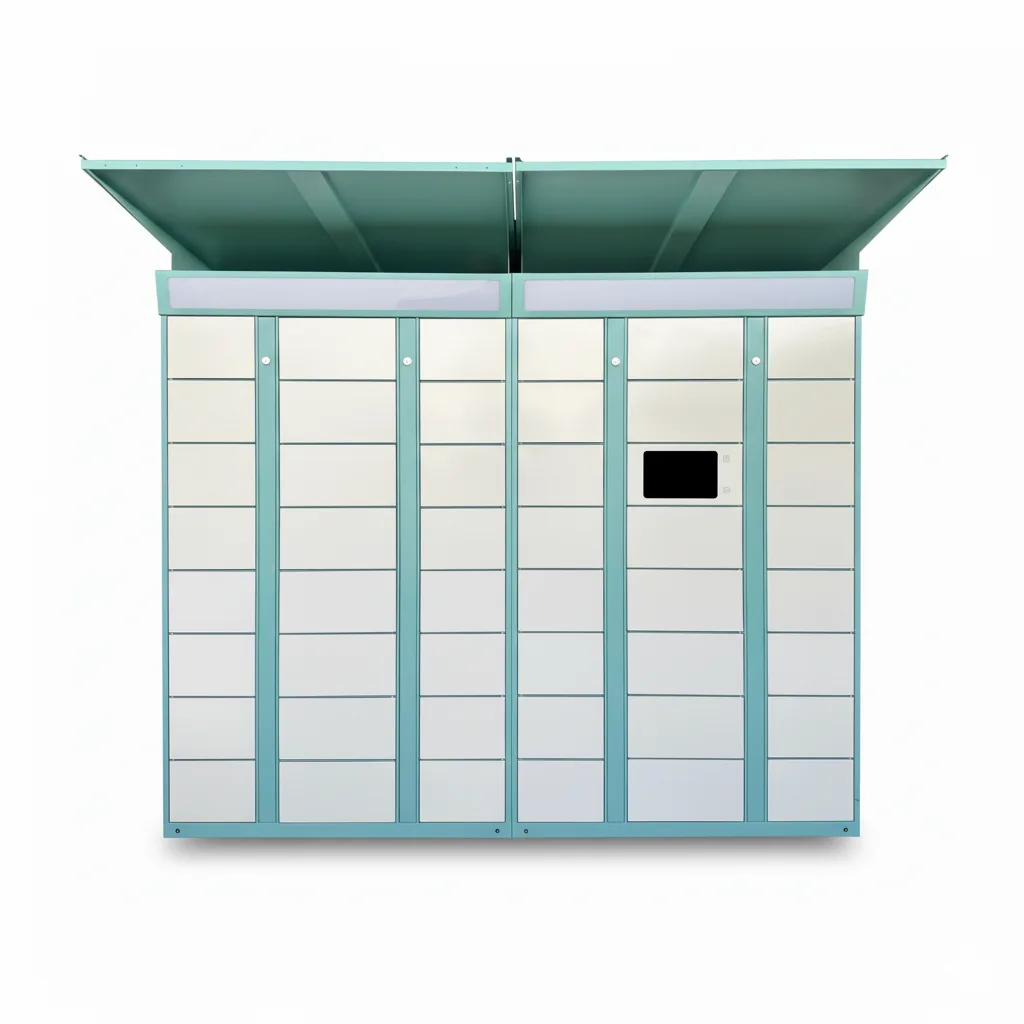
Linqu is a smart locker manufacturer based in Zhengzhou, China, that designs and produces self-service shoe cleaning lockers for gym chains, mall operators, hotel groups, and sneaker care startups worldwide. This article is for the operator side of the equation — if you're considering building a sneaker cleaning locker network, here's the playbook.
For operators comparing hardware options, start with a mall shoe cleaning locker, a campus shoe cleaning locker, or a hotel shoe washing locker depending on the site mix.
The Business Opportunity
Sneaker care has gone from niche service to a measurable category. A $300 pair of trainers commands $25-40 of cleaning revenue per visit, and the urban consumer who owns 4-8 such pairs cycles through care 3-5 times per year. Multiply by mall and gym foot traffic and the unit economics start looking very different from traditional dry cleaning.
The trick is the delivery model. Staffed sneaker care shops have rent, labor, and limited operating hours. A self-service locker network removes all three constraints — and you can run 5-15 locker sites with the same headcount that a single shop needs.

How the Operator Model Works (4-Party Setup)
The dominant model in production today involves four parties — and understanding the splits between them is the difference between a profitable network and one that just looks busy.
Operator (you) — owns the hardware, the locker locations, the customer relationship, and the brand. Takes 60-70% of customer revenue.
Cleaning partner — operates a small workshop, picks up dirty shoes from your lockers, returns clean shoes. Takes 30-40% of revenue.
Location partner (mall, gym, hotel) — provides the floor space, often takes a flat monthly rent ($150-400) or a small revenue share (5-10%).
Customer — books and pays via your app or QR code; never interacts with the cleaning partner directly.
Unit Economics — What a Single Locker Earns
Take a 24-compartment locker placed in a Tier-1 city gym chain. Conservative assumptions:
Average ticket: $22 (mix of express + standard + deluxe tiers)
Pickups per compartment per month at maturity: 6-10
Locker monthly gross: 24 × 8 × $22 = $4,224/month
Cleaning partner share (35%): -$1,478
Location rent or revenue share: -$250-400
Locker amortized hardware (4-6 month payback): -$700-1,000 first months, $0 after
Operator net at maturity: $2,200-2,500/month per locker
The hardware payback is the part most operators get wrong. A 24-compartment locker with full software costs $4,800-7,500 installed, but at $2,200/month net you payback in 4-6 months — not the 12-18 months most newcomers budget for.
Site Selection Math

Site quality compounds. A great site does 12 pickups/compartment/month; a mediocre site does 3-4. Use this scoring framework before you commit:
Foot traffic of target demographic — gym chain with 2k+ active members, mall with sneaker retailer co-tenants, hotel with 100+ daily check-ins. 3 points if matched, 0 if not.
Time on premises — visitors stay ≥45 minutes (gym, hotel guests). Drop-and-go locations (transit hubs) score lower because customers won't wait.
Competing services within 500m — staffed shoe shops are competition not validation. Score down 1 point per existing service.
Power and WiFi availability — IP54 outdoor variants add $400-600 to hardware cost and slow installation by 2 weeks. Prefer indoor sites.
Lease flexibility — 6-month pilot terms are gold. If the location demands 24-month commitment up front, your unit economics need to clear with 50% downside.
Pricing Strategy — Three-Tier Default
Most successful networks run a 3-tier price ladder calibrated for tier-1 Asian metros. Adjust local currency, but keep the ratios:
Express clean — $12-18 / 24-hour turnaround / 40-50% of volume. The hook to convert first-time users.
Standard care — $22-32 / 48-hour turnaround / 35-45% of volume. The repeat-customer favorite.
Deluxe / whitening — $42-65 / 72-hour turnaround / 10-15% of volume. The margin engine.
Resist the urge to add a fourth tier. Three options convert; five options confuse.
90-Day Rollout Plan
Days 1-14: Pilot site signed — secure one gym or mall location with 6-month flexible terms. Order one locker (Linqu MOQ is 1 unit, sample in 5-10 days).
Days 15-30: Cleaning partner onboarded — identify a workshop within 5 km. Negotiate 35% split. Train them on staff badge workflow.
Days 31-45: Install + soft launch — hardware ships factory-direct. Install takes 1 day. Run a 2-week friends-and-family trial.
Days 46-60: Public launch + marketing — partner with the gym/mall for in-app push, signage, member promo. Aim for 2-3 pickups/compartment/week as early target.
Days 61-90: Optimize + plan site #2 — review pickup data, partner reliability, customer NPS. If site #1 shows ≥6 pickups/compartment/month by Day 90, expand to site #2.
Key Takeaways
Sneaker care locker networks at maturity generate $2,200-2,500/month per 24-compartment site, with hardware payback in 4-6 months.
The 4-party model — operator, cleaning partner, location partner, customer — is the standard production setup; operator keeps 60-70% of revenue.
Site quality dwarfs any other variable: a Tier-1 gym site does 3-4× the volume of a mediocre mall corner.
Three-tier pricing (express / standard / deluxe) converts; resist the urge to add more tiers.
Linqu supports single-unit pilot orders (MOQ 1) with 5-10 day sample lead time and 4-6 week bulk rollout, making the 90-day plan above realistic.
Free custom quote from Linqu Smart Lockers within 24 hours at linqubox.com/contact.
About Linqu
Linqu (linqubox.com) is a smart locker manufacturer based in Zhengzhou, China. Founded in 2018, we design and produce parcel, luggage, food, laundry, shoe cleaning, pickup, and OEM lockers for B2B customers worldwide. Free custom quote within 24 hours.