The Sneaker-Care Boom — Why Self-Service Shoe Cleaning Is Going Vertical
Sneaker culture has gone from niche hobby to a multi-billion-dollar care economy. Shoppers who paid $300 for a pair of trainers will gladly pay $25-$40 to have them professionally cleaned, deodorised, and reconditioned. The catch: most cleaning shops only operate 9-to-6, and most owners of those expensive sneakers are at work, in class, or at the gym during exactly those hours.
Smart shoe cleaning lockers solve this scheduling mismatch. The customer drops dirty shoes in a locker compartment any time of day, the cleaning partner picks up in batches, and clean shoes come back to the same locker with an SMS pickup code. No queue, no awkward hand-off, no missed pickups. The model is already running at scale across Tier-1 China, Hong Kong, Singapore, and increasingly in college towns across the United States.
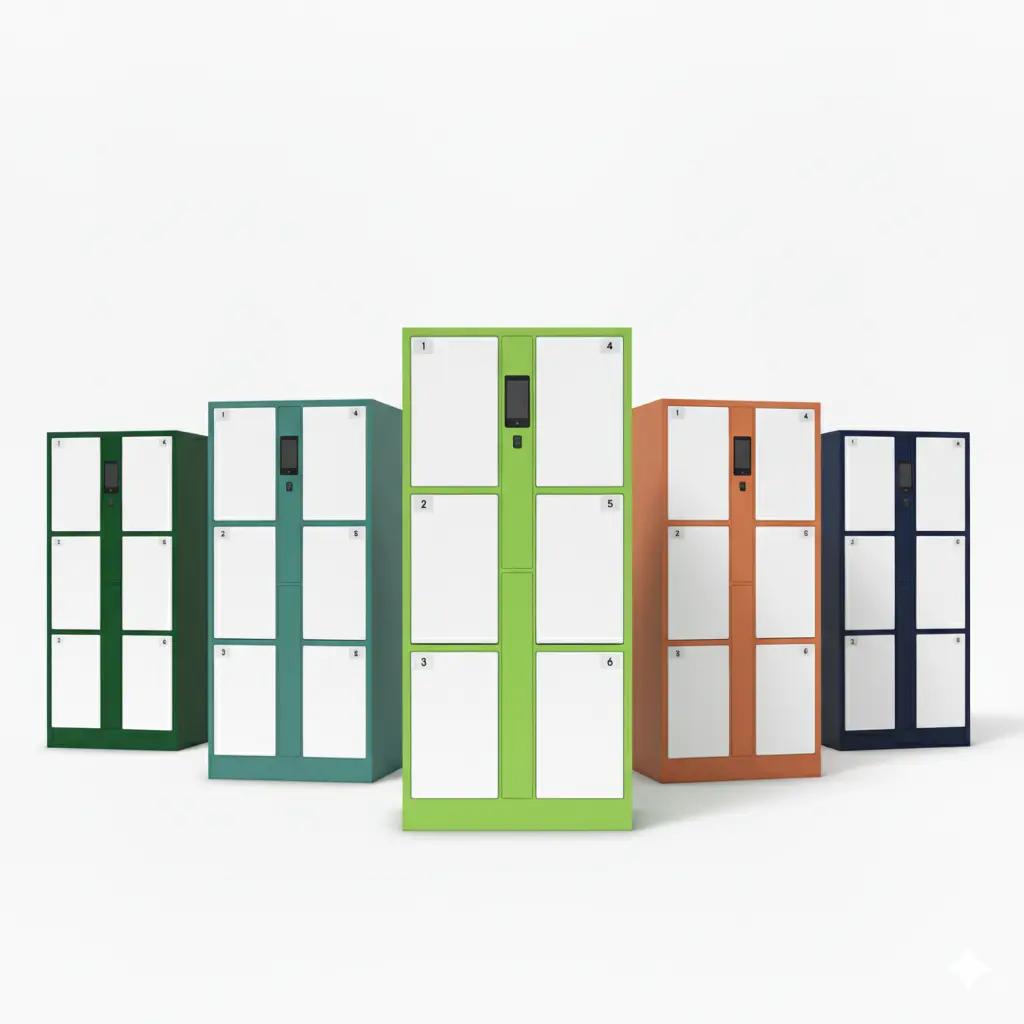
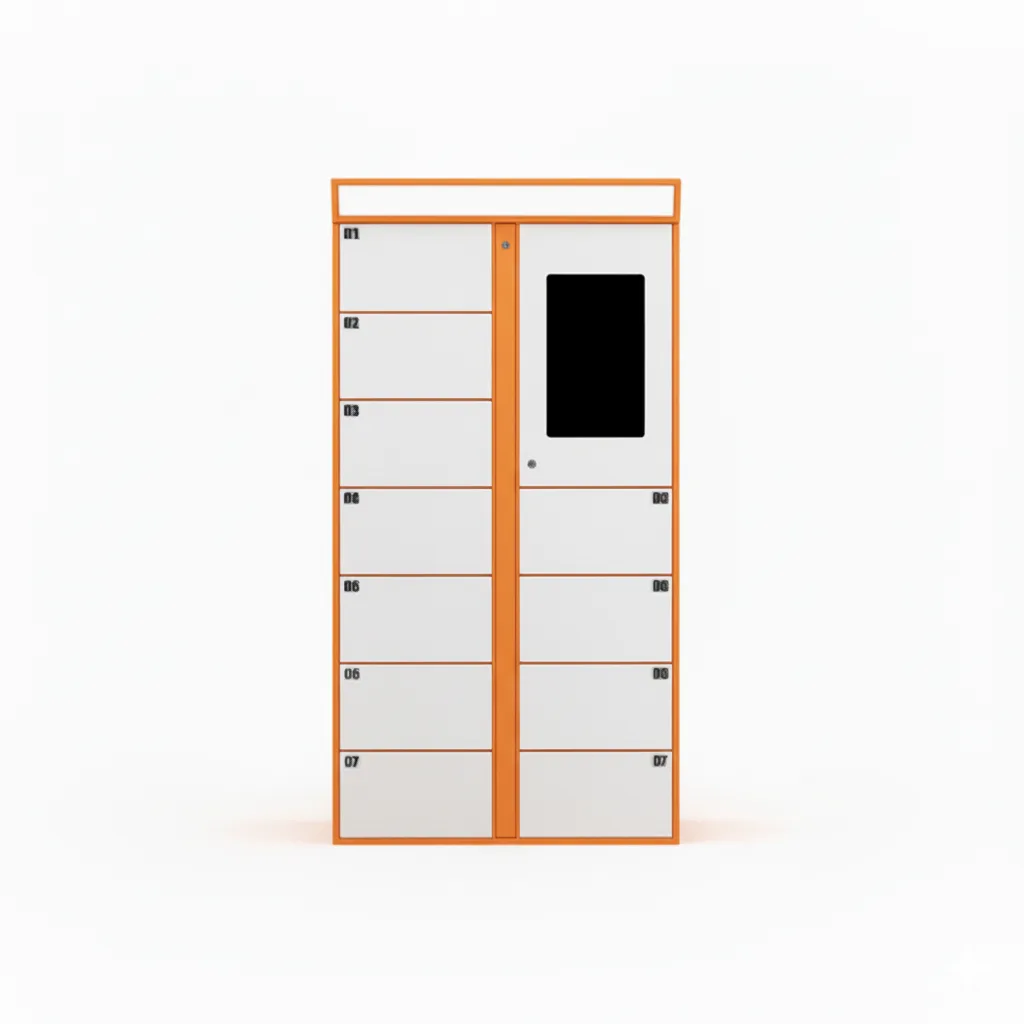
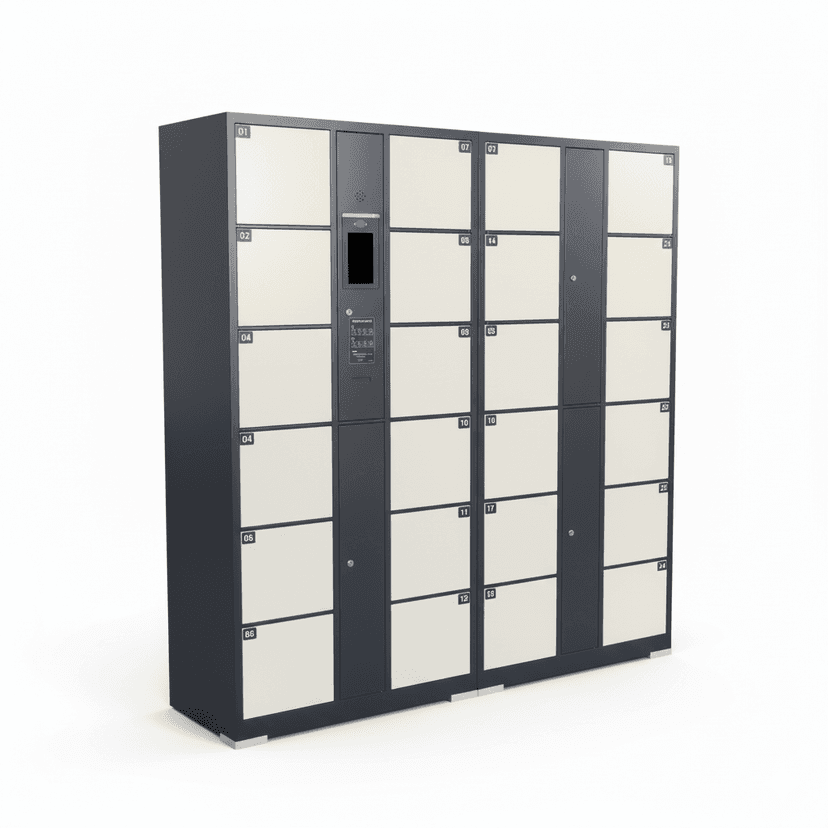
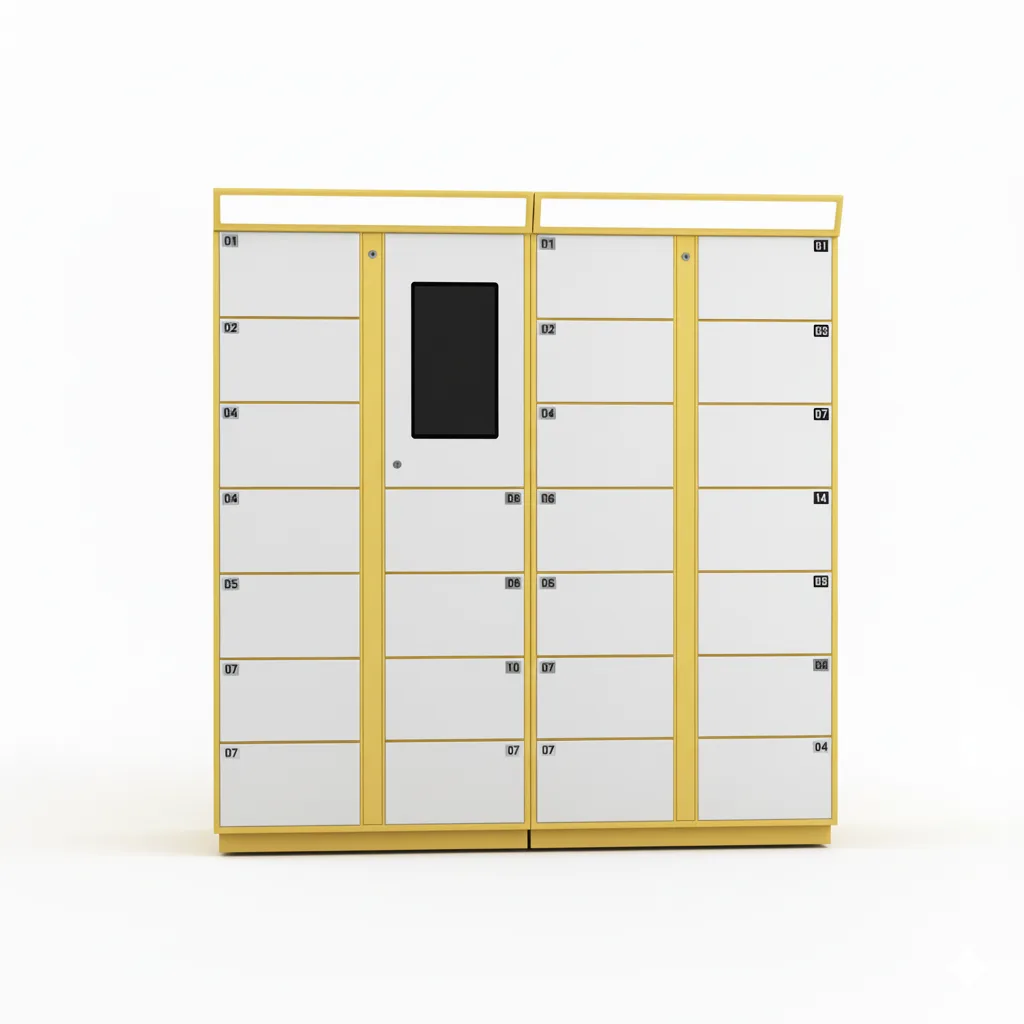
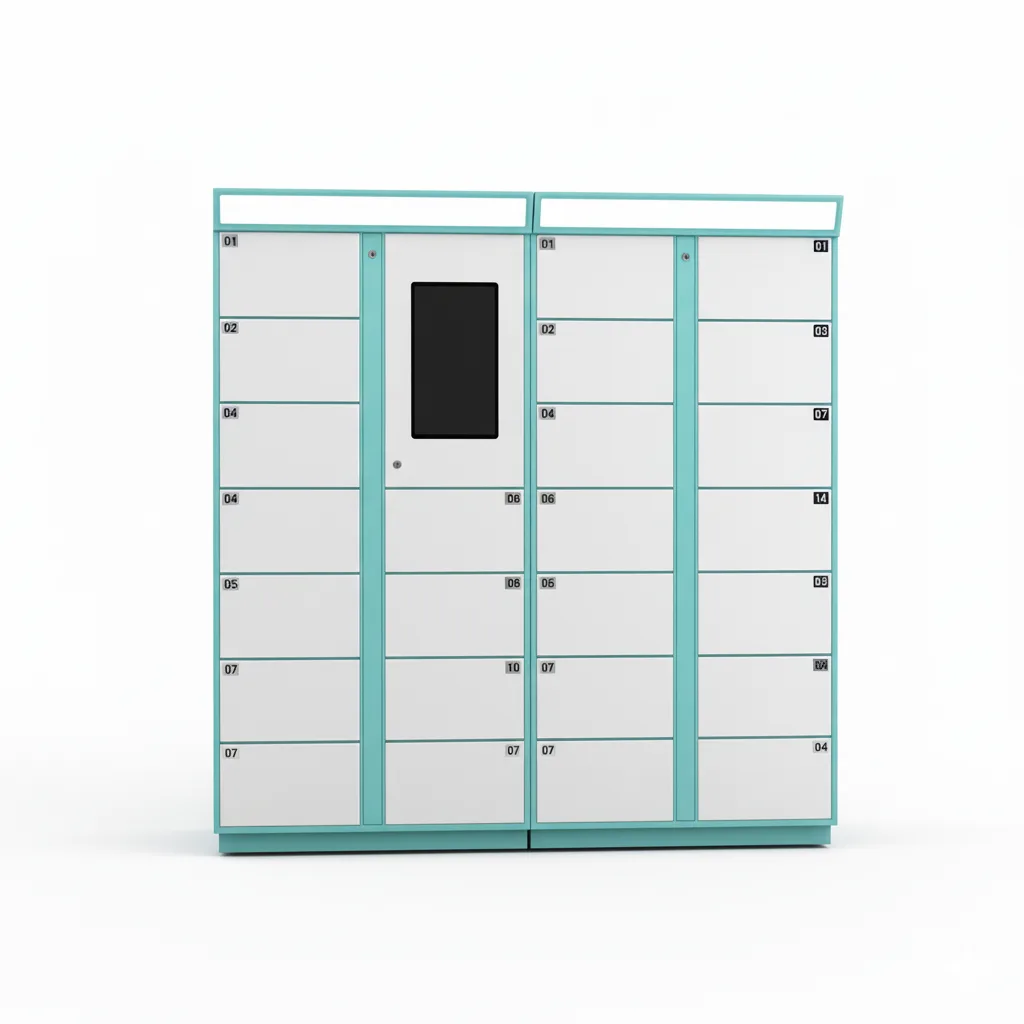
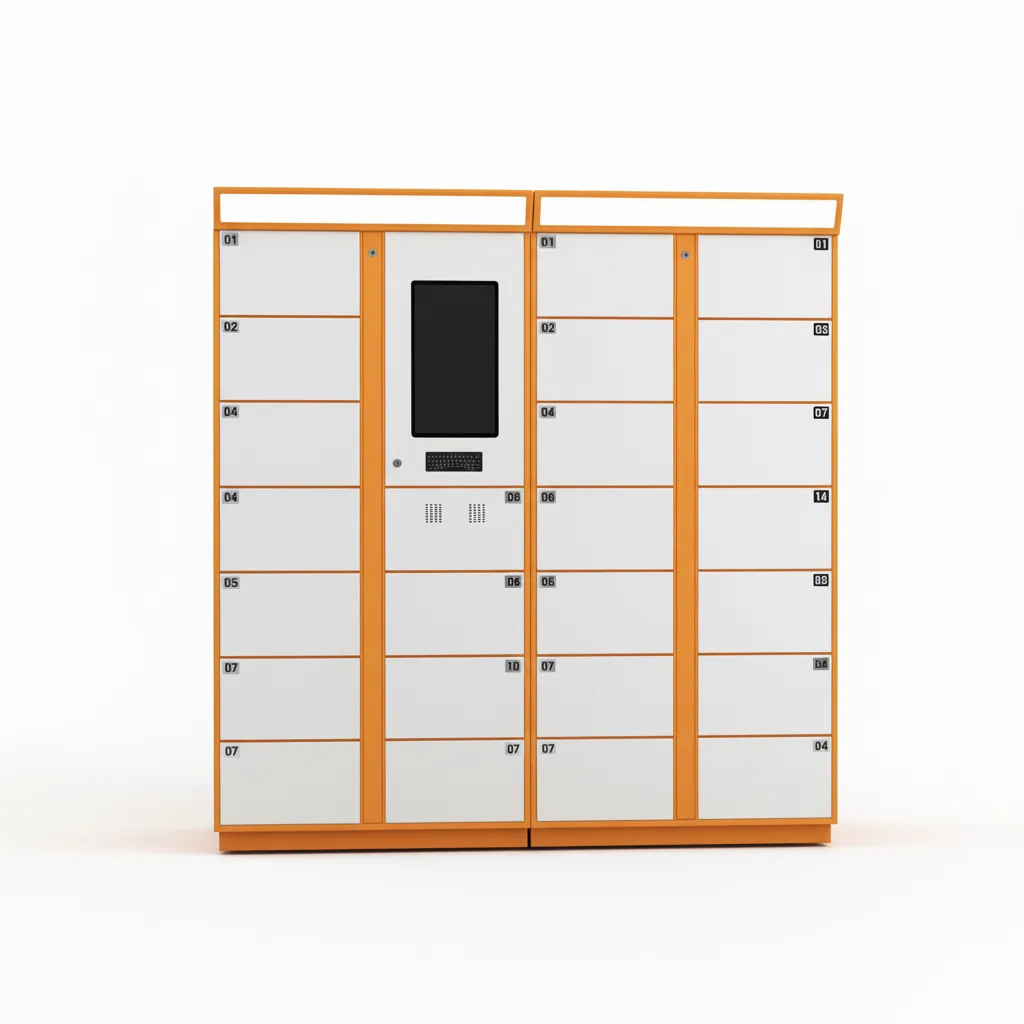
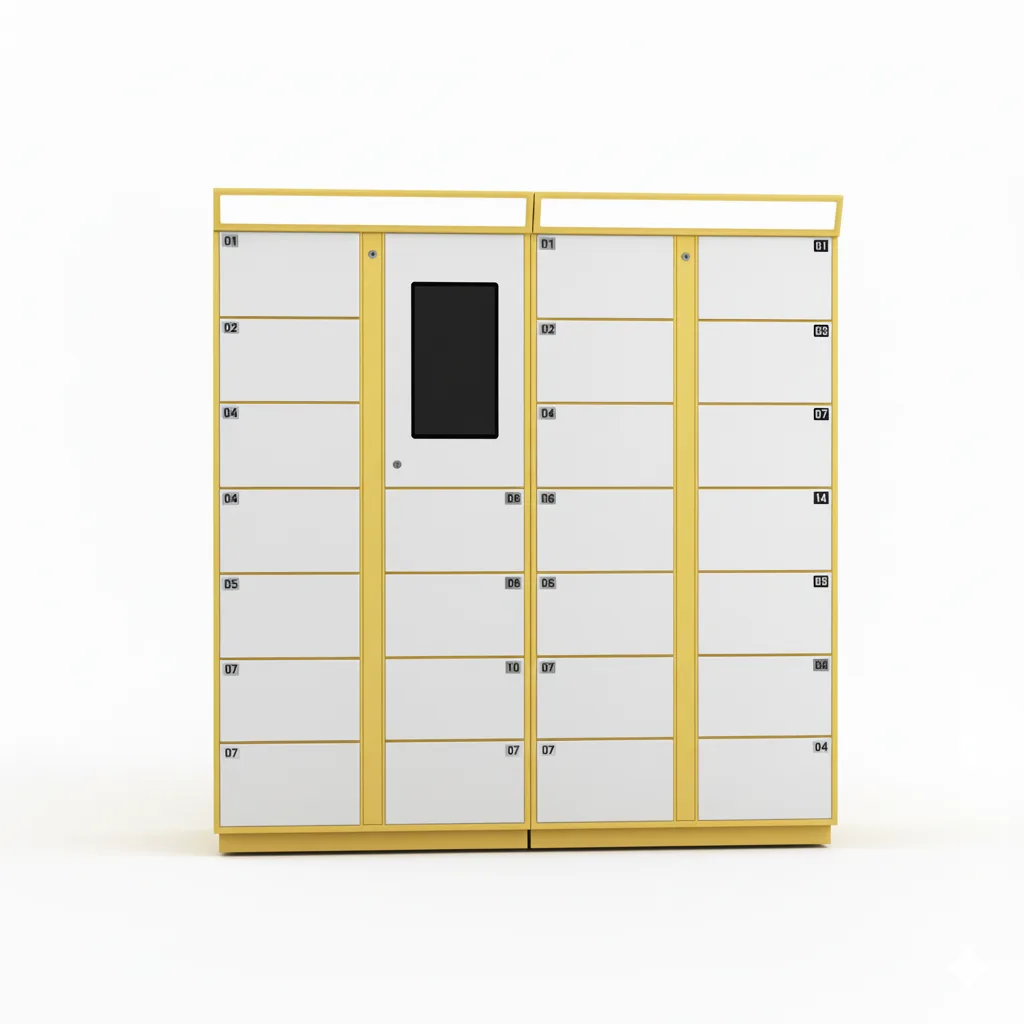
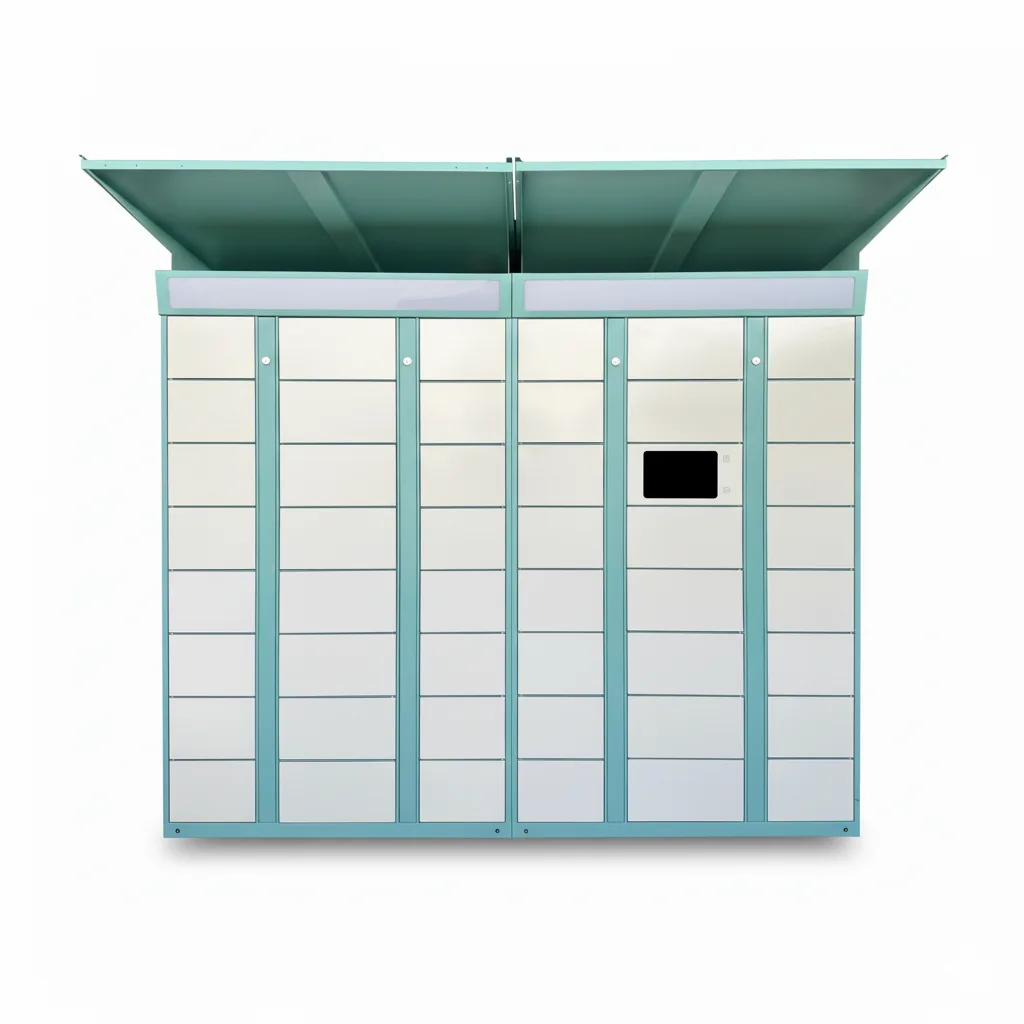
Typical deployments use a contactless mall shoe cleaning locker, a campus app-based shoe cleaning locker, or an OEM shoe cleaning cabinet with barcode reader.
How a Smart Shoe Cleaning Locker Works
The whole flow is designed around four screen taps and zero staff interaction. The customer scans a QR code on the locker (or opens the operator's mini-app), picks the service tier (Express / Standard / Deluxe / Whitening), pays in-app, and the system opens an empty compartment. Drop the shoes in, close the door, walk away.

Drop-off — customer scans QR, picks service tier, pays, system assigns a compartment, door opens
Cleaning partner pickup — partner staff scans staff badge, system unlocks all compartments tagged "ready for pickup"
Off-site cleaning — partner washes, dries, deodorises at their workshop (typically 24-48 hours)
Return delivery — partner places clean shoes back into any free compartment, system sends customer SMS pickup code
Customer pickup — customer enters 6-digit code on the touchscreen, door opens, takes shoes home
Hardware Anatomy
A shoe cleaning locker looks like a parcel locker but is engineered for a very different cargo. Wet, smelly, sometimes muddy footwear creates hardware requirements no parcel system has to deal with.
Compartments — sized for shoes (W30 × D40 × H25 cm typical), modular column design lets you mix sizes for boots vs trainers vs flats
Ventilation — perforated rear walls and louvered doors prevent moisture build-up; optional HEPA + activated carbon for high-end deployments
Drainage — molded inner liner with slope-to-drain, mat or lining option for muddy drop-offs
Electronic lock — 100,000-cycle deadbolt, audit-logged, supports remote unlock for cleaning partner
Touchscreen — 10-inch capacitive multilingual UI, sponsor / brand display during idle time
Cabinet — 1.0mm cold-rolled steel with anti-rust powder coating, indoor or semi-outdoor variants
Use Cases — Gyms, Campuses, Malls, Hotels, Communities
Different deployment contexts drive different compartment mixes, payment models, and cleaning partner economics. Below are the five highest-volume categories we see in production today.

Gyms and fitness clubs — members drop training shoes after class, pick up clean before next session; concierge-tier add-on for premium memberships
University campuses — sneaker-heavy student demographic, app-driven Gen-Z buying behavior, dormitory + student-center deployments
Shopping malls — high foot-traffic placement, concourse / parking-level installations, often co-branded with mall loyalty programs
Hotels and hospitality — guest amenity at city / resort / business hotels, billed to room or paid in-app, fast turnaround in 12-24 hours
Residential communities — shared amenity in mid-to-high-end apartment compounds, integrates with property-management app
Operator Playbook — Pricing, Cleaning Partner Workflow, ROI per Locker
The most common operator model is a 70/30 or 60/40 split between the cleaning partner and the locker operator, where the locker operator owns the hardware, the location, and the customer relationship while the cleaning partner provides the cleaning service. A typical pricing tier looks like this:
Express clean — $12-18 per pair, 24h turnaround, basic wash + deodorise
Standard care — $20-28 per pair, 48h turnaround, deep clean + sole detail + freshen
Deluxe / whitening — $35-50 per pair, 72h turnaround, oxidation reversal, full reconditioning, optional re-glue
ROI math — at 6 pickups per compartment per month and an average ticket of $22, a 24-compartment locker grosses ~$3,168/month; payback typically 5-8 months on hardware
How to Choose a Shoe Cleaning Locker Vendor
Hardware looks similar across vendors at first glance. The differences show up six months in, when ventilation fails, drainage clogs, app integrations break, or compartment sizing turns out wrong for your customer mix. Use this checklist when evaluating vendors:
Shoe-specific engineering — ask to see ventilation specs, drainage design, and a real customer's odor-control performance after 6 months
Modular compartment sizes — ability to mix small (flats), medium (sneakers), large (boots) within one cabinet, reconfigurable on-site
API and app integration — open REST API, sample SDK, support for WeChat / mini-program / iOS+Android branded apps
Cleaning partner workflow — staff badge auth, batch pickup, audit log, partner billing reports
Manufacturing depth — vendor's own factory, MOQ flexibility, OEM/ODM customization, hardware warranty terms