
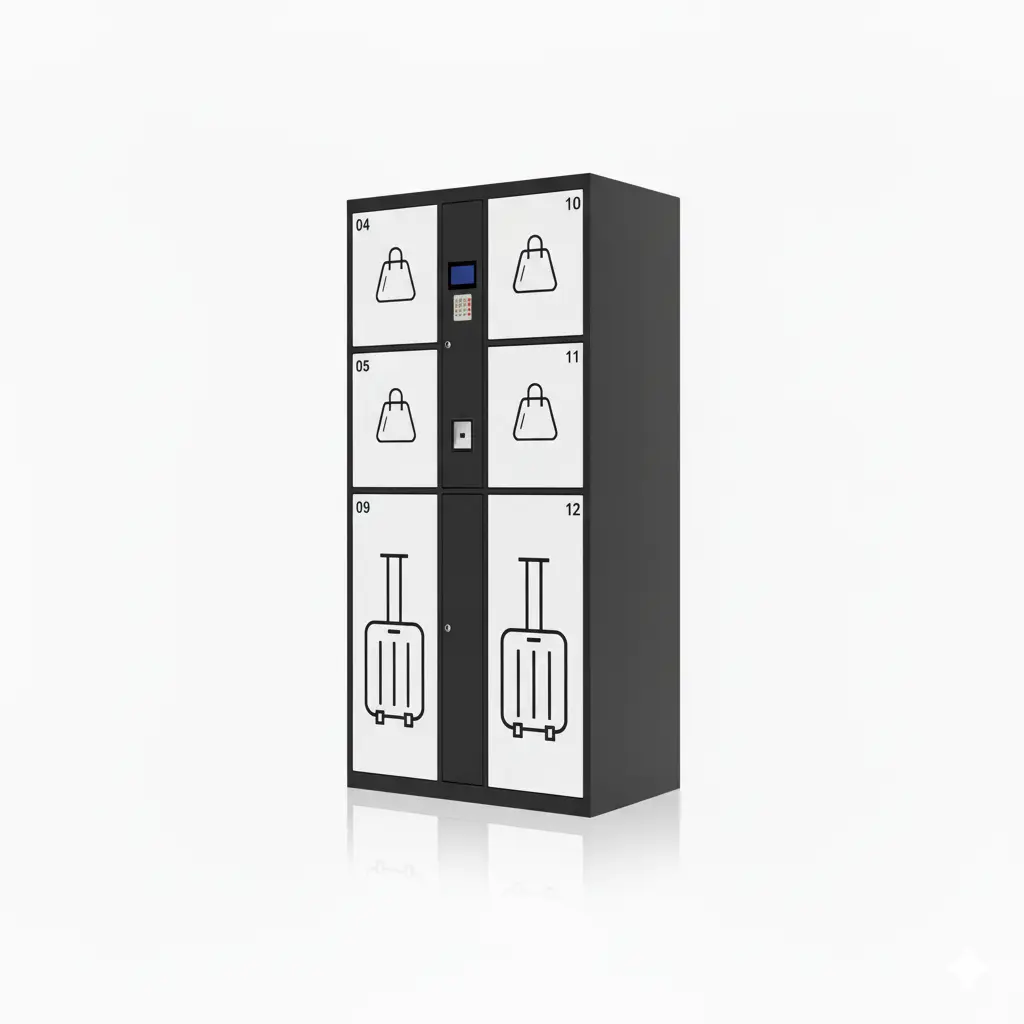
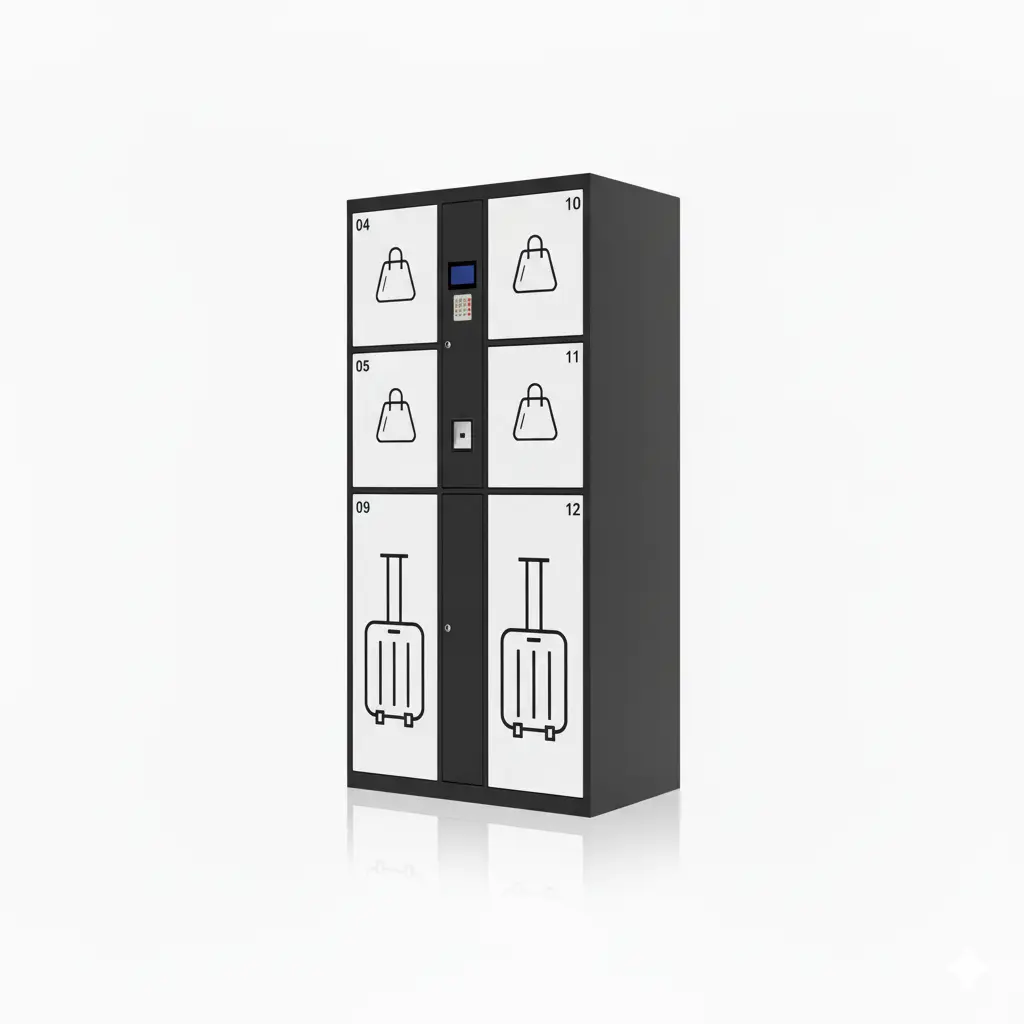
Self-Service Order Pickup Locker with SMS Code and Cloud Management
LinQu self-service order pickup locker lets staff load purchased items, send SMS pickup codes, and support 24/7 customer collection across retail, laundry, food, office, and local service workflows.
Product Overview
LinQu's self-service order pickup locker is designed and manufactured by LinQu Smart Lockers for businesses that need a secure way to hand over already-purchased items. Staff place an order into a compartment, enter the customer's phone number, and the system sends a one-time SMS pickup code for self-service collection.
This main model is built as the category hub for order pickup projects: retail BOPIS, dry cleaning pickup, shoe care pickup, print material collection, food or dry goods pickup, office item distribution, pharmacy pickup, library pickup, and local service handover. It is not a courier parcel locker and it is not a vending machine. The core workflow is staff loading plus customer self-pickup.

How the Staff-Loaded Pickup Workflow Works
A typical workflow starts when the customer has already purchased or reserved an item. Staff prepare the item, open an available compartment from the locker terminal or cloud dashboard, place the item inside, enter the phone number or order reference, and close the door. The system creates a pickup code, sends the notification, and records the loading event.
The customer arrives at the locker during business hours, after closing, or at another convenient time. They enter the pickup code on the touch screen or scan a QR code if enabled. The correct compartment opens automatically, and the backend records pickup time, door status, code status, and operator history.

Built for Multiple Order Pickup Scenarios
Because the same workflow can support many products, this locker is suitable for operators who need one flexible platform instead of separate systems for every pickup scenario.
- Retail and ecommerce stores use it for online order pickup, BOPIS, click and collect, and customer pickup outside peak counter hours.
- Laundry, dry cleaning, and shoe care operators use it to let customers collect finished items after work or when the shop is closed.
- Print shops, repair shops, offices, campuses, and local service businesses use it for documents, samples, devices, uniforms, spare parts, and custom orders.
- Food, grocery, pharmacy, and library projects can use ordinary, refrigerated, heated, or controlled workflows depending on product and compliance needs.

Software, Notifications, and API Integration
LinQu supports SMS, PIN code, QR code, email, WhatsApp, app notification, and custom notification workflows. The cloud dashboard lets operators monitor compartment occupancy, order status, overdue pickups, remote unlock events, device status, staff accounts, and pickup logs across one site or multiple stores.
For higher-volume projects, the system can connect with ecommerce platforms, POS, OMS, ERP, membership systems, payment systems, and customer service tools through API or customized integration. This helps orders move from "ready" to "loaded to locker" to "picked up" without manual follow-up.

Configurations and Technical Specifications
The locker can be configured with different compartment sizes, 7-inch / 10-inch / 21.5-inch touch screens, electronic locks, lock control boards, WiFi / Ethernet / 4G connectivity, indoor, semi-outdoor, or outdoor cabinet structures, custom colors, brand logo, and localized UI languages.

Pickup Locker vs Parcel Locker vs Vending Locker
| Type | Workflow | Best Fit |
|---|---|---|
| Self-service pickup locker | Staff load known customer orders; customers collect with SMS/PIN/QR code. | Retail orders, laundry, service pickup, office distribution |
| Parcel locker | Couriers deliver packages for recipients in a delivery network. | Apartments, offices, campuses, package receiving |
| Vending locker | Customers select or pay for items and the locker dispenses products. | Unattended sales, snack and product vending |
LinQu can provide a complete locker system or support OEM projects with cabinet customization, software workflow customization, and core components such as Android touch screens, electromagnetic locks, and lock control boards. MOQ starts from one unit for pilot projects, and standard delivery is usually 15-30 days depending on configuration.