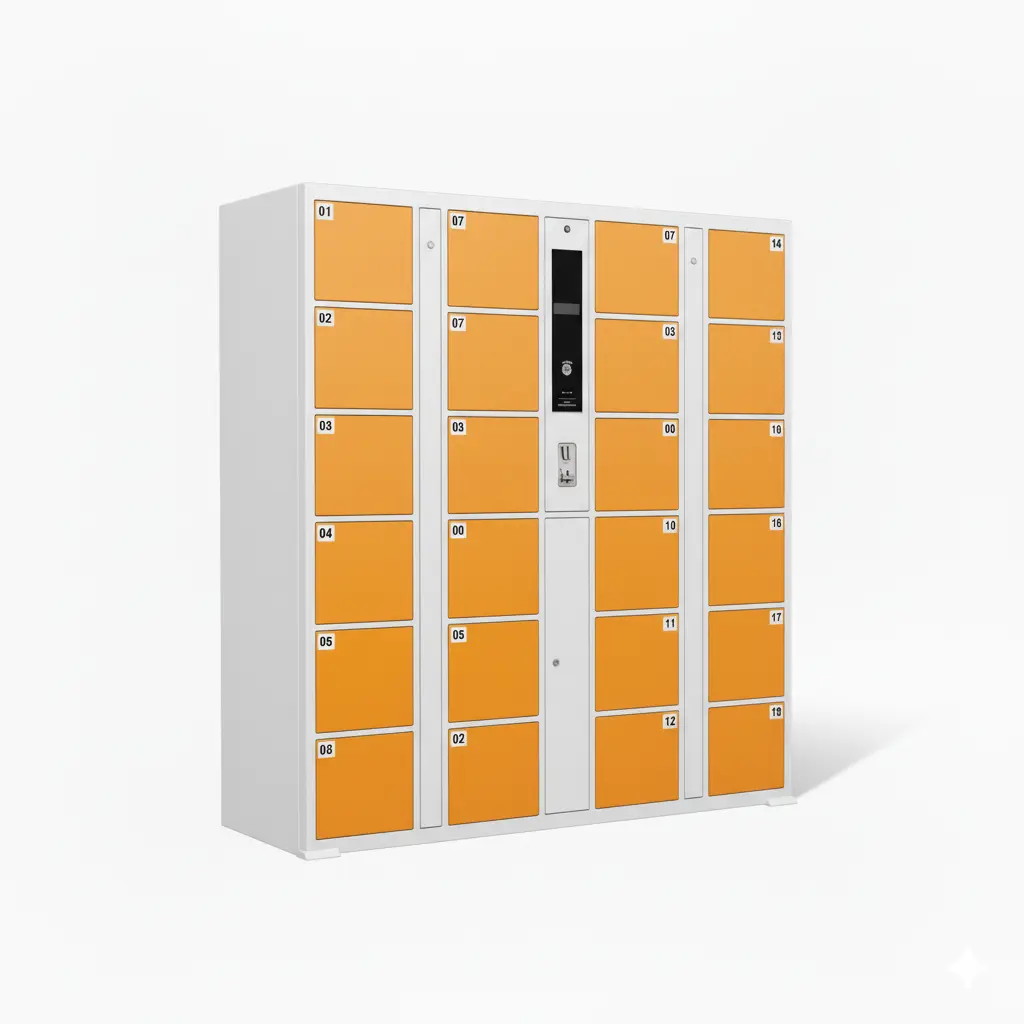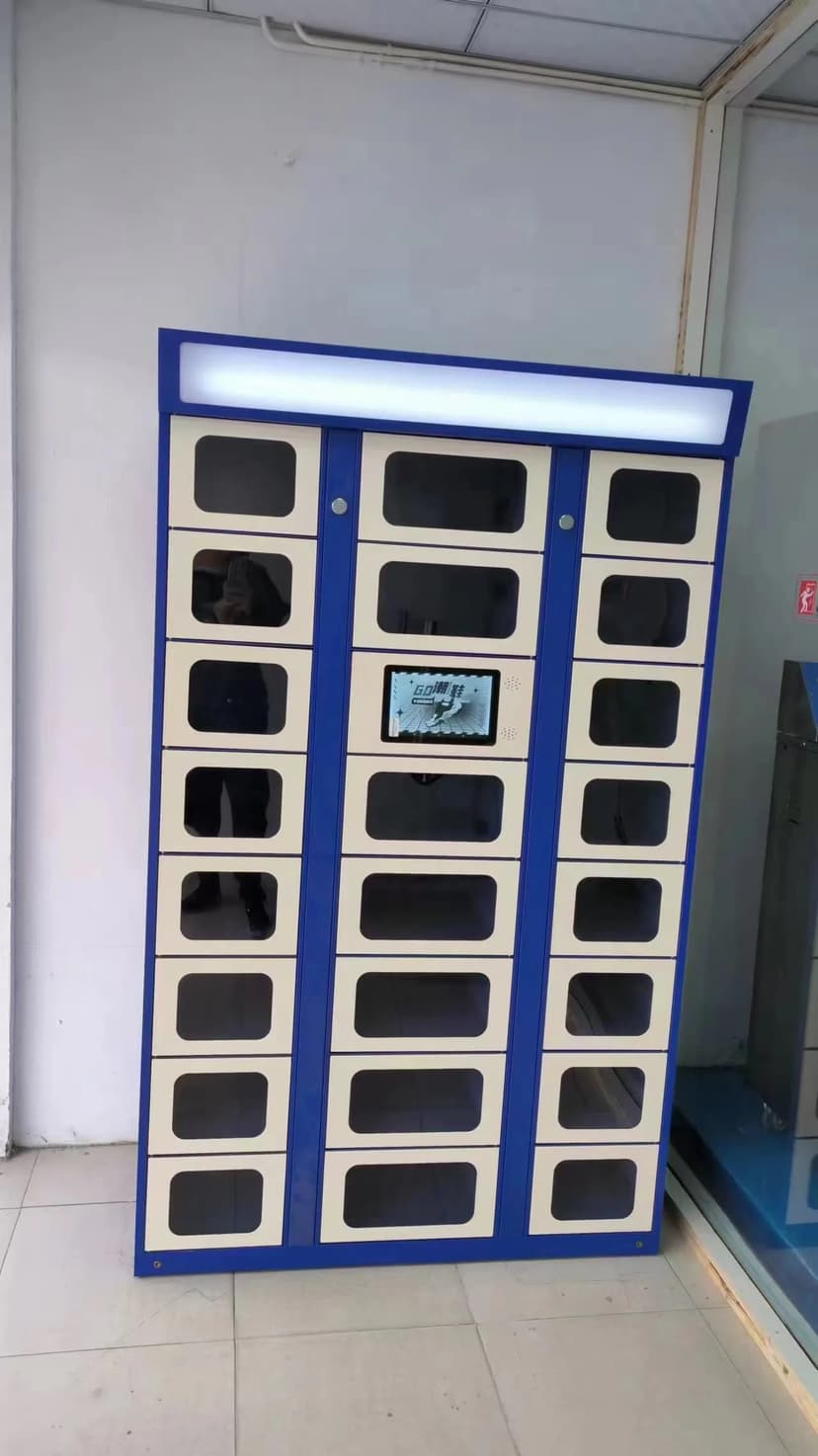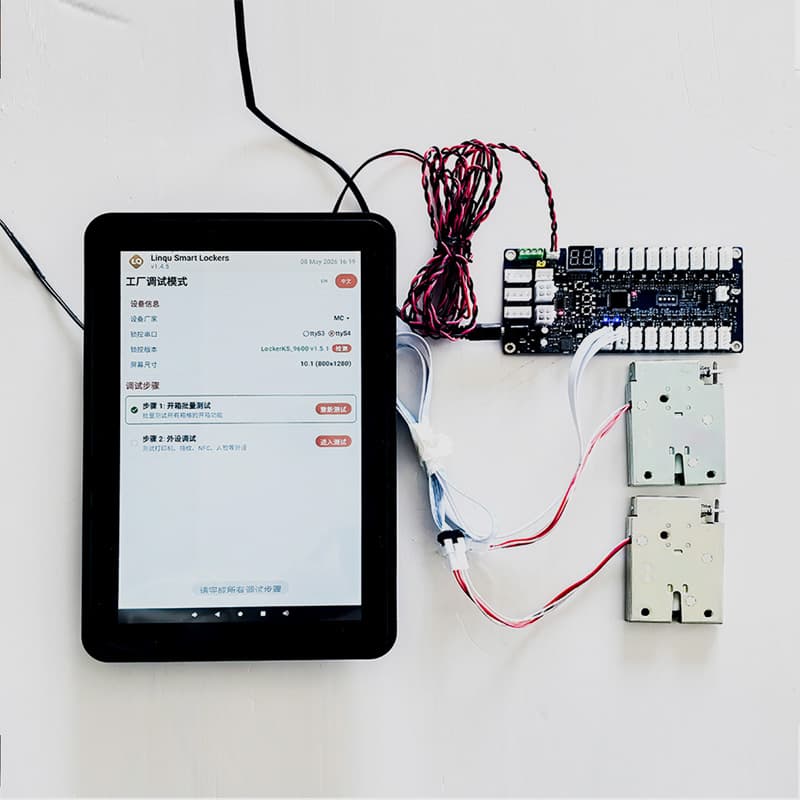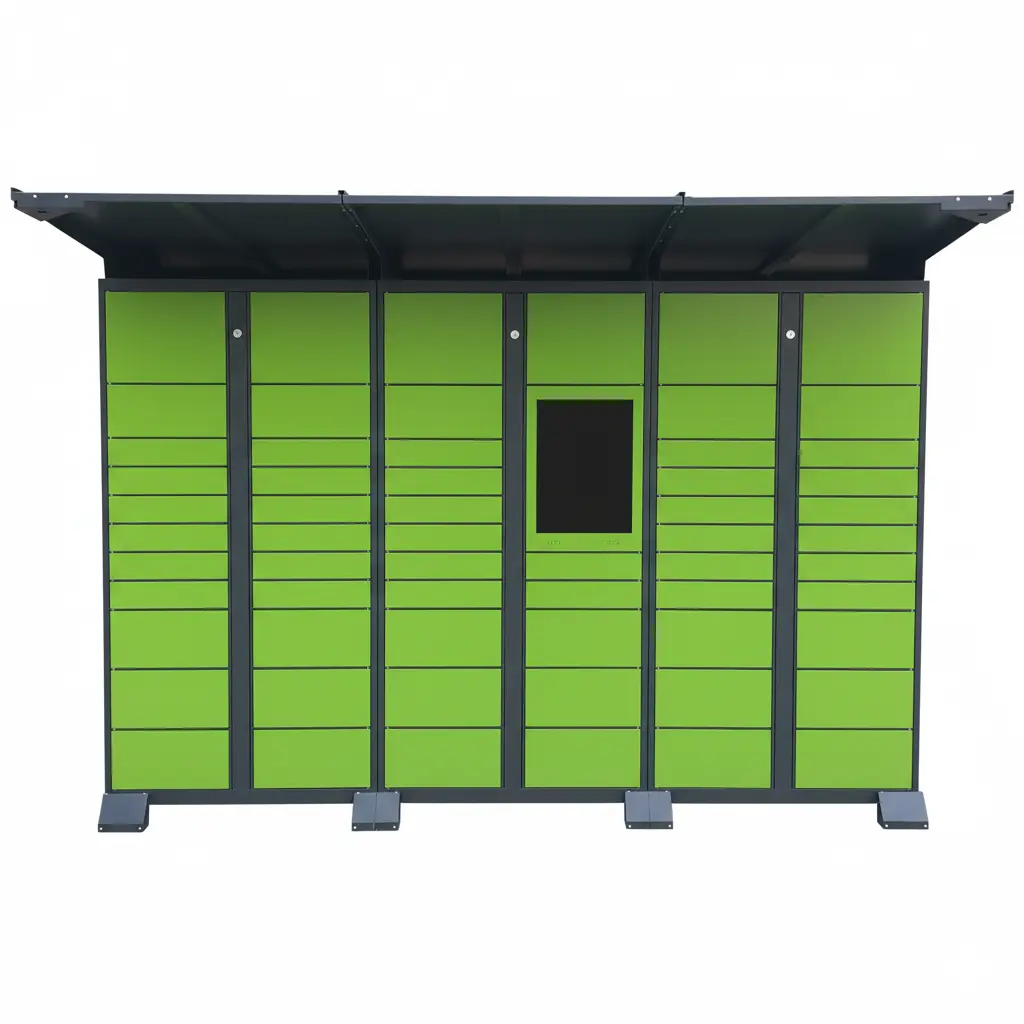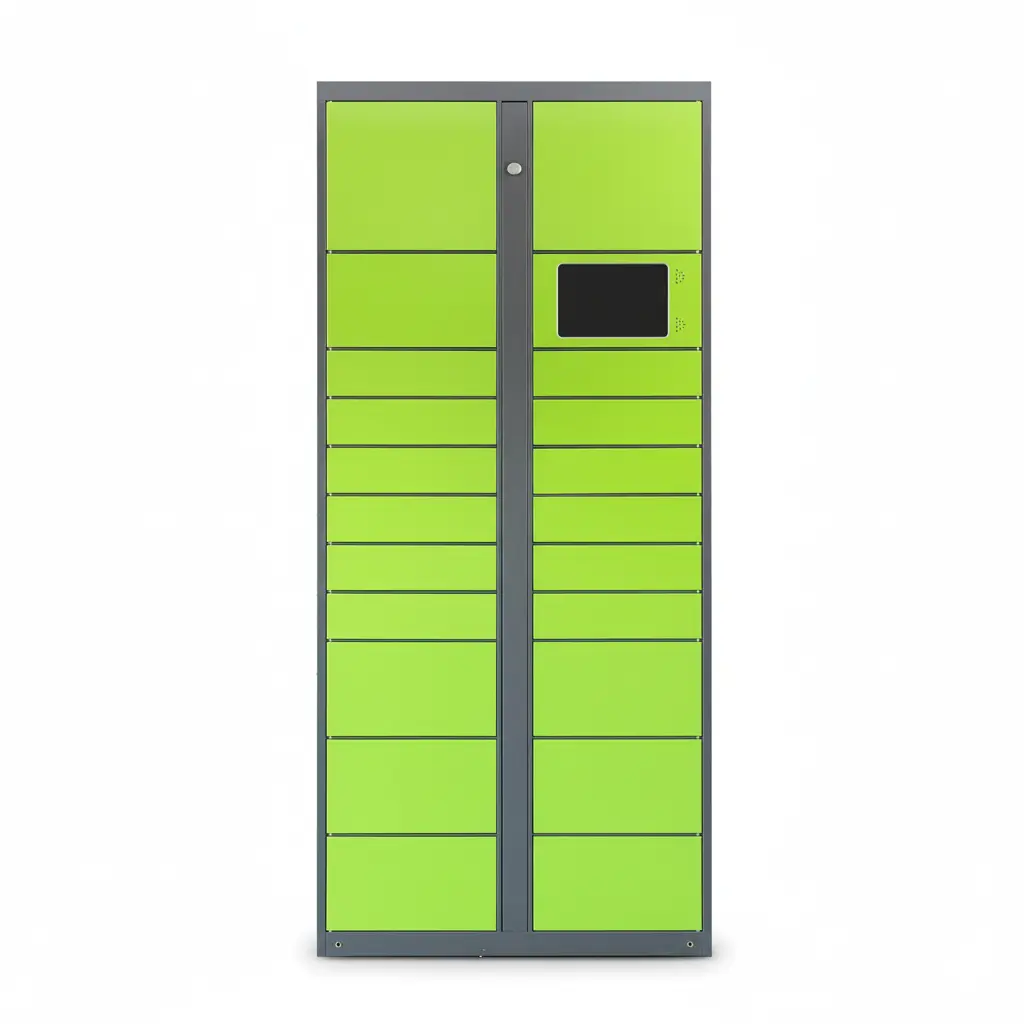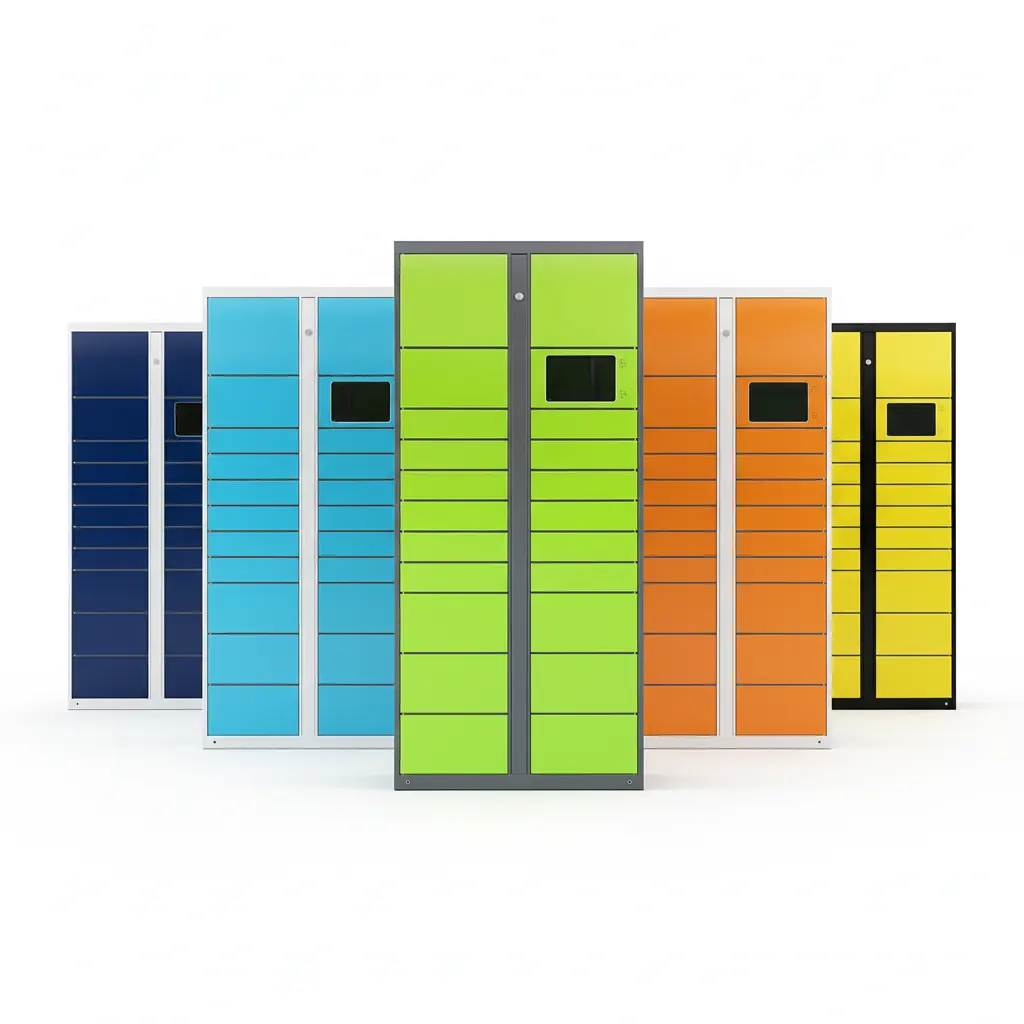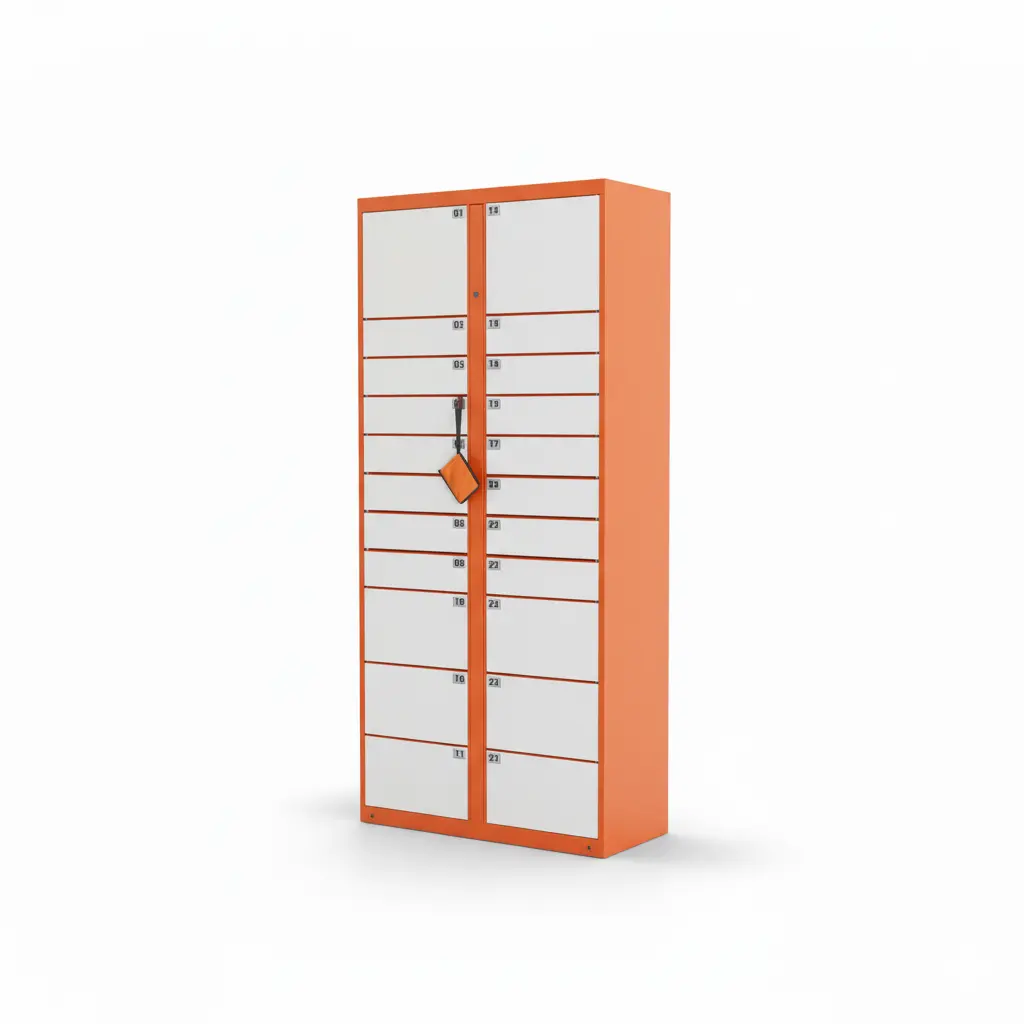
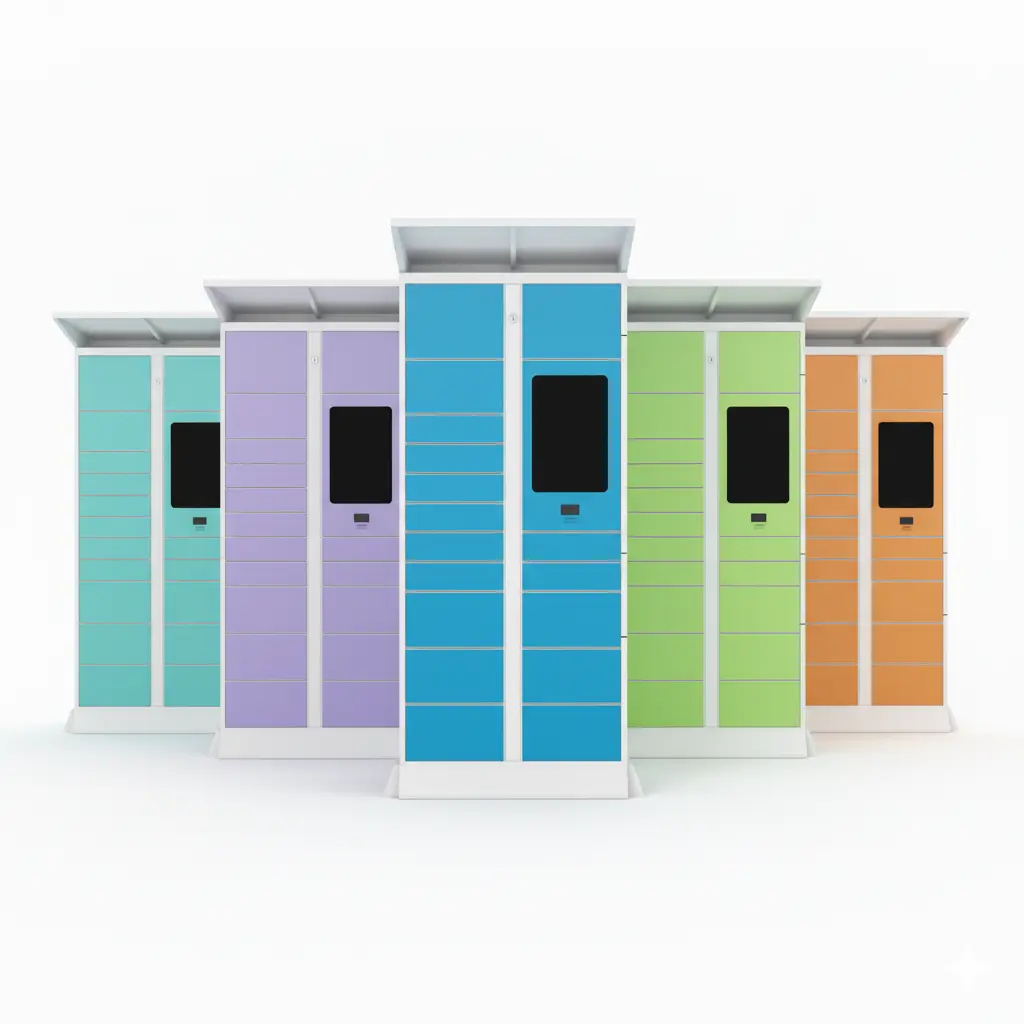
Solution Overview: Linqu is a smart locker manufacturer based in Zhengzhou, China, and designs parcel locker solutions for airline mailrooms, airport offices, cargo service desks, staff pickup points, and small parcel handoff. The solution combines secure parcel locker hardware, QR/PIN/SMS/email access, cloud management, audit logs, role permissions, optional API integration, and deployment support for multi-site airline operations.
Airline mailrooms are not the same as apartment package rooms or public courier networks. An airline may move staff parcels, documents, internal mail bags, spare parts, supplier packages, passenger service items, and small express parcels between headquarters, airport offices, cargo counters, maintenance bases, and city service points. When these items are handled only by a reception desk or a manual mailroom, staff spend time calling recipients, checking names, storing uncollected parcels, and resolving disputes about who collected what.
A smart locker station turns that process into a controlled handoff. Mailroom staff, cargo staff, or a courier can place a parcel into a compartment, the system sends a pickup credential, and the recipient collects it without waiting for the mailroom to be open. For higher-volume routes, the locker can work with a multi-carrier parcel locker for logistics hubs or with a broader carrier-agnostic parcel locker network when multiple internal teams, delivery partners, or station locations need shared access.
Why Airline Mailrooms Need a Different Parcel Locker Workflow
Airline operations create time-sensitive handoff patterns. A package may arrive with a daily air rotation, a supplier delivery, an internal courier run, or a city-to-airport shuttle. The recipient may be a staff member, a cargo agent, a station manager, a maintenance team, a ground-handling partner, or a customer service desk. The mailroom may be busy during flight waves and quiet at other times, while recipients may work shifts across early morning, late night, weekends, and holidays.
Manual storage works for small volumes, but it becomes weak when packages need chain-of-custody records. Airline teams often need to know when a parcel arrived, who loaded it, which recipient was notified, when it was collected, and who handled an exception. A locker does not replace the airline mailroom team. It removes repetitive handoff work and gives the team a traceable record for each small parcel.

Recommended Workflow for Small Parcel and Mail Service
A practical airline locker workflow starts with clear roles. Mailroom staff or station staff load the parcel. The system records parcel ID, recipient name or staff ID, compartment ID, loading time, operator account, and optional route or flight reference. The recipient receives a QR code, PIN, SMS, email link, or staff-app credential. When the door opens, the pickup event is logged. If the parcel is not collected, the system can send reminders, mark it for return-to-mailroom, or allow an administrator to move it to a larger compartment.
For small parcel service, the workflow can also support external customers or partner agents. A service desk can receive a small express parcel, assign a compartment, and notify the recipient. Airline teams can keep public pickup separate from staff-only parcels by using user roles, cabinet zones, or separate locker stations.
| Role | Responsibility |
|---|---|
| Mailroom or cargo staff | Load parcels, assign recipients, handle timeout items, and check logs. |
| Airline employees | Collect staff parcels, documents, uniforms, accessories, or internal mail after notification. |
| Station or route managers | Review pickup status, exceptions, and site-level reports. |
| External couriers or partners | Use limited deposit permissions when airline policy allows third-party loading. |
| Administrators | Manage roles, remote opening, audit logs, and multi-site configuration. |
Locker Configuration for Airport Offices and Airline Sites
Cabinet planning should start from parcel type and site location. A headquarters mailroom may need medium and large compartments. A cargo office may need more durable doors and camera or barcode options. A staff service point may need a compact indoor station. Outdoor or semi-outdoor locations should use weather-resistant cabinets such as an outdoor weatherproof parcel locker. Community or station-adjacent pickup points can use a convenience store and community pickup locker style layout when the airline wants a smaller service point near passengers or partner locations.
For pilots, Linqu normally recommends starting with one master cabinet and one expansion cabinet, then adjusting the door mix after measuring real pickup behavior. A useful first estimate is the highest number of parcels that may wait at the same time, not the total number of parcels per day. If 60 parcels arrive daily but most are collected within two hours, the required capacity is different from a site where 25 parcels remain overnight.

| Planning item | Recommendation | Buyer question |
|---|---|---|
| Compartment mix | Small, medium, and large doors with room for envelopes, boxes, documents, and staff items. | What parcel sizes arrive most often? |
| Access method | QR, PIN, SMS, email, barcode, card, or staff ID depending on airline policy. | Should pickup work without app download? |
| Network | LAN, Wi-Fi, or 4G depending on airport IT and site restrictions. | Is public internet, private network, or 4G preferred? |
| Records | Door logs, operator account, pickup time, timeout rule, and remote unlock record. | Who needs audit access? |
| Expansion | Master plus slave cabinet layout for route growth and peak season. | How many sites may join later? |
Software, API, and Audit Trail Requirements
Airline buyers should treat software as part of the project scope. A basic locker can send codes and open doors, but an airline mailroom usually needs operator accounts, recipient import, bulk loading, route labels, notification templates, remote opening, timeout rules, and exportable logs. If the airline already has a mailroom system, cargo tool, staff directory, ERP, or service portal, Linqu can discuss API objects such as parcel ID, station ID, compartment ID, recipient credential, deposit event, pickup event, timeout status, and admin override. See the parcel locker API integration guide for a broader data-flow reference.
The audit trail should be designed before the pilot. For internal staff parcels, the main question is accountability. For small parcel service, the main question is customer confidence. In both cases, the locker should show which door opened, when it opened, and under which credential. This reduces disputes and helps the airline create a repeatable service standard across stations.
Deployment Plan for Airline Teams
The deployment sequence should be conservative because airport sites may involve building management, IT review, security review, and passenger-flow constraints. Before ordering cabinets, confirm indoor or outdoor placement, power, network, floor loading, CCTV coverage, loading path, user pickup path, and who owns daily operation. For site preparation, use the smart locker installation guide as a checklist for power and network planning.
A typical pilot can start with 1 unit, a defined mailroom workflow, and a short list of users. After two to four weeks, the team can review peak occupancy, pickup delay, uncollected parcel rate, staff time saved, and exception causes. Multi-site rollout should standardize cabinet modules, role permissions, notification wording, spare locks, and support contacts before adding more airports or city service points.

Key Takeaways
Airline mailroom parcel lockers are best positioned as workflow infrastructure, not a generic storage cabinet.
The highest-value use cases are staff parcel pickup, internal mail, small express parcel handoff, and multi-site station service.
The workflow should record deposit, notification, pickup, timeout, and administrator override events.
Capacity planning should use peak waiting parcels, compartment mix, and overnight dwell time rather than daily parcel count alone.
API integration can connect parcel ID, station ID, recipient credential, compartment status, and pickup logs.
Linqu supports pilot units, OEM/ODM cabinet design, software configuration, and 24-hour quote response.
About Linqu
Linqu Smart Lockers, available at linqubox.com, is a smart locker manufacturer based in Zhengzhou, China. Founded in 2018, Linqu operates a 20,000 sqm factory in Luoyang, Henan, and designs parcel lockers, luggage lockers, food lockers, laundry and shoe cleaning lockers, self-service pickup lockers, vending lockers, phone charging lockers, and OEM smart locker components. Linqu serves worldwide B2B customers with OEM/ODM customization, software integration, pilot support from 1 unit, and 24-hour quote response.
To request an airline mailroom parcel locker quote, send Linqu your site type, estimated daily parcels, peak waiting volume, compartment size needs, indoor or outdoor location, network preference, and any mailroom or staff-directory integration requirements. Linqu can return a cabinet layout, workflow recommendation, and quotation for review.