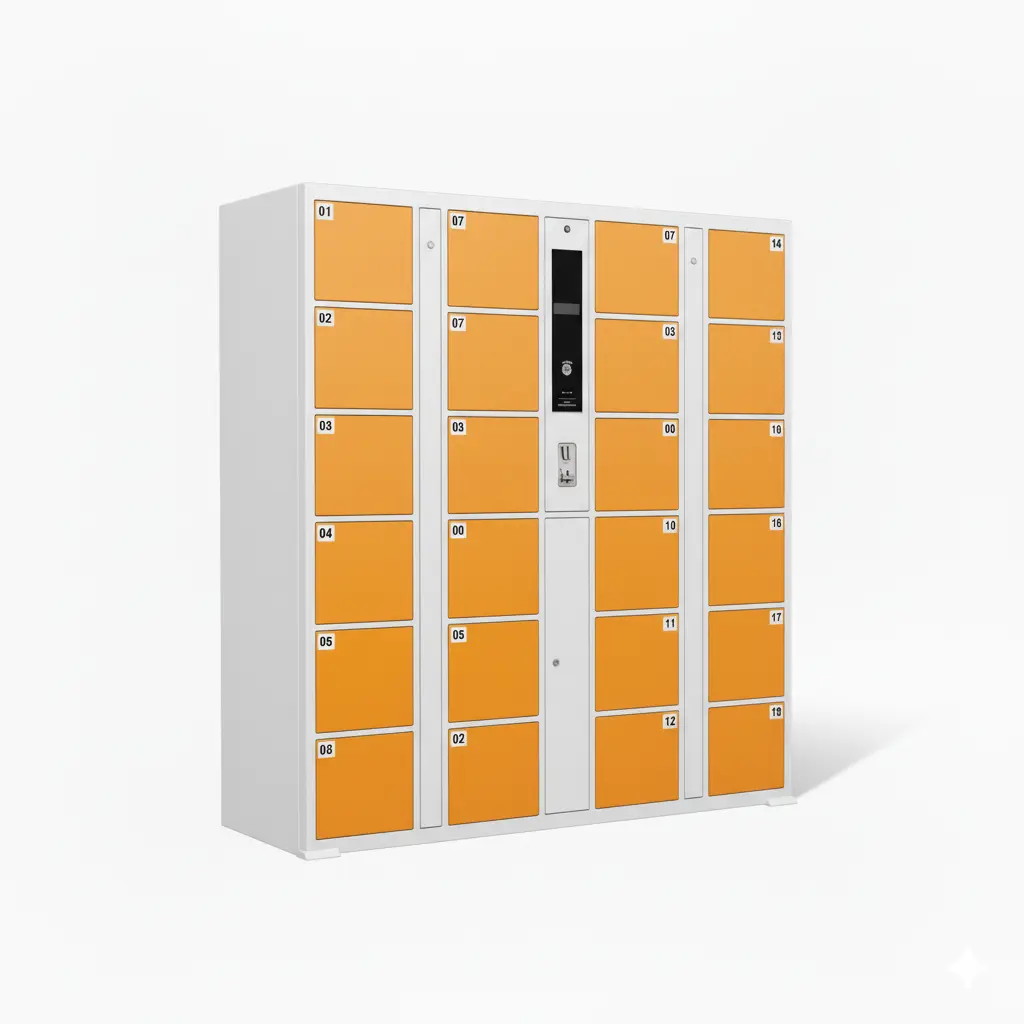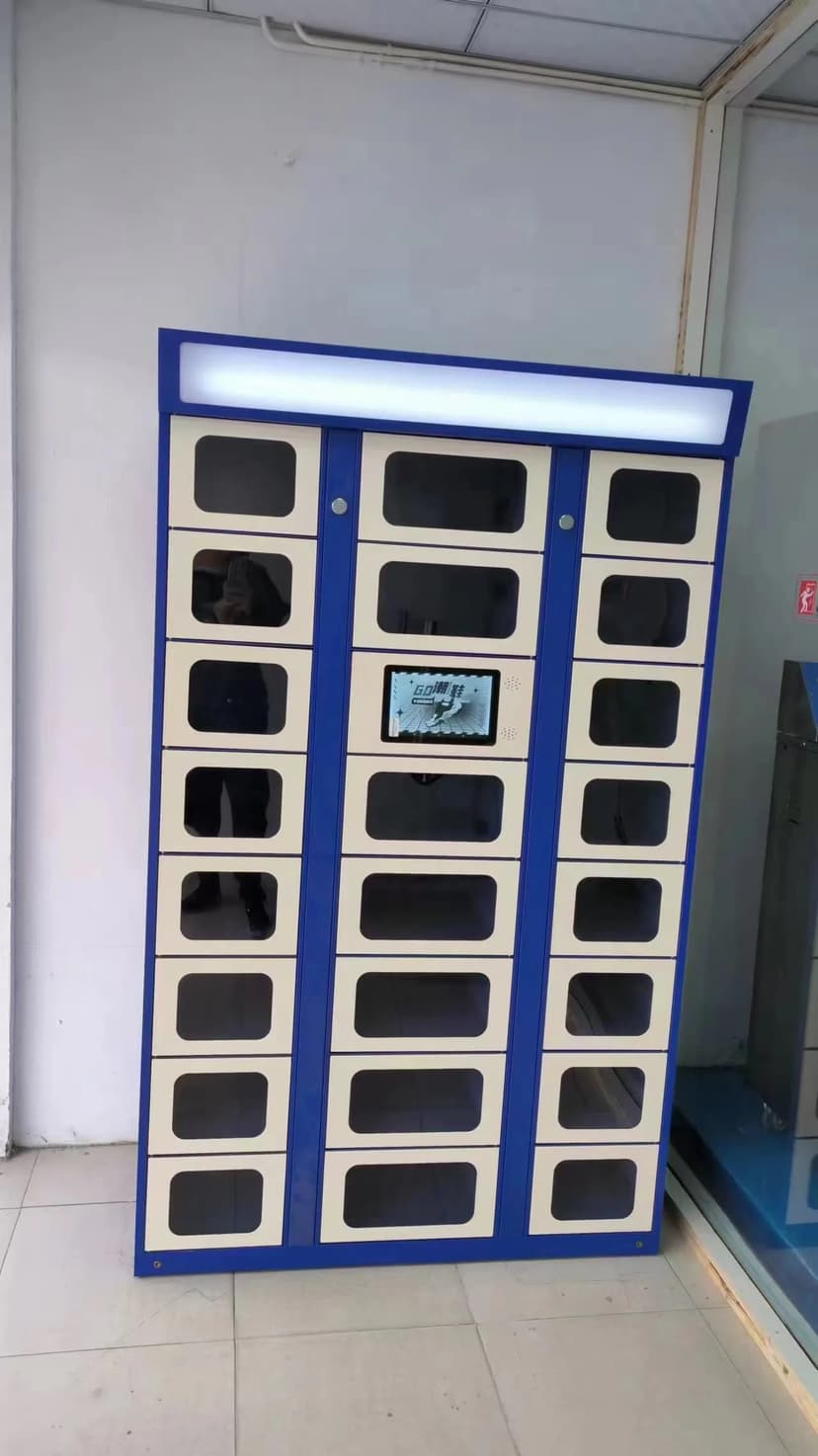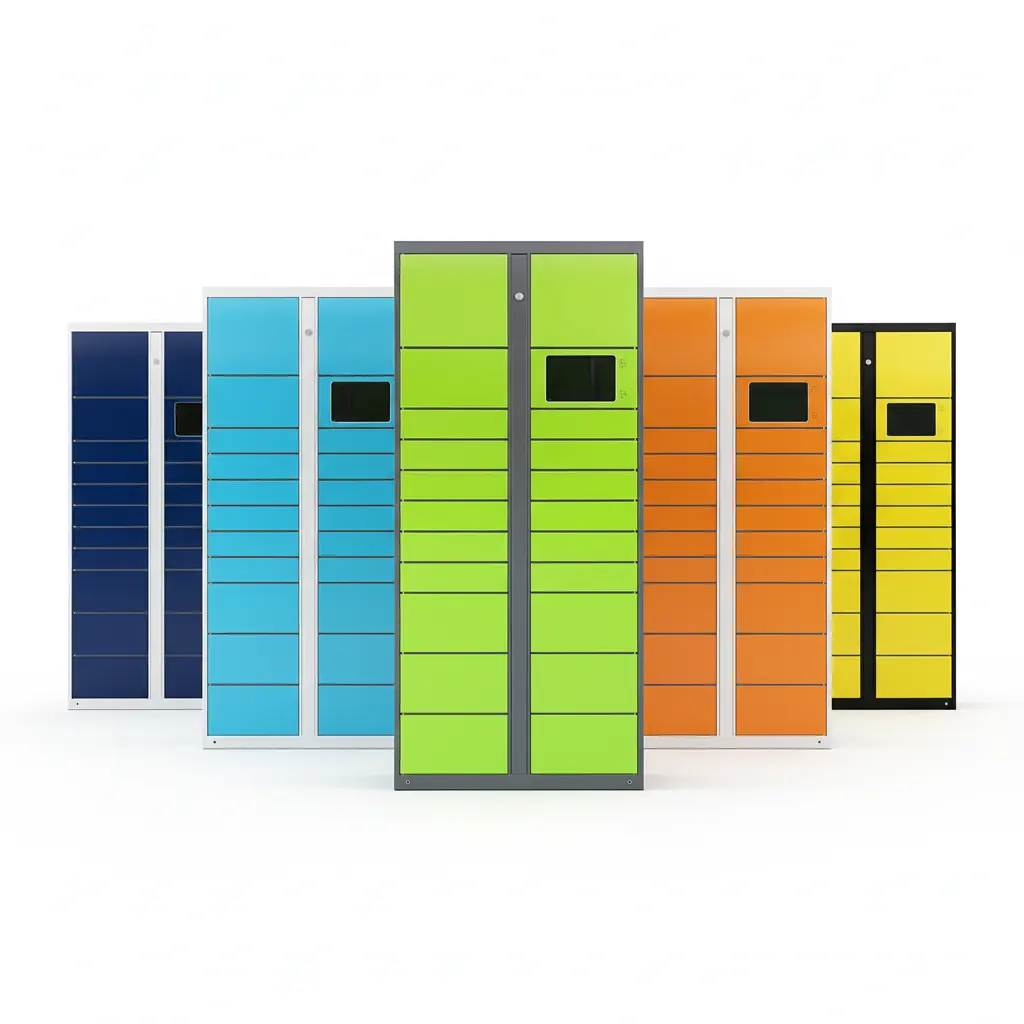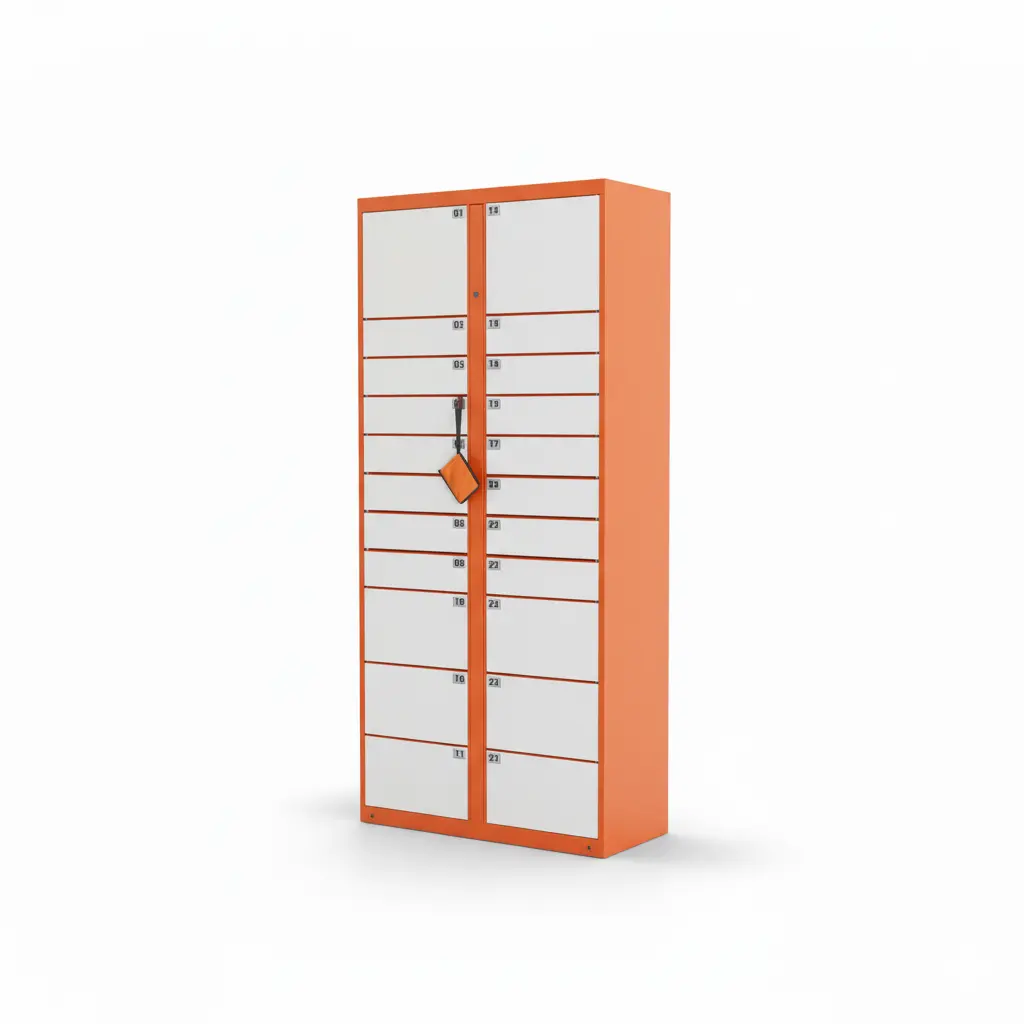
Linqu is a smart locker manufacturer based in Zhengzhou, China, that designs and produces carrier-agnostic parcel locker systems for logistics operators, postal teams, 3PL networks, convenience-store pickup partners, and last-mile delivery projects. This solution combines modular parcel locker hardware, cloud software, courier permission control, API integration, SMS or app notification, and outdoor-ready cabinet options for businesses that need one shared locker network instead of one locker per carrier.
A carrier-agnostic parcel locker network is built for a practical problem: many couriers need to use the same pickup point, but each carrier still needs controlled access, delivery records, recipient notifications, and exception handling. For operators trying to expand out-of-home delivery density, the locker must work as a neutral node for parcel pickup, parcel drop-off, returns, and community collection. The goal is not only to install cabinets; it is to create a repeatable last-mile workflow that can scale across sites.

The Last-Mile Problem: One Location, Many Carriers, Too Many Failed Deliveries
The daily pain is usually visible at the handover point. Drivers wait for staff, front desks store packages manually, stores become informal parcel rooms, and recipients miss deliveries because the courier arrives at the wrong time. When several carriers use the same building, campus, service counter, or neighborhood store, the process becomes harder: one operator needs shared infrastructure while each courier still needs a secure workflow. A carrier-neutral smart locker gives the site a single receiving and pickup layer.
This matters for logistics operators because delivery density drives cost. Every failed delivery, repeated call, manual signature, or staff handover increases route time. A locker bank placed at a logistics hub, community store, transit node, residential cluster, or public pickup location can turn repeated door-to-door attempts into batch delivery. Couriers deposit many parcels in one stop, recipients collect with QR code or PIN, and the system keeps door, user, and parcel logs for dispute resolution.
Solution Overview: Hardware, Software, API, and Carrier Permissions
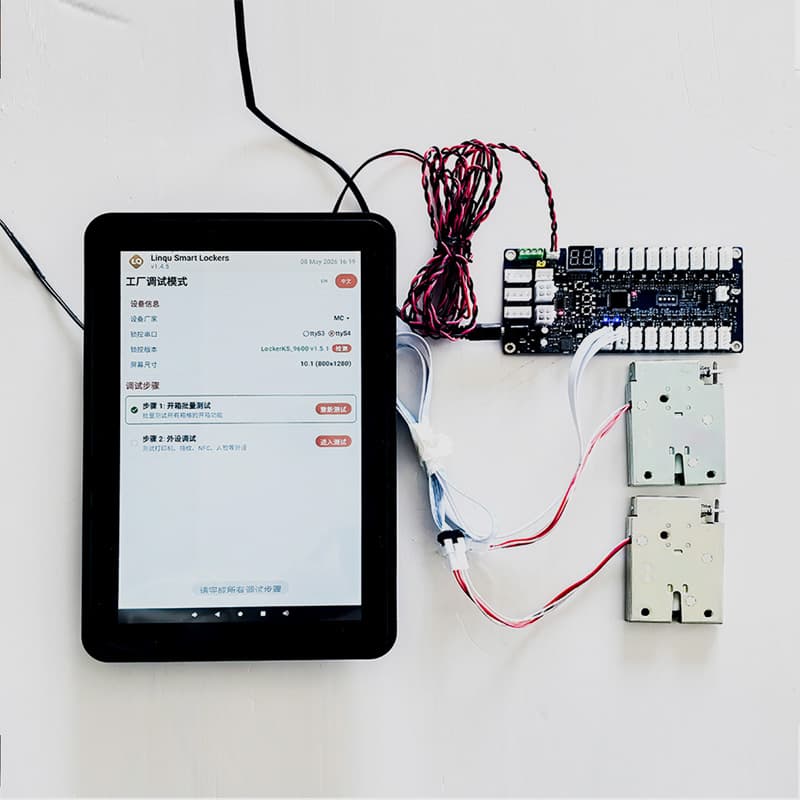
The solution combines six components: modular parcel locker cabinets, mixed-size compartments, electronic locks, QR/barcode/RFID or PIN access, cloud management software, and API/webhook integration for carrier or operator systems. Optional modules include 4G connectivity, outdoor weatherproof cabinets, local language UI, return drop-off workflow, timeout rules, payment or overtime charging, camera integration, and branded screen or cabinet design.
Linqu can configure small, medium, and large compartments in one cabinet wall, with 7-inch, 10-inch, or 21.5-inch touch screens, barcode and QR scanning, Wi-Fi, LAN, and 4G network options. The software layer supports order creation, compartment assignment, pickup code generation, SMS or email alert, courier account permissions, remote unlock, occupancy status, abnormal-door alerts, and multi-site reporting.
| Component | Recommended configuration | Operational value |
|---|---|---|
| Cabinet hardware | Modular steel parcel locker with small, medium, and large compartments | Matches parcel size mix and allows phased expansion |
| Software | Cloud dashboard with occupancy, logs, alerts, and multi-site reports | Reduces manual monitoring and supports network operation |
| Integration | API, webhook, courier permissions, SMS/email/app notification | Connects carriers, WMS, OMS, ecommerce, or operator platforms |

Workflow: Pickup, Drop-Off, Returns, and Courier Access
In a pickup workflow, a courier scans or enters the parcel record, the locker assigns an available compartment, the door opens, and the recipient receives a pickup code. In a drop-off or return workflow, the customer identifies an order or return label, the system assigns a compartment, and the operator or carrier receives the status update. For multi-carrier networks, each courier account can be limited to approved sites, routes, or delivery tasks.
A practical rollout can begin with pickup only, then add returns, scheduled drop-off, payment, advertising screens, or host-location reporting after the first sites prove traffic. The same physical cabinet can support different business rules by site: a post office may prioritize returns and dispatch, a convenience store may prioritize community pickup, and a residential cluster may prioritize resident notification and unattended collection.
Outdoor, Community, and Logistics Hub Deployment Options
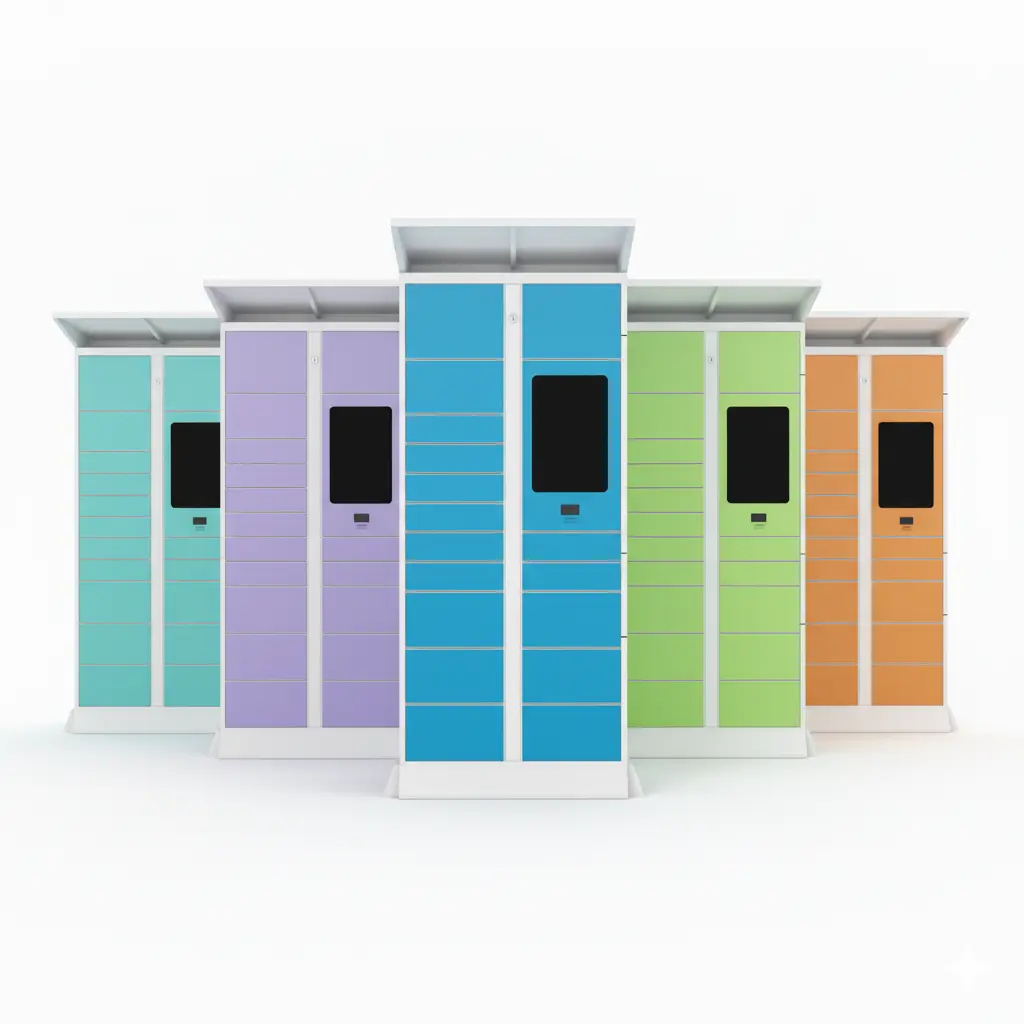
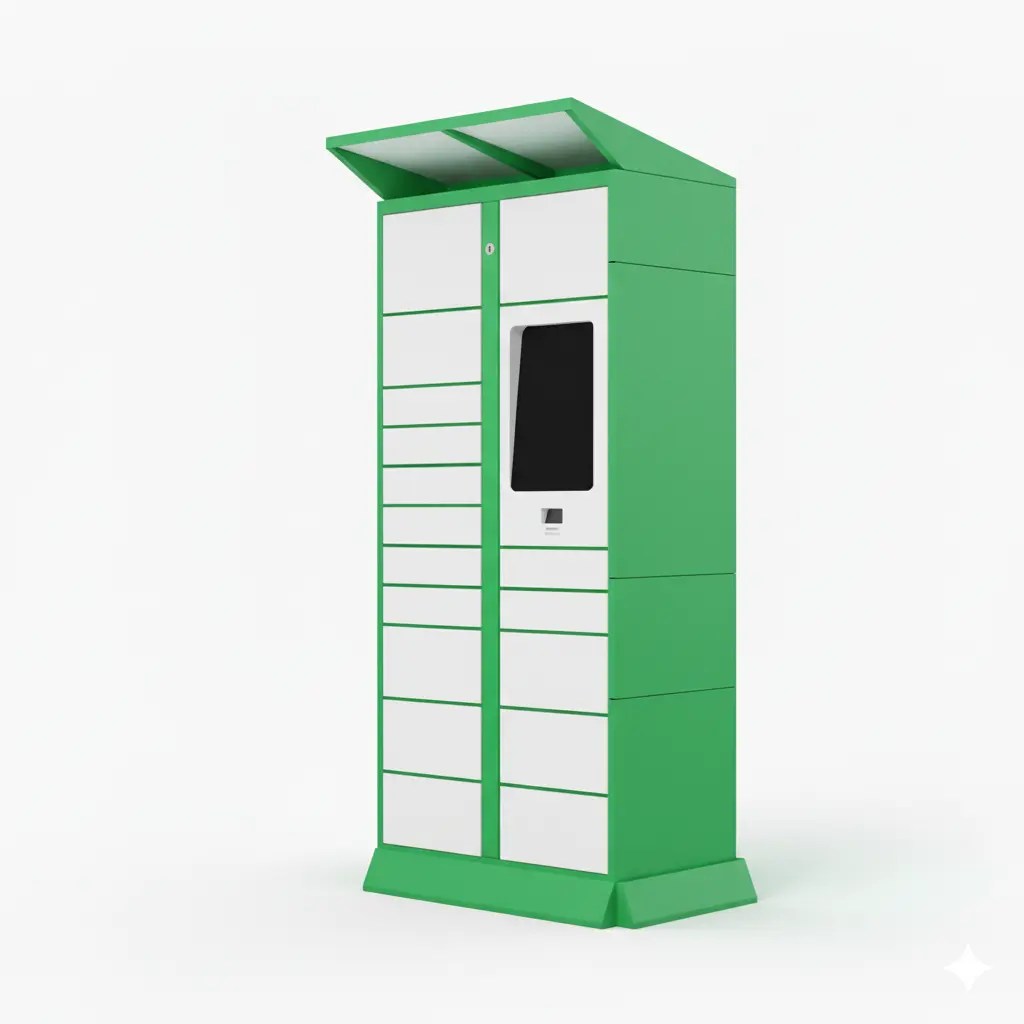
Outdoor deployment should be planned early. Logistics operators often need lockers near parking areas, station entrances, store fronts, petrol stations, community gates, or low-infrastructure neighborhoods. Linqu can support rust-resistant steel cabinets, powder coating, waterproof structures, canopy options, 4G connectivity, and region-specific power adaptation. For buyers planning exposed sites, the outdoor product reference is the outdoor weatherproof smart parcel locker.

Cost, ROI, and Payback Model for Locker Network Operators
The business case usually comes from fewer failed deliveries, faster route stops, lower counter labor, and more pickup density per site. A pilot can start from MOQ 1 unit and typically expand after the operator validates parcel volume, compartment mix, courier onboarding, and recipient behavior. For a site with 60-150 parcels per day, a mixed-size locker bank can reduce repeated delivery attempts and manual storage while giving the operator measurable usage reports.
Payback depends on rent, labor cost, delivery density, software scope, and whether the operator charges carriers, hosts, or recipients. A reasonable B2B planning range is 6-12 months for high-volume sites and 12-18 months for lower-volume or brand-building locations. Operators should measure parcels per compartment per month, failed-delivery reduction, average courier dwell time, recipient pickup time, and number of active carriers per site.
Implementation Plan and Internal Links for Buyers
A good implementation starts with the operating model. Confirm who owns the locker, who pays for software, how carriers are onboarded, how returns are handled, how recipients are notified, and what happens when parcels expire. Then confirm cabinet layout, screen language, scanner type, network mode, power supply, installation surface, branding, and remote support process. For product-level detail, review the logistics hub multi-carrier parcel locker and the community pickup station parcel locker. For a buyer education article, see multi-carrier parcel locker system.

Key Takeaways
A carrier-agnostic parcel locker network lets multiple couriers use one shared locker infrastructure with controlled permissions.
The strongest use cases are last-mile pickup, return drop-off, community collection, logistics hubs, and host-location networks.
API integration should cover order creation, compartment assignment, notification, pickup, returns, exceptions, and logs.
Outdoor projects should confirm waterproof structure, rust resistance, 4G, power, canopy, and remote monitoring before production.
Pilot projects can start from MOQ 1 unit, then expand after parcel volume and carrier onboarding are validated.
Linqu can customize hardware, software workflow, language, branding, compartment mix, and API integration for B2B locker networks.
Contact Linqu for a free custom quote within 24 hours.
About Linqu
About Linqu — Linqu (linqubox.com) is a smart locker manufacturer based in Zhengzhou, China. Founded in 2018, we design and produce parcel, luggage, food, laundry, pickup, vending, phone charging, and OEM lockers for B2B customers worldwide. Free custom quote within 24 hours.