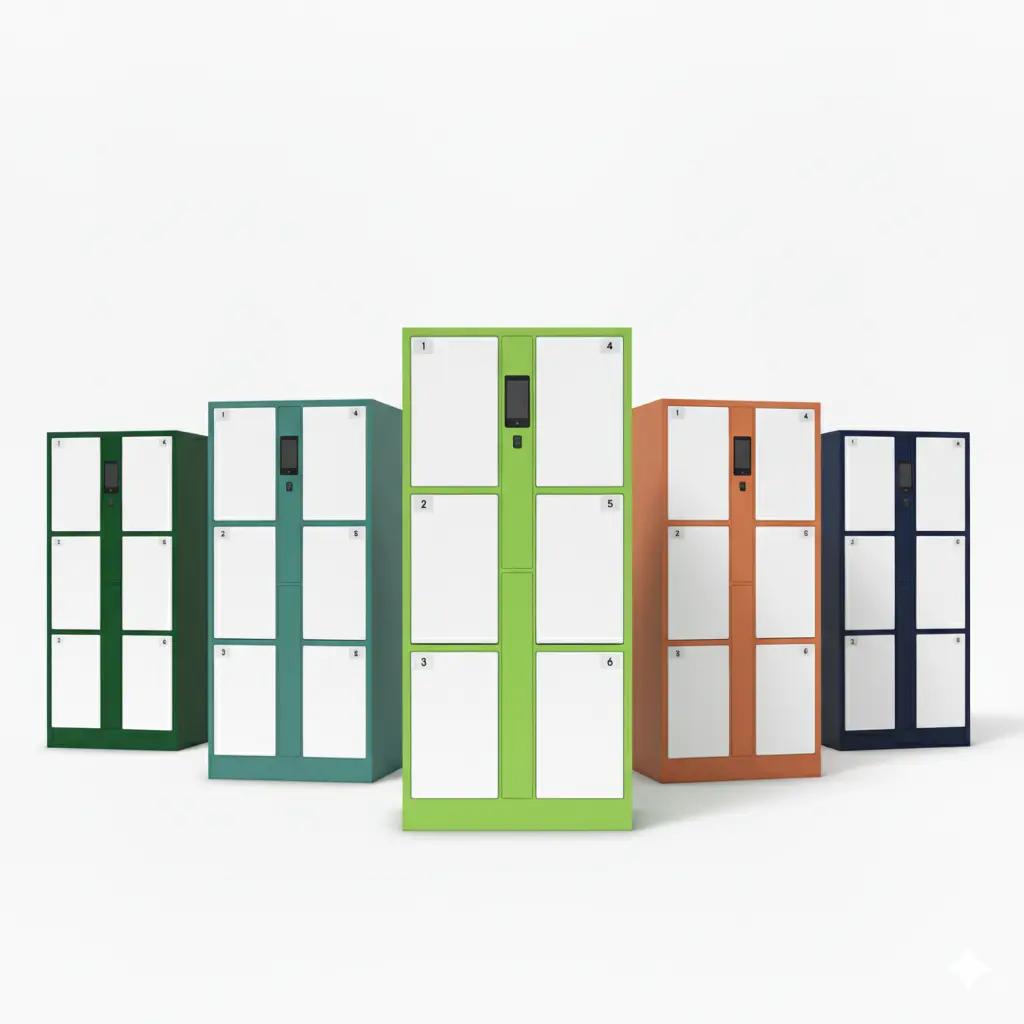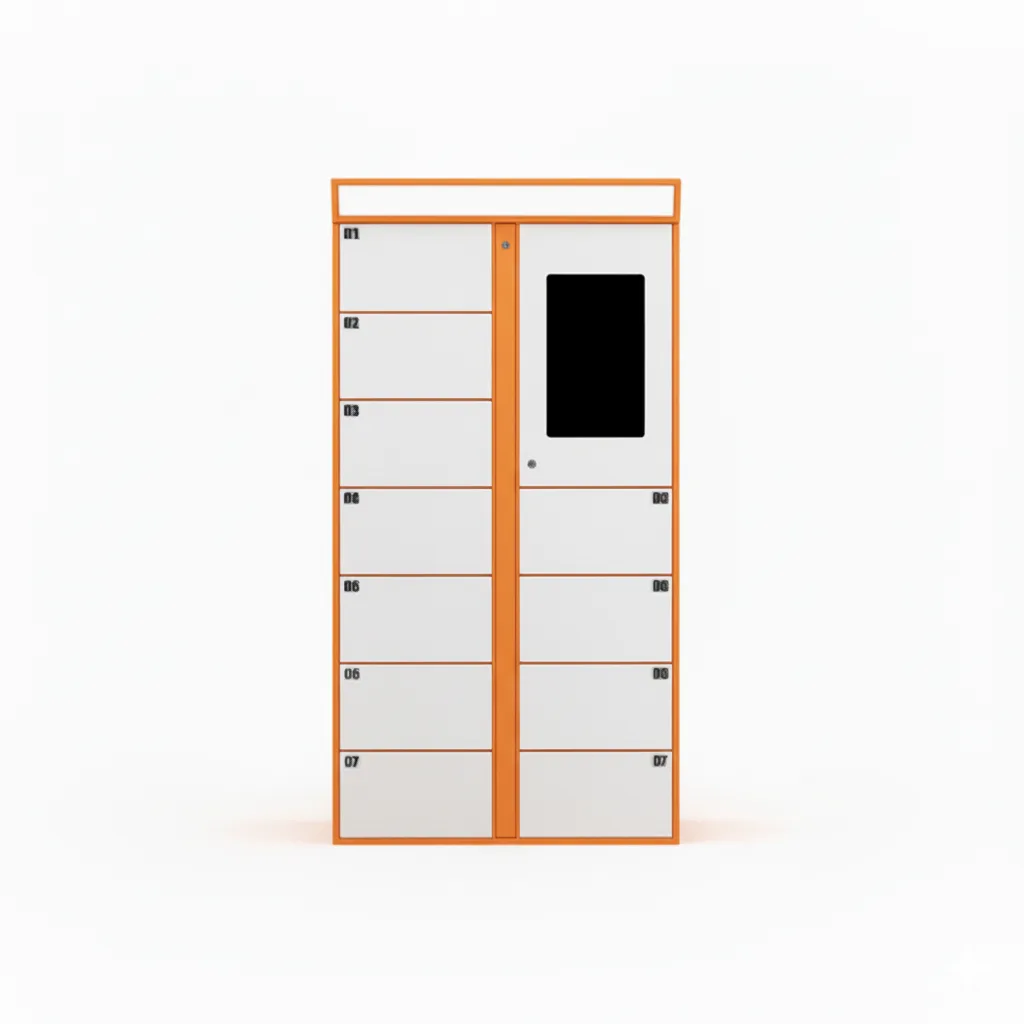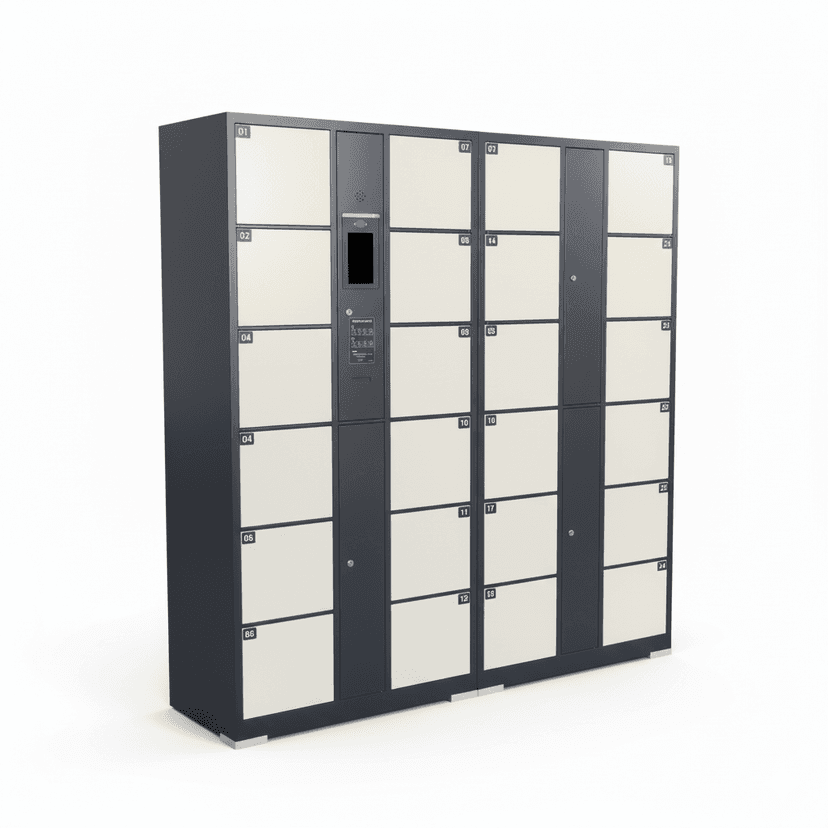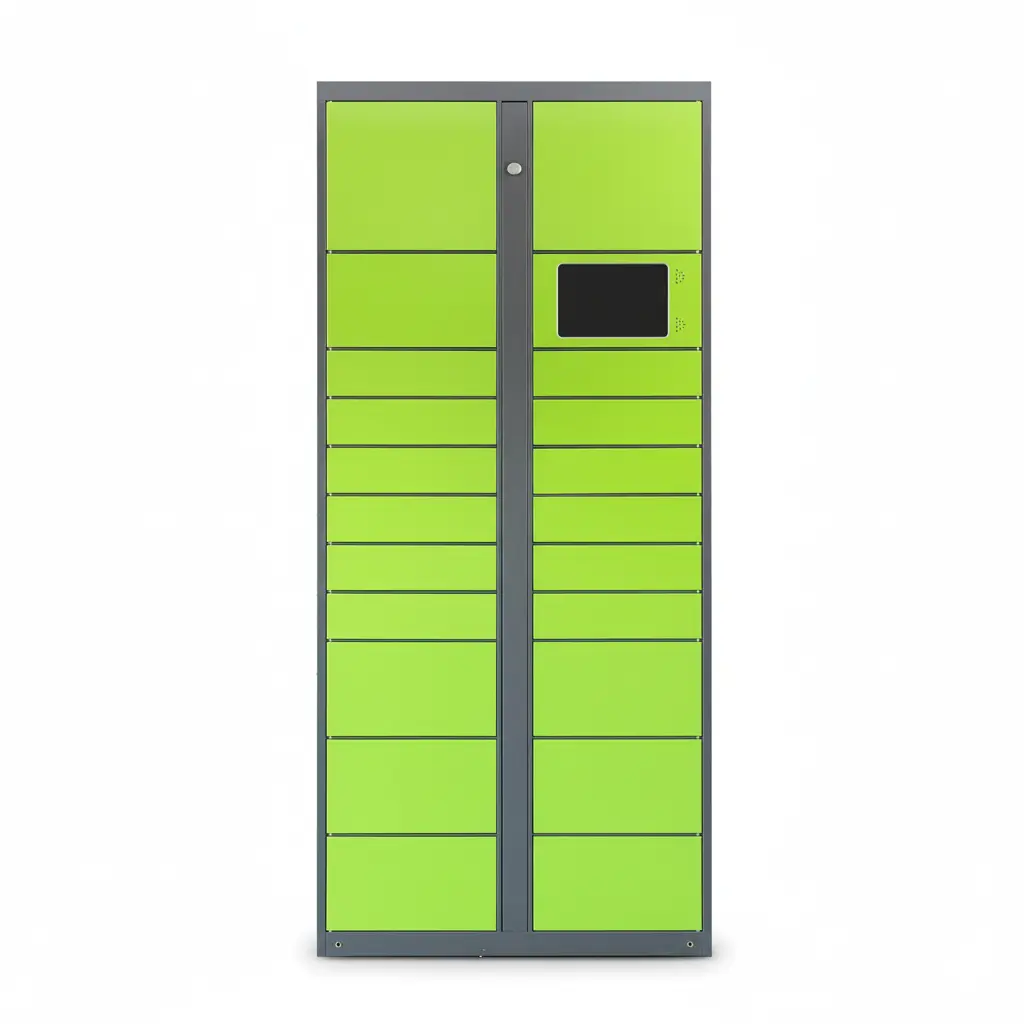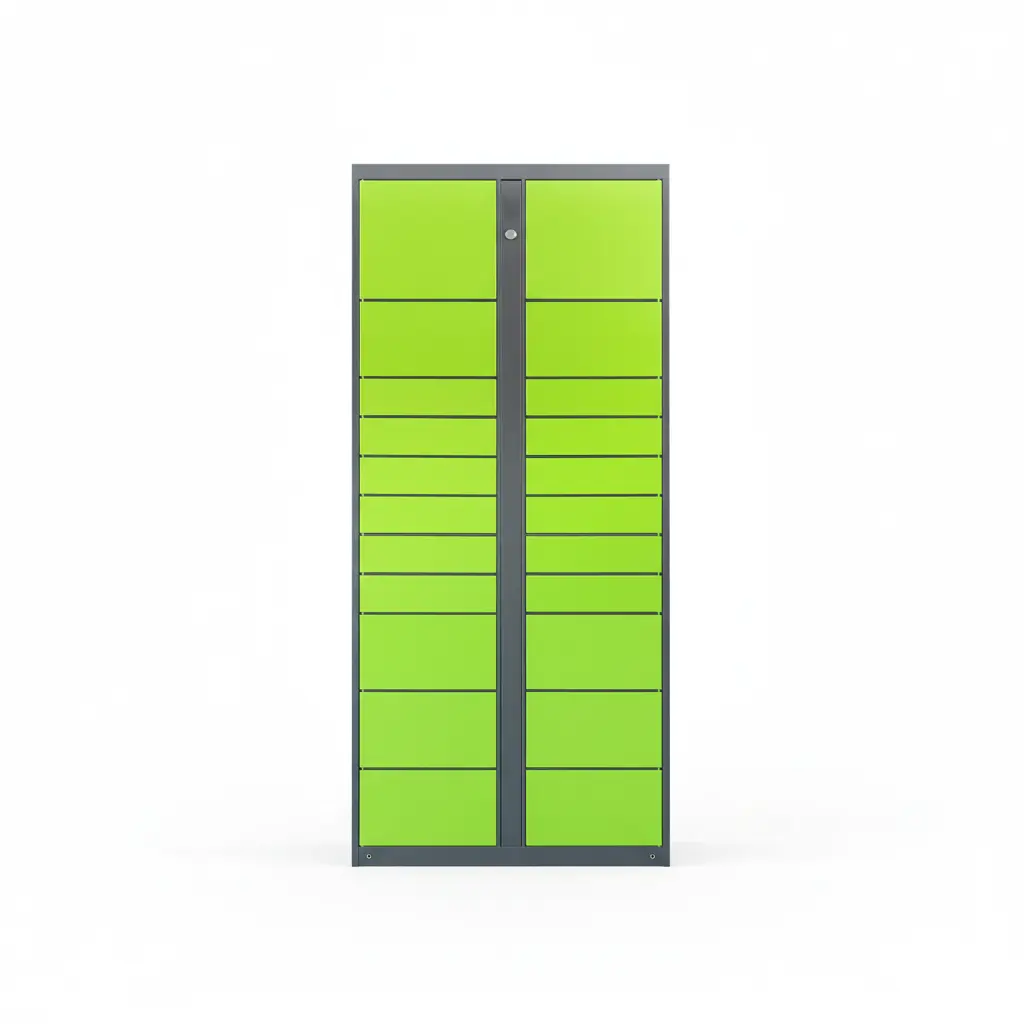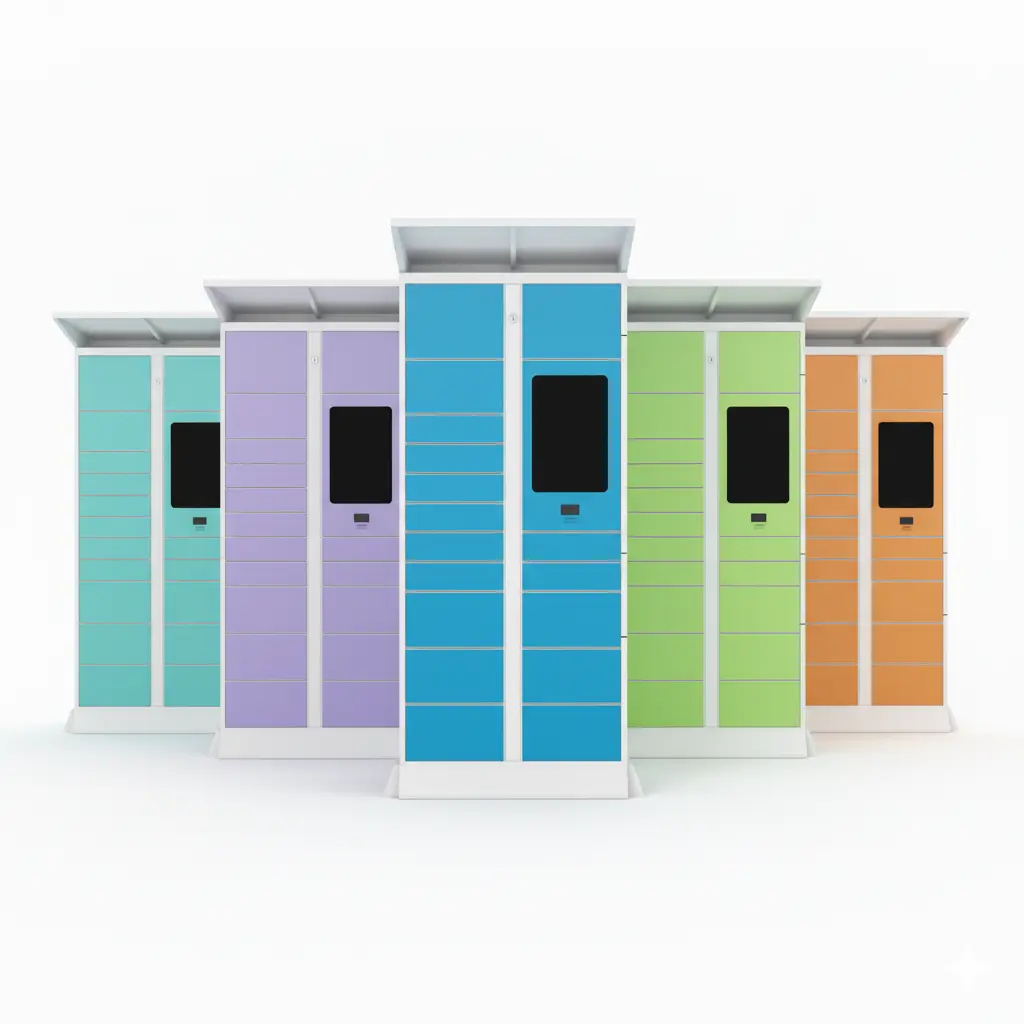
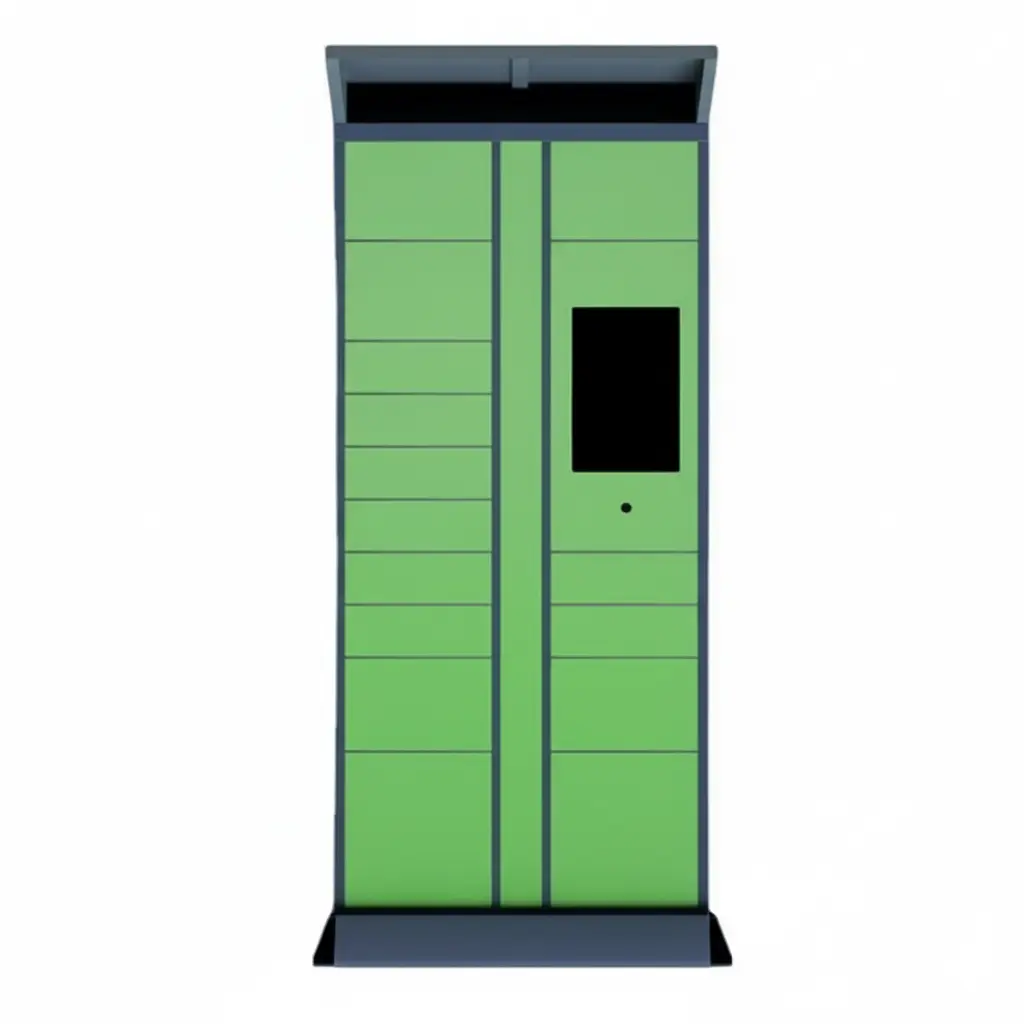
When a building installs a parcel locker system, the first question from property managers is almost always the same: will it work with every carrier? If your locker only accepts packages from one provider, the other carriers still leave parcels at the front desk, in the lobby, or at the door. The problem you bought the locker to solve remains half-solved.
A multi-carrier parcel locker system eliminates this bottleneck. Every carrier — UPS, FedEx, USPS, DHL, Amazon, and local couriers — uses the same locker bank through a unified access protocol. No dedicated hardware per carrier. No separate apps. One system, all packages.
What Makes a Parcel Locker "Multi-Carrier"?
A multi-carrier system differs from a single-carrier locker in three ways:
Carrier-agnostic access — Any delivery driver can deposit a package using a shared interface (QR code, PIN, barcode scan, or carrier app). The locker does not require the driver to use a proprietary app tied to one logistics company.
Open API integration — The locker platform exposes APIs that connect to multiple carrier tracking systems simultaneously. When a driver deposits a package, the system automatically sends the recipient a pickup notification with a unique code, regardless of which carrier delivered it.
Shared compartment pool — All carriers draw from the same pool of compartments. This maximizes utilization. A single-carrier system might leave half the lockers empty while the other carrier's packages pile up elsewhere.

How Carrier-Agnostic Access Works in Practice
The delivery workflow for a multi-carrier locker is straightforward:
Driver arrives at the locker and selects "Deposit Package" on the touchscreen.
Driver identifies the recipient by scanning a barcode, entering a phone number, or selecting from a building directory.
System assigns a compartment based on package size (small, medium, or large). The driver places the package inside and closes the door.
Recipient receives a notification via SMS, email, or app push with a unique pickup code.
Recipient picks up the package by entering the code on the touchscreen or scanning a QR code from their phone.
The key point: none of these steps require the driver to use a carrier-specific app. A FedEx driver, an Amazon Flex driver, and a local courier all follow the same process. This is what makes the system truly carrier-agnostic.
API Integration: Connecting Multiple Carriers to One Platform
The software backbone of a multi-carrier system is its API layer. Here is what a well-designed integration looks like:
Inbound tracking sync — The locker platform receives tracking updates from each carrier's system. When a package is marked "out for delivery," the locker can pre-assign a compartment.
Deposit confirmation — When the driver deposits the package, the locker sends a confirmation back to the carrier's tracking system. The recipient sees "Delivered to locker" in their tracking app.
Pickup confirmation — When the recipient picks up the package, the locker notifies the carrier that delivery is complete.
Timeout and returns — If a package is not picked up within a configurable window (typically 48-72 hours), the system can notify the carrier for return pickup.
LinQu's parcel locker platform provides a RESTful API with webhook support, allowing property management systems, carrier platforms, and third-party logistics providers to integrate with a single endpoint. Our multi-carrier parcel locker for logistics hubs is designed specifically for high-volume, multi-carrier deployments.

Shared vs. Dedicated Compartments: Which Model Works Better?
There are two deployment models for multi-carrier lockers:
Shared pool (recommended for most sites):
All carriers use any available compartment.
Higher utilization rate — typically 70-85% vs. 30-50% for dedicated systems.
Fewer total compartments needed to serve the same delivery volume.
Better for apartments, offices, and mixed-use buildings.
Dedicated sections:
Each carrier gets a reserved block of compartments.
Useful when carriers require physical separation for liability reasons.
Lower utilization but simpler operational agreements.
More common in logistics hubs and public pickup stations.
Most multi-carrier deployments start with a shared pool model because it delivers better ROI per compartment. If a specific carrier later requests dedicated space, the software can partition compartments without hardware changes.
Where Multi-Carrier Lockers Make the Biggest Difference
Multi-carrier systems are not equally valuable everywhere. Here are the deployment scenarios where they deliver the highest impact:
Multifamily apartments — Residents receive packages from multiple carriers daily. A single-carrier locker solves only a fraction of the problem. Our apartment parcel locker with SMS notification supports unlimited carrier access.
Office buildings — Employees order from different vendors using different shipping providers. A multi-carrier locker in the lobby replaces the overwhelmed reception desk. See our office parcel locker with cloud management.
University campuses — Students receive high volumes from Amazon, FedEx, USPS, and international carriers. A shared locker network across campus buildings handles the diversity.
Logistics hubs and public pickup stations — These sites serve as neutral pickup points for multiple carriers, requiring true carrier-agnostic infrastructure from day one.
What to Look for When Choosing a Multi-Carrier Locker System
If you are evaluating multi-carrier parcel lockers for your property or network, here are the questions that matter most:
Is the access method truly carrier-agnostic? Some systems claim multi-carrier support but still require each carrier to install a proprietary app. True carrier-agnostic means any driver can deposit using the locker's built-in interface.
Does the API support real-time tracking sync? Without this, recipients do not see "Delivered to locker" in their tracking app, which creates confusion and support tickets.
Can the software partition compartments dynamically? You may want shared access today but dedicated sections for a specific carrier tomorrow. The software should handle both without hardware changes.
What is the notification system? Multi-carrier systems must send pickup codes via SMS, email, and app push — not just one channel.
Is the hardware built for your environment? Indoor lobby lockers have different requirements than outdoor weatherproof units or high-volume logistics hub deployments.
LinQu manufactures multi-carrier parcel locker systems with carrier-agnostic touchscreen access, open RESTful APIs, and configurable compartment management. Every unit is built in-house at our 20,000 sqm facility, which means we control hardware quality, software integration, and delivery timelines end to end. Contact us for a free deployment consultation and quote.