Package volumes in multifamily housing have surged over the past five years. What used to be a handful of daily deliveries to an apartment lobby has become a constant stream of boxes from multiple carriers, each competing for limited counter space. The leasing office doubles as a mailroom, front desk staff spend hours logging packages, and residents complain when items go missing or sit uncollected for days.
This is not a technology problem waiting for a futuristic solution. It is an operational bottleneck that smart parcel lockers solve today. The question for property managers is no longer whether to install lockers, but how to choose and deploy them in a way that actually reduces staff workload instead of creating new headaches.
The Real Problem: It Is Not Just About Receiving Packages
Most property managers initially think of parcel lockers as a simple drop-off point. But the daily friction in a multifamily mailroom goes deeper:
Delivery peaks overwhelm staff. During holiday seasons and major sales events, package volumes can spike 3-5x. Front desk teams that normally handle 30 packages a day suddenly face 150, with no extra headcount.
Oversized and irregular packages create bottlenecks. Not every package fits a standard compartment. Bulky items, oddly shaped boxes, and grocery deliveries need flexible storage options — or they end up piled in the hallway.
Uncollected parcels occupy space for days. Residents who travel, work long hours, or simply forget create a dwell-time problem. Compartments stay occupied, reducing available capacity for new deliveries.
Lost package disputes damage reputation. When a resident claims a package was never received, staff have no audit trail to verify what happened. This erodes trust and generates negative reviews.

How Smart Parcel Lockers Address Each Pain Point
A well-designed parcel locker system does not just store packages — it automates the entire workflow from carrier drop-off to resident pickup, eliminating the manual steps that create delays and errors.
Automated Carrier Drop-Off
Delivery drivers scan the package barcode on the locker touchscreen. The system assigns a compartment based on package size, generates a unique pickup code, and immediately sends an SMS or app notification to the resident. No front desk interaction required. This alone can reduce staff package-handling time by 80% or more.
Mixed-Size Compartments for Every Package Type
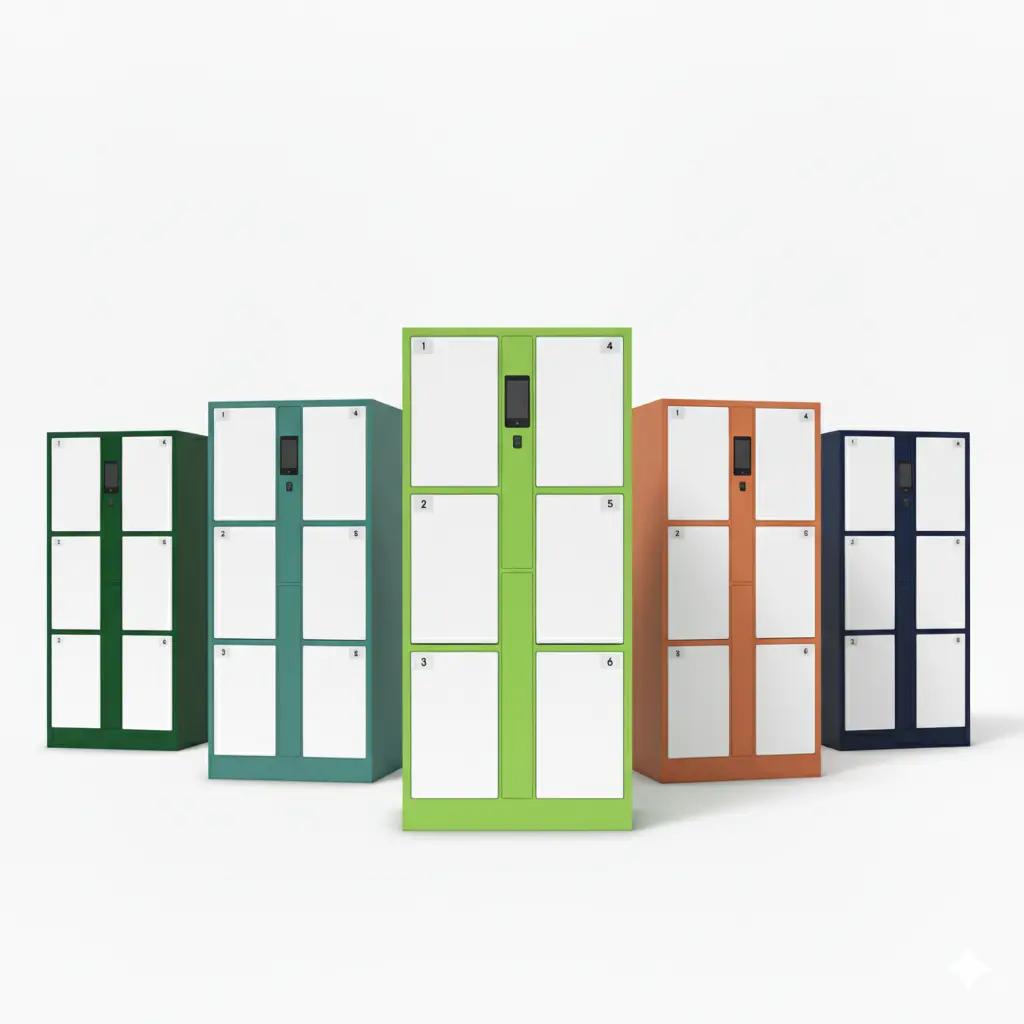
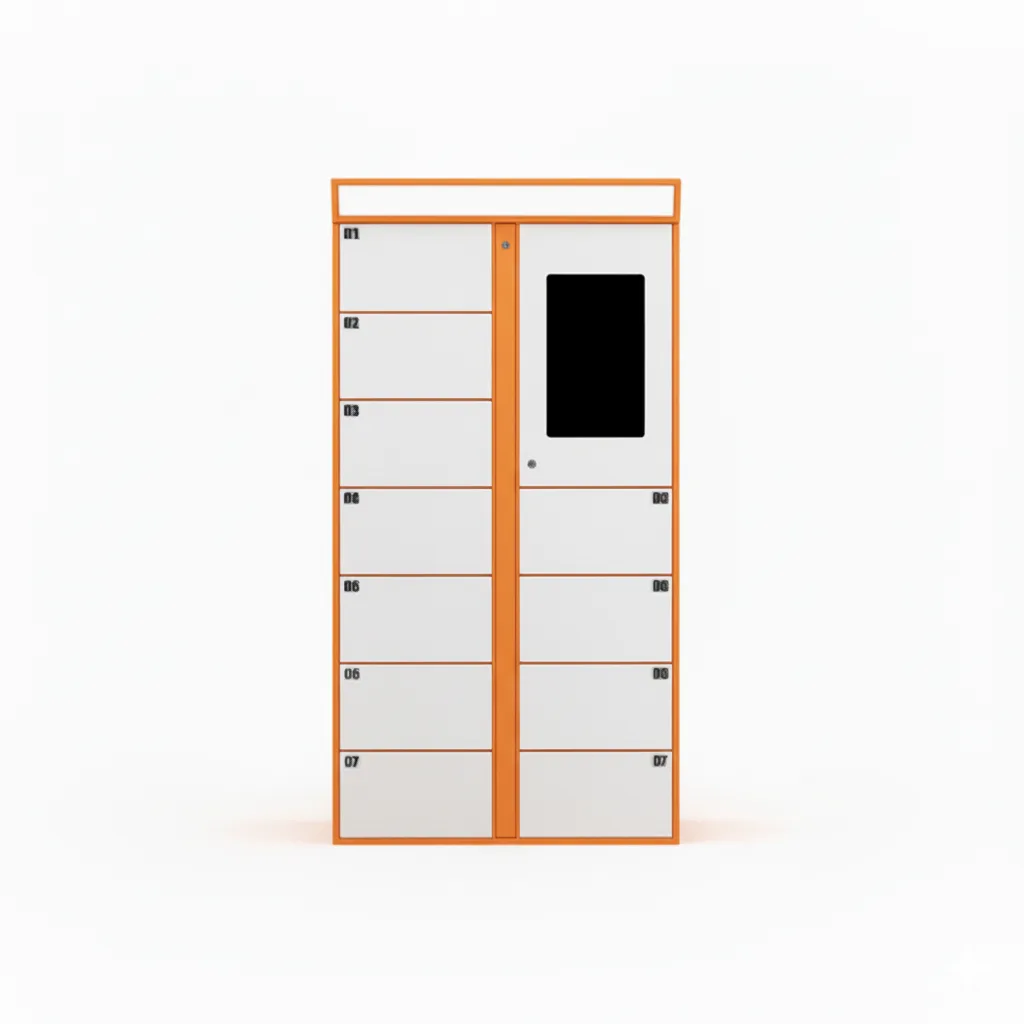
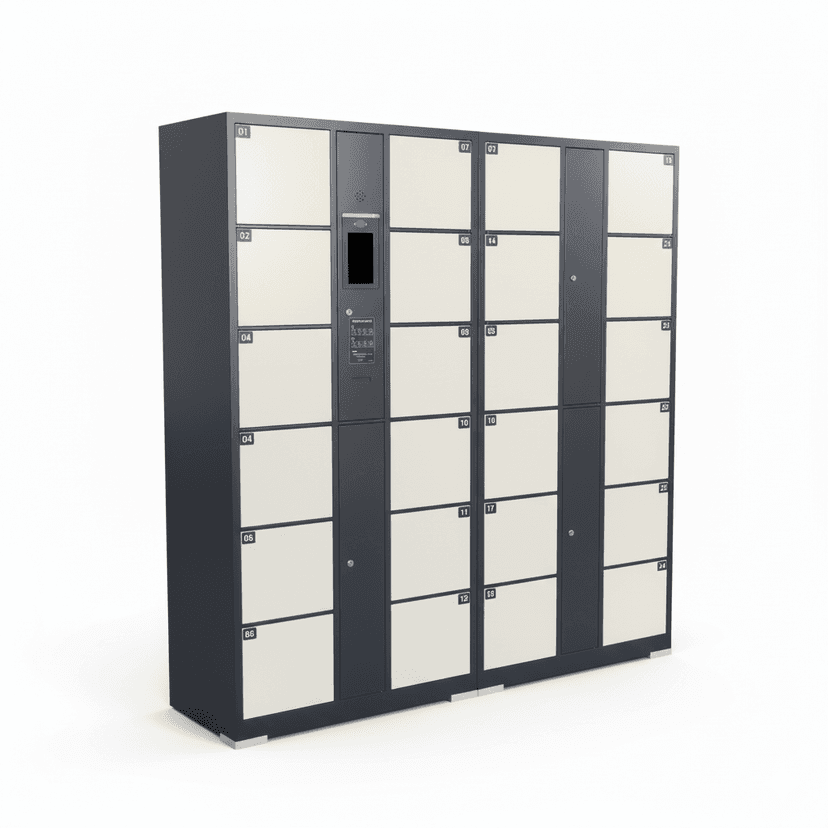
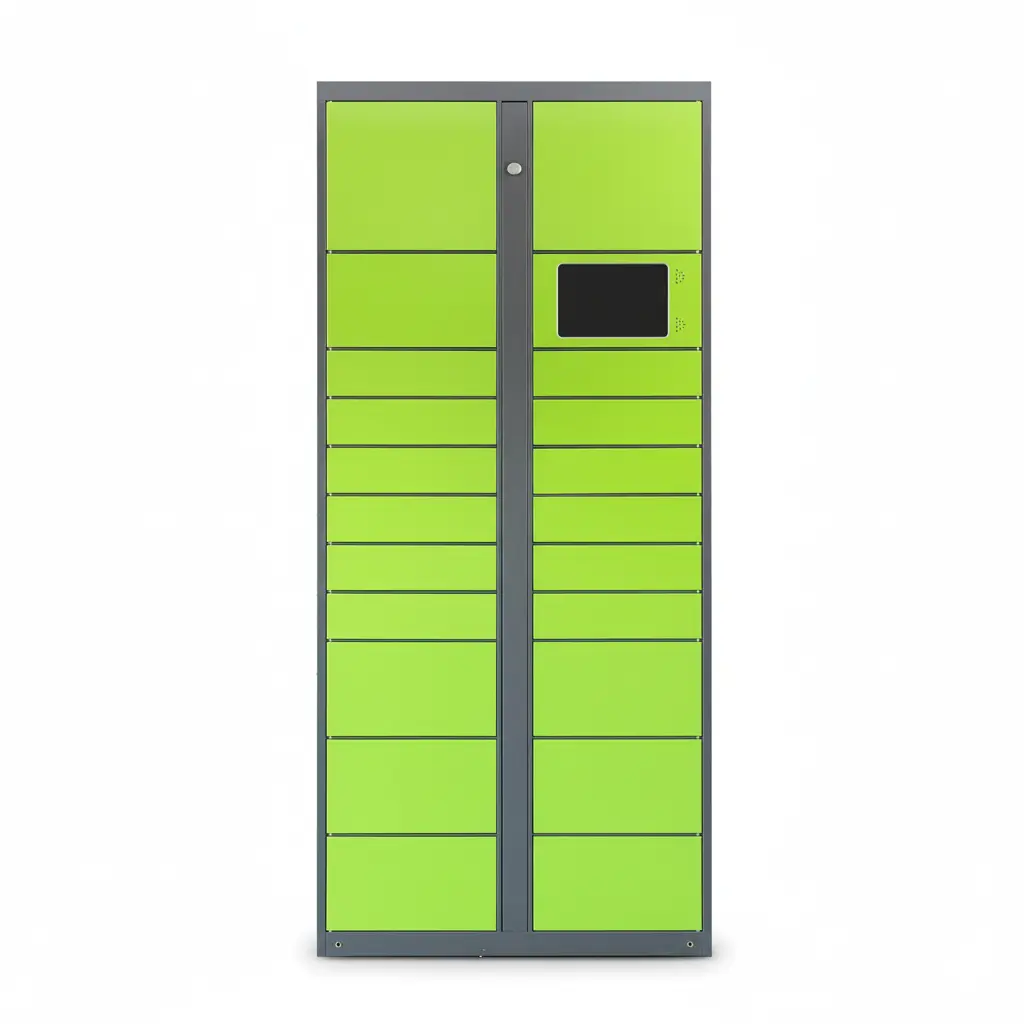
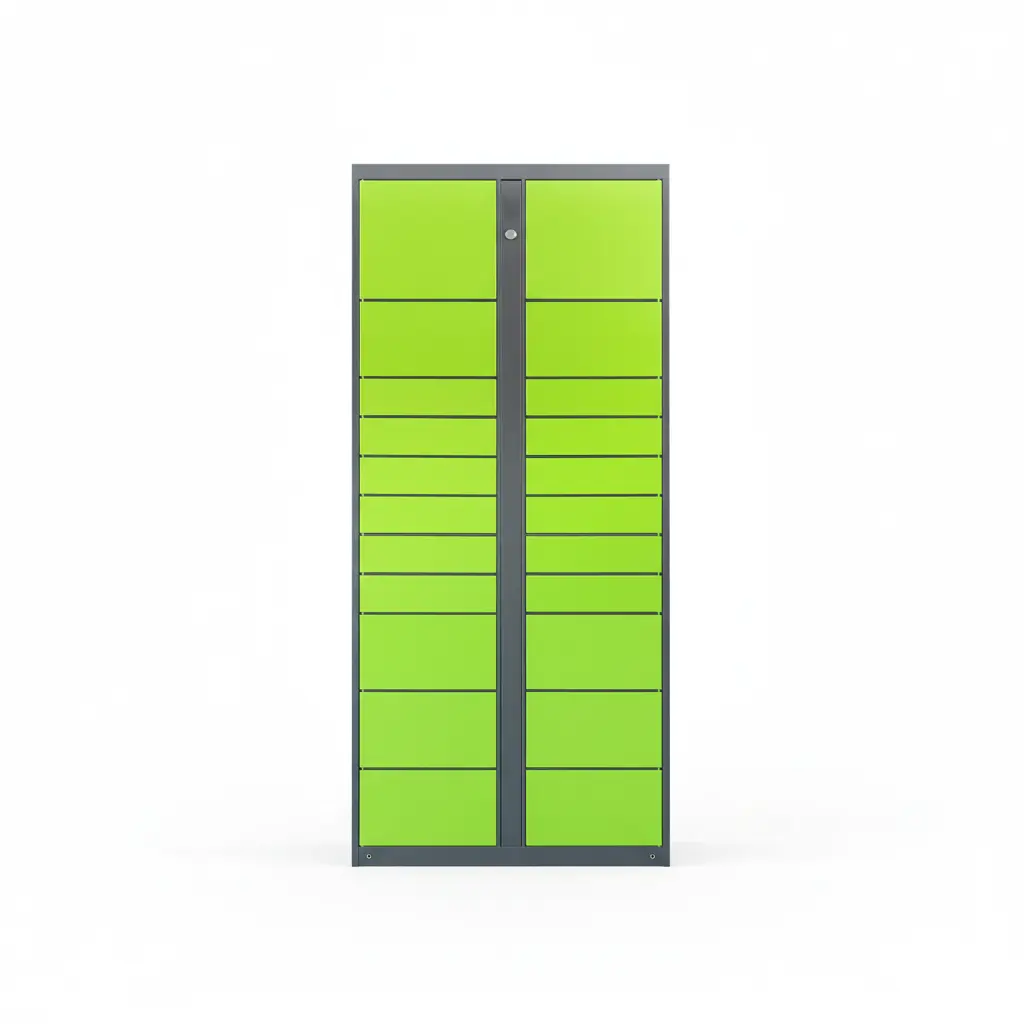
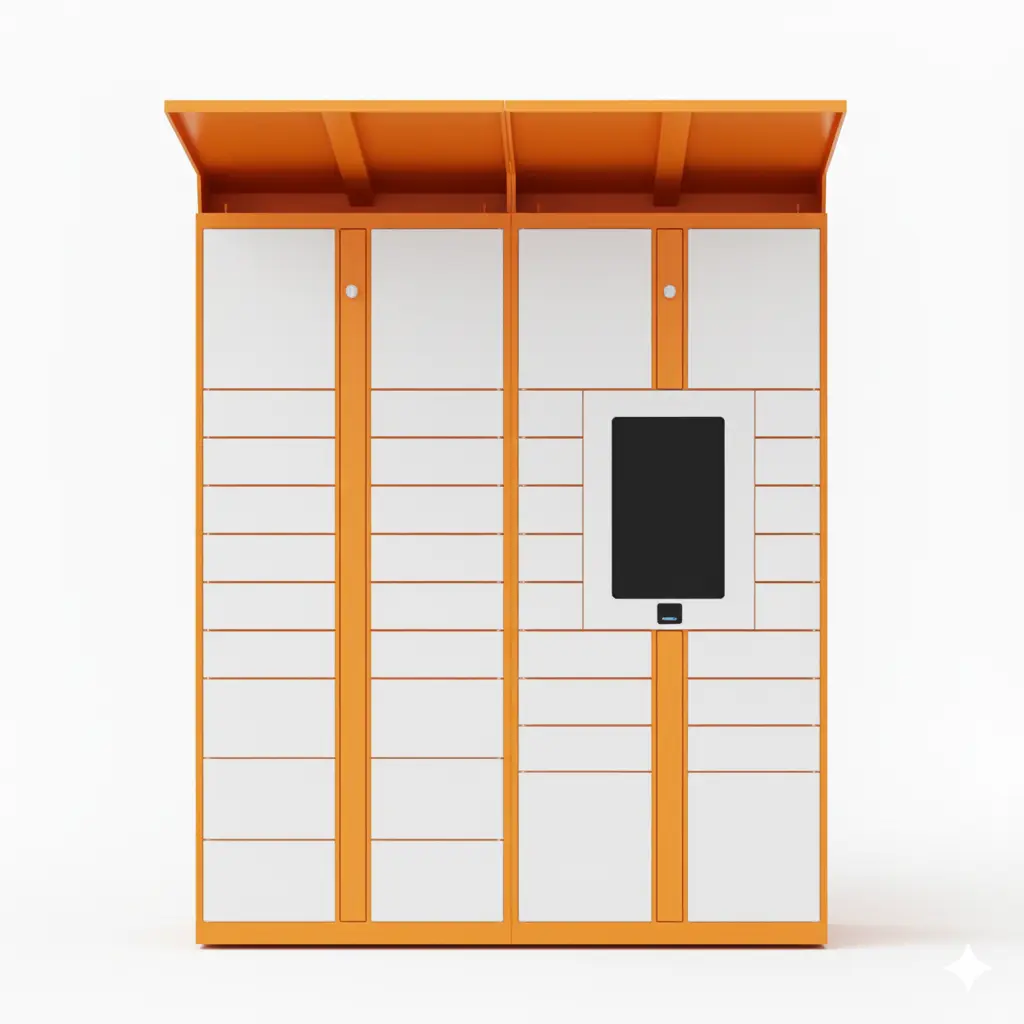
Smart locker systems offer configurable compartment layouts — small, medium, and large slots in the same unit. For a 200-unit apartment building, a typical configuration might include 8 large compartments for oversized boxes, 12 medium for standard shipments, and 16 small for envelopes and small parcels. The system automatically selects the best-fit compartment for each delivery, maximizing utilization.
Overtime Reminders and Dwell-Time Management
If a package remains uncollected beyond a configurable window (typically 24-48 hours), the system sends automatic reminders to the resident. Property managers can set escalation rules — second reminders, overtime fees, or return-to-sender workflows — to keep compartments circulating and prevent long-term storage abuse.
Full Chain-of-Custody Audit Trail
Every interaction is logged: which carrier deposited the package, which compartment it was placed in, when the notification was sent, and when the resident picked it up. If a dispute arises, property management has timestamped evidence rather than relying on memory. Explore our smart parcel locker for apartments with SMS notification for a system built specifically for residential communities.

Deployment Considerations for Property Managers
Installing a parcel locker is straightforward, but getting the most value requires thinking through a few operational details:
Capacity sizing: A common rule of thumb is one compartment per 5-8 residential units. A 200-unit building typically needs 25-40 compartments. Factor in your average daily delivery volume and typical dwell time to right-size the system.
Placement and access: Lockers should be in a location accessible 24/7 — not behind a locked leasing office that closes at 6 PM. Ground-floor lobbies, mailroom alcoves, or covered outdoor areas near building entrances work best.
Network connectivity: The locker needs a reliable internet connection for real-time notifications and cloud management. Building WiFi is usually sufficient for indoor installations. For outdoor or parking-level placements, a 4G LTE module provides independent connectivity.
Multi-carrier compatibility: Ensure the system works with all carriers — USPS, UPS, FedEx, Amazon, DHL, and local couriers. Carrier-agnostic systems with barcode scanning (not carrier-specific integrations) offer the most flexibility.
The ROI Case: Numbers Property Managers Care About
The business case for parcel lockers in multifamily properties is compelling:
Staff time saved: Eliminating manual package logging saves 2-4 hours of front desk labor per day in a 200+ unit building. At $15-20/hour, that is $10,000-$30,000 annually.
Reduced liability: Chain-of-custody logging virtually eliminates "lost package" disputes and the associated resident churn risk.
Resident satisfaction: 24/7 self-service pickup with instant notifications is consistently rated as a top amenity by apartment residents, alongside in-unit laundry and high-speed internet.
Competitive differentiation: Properties with smart locker systems report higher lease renewal rates and can justify premium positioning in competitive rental markets.
For buildings that also handle inter-office deliveries or multi-tenant commercial spaces, a cloud-managed parcel locker with multi-carrier integration extends the same workflow to corporate environments.
Getting Started
The first step is a site assessment: measure the available space, count residential units, and estimate daily delivery volume. From there, you can specify the right compartment mix, choose between indoor and outdoor configurations, and plan the network and power connections.
At LinQu, we manufacture smart parcel lockers with configurable compartment layouts, SMS and app notifications, cloud management dashboards, and open APIs for property management system integration. Every component — from the steel cabinet to the software platform — is built in-house at our 20,000 sqm facility, which means we can customize sizes, branding, and workflows to match your property's specific requirements.
Need help sizing a system for your building? Contact our team for a free consultation.