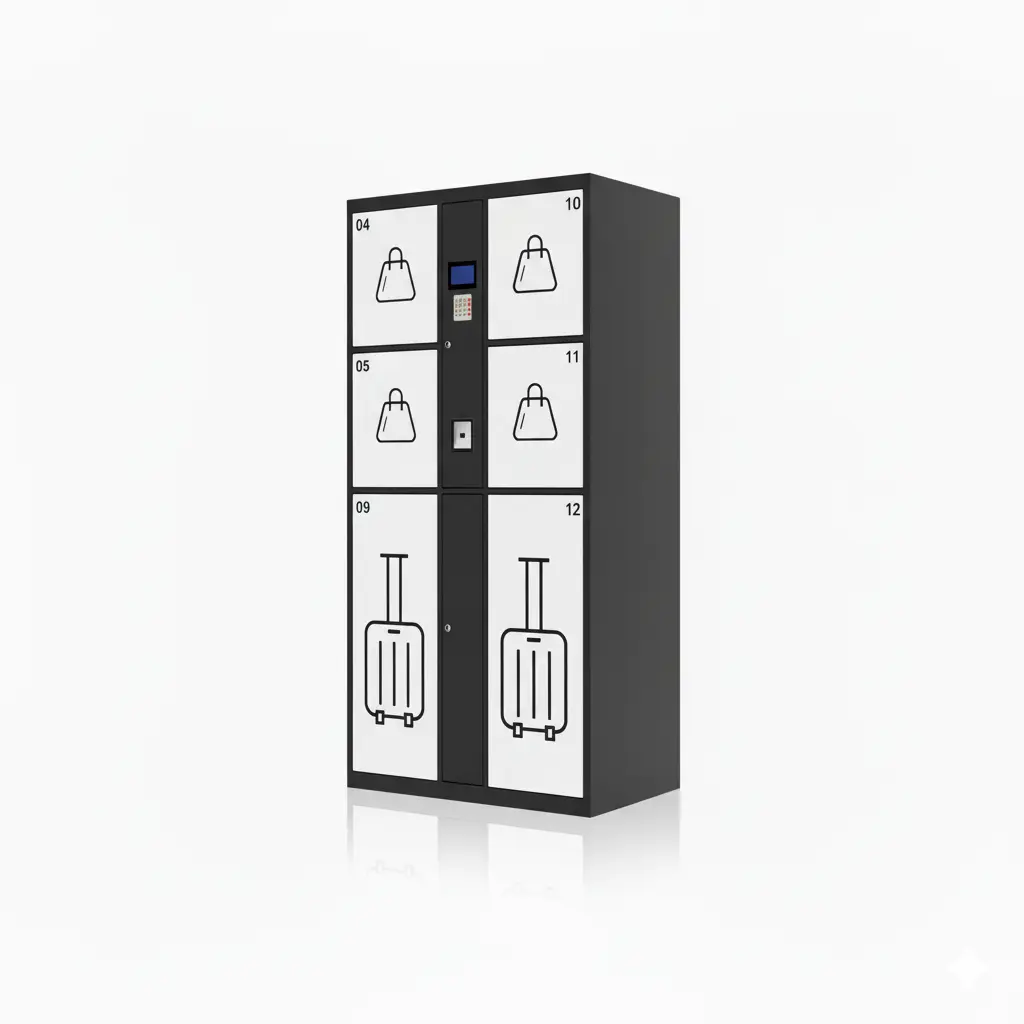
Print shops, custom apparel makers, sign makers and other made-to-order businesses all face the same last step: the order is finished, but the customer is not there to take it. Linqu is a smart locker manufacturer headquartered in Zhengzhou, China, with its factory in Luoyang, and we design and build order pickup lockers for print shops and custom-goods businesses. Staff put finished orders into a locker, the system texts the customer a pickup code, and the customer collects whenever it suits them — including after closing time. You can start with a single cabinet and grow it into a full pickup wall as order volume rises.
Solution Overview
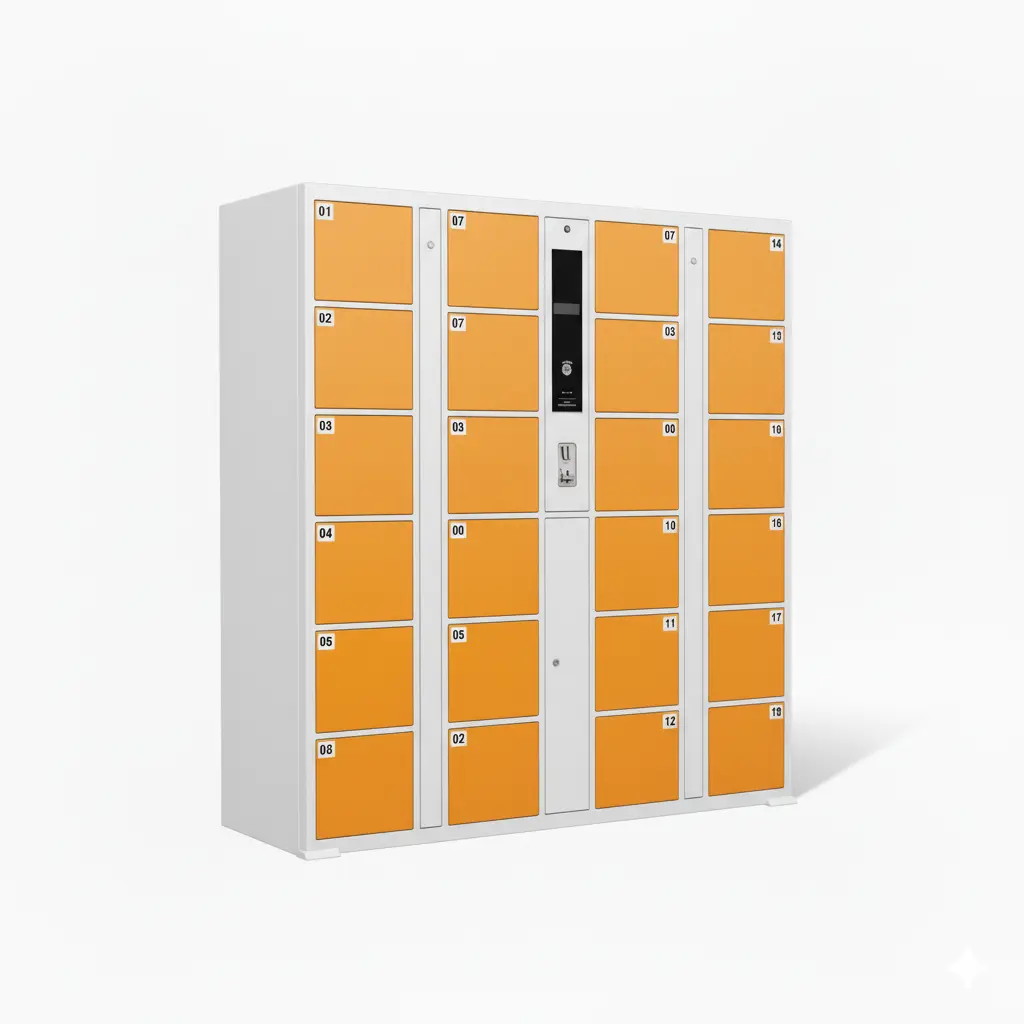
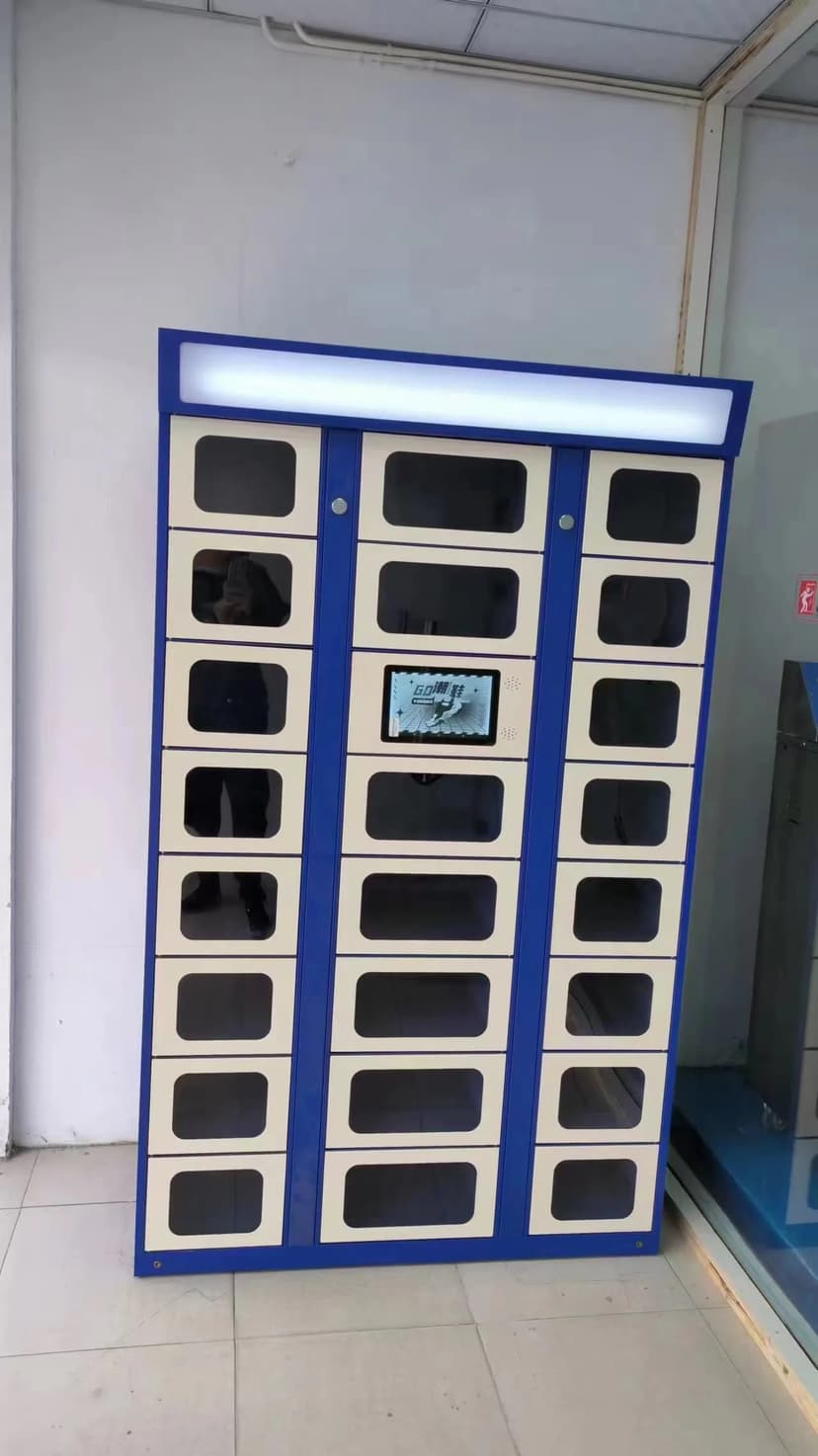
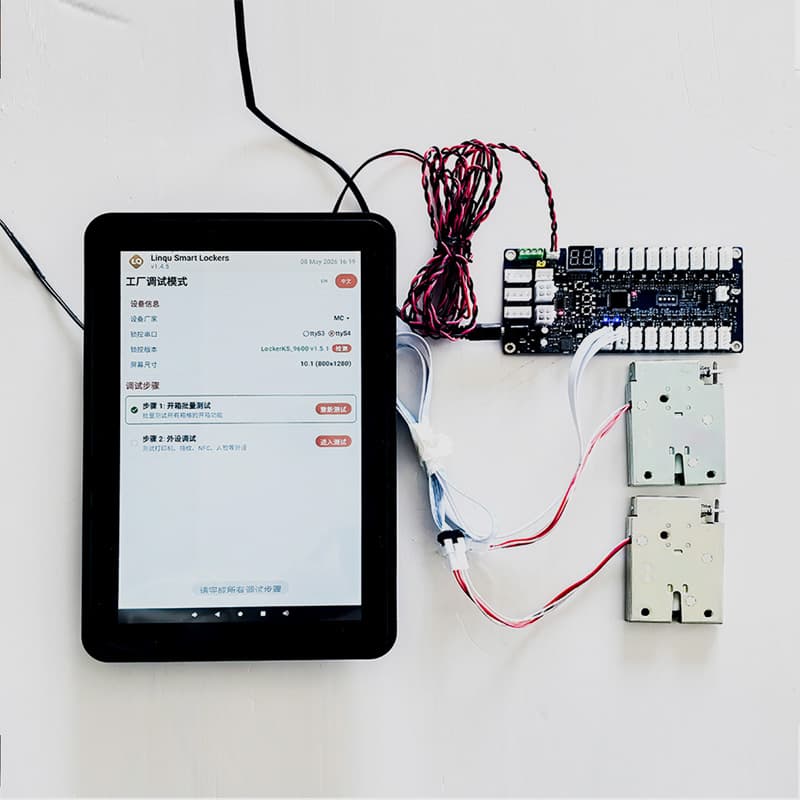
- Hardware: a main cabinet with touchscreen and controller, plus optional secondary cabinets that join alongside it; compartment sizes mixed to match your orders.
- Software: staff deposit by phone number, automatic SMS pickup codes, overdue reminders, remote opening and a full operation log in a cloud back office.
- Integration: works stand-alone from day one; an open API is available if you want your own order system to drive deposits and notifications.
- Deployment: indoor installation, power to local standards, WiFi, Ethernet or 4G; remote setup support is included with the equipment.
- Customization: cabinet colour, logo, door count and compartment sizes built to order, from a minimum order of one unit.
The general case for after-hours handover is covered in our after-hours self-service pickup locker solution. This page focuses on what is different for made-to-order businesses, and on how to plan a locker that grows with you.
Why Handover Is Harder for Made-to-Order Businesses
A retail store hands over items that were already on a shelf. A print or custom-goods business hands over items that did not exist yesterday. That changes three things.
- Completion times are unpredictable. An order is only ready once it has been printed, cut, pressed or packed. You cannot give the customer a reliable pickup slot in advance, and staff cannot notify everyone in one batch.
- Order sizes vary widely. On the same day you may hand over a single transfer sheet that fits in an envelope, a box of printed T-shirts and a rolled banner. A front counter fills up quickly with the bulky ones.
- Many customers are repeat trade buyers. They run businesses of their own, often collect several times a week, and are busiest exactly when you are open. Every pickup squeezed into business hours costs both of you time.
A pickup locker removes the need for both sides to be in the same place at the same time. The order waits in a locked compartment, not on your counter.
How the Locker Takes Over the Handover Step
The workflow is the same whether you hand over five orders a day or fifty:
- Staff deposit. When an order is finished, a staff member logs in on the locker with an employee account, chooses a free compartment of the right size (or lets the system assign one), enters the customer's phone number, places the order inside and closes the door.
- Automatic notification. The system generates a unique pickup code and sends it by SMS. The customer does not need to install an app. Email and WhatsApp notifications can be developed on request.
- Self-pickup at any time. The customer enters the code on the touchscreen, the matching door opens, and the pickup is logged.
- Exception handling. Expired or mistyped codes are flagged, uncollected orders trigger reminders, administrators can open a compartment remotely, and every deposit and pickup is recorded — who placed it, which door, and when it was collected.
For a step-by-step explanation of the code itself, see how SMS pickup code lockers work.

Configuring Your First Main Cabinet
The first cabinet should be built around the orders you actually hand over, not a generic layout. These are the decisions that matter:
| Decision | How to think about it |
|---|---|
| Compartment mix | Look at a recent month of orders. Roughly what share fits in an envelope or small box, and what share is a full carton or a roll? Set the ratio of small to large compartments from that. |
| Largest compartment | Size it to your most common large order, not the rare oversized job. Occasional outliers can still go over the counter. |
| Screen | 7-inch, 10-inch and 21.5-inch touchscreens are available. Indoor pickup rarely needs the largest screen. |
| Location | Indoors, close to the entrance, so customers do not walk through your production area. You need a power socket and a network connection (WiFi, Ethernet or 4G). |
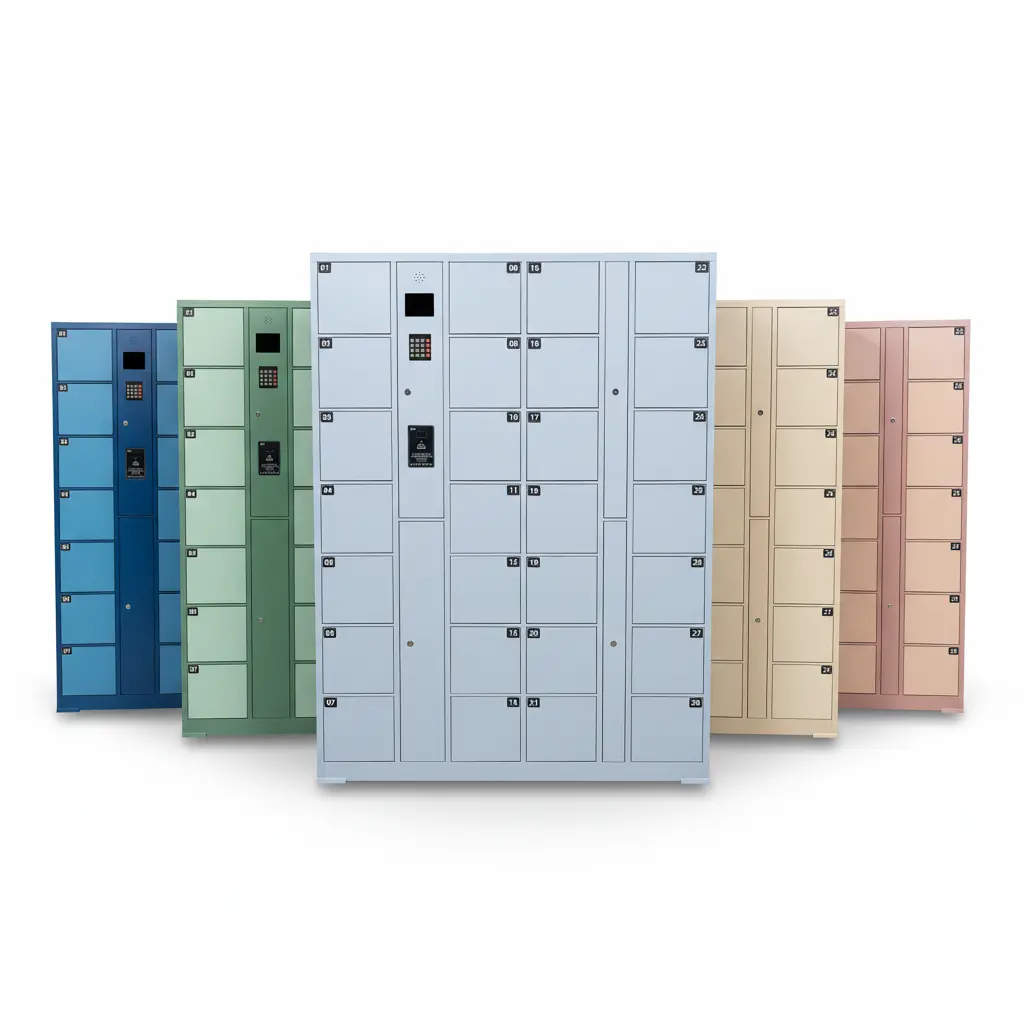
| Appearance | Cabinet colour, logo, door count and compartment sizes can all be customized to match your shop. |
| Power | Built to local standards — for example 110–120V / 60Hz with Type A / B plugs for the United States. |
The minimum order is one unit, so even the first cabinet can be built to your own order profile rather than bought as a standard model to test the idea.

Growing From One Cabinet to a Pickup Wall
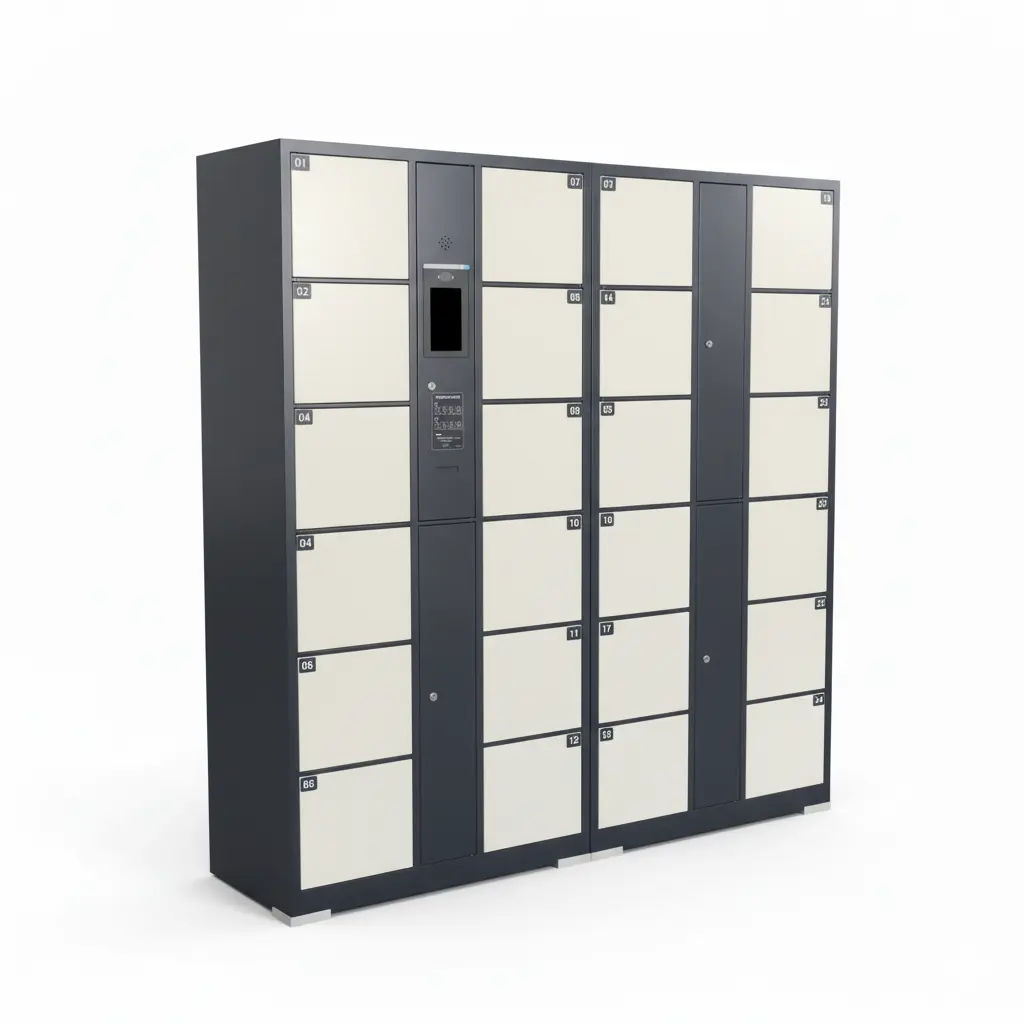
Linqu pickup lockers are modular. The main cabinet carries the screen and the controller; secondary cabinets contain compartments only and join alongside, controlled by the same main cabinet. This makes phased expansion straightforward:
- Stage one — prove the workflow. Run one main cabinet. Confirm that staff deposit and customer pickup fit your daily routine, and note which compartment size fills up first.
- Stage two — add what runs out. Add secondary cabinets with the compartment size you are short of. Nothing already installed needs replacing.
- Stage three — add access points. When customers start to queue at one screen, or you want pickup points in more than one area, add another main cabinet. All units are managed in the same back office, where you can see compartment occupancy, deposit and pickup records, and overdue orders in one place.
A real example: a US print materials seller first deployed a pickup locker so customers could collect after closing time. After running it, the business ordered more main and secondary cabinets, and its shop now has an L-shaped pickup wall. Read the case study.
If You Already Run an Order System
The locker works on its own: staff only need the customer's phone number to deposit an order, and no outside system is required.
If you already have an online store or your own order system and want "order finished → compartment assigned → customer notified" to happen automatically, Linqu provides an open API for connecting your existing system. The scope is confirmed per project. Our locker API integration guide explains how this kind of integration is typically structured.

Delivery and Deployment
- Standard delivery is the equipment plus remote deployment support: plug the cabinet in, connect it to the network, and it is ready to configure. On-site installation by our team is quoted separately per project. See our installation and deployment services for how responsibilities are split.
- Manufacturing: cabinets, compartments and finishes are produced to order in our own factory in Luoyang. Learn more about Linqu as a smart locker manufacturer.
- Relevant products: the self-service order pickup locker and the 24/7 after-hours pickup locker.
Frequently Asked Questions
What if an order is too big for any compartment?
Size your largest compartments for your most common large orders when the cabinet is specified. Occasional oversized jobs can still be handed over at the counter.
What happens if a customer never collects?
The system sends overdue reminders. Administrators can see the order in the back office and open the compartment remotely to retrieve it.
Can notifications go out by WhatsApp?
SMS is the standard channel. WhatsApp and email notifications can be developed on request.
What is the minimum order?
One unit.
Key Takeaways
- Made-to-order businesses struggle with handover because completion times vary, order sizes vary, and many customers are repeat trade buyers.
- Staff deposit, an SMS pickup code and self-pickup take order handover out of business hours.
- Specify the first main cabinet around your own order mix: the ratio of small to large compartments matters more than the total count.
- Expand by adding secondary cabinets of whichever compartment size runs out first; add main cabinets when you need more access points.
- The locker works stand-alone and can also be connected to your own order system through an open API.
- Minimum order is one unit, with colour, logo and compartment sizes customized.
About Linqu
Linqu is a smart locker manufacturer founded in 2018, headquartered in Zhengzhou, China, with its factory in Luoyang. We build self-service pickup lockers, parcel lockers and other smart lockers for B2B buyers worldwide, with OEM/ODM customization of cabinets, compartments and software. For pickup locker projects we support single-unit pilots and modular expansion with main and secondary cabinets.
Get a pickup locker quote within 24 hours. Send us your approximate monthly order volume and your most common order sizes, and we will propose a compartment layout for your first cabinet.