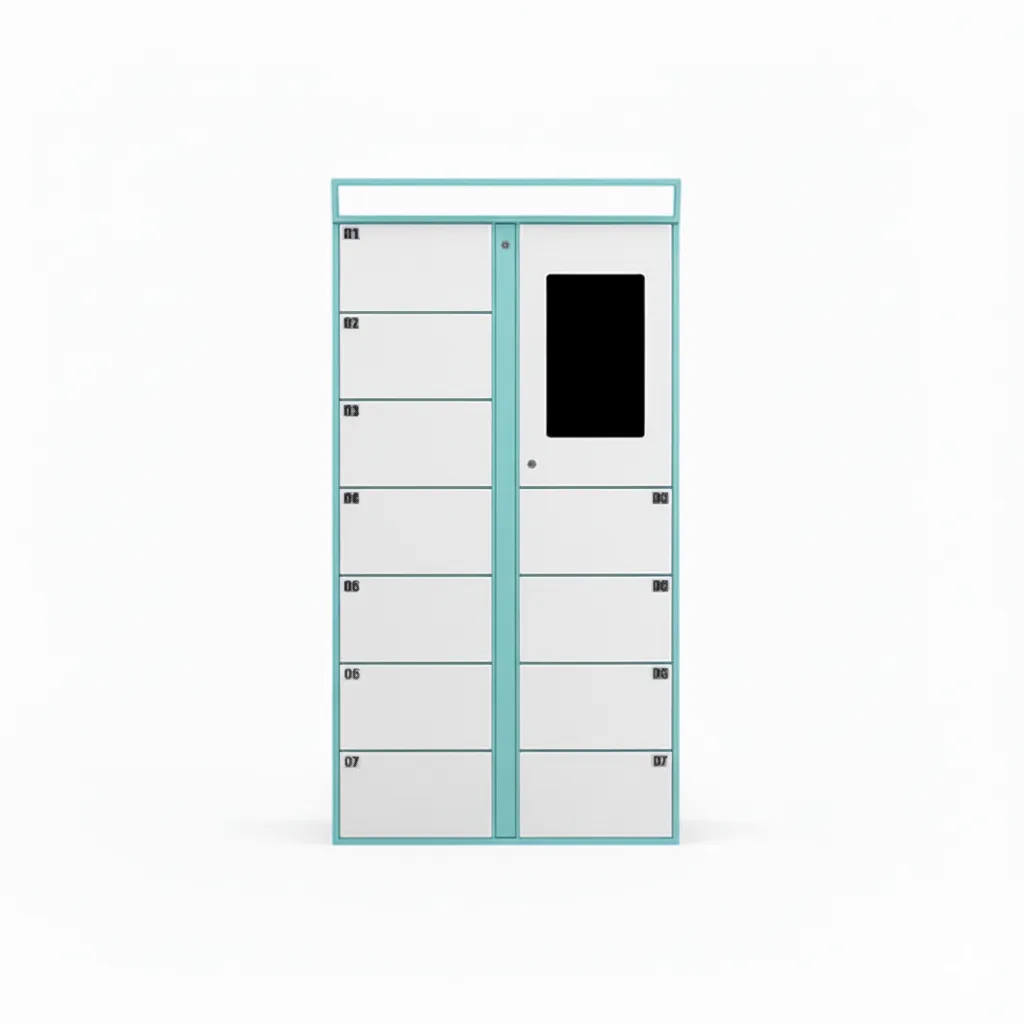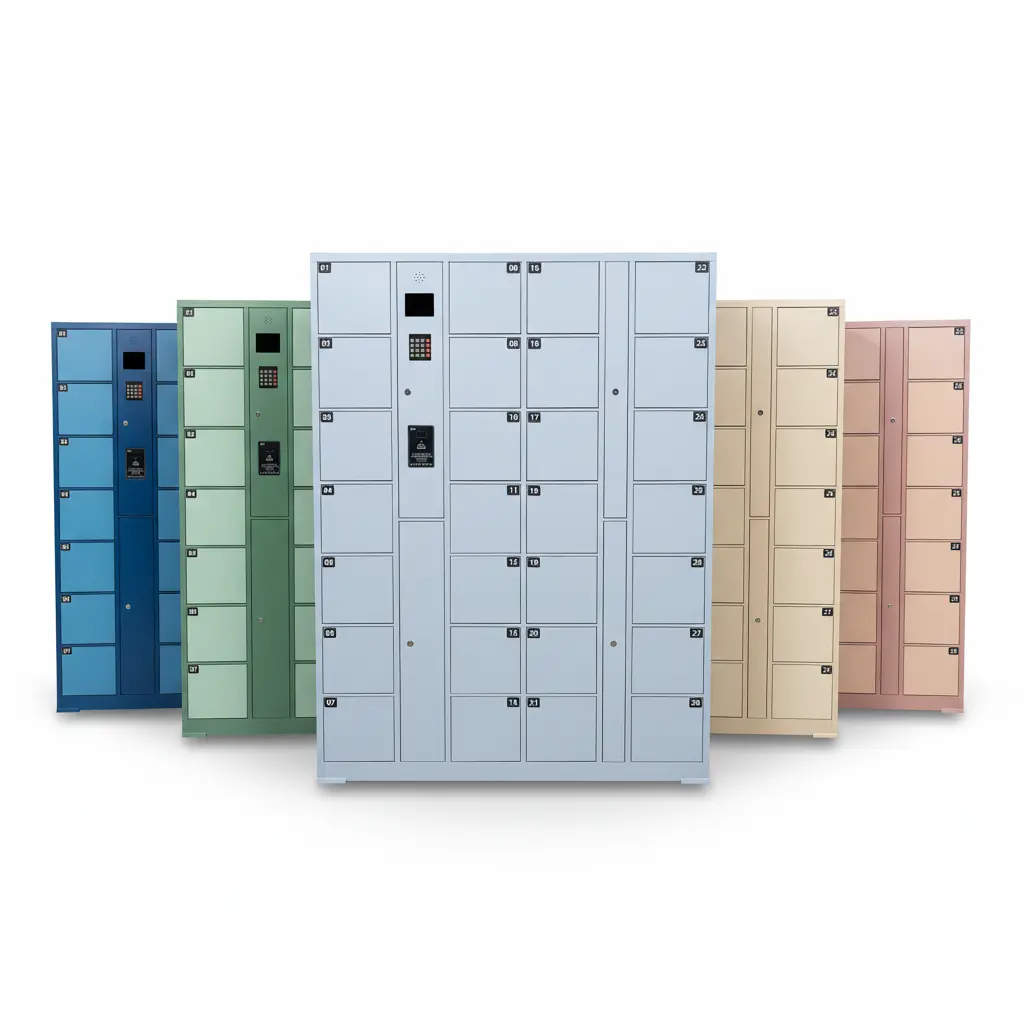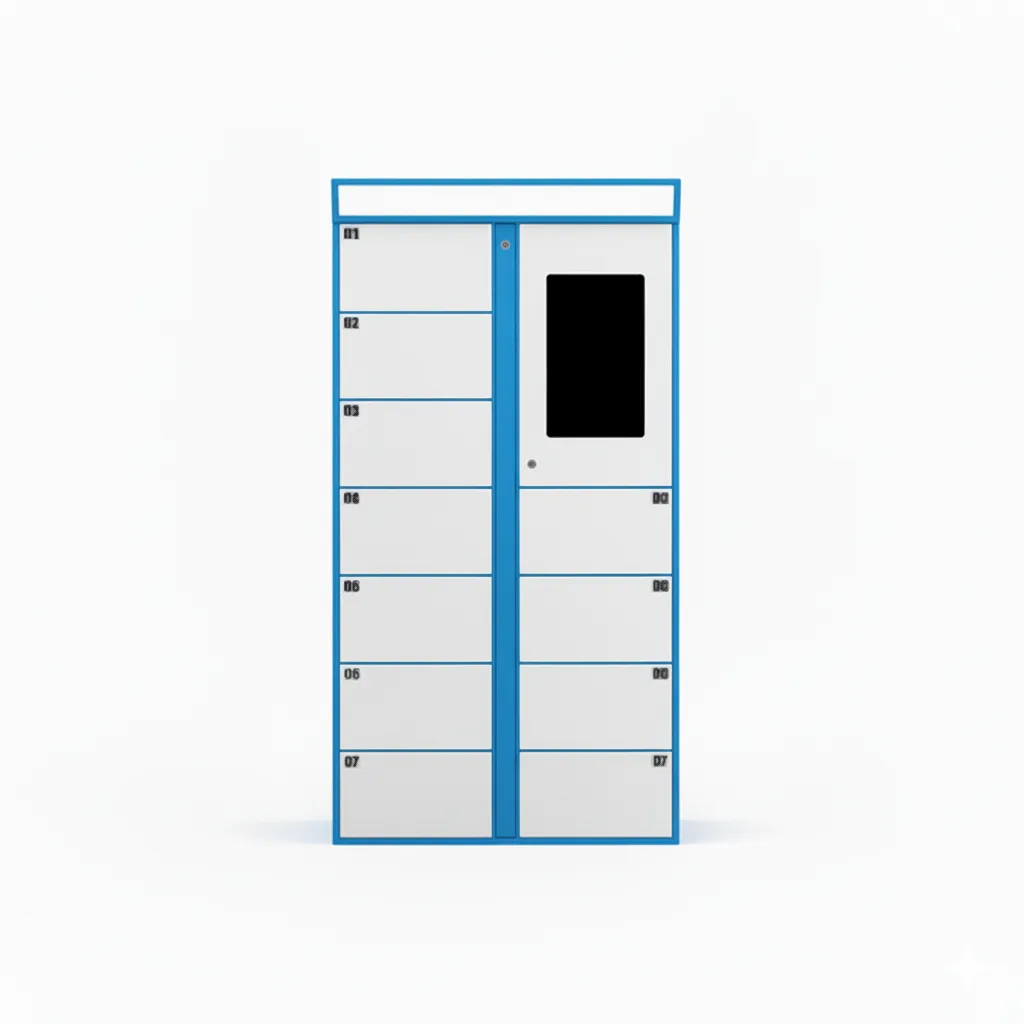
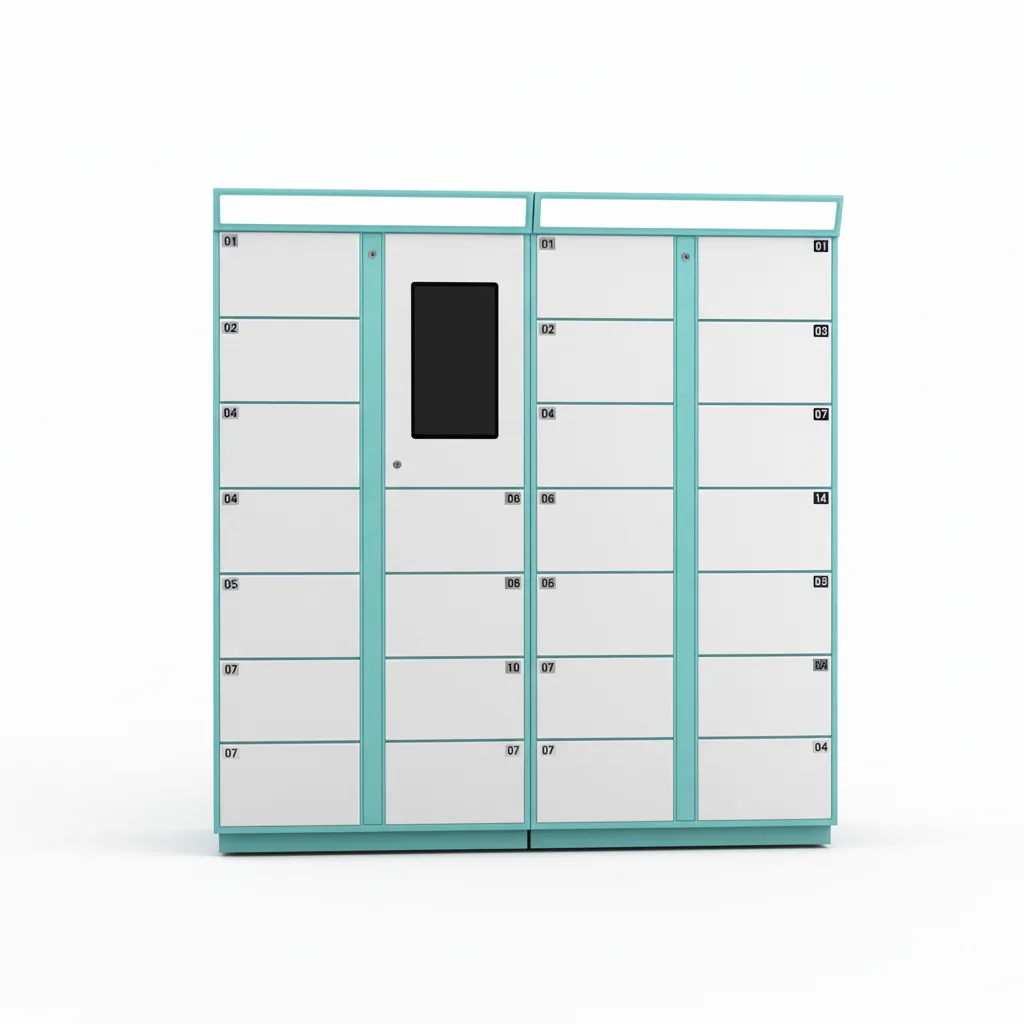
Linqu is a smart locker manufacturer based in Zhengzhou, China, and designs turnkey smart laundry locker network solutions for laundry operators, dry cleaners, property managers, office buildings, hotels, campus service teams, and service businesses that want 24/7 unattended drop-off and pickup. The solution combines smart laundry locker hardware, white-label software, customer access credentials, payment integration, backend management, optional UV-C hygiene modules, logistics planning, and installation support.
This page is written for buyers who are not simply asking for one cabinet. The stronger business case is a locker network: a pilot with one or two sites, then expansion to apartment buildings, office towers, hotels, campuses, supermarkets, or community service points. In that model, the project must be planned as an operating system. The cabinet, app, payment gateway, staff workflow, route planning, site installation, and support model all need to work together.

Solution overview: what Linqu provides
A turnkey smart laundry locker network from Linqu can include five connected parts: locker hardware, user software, operator backend, payment and API integration, and deployment support. The buyer can start with a small pilot and keep the same architecture for a larger rollout.
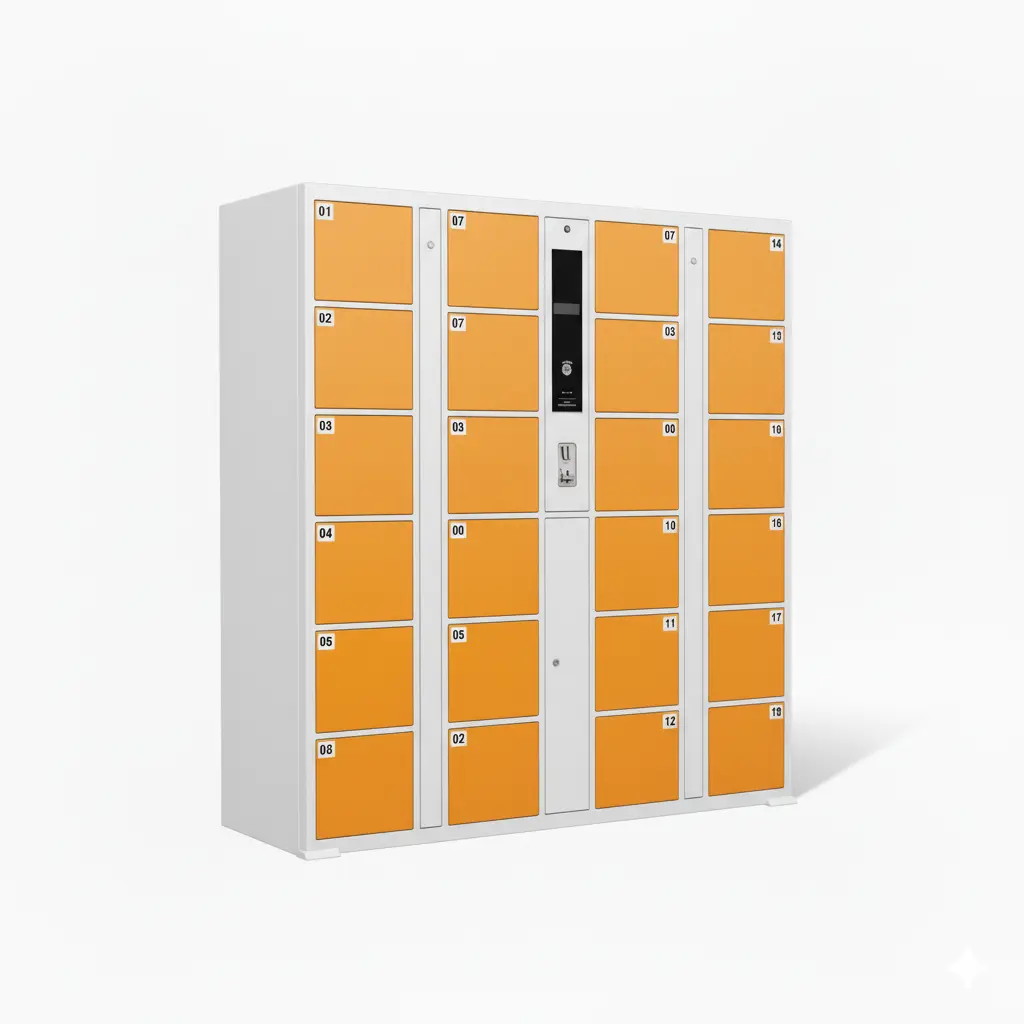
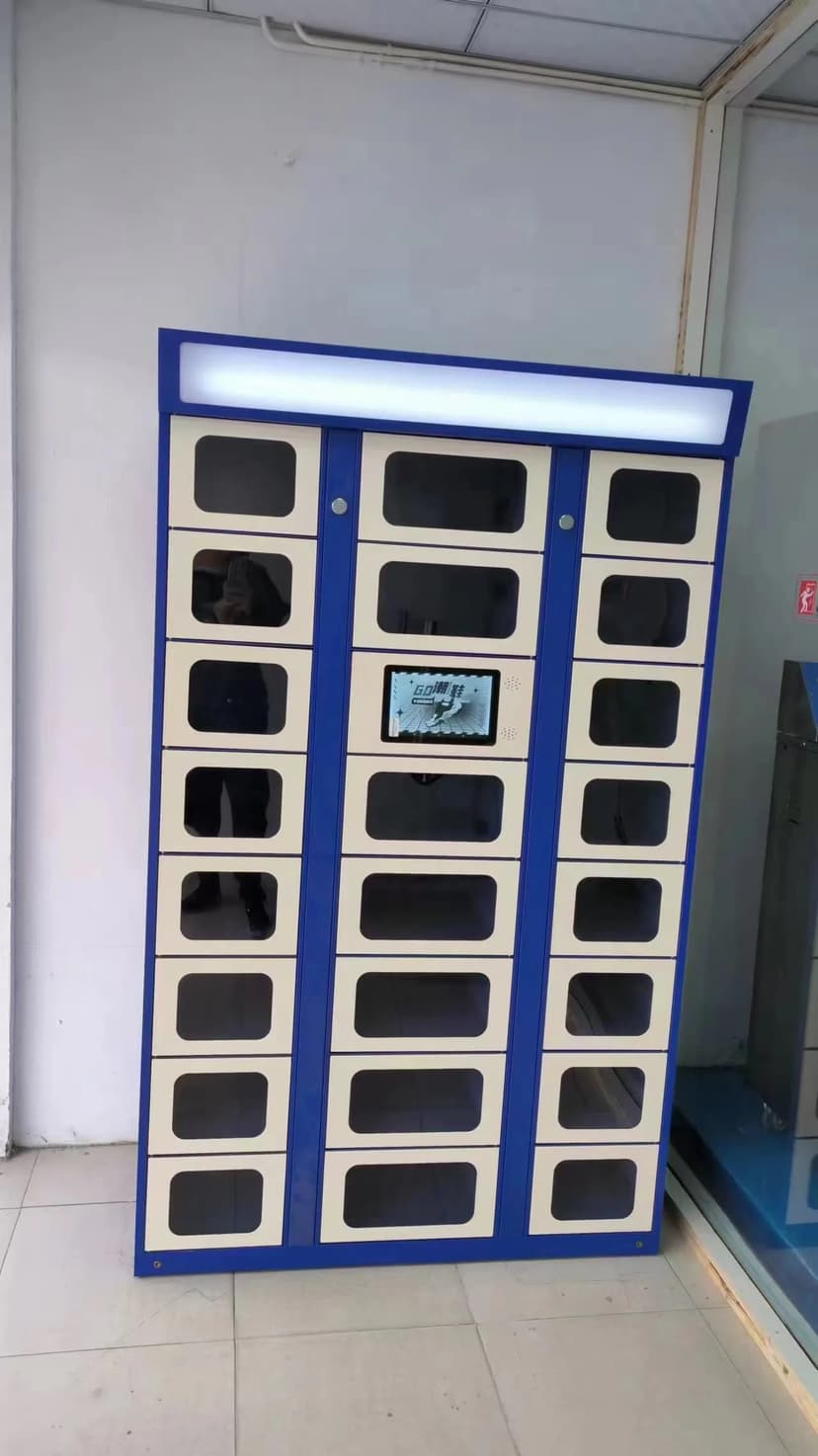
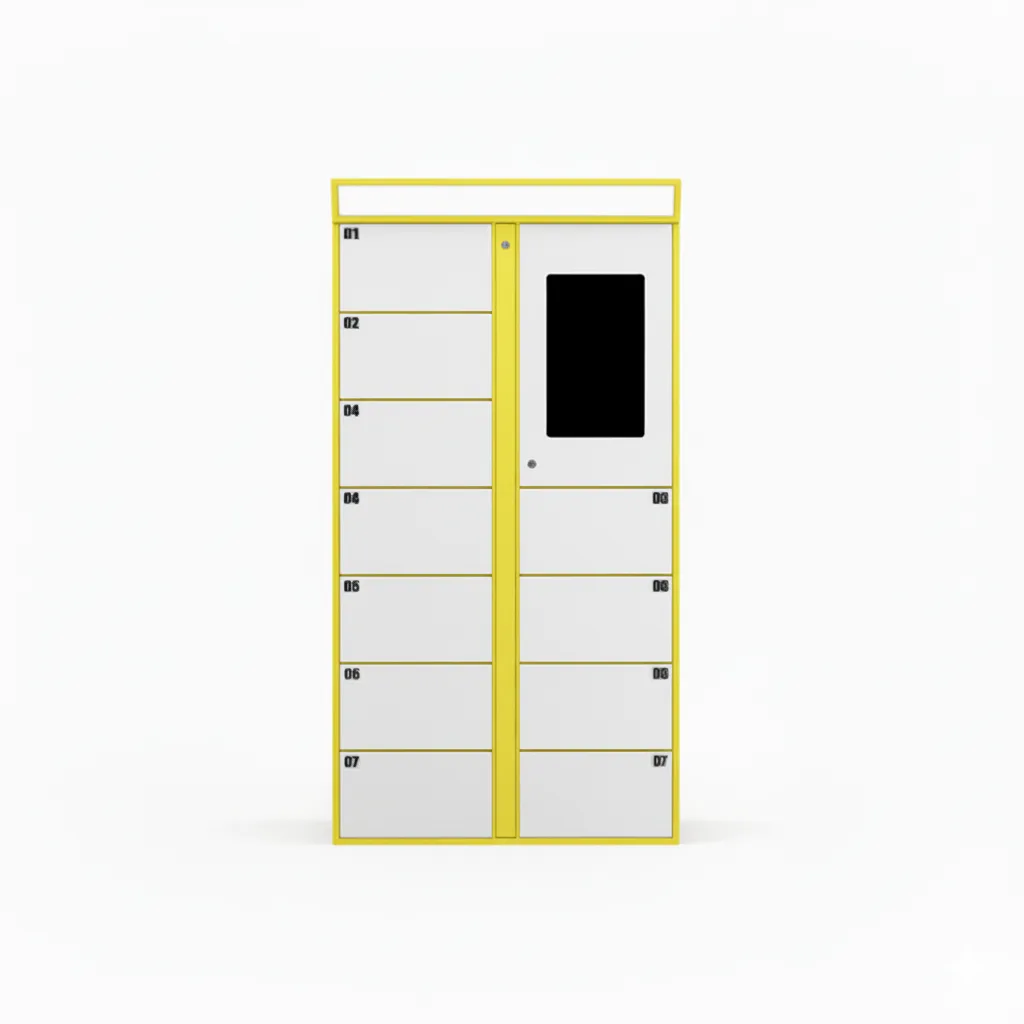
The hardware layer can include a master control cabinet, expansion cabinets, mixed compartment sizes, hanging compartments when dry cleaning requires them, touchscreen, QR/barcode scanner, electronic locks, Wi-Fi, LAN, or 4G connectivity. The software layer can include touchscreen UI, user app or white-label app, QR/PIN pickup, SMS/email notification, order status, staff permissions, remote opening, and cloud dashboard. The integration layer can connect payment gateways, POS devices, ERP/CRM tools, customer apps, or local service platforms when APIs are available.
Linqu's smart laundry locker system for apartments is a practical starting point for residential deployments. For operators who need payment inside the laundry workflow, the commercial smart laundry locker with integrated payment system provides a closer product reference. Outdoor or semi-public deployments can use the community outdoor laundry locker model as a site-planning reference.
Who should use this solution?
This solution fits buyers who need a repeated handoff point across many locations. A dry cleaner may want to serve apartment residents without opening a staffed branch. A wash-dry-fold operator may want to collect orders from office buildings and return them after processing. A hotel group may want a branded guest laundry point without adding front desk workload. A campus service provider may want a controlled pickup and return system for students.
The strongest fit is not a single low-volume cabinet in a corner. The strongest fit is a network where each location creates convenient customer access and the operator centralizes processing behind the scenes.
Typical buyers include:
Laundry and dry cleaning operators expanding beyond storefronts.
Property managers adding resident amenities in apartment and multifamily buildings.
Office building managers offering employee services without front desk handover.
Hotels and serviced apartments providing guest laundry pickup and return.
Campus, dormitory, and student housing operators with high-frequency laundry demand.
Regional service brands building a white-label locker network with local payment.
This solution can also connect with broader after-hours service handoff. If the buyer serves multiple service categories, Linqu's after-hours self-service pickup locker may support repair shops, bakeries, pharmacies, or retail order pickup alongside laundry operations.
Network workflow: customer, staff and operator roles
A laundry locker network works only when roles are clear. The customer wants convenient drop-off and pickup. Staff need a repeatable collection and return process. The operator needs real-time visibility across all sites.
The recommended workflow is:
Customer creates an order through app, web page, touchscreen, or staff-assisted flow.
Customer selects laundry, dry cleaning, shoe care, ironing, or another configured service type.
Customer opens a compartment by QR code, PIN, app credential, or touchscreen instruction.
Staff collect orders from the locker, scan or confirm the order, and move items to the processing center.
Staff update order status after washing, drying, dry cleaning, inspection, or packing.
Staff return finished items to an assigned compartment and trigger customer notification.
Customer pays if required, receives the pickup credential, opens the door, and collects the finished order.
The system should record deposit time, staff collection time, service status, return loading time, pickup time, payment status, exception events, and administrator overrides. These records are valuable because disputes in laundry services often involve timing, missing items, wrong compartments, payment status, or delayed pickup. A locker network does not eliminate every exception, but it gives the operator a traceable process.
For more detail on unattended workflow design, see Linqu's smart laundry locker software system guide.
White-label app, backend and payment architecture
For a network project, software architecture is often the buying decision. Hardware can be customized, but the network becomes valuable when the operator can control orders, users, payments, and site performance from one backend.
A white-label laundry locker system can include branded app screens, local language text, service menu, user account, order history, payment flow, pickup instructions, support contact, and status notification. The backend can include device list, compartment status, staff accounts, order records, route status, payment records, revenue statistics, usage reports, and data export.
Payment integration should be scoped according to real business rules. Some laundry services charge before deposit; some charge after staff inspection; some charge by bag, piece, weight, service type, or subscription. A local gateway such as a card processor, wallet provider, bank gateway, or POS device may need API documentation, merchant credentials, sandbox tests, callback handling, and settlement rules. Buyers should not treat "payment integration" as one line in a quotation. It is a workflow decision.
| Architecture layer | Typical requirement | Buyer decision |
|---|---|---|
| User access | App, QR code, PIN code, SMS, email, touchscreen, or RFID | Should pickup work without app download? |
| Order backend | Order status, staff roles, site view, audit logs, reports | Who manages each location and route? |
| Payment | Gateway API, POS terminal, payment callback, refund rule | When is the final laundry price confirmed? |
| Integration | Customer app, CRM, ERP, local service platform, webhook | Which system owns the order number? |
| Branding | Logo, cabinet color, app name, UI language, notification text | Is this a white-label network or a Linqu-branded device? |
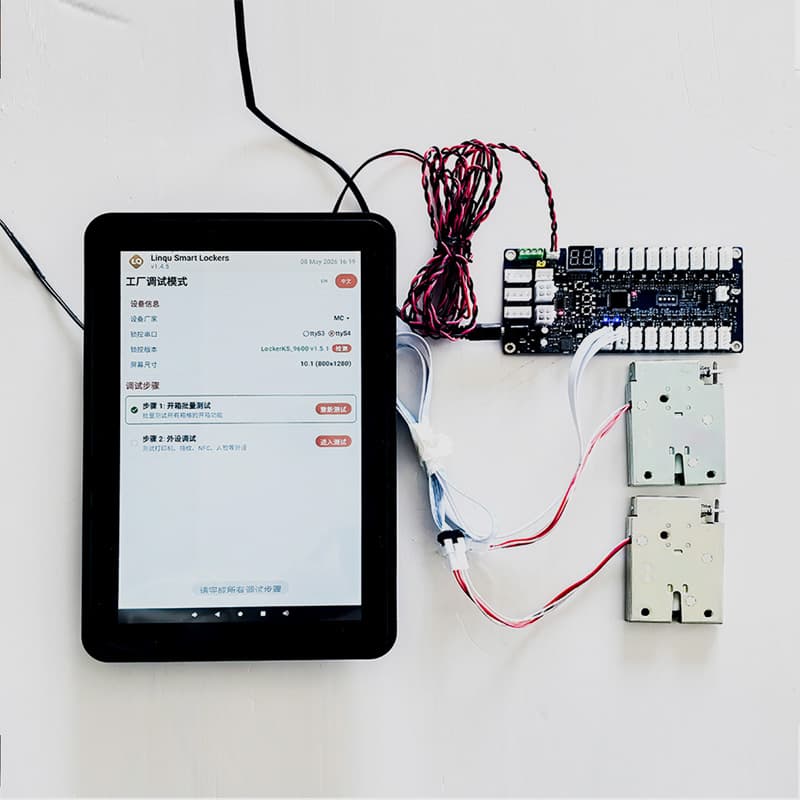
Linqu can discuss REST API, payment callbacks, cloud backend configuration, UI language, and custom workflow requirements. For OEM or system-integration projects, components such as Android touchscreen terminals and lock control boards can also support deeper customization.

Cabinet configuration and site design
Cabinet configuration should be based on service type and site behavior. A residential building may need many medium compartments for bagged laundry. A dry cleaner may need hanging compartments for pressed garments. A campus may need high-frequency access and app-based ordering. A hotel may need a more premium front appearance and multilingual instructions.
Buyers should define:
Pilot quantity: one unit for workflow proof, or two units for route testing across different locations.
Expansion plan: number of sites expected after pilot, for example 12 to 15 locations.
Compartment mix: small, medium, large, hanging, shoe-care, or special-size compartments.
Access hardware: 7-inch, 10-inch, or 21.5-inch touchscreen; scanner; printer; POS space; NFC or RFID if required.
Network: Wi-Fi, LAN, 4G SIM, or private network depending on site constraints.
Environment: indoor, semi-outdoor, outdoor, humidity, rain exposure, dust, and public traffic.
Cabinet branding: color, logo, printed panels, screen UI, and language.
Capacity planning should use peak waiting volume rather than daily order count alone. If a site handles 60 orders per day but most customers collect within a short window, the capacity need is different from a site where laundry remains overnight. For a pilot, track occupancy rate, average dwell time, timeout rate, staff collection time, order support issues, and payment completion rate.
UV-C, hygiene and garment-care boundaries
Some buyers request UV-C per compartment as part of a hygiene and customer-confidence package. Linqu can discuss optional UV-C design, but it should be engineered carefully and described accurately. UV-C is not a replacement for laundry processing, cleaning procedures, ventilation, garment inspection, or local compliance. It should be specified with safety interlocks, door status logic, timed activation, service access, maintenance expectations, and clear claim boundaries.
For a smart laundry locker network, the stronger hygiene strategy is a combination of controlled compartment use, staff procedures, clean return packaging, status tracking, and optional hardware modules where appropriate. Buyers should decide whether UV-C is needed in every compartment, only return compartments, only selected premium sites, or not at all.
This is also where local market positioning matters. In some markets, hygiene features improve trust. In others, price, convenience, payment method, and installation support matter more. The buyer should align UV-C and cabinet materials with real customer expectations rather than adding features that increase cost without improving adoption.
Deployment plan: pilot first, then multi-site rollout
A turnkey network should be deployed in stages. Linqu supports pilot projects from 1 unit, but a serious network pilot should test the same workflow intended for the full rollout. If the buyer plans 12 to 15 locations, the pilot should not use temporary software that will be replaced later.
A practical rollout plan:
| Stage | Goal | Key outputs |
|---|---|---|
| 1. Discovery | Confirm buyer model, service type, payment rules, and pilot sites | Workflow map, cabinet sizing, integration scope |
| 2. Pilot build | Produce one or two units with correct access, language, branding, and backend | Pilot cabinet, software configuration, test checklist |
| 3. Installation | Prepare power, network, floor space, loading path, and local installer role | Site checklist, commissioning plan, training notes |
| 4. Pilot operation | Run real orders and measure adoption, dwell time, exceptions, and payment success | Usage report, workflow fixes, cabinet mix adjustment |
| 5. Expansion | Standardize rollout to additional apartment, office, hotel, or campus sites | Deployment playbook, spare parts, support contacts |
For imported projects, DDP can simplify delivery discussion, but buyers should still define local responsibilities. DDP may not automatically include unloading, indoor movement, electrical work, network setup, wall fixing, permits, installer labor, or on-site user training. These details should be written into the project scope. The smart locker installation guide is a useful checklist for power, network, and space preparation before shipment.
Operating metrics after launch
The first month after launch should measure more than revenue. A locker network creates operational data that helps the operator choose better locations and cabinet layouts.
Track these metrics:
Orders per site per day.
Peak occupied compartments.
Average time from customer deposit to staff collection.
Average time from return loading to customer pickup.
Payment completion rate and failed payment reasons.
Timeout orders and customer reminder response.
Staff route time per site.
Support tickets per 100 orders.
Compartment size shortage by site.
Repeat customer rate where app or account data is available.
These metrics help the buyer decide whether to add more compartments, change staff routes, adjust pickup reminders, add outdoor units, change payment timing, or modify the service menu. For a network, the goal is not only to install lockers. The goal is to create a reliable service rhythm that customers trust and staff can repeat.
Procurement checklist
Before requesting a final turnkey quotation, prepare:
Target country and city, including local payment preference.
Buyer type: laundry operator, dry cleaner, property manager, hotel group, campus operator, or franchise.
Pilot quantity and expected expansion quantity.
Site photos, dimensions, indoor/outdoor placement, power, and network details.
Required access methods: app, QR, PIN, SMS, email, RFID, barcode, or POS.
Service model: laundry, dry cleaning, wash-dry-fold, shoe care, ironing, or mixed services.
Pricing model: per item, per bag, per weight, membership, or pay-after-inspection.
Required integrations: payment gateway, POS, app, CRM, ERP, or custom API.
Branding needs: cabinet color, logo, screen UI, app name, languages.
Optional features: UV-C, printer, camera, 4G router, weather-resistant cabinet, hanging compartments.
Delivery and installation scope: EXW, FOB, CIF, DDP, local installer, remote commissioning, and training.
Key takeaways
A smart laundry locker network is an operating system, not only a cabinet purchase.
The highest-value projects combine hardware, white-label app, payment integration, backend reporting, and deployment planning.
Pilot units should test the same workflow, branding, payment method, and backend intended for full expansion.
Payment API scope depends on pricing model, local gateway documentation, payment timing, and refund rules.
UV-C can be considered as an optional hygiene-support module, but safety and claim boundaries must be defined.
Installation planning must separate shipping terms from local work such as unloading, power, network, fixing, and commissioning.
Linqu supports OEM/ODM customization, pilot orders from 1 unit, software integration discussion, and 24-hour quote response for B2B projects.
About Linqu
Linqu Smart Lockers, available at linqubox.com, is a smart locker manufacturer based in Zhengzhou, China. Founded in 2018, Linqu operates a 20,000 sqm factory in Luoyang, Henan, and designs parcel lockers, luggage lockers, food lockers, smart laundry lockers, shoe cleaning lockers, self-service pickup lockers, vending lockers, phone charging lockers, and OEM smart locker components. Linqu serves B2B customers worldwide with OEM/ODM customization, software integration, pilot support from 1 unit, and 24-hour quote turnaround.
To request a turnkey smart laundry locker network quotation, send Linqu your pilot quantity, expected expansion plan, site photos, compartment requirements, payment gateway documents, app or backend requirements, UV-C needs if any, delivery terms, and installation boundary. Linqu can provide cabinet layout recommendations, workflow suggestions, and a 24-hour quote for review.