Parcel Locker Solution for Property Management Companies
Property management companies face a growing operational crisis: e-commerce volumes have surged more than 60% in the past five years, yet most apartment communities still rely on front-desk staff, unsecured mail rooms, or scattered parcel pods that have no shared oversight. When you manage dozens of buildings across a city or region, the result is a patchwork of missed deliveries, resident complaints, liability exposure from stolen packages, and staff hours consumed by tasks that add zero value to your business.
LinQu Smart Lockers offer a purpose-built parcel locker solution for property management companies — a single cloud platform that connects every locker cabinet in every building you manage, giving you unified visibility, automated resident notifications, and carrier-agnostic drop-off from one dashboard.

The Problem: Why Traditional Package Management Fails Multifamily Properties
The core challenge is scale and fragmentation. A single-building landlord can manage deliveries with a clipboard. A property management company overseeing 20 or 200 buildings cannot. Common pain points include:
Staff overload: Front-desk employees spend 1–3 hours per day logging, storing, and notifying residents about packages — time that could be reallocated to leasing, maintenance coordination, or resident relations.
Package theft and liability: Packages left in lobbies or unsecured rooms create liability. A stolen package often means a resident dispute, a refund request, or a negative online review.
No portfolio-wide visibility: When lockers at different properties are managed by different systems — or no system at all — your operations team has no single source of truth. Audits, SLA tracking, and reporting become guesswork.
Carrier friction: Couriers from USPS, UPS, FedEx, Amazon, and regional carriers each follow different protocols. An inconsistent drop-off experience slows deliveries and increases failed-delivery re-attempts.
Resident dissatisfaction: In competitive rental markets, amenities matter. Residents who miss packages or wait in lines to retrieve parcels are more likely to choose a competing property at renewal time.
Choosing the right system is non-trivial. Industry research on best practices for selecting a parcel delivery locker provider for multifamily residential communities consistently points to cloud connectivity, carrier openness, and scalable management as the three pillars that separate durable solutions from stopgap fixes.
Multi-Building Cloud Management: One Dashboard for Your Entire Portfolio
LinQu's cloud management platform is the operational backbone of our property management solution. Instead of logging into separate systems for each building — or worse, relying on phone calls to on-site staff — your team gets a single web-based dashboard that aggregates data across every locker unit in your portfolio.
Key capabilities include:
Real-time occupancy monitoring: See which compartments are occupied, for how long, and at which property — at a glance. Identify stale packages before they create locker congestion.
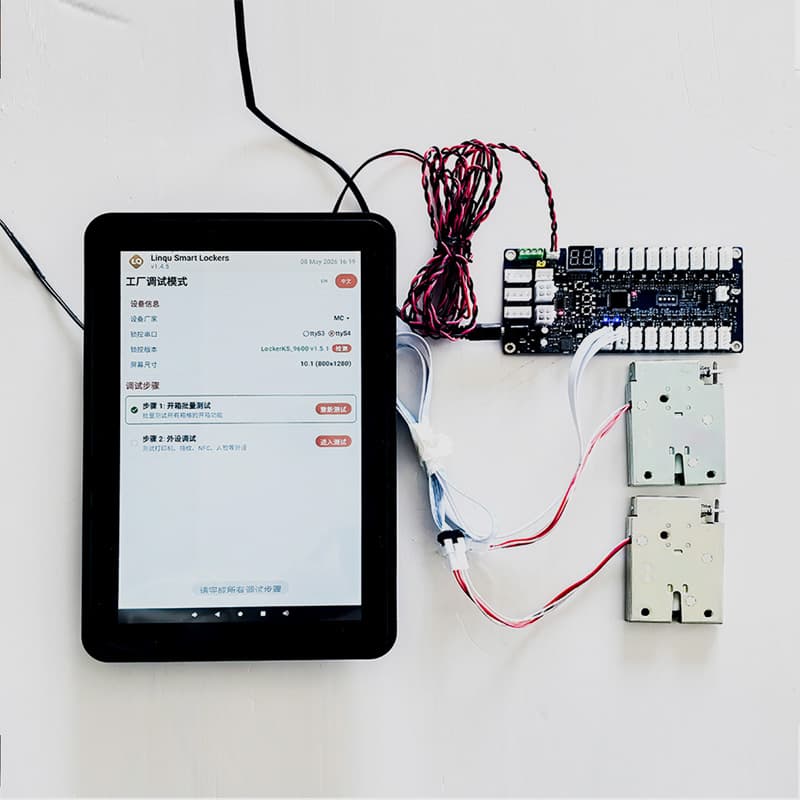
Remote administration: Open a stuck door, reset a PIN, or temporarily disable a unit without dispatching a technician. Most routine interventions take under 60 seconds from the dashboard.
Multi-property reporting: Generate utilization reports by building, by date range, or by locker size. Use the data to right-size future installations and justify capital expenditure to stakeholders.
Role-based access control: Grant building managers access to their own property data while your corporate operations team retains portfolio-wide visibility. Each role sees exactly what it needs.
Audit logs: Every delivery event, pickup event, and administrative action is timestamped and logged. If a resident disputes a delivery, you have an immutable record.
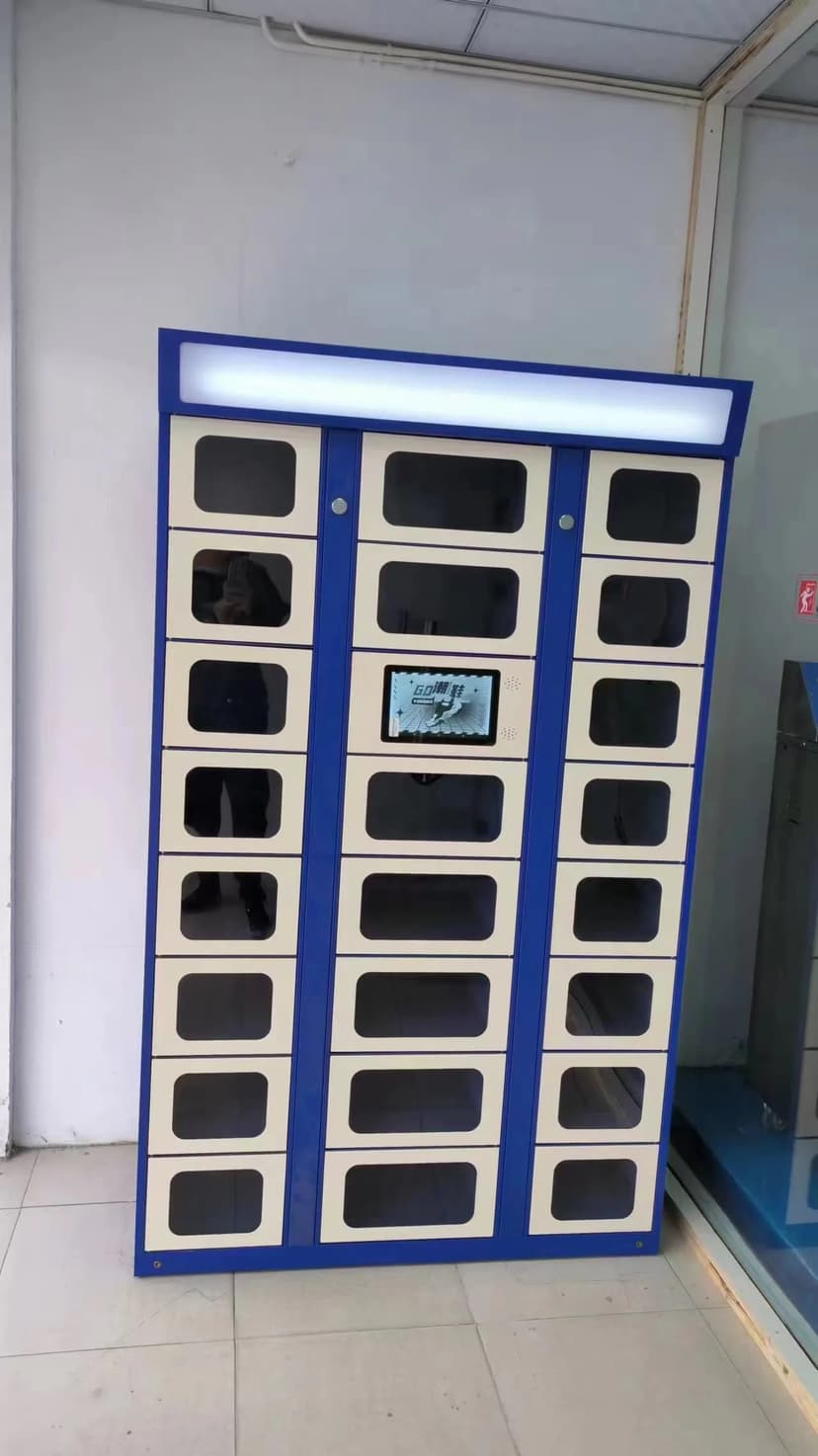
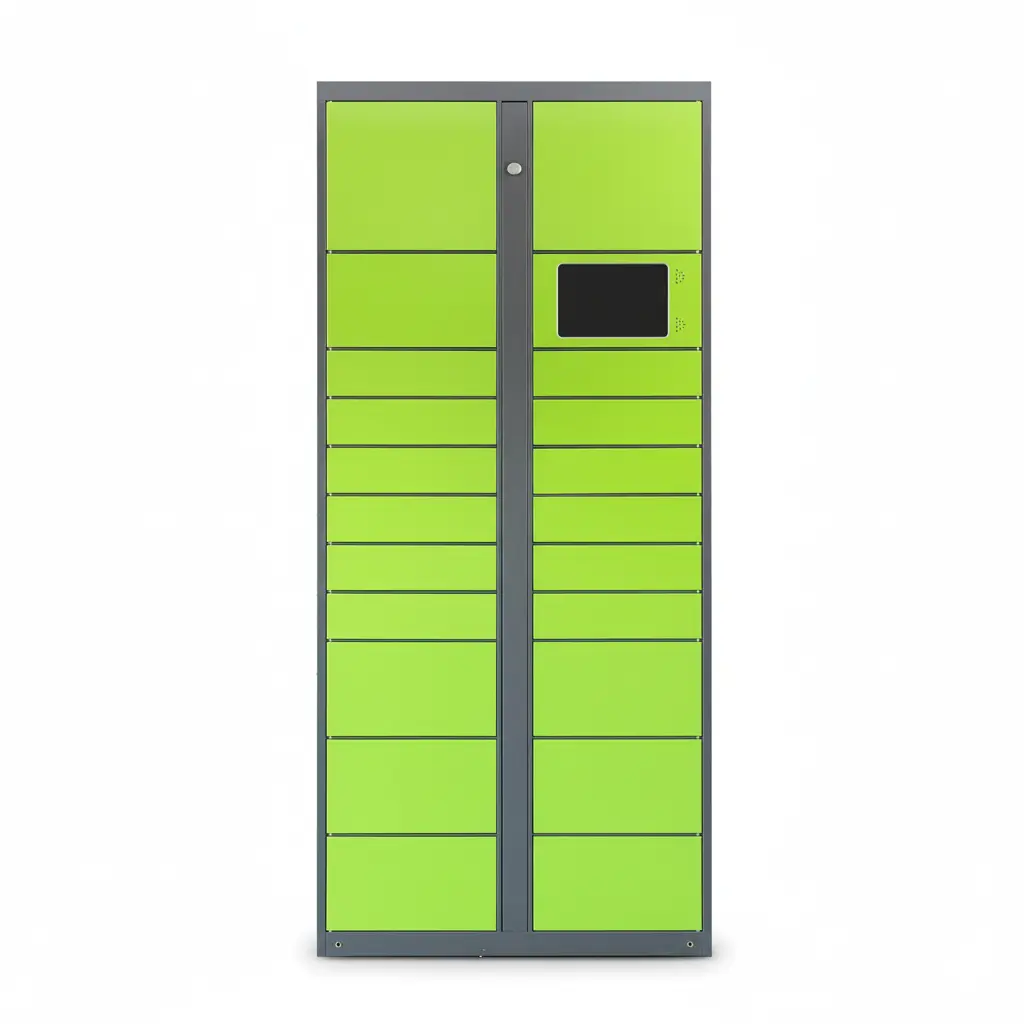
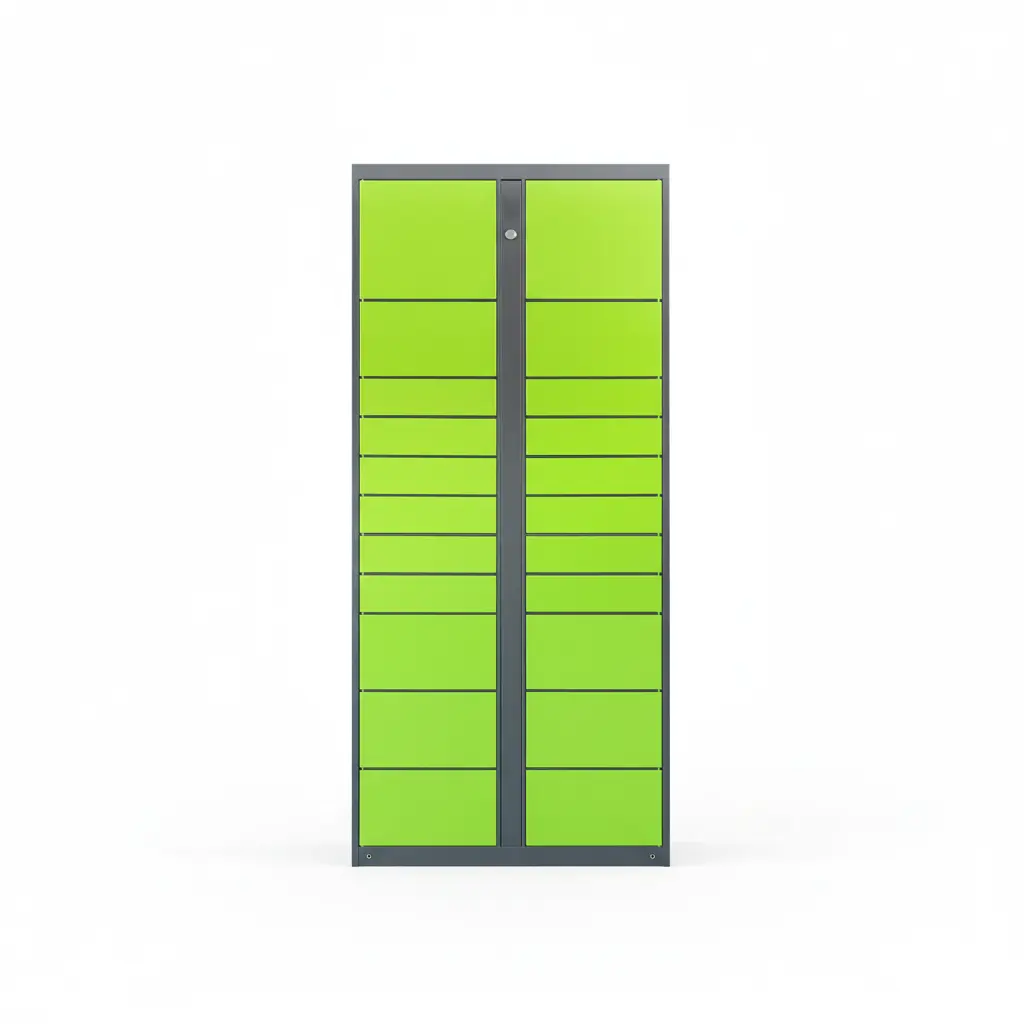
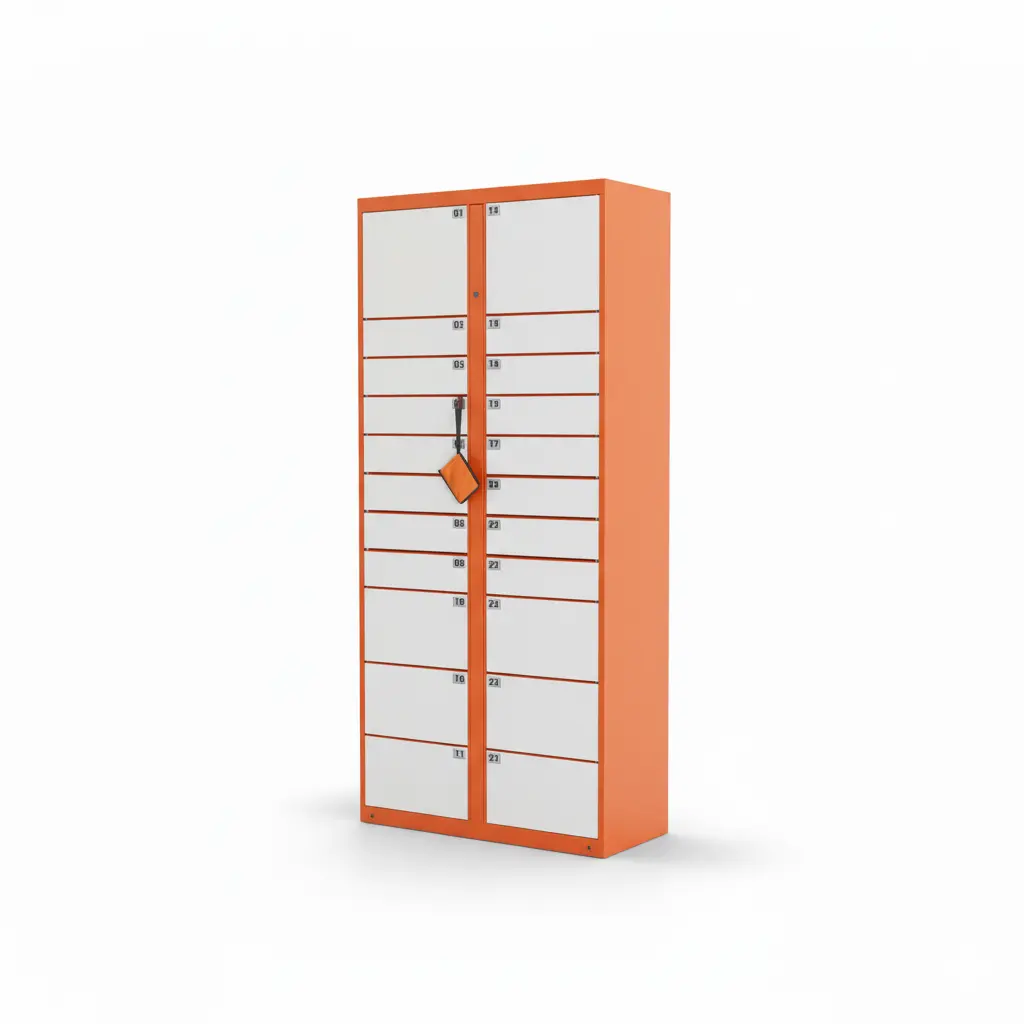
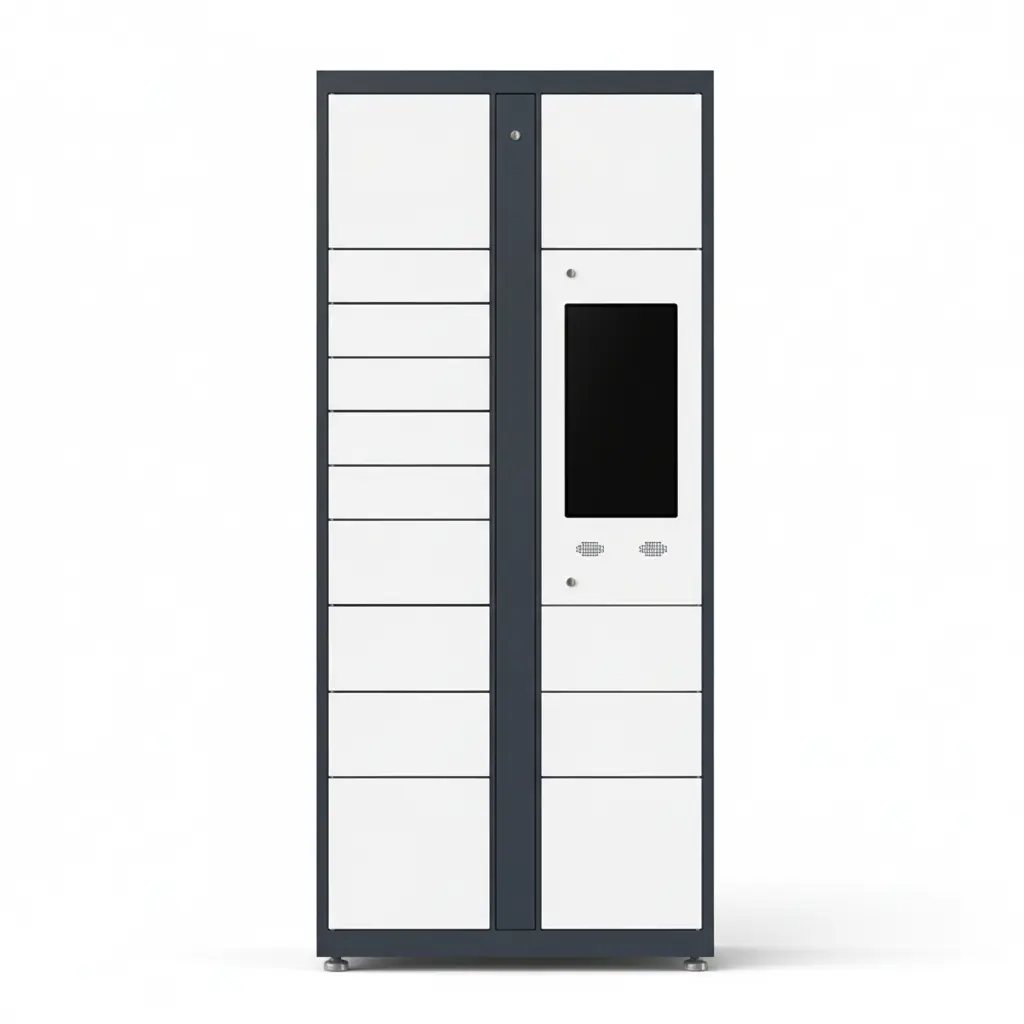
Our Apartment Parcel Locker with SMS Notification is the flagship hardware unit for residential portfolios, designed with modular compartment configurations that adapt to lobby footprints of any size.
Resident Notification and Self-Service: Zero Staff Involvement
The most immediate ROI for property managers comes from eliminating staff time spent on package management. LinQu's automated notification system handles the entire resident communication workflow without human intervention.
When a carrier deposits a parcel:
The locker door closes and the compartment locks automatically.
Within seconds, the resident receives an SMS and/or email containing a unique retrieval code.
The resident visits the locker at any time — day or night — enters the code, and collects their package.
The event is logged and the compartment is marked available.
If a package is not retrieved within a configurable window (typically 48–72 hours), the system sends an automated reminder. If it remains uncollected beyond your policy threshold, staff receive an alert to manage the exception. This exception-only model means your team is involved only when human judgment is genuinely required.
For residents, the experience mirrors the convenience they expect from modern retail — no waiting, no coordination with building staff, no anxiety about whether their package is safe. In resident satisfaction surveys, properties with smart locker systems consistently score higher on package management than those without.

Carrier Integration: Universal Drop-Off for Every Courier
A parcel locker system is only as useful as the range of carriers that can use it. LinQu lockers are engineered for carrier-agnostic operation — compatible with USPS, UPS, FedEx, Amazon Logistics, DHL, and regional last-mile carriers without requiring special courier apps or proprietary integrations on the carrier side.
How it works for couriers:
The carrier arrives at the locker terminal and selects the resident's unit number or scans a delivery barcode.
The system assigns an available compartment of the appropriate size and opens the door.
The courier deposits the parcel and closes the door. The resident notification triggers automatically.
This friction-free process means couriers can complete a drop-off in under 30 seconds, reducing time-on-property and incentivizing carriers to prefer your buildings over competitors with more cumbersome intake processes. Fewer failed-delivery attempts also reduce carrier re-delivery costs — a factor that increasingly influences which properties carriers prioritize on dense urban routes.
For oversized items that do not fit standard compartments, the system flags the delivery and routes it through your chosen exception workflow — whether that is a larger locker bank, a dedicated receiving room, or a staff-assisted drop-off.
ROI Analysis: The Business Case for Property Managers
The financial case for deploying resident parcel lockers across a multifamily portfolio is compelling when you quantify the inputs correctly.
Staff time savings: At a conservative estimate of 1.5 hours per day saved per building, a 20-building portfolio recovers 30 staff-hours daily. At $20/hour fully loaded, that is $600/day or roughly $219,000 per year — more than enough to amortize a significant hardware investment in year one.
Liability reduction: Average costs associated with a package theft incident — including resident compensation, staff investigation time, and reputational impact — typically exceed $150 per incident. Properties with smart lockers report near-zero theft incidents because packages are secured immediately upon delivery.
Resident retention: In markets where vacancy rates are tight, a single additional month of occupancy per unit per year — attributable in part to superior amenities — can be worth thousands of dollars in avoided turnover costs (marketing, vacancy loss, unit prep).
Premium justification: Properties with documented smart amenities, including parcel lockers, command rental premiums ranging from $30 to $75/month per unit in comparable market studies. Across a 200-unit property, even a $30 premium translates to $72,000 in additional annual revenue.
For teams evaluating how to choose a parcel locker system for an apartment complex, the calculation should include not just hardware cost but total cost of ownership: cloud subscription fees, maintenance contracts, carrier onboarding, and resident support. LinQu provides transparent pricing across all these dimensions so your underwriting model is accurate from day one.

Selecting the Right Hardware Configuration for Your Portfolio
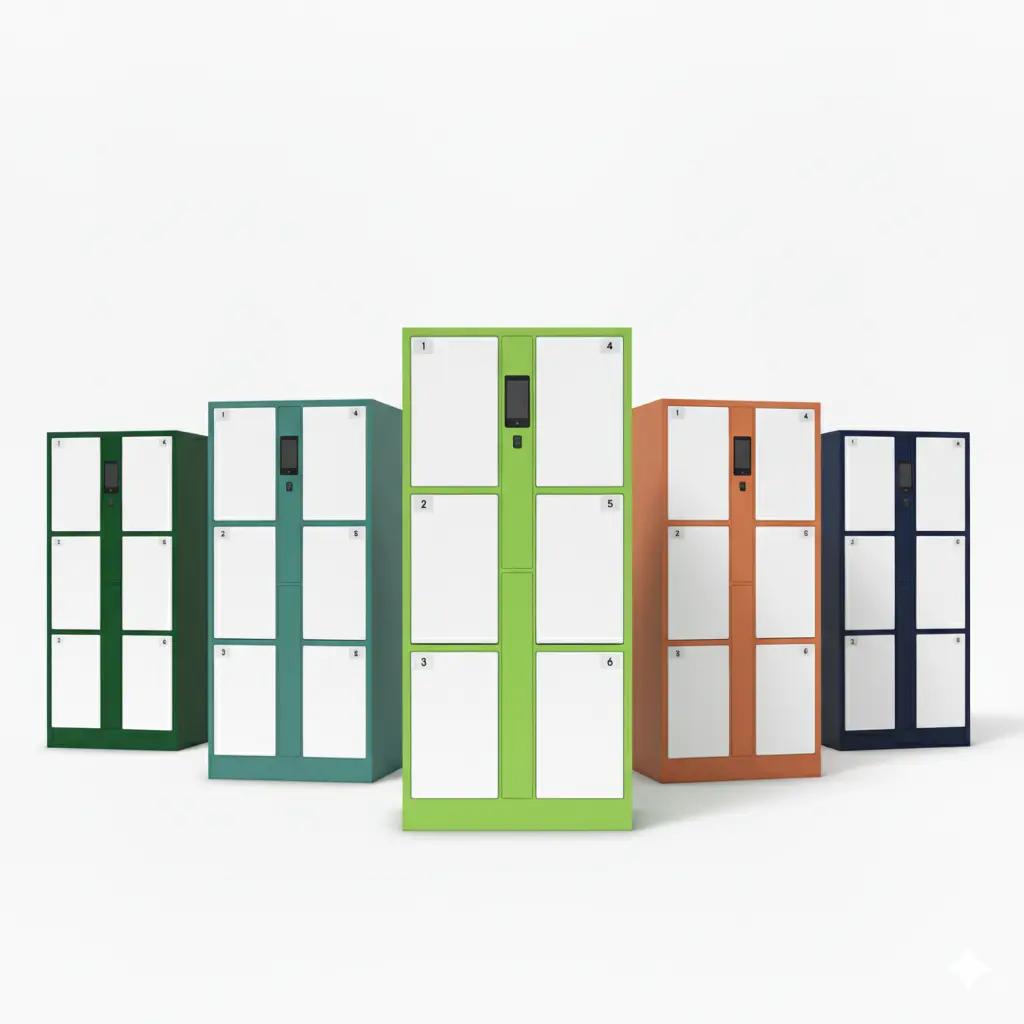
Not all buildings have the same delivery volume, lobby footprint, or resident demographics. LinQu offers modular hardware configurations that can be specified per-building and managed centrally.
For most parcel lockers for multifamily communities, we recommend starting with a base configuration of:
4–6 small compartments (books, small parcels)
4–6 medium compartments (standard e-commerce boxes)
2–4 large compartments (bulky shipments, grocery deliveries)
High-volume buildings — those with 150+ units or significant food/grocery delivery penetration — may require expanded banks. Our pre-sales team conducts a delivery volume analysis using your building data to recommend the optimal configuration before purchase.
For professional or mixed-use properties in your portfolio, our Office Parcel Locker with Cloud Management provides an elevated hardware finish and features suited to commercial tenant expectations, while sharing the same cloud backbone as our residential units.
Why LinQu: What Differentiates Our Property Management Solution
The smart locker market has matured rapidly, and property managers evaluating providers today have more options than ever. Here is what distinguishes LinQu from alternatives:
Portfolio-scale architecture from day one: Unlike solutions designed for single-property operators and later extended to multi-site, LinQu's platform was architected for portfolio management. Multi-site hierarchy, role-based access, and consolidated reporting are core features, not add-ons.
No carrier exclusivity: Some locker providers charge carriers for access or restrict which couriers can use the system. LinQu is fully carrier-neutral — you never have to turn away a delivery because of a network agreement.
Modular, field-expandable hardware: As your delivery volumes grow, you can add compartment columns to existing installations without replacing the entire unit. Your initial investment is protected.
Dedicated onboarding support: We assign a customer success manager to every property management company deployment. From carrier onboarding to resident communication templates, we handle the rollout so your team does not have to.
Proven in residential environments: LinQu lockers are deployed in apartment communities across multiple countries, handling millions of parcel transactions annually. Our uptime SLA and hardware reliability metrics are available on request.
To understand the full landscape of options and evaluation criteria, we also recommend reading our comprehensive guide: The Complete Guide to Parcel Lockers for Multifamily Communities.
Getting Started: Implementation Timeline and Next Steps
A typical property management company deployment follows this timeline:
Week 1–2: Site survey and delivery volume analysis for each building in scope. Hardware configuration finalized.
Week 3–4: Hardware manufactured and shipped. Cloud accounts provisioned. Carrier onboarding initiated.
Week 5–6: Installation at pilot building(s). Staff training. Resident communication sent.
Week 7–8: Go-live monitoring. Adjustments based on usage data. Rollout to remaining buildings begins.
Most property management companies are fully operational across their pilot properties within 45 days of contract signing. Portfolio-wide rollouts are typically sequenced over 3–6 months depending on building count and geographic distribution.
Contact LinQu (邻取) today to request a portfolio assessment and a customized ROI projection for your specific building inventory. Our team works with property management companies of all sizes — from regional operators managing 10 buildings to national platforms managing thousands of units — and we will tailor a solution that fits your scale, your budget, and your residents' expectations.