Across Sub-Saharan Africa, mobile phones are not luxury devices — they are the primary tool for banking (M-Pesa), communication, business, and access to government services. Yet hundreds of millions of people live in areas where electricity is unreliable, expensive, or entirely unavailable. Charging a phone can mean walking kilometers to a kiosk, paying per charge, or risking theft at an unattended public outlet.
This gap between mobile dependency and power scarcity creates a massive commercial opportunity — and a genuine social need — for a charging solution that does not depend on the grid.
The Problem: Mobile-First Economy, Power-Last Infrastructure
The numbers tell the story clearly:
Over 600 million mobile subscribers across Africa, growing at 4-5% annually. In countries like Nigeria, Kenya, and Ghana, mobile penetration exceeds 80%.
Over 40% of Sub-Saharan Africans lack reliable electricity. In rural areas, the figure rises to 70-80%. Even in urban centers, daily power outages lasting 4-8 hours are routine in Nigeria, Tanzania, and many other markets.
Phone charging is already a paid service. Informal charging kiosks charge $0.10-0.50 per session — a significant expense for low-income users, and a proven willingness-to-pay signal for operators.
The infrastructure gap means that any charging solution for Africa must work independently of the electrical grid — or at minimum, tolerate frequent and prolonged outages without going offline.

The Solution: Solar-Battery Charging Locker System
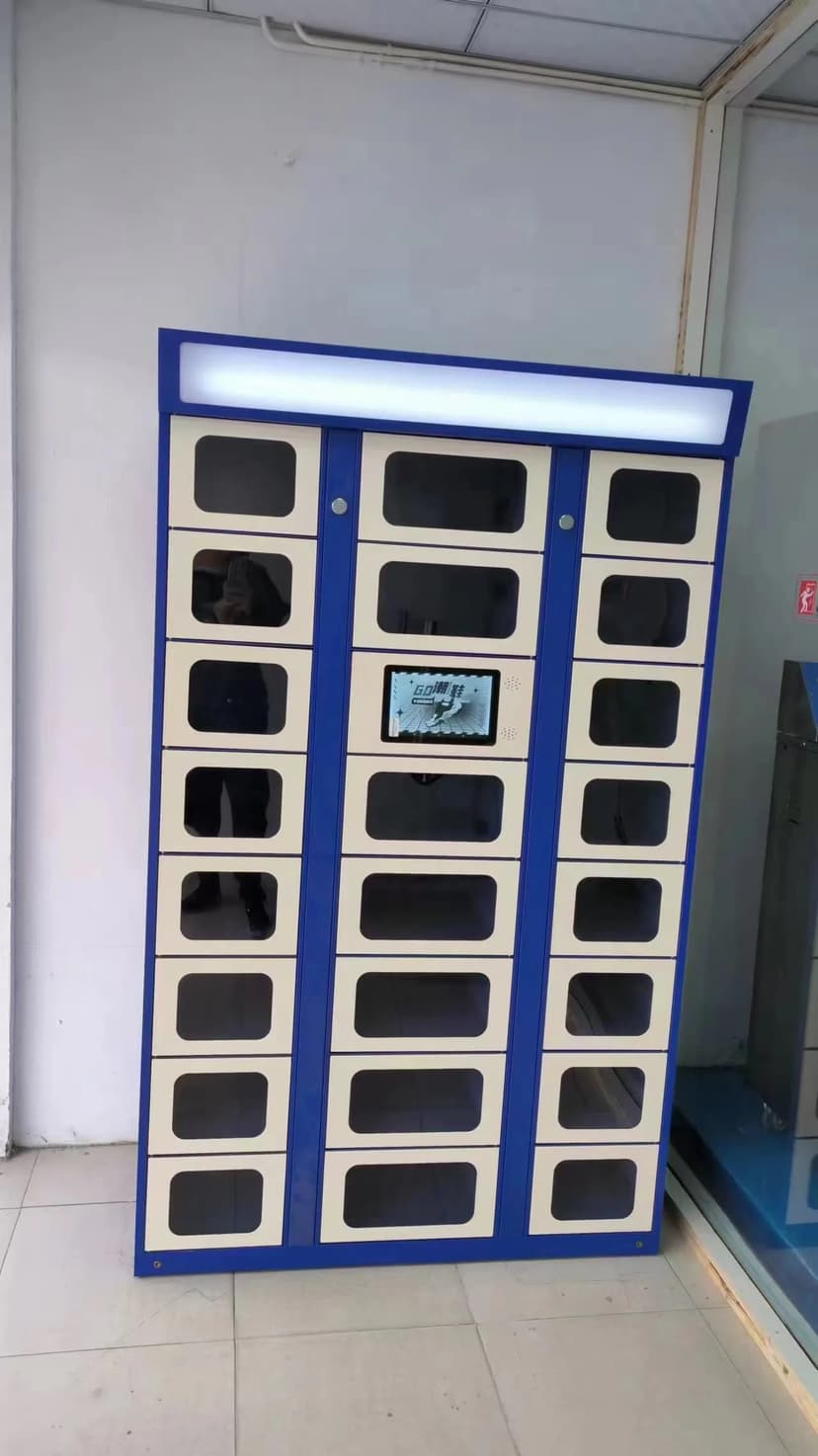
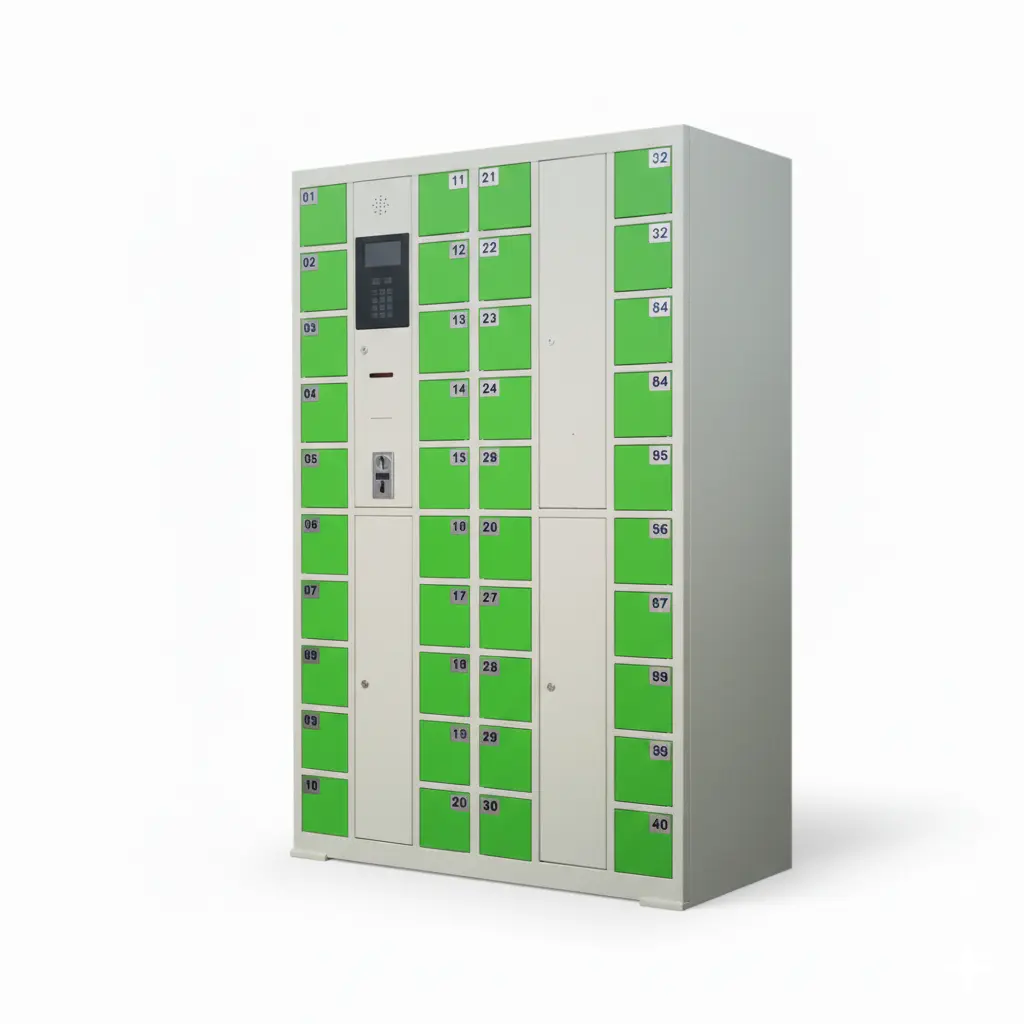
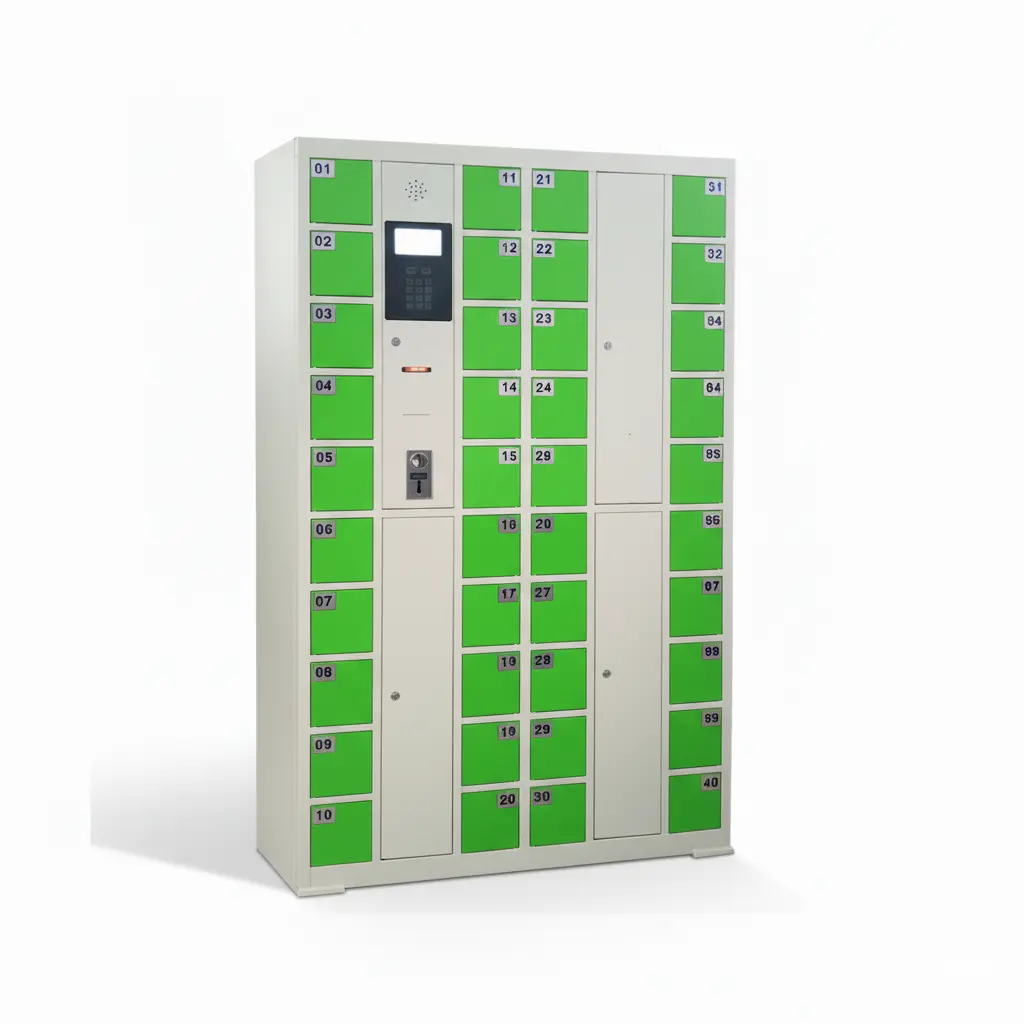
LinQu's solar-powered charging locker is a fully integrated system designed for off-grid and unstable-grid environments. It combines three core components:
1. Solar Panel Array
Roof-mounted or standalone solar panels capture energy during daylight hours. Panel capacity is sized to the locker configuration — a 20-compartment unit typically requires 200-400W of solar capacity, depending on local sunlight hours and charging demand.
2. Battery Storage System
A dedicated battery bank stores energy for nighttime and cloudy-day operation. The system is designed for 24-48 hours of autonomous operation without any sunlight — enough to ride through extended overcast periods or the harmattan dust season in West Africa.
3. Charge Controller and Power Management
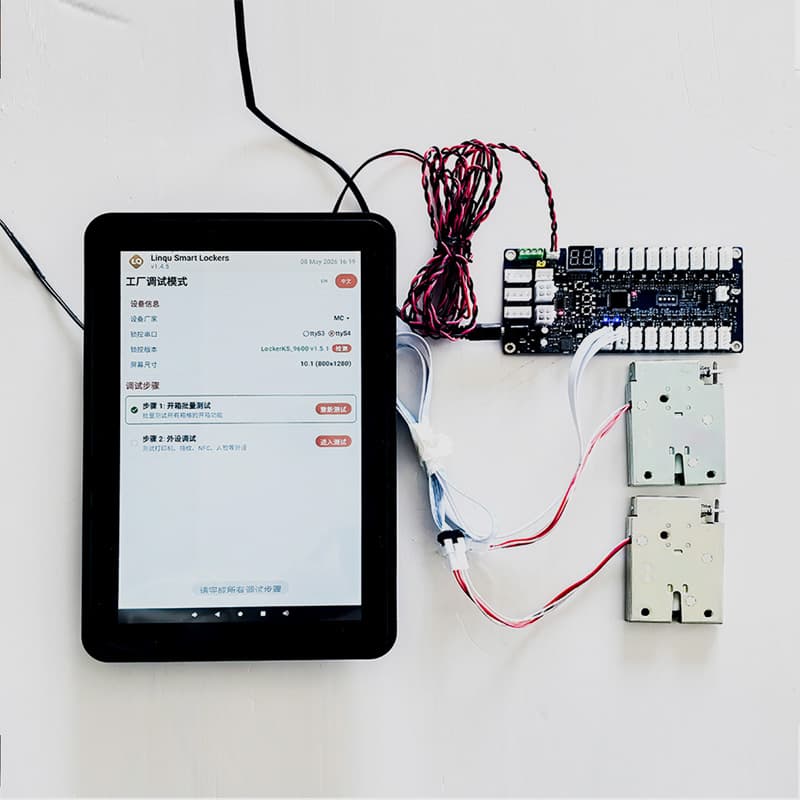
An intelligent charge controller manages the flow between solar panels, batteries, and the locker's charging circuits. It prevents battery over-discharge, optimizes charging efficiency, and can optionally integrate with grid power as a backup when available (hybrid mode).
The result is a charging station that runs indefinitely on solar power alone, with zero ongoing electricity costs. For locations with partial grid access, the hybrid mode uses solar as primary and grid as backup — cutting electricity bills by 60-80% while providing uninterrupted service during outages.
Hardware Built for African Conditions
Deploying hardware in tropical and semi-arid African environments requires specific engineering adaptations beyond what standard indoor lockers provide:
High-temperature tolerance: Internal components rated for continuous operation at 45-50°C ambient temperature. Ventilation channels prevent heat buildup inside compartments.
Dust and moisture protection: IP65-rated enclosure with sealed cable entries and filtered ventilation — essential for both humid coastal environments (Lagos, Dar es Salaam) and dusty Sahel conditions.
Anti-theft construction: Cold-rolled steel body (0.8-1.0mm thickness), anti-pry door frames, floor anchoring bolts, and industrial electronic locks with ≥150kg tensile strength. The locker itself is a secure asset in high-traffic public locations.
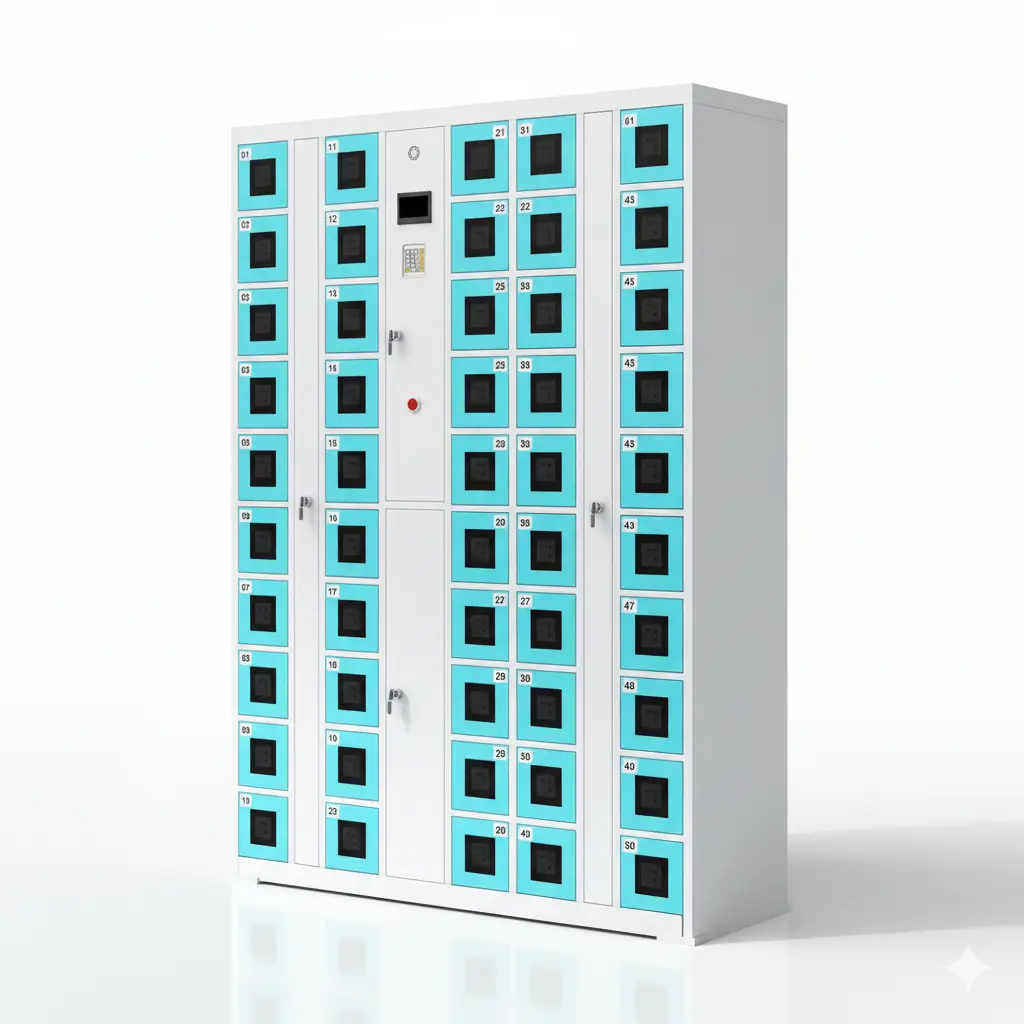
18W fast charging per compartment: Three-in-one cables (USB-C, Lightning, Micro-USB) in every slot. Most smartphones reach 50-80% charge within 30-45 minutes, keeping turnover high.

Payment Integration for African Markets
Cash and traditional card payments are not the norm in many African markets. The charging locker supports the payment methods that people actually use:
M-Pesa and mobile money: Direct integration with M-Pesa (Kenya, Tanzania), MTN Mobile Money (Ghana, Uganda, Cameroon), and Airtel Money. Users pay via their phone before or after charging — no cash handling required.
PIN code access (free or paid): For operator-subsidized deployments (shopping malls, corporate offices), users enter a PIN code distributed by the venue. No payment needed — the locker drives foot traffic instead.
QR code scan: Works with any mobile payment app. The locker screen displays a QR code, the user scans and pays, the compartment opens.
Nayax POS terminal (optional): For markets with card payment infrastructure, an integrated Nayax terminal accepts Visa, Mastercard, and contactless payments.
Business Model: How Operators Make Money
The solar charging locker is designed as an income-generating asset, not just a utility. Typical operator models in African markets include:
Pay-per-charge: $0.10-0.30 per session via mobile money. At 80% utilization, a 20-compartment unit generates $150-300/month in revenue with near-zero operating costs (solar power, no staff).
Advertising revenue: The touchscreen (7-inch, 10-inch, or 21.5-inch options) displays rotating ads during idle time. In high-traffic locations, this can generate additional $50-100/month.
Venue partnership: Shopping malls, transit hubs, and event venues install lockers at no cost — the charging service drives foot traffic and dwell time, while the operator earns from charges and ads.
With hardware costs typically recovering within 6-12 months and minimal ongoing expenses (no electricity bills, no staffing), the ROI profile is attractive for both individual entrepreneurs and fleet operators managing multiple locations.
Why LinQu for African Deployments
LinQu is not adapting an indoor product for outdoor use — our solar charging locker is engineered from the ground up for off-grid African markets:
In-house manufacturing: 20,000 sqm production facility with full control over steel fabrication, electronics assembly, and solar system integration. No third-party sourcing of critical components.
Proven payment integrations: M-Pesa, PayNow (Singapore), YedPay (Hong Kong), and Nayax are already live in production. Adding new mobile money providers takes 2-4 weeks.
Multi-language software: Touchscreen UI supports English, French, Swahili, Arabic, and any custom language. Operators can update language packs remotely.
Cloud management platform: Monitor every locker remotely — battery levels, solar generation, compartment status, revenue, and alerts. Works over 4G LTE for locations without WiFi.
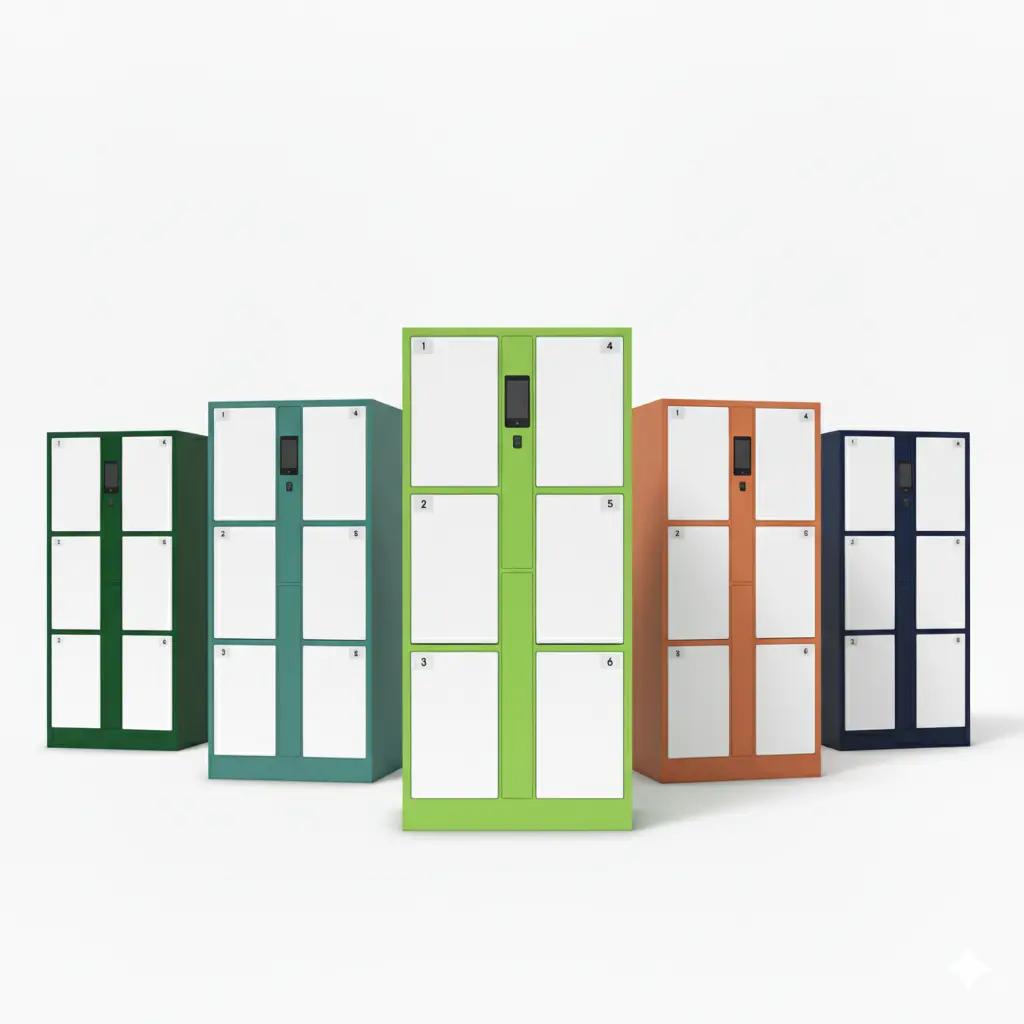
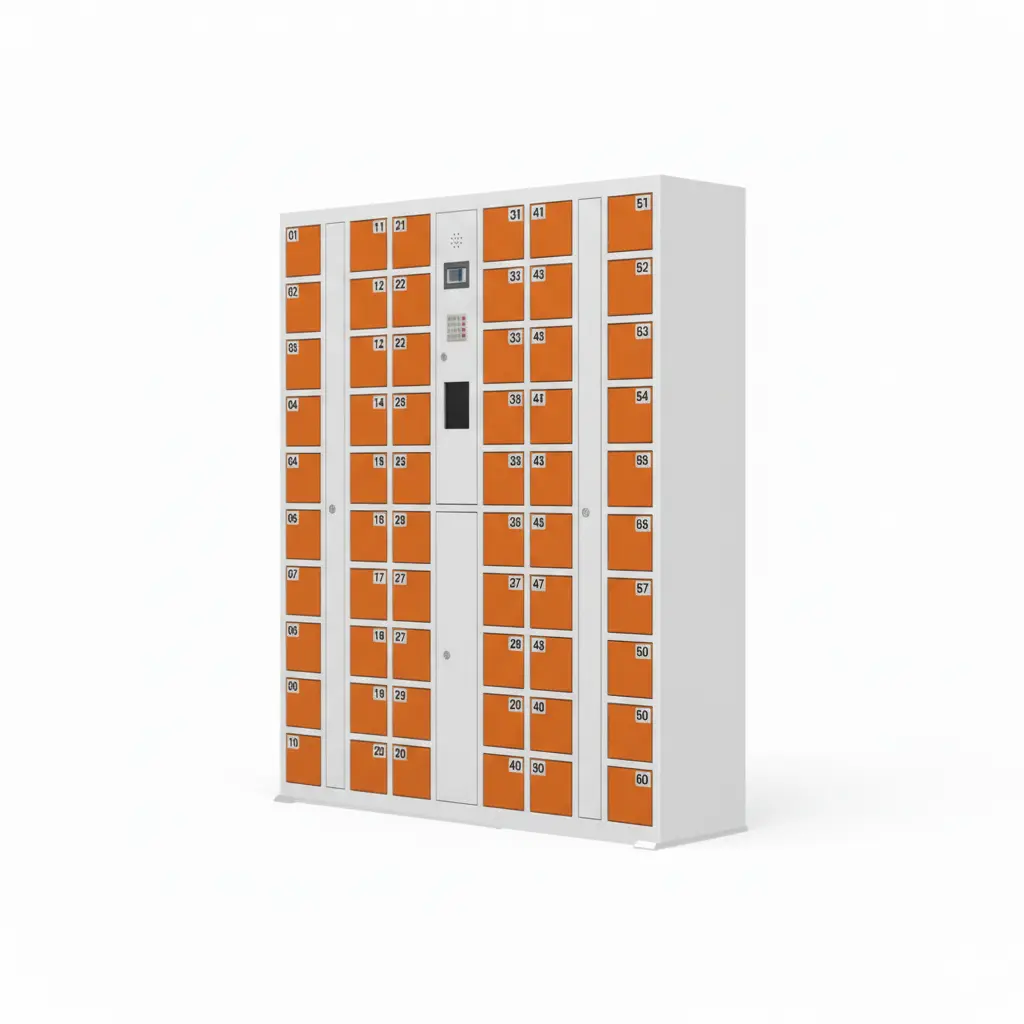
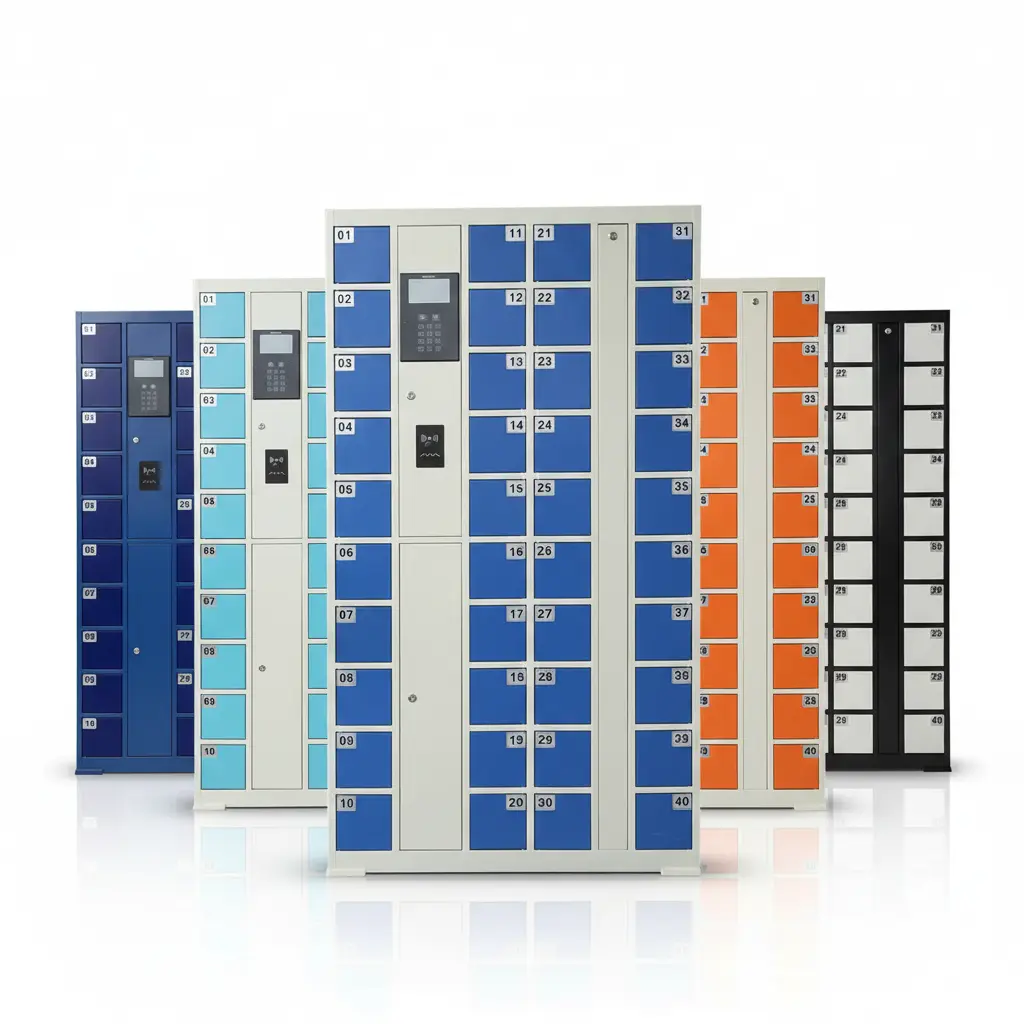
OEM and ODM: Custom branding, compartment counts (10-50), panel capacity, and software workflows. We build to your specification.
Explore our compact charging locker for smaller deployments, or our commercial charging locker with advertising display for high-traffic venues.
Ready to bring solar charging to your market? Contact our Africa team for pricing and a customized deployment plan.