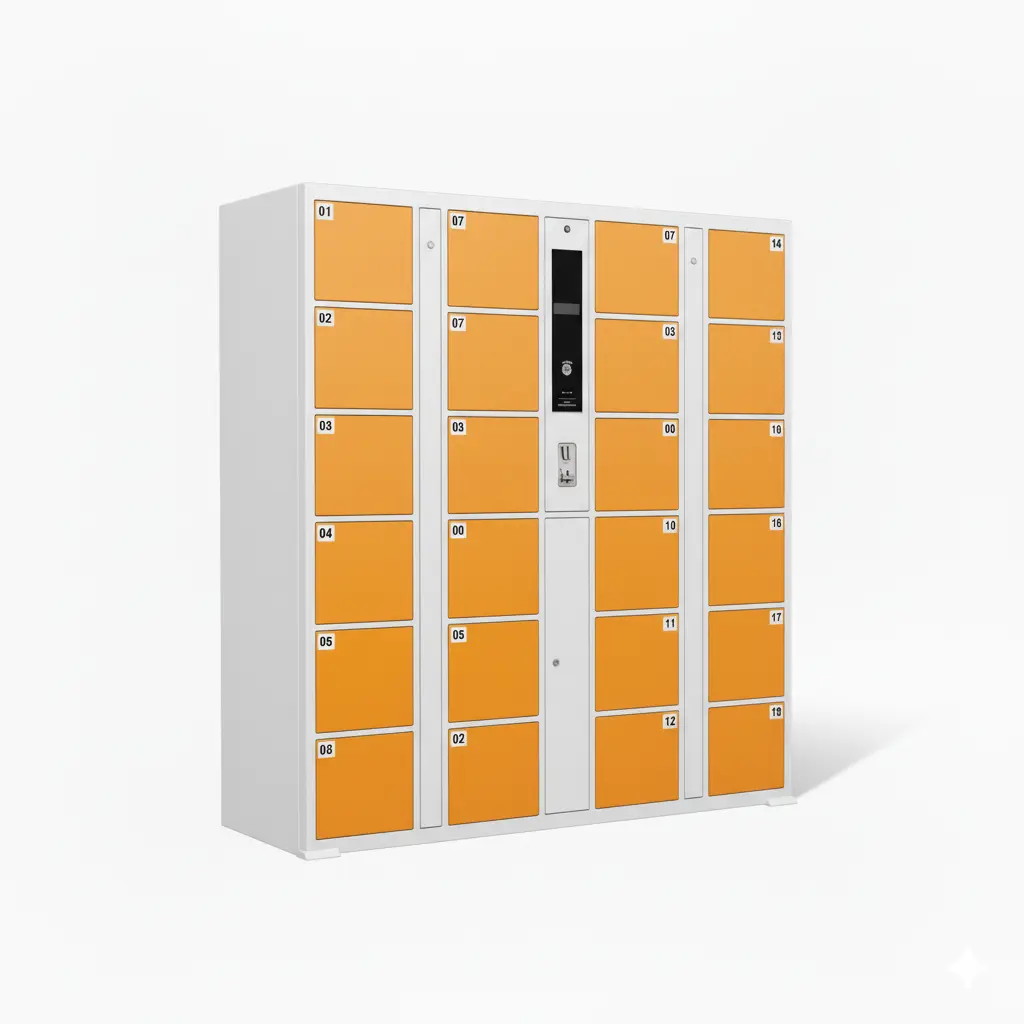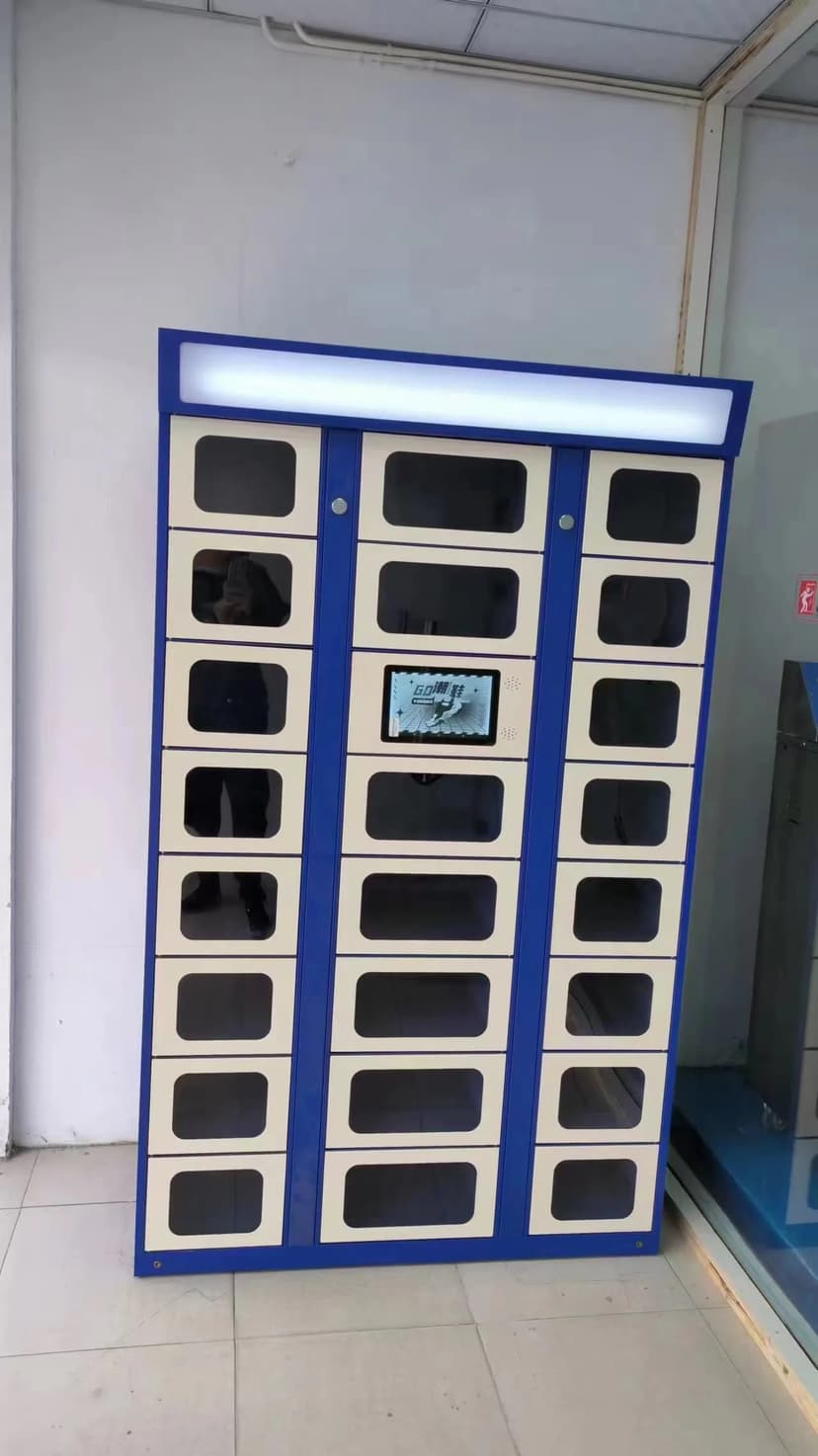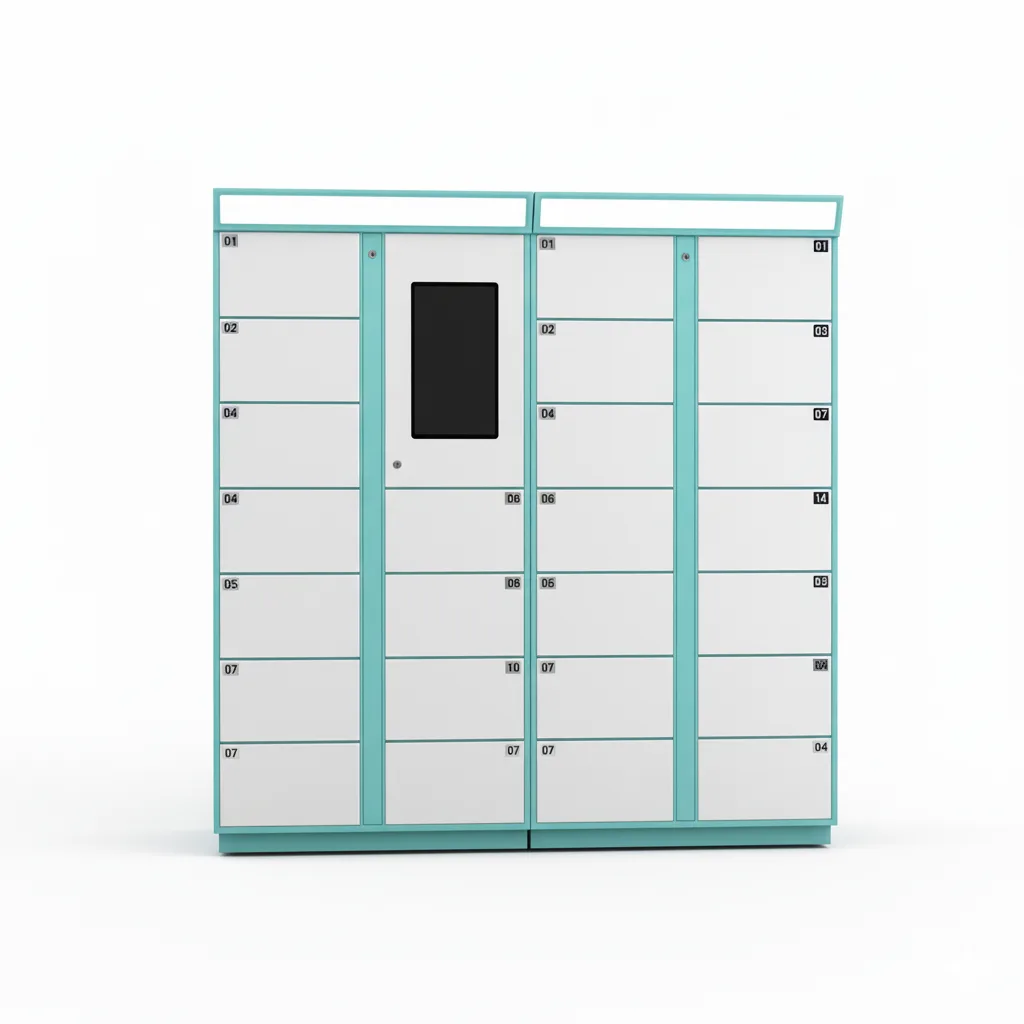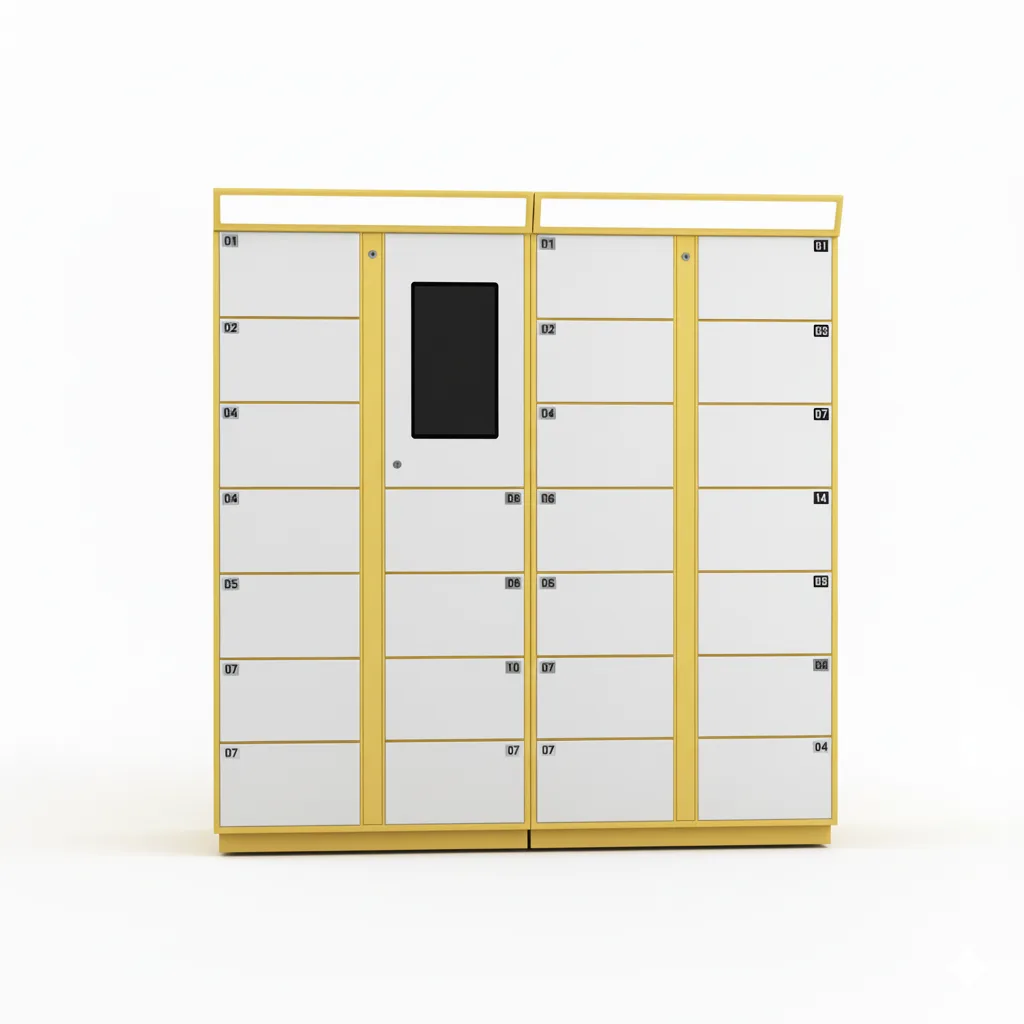
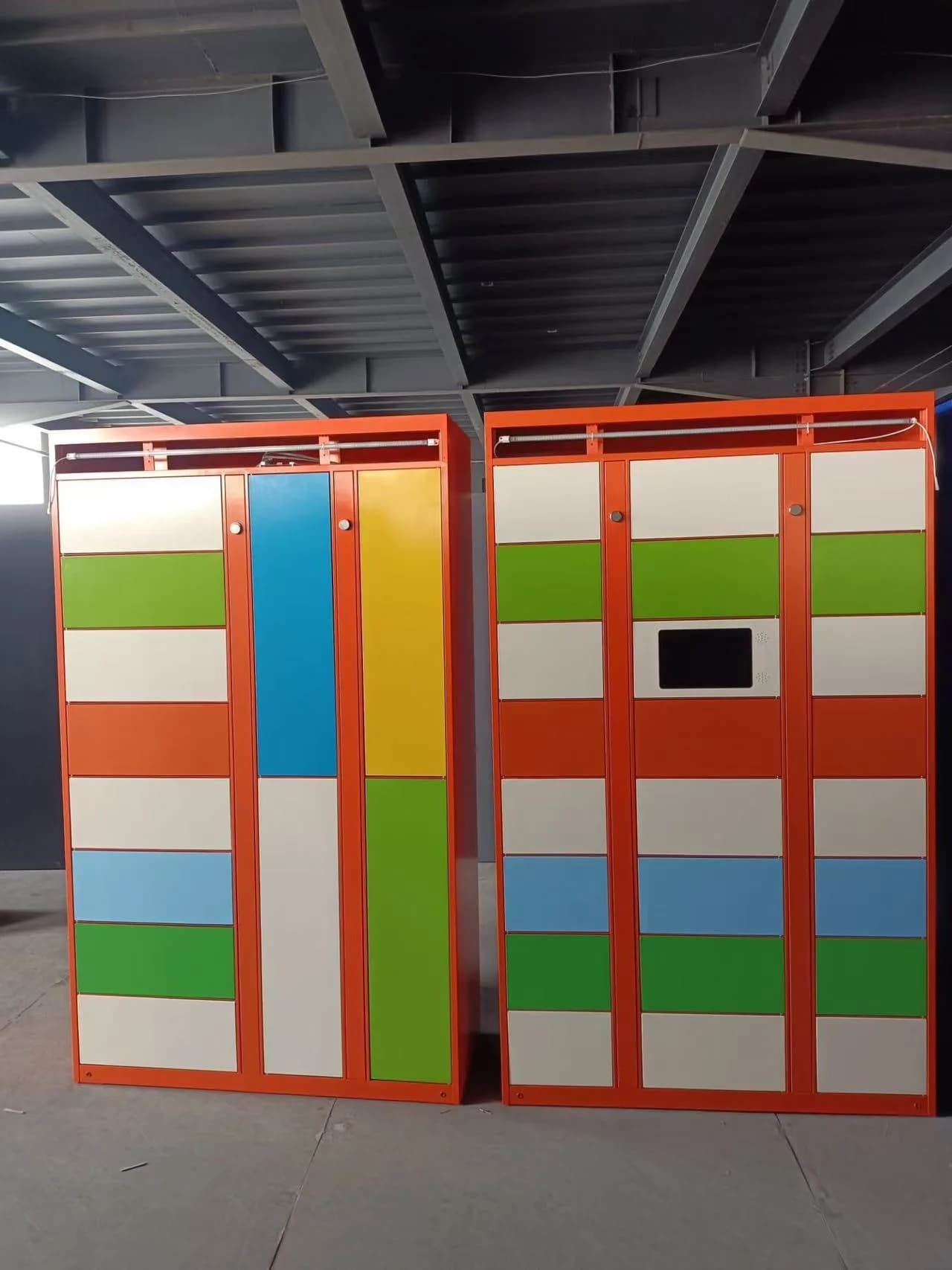
Linqu is a smart locker manufacturer based in Zhengzhou, China. This solution is designed for sneaker care brands, shoe cleaning stores, laundry operators adding shoe care, shopping mall service counters, campus service providers, and franchise teams that want to turn shoe cleaning into a 24/7 pickup and return service.
Solution Overview: A Self-Service Front Desk for Shoe Cleaning
Customers scan a QR code, choose shoe cleaning or shoe care service, select a compartment, and place shoes into a secure locker.
Staff collect orders by route, process cleaning, drying, deodorizing, whitening, repair intake, or premium sneaker care, then return the finished pair to a locker.
The system sends pickup codes and status notifications by SMS, email, app, or local channel integration.
The operator dashboard tracks order status, compartment status, access logs, pickup time, overdue storage, user records, and revenue data.
Linqu supports OEM/ODM cabinet layout, branding, multilingual interface, local payment, POS/API integration, and pilot MOQ from one unit.

Why Shoe Cleaning Needs a Locker-Based Service Model
Sneakers have moved from athletic equipment into daily fashion, collectible culture, resale, vintage styling, and premium lifestyle use. Recent sneaker trend coverage in 2026 points to more personal style, comfort-led designs, vintage looks, and secondhand or pre-owned activity. For service brands, that creates a practical problem: customers care more about the condition of their shoes, but they do not always want to visit a counter during store hours.
A shoe cleaning locker solves the handoff problem. The cabinet does not wash the shoes by itself. It creates a secure, trackable, contactless service channel between the customer and the operator. That distinction matters because professional cleaning still requires inspection, material judgment, drying control, packaging, and exception handling. The locker turns those skilled services into an always-open order intake and return point.
This page is different from a mall or hotel sneaker-care network plan. The focus here is the operating system behind a shoe cleaning business: how to collect pairs, bind each pair to an order, reduce missed handoffs, push customers to repeat service, and expand from one store to multiple pickup points without adding a front desk at every location.
Target Operators
| Operator type | Business pain | Locker value |
|---|---|---|
| Sneaker cleaning stores | Customers arrive after closing or only on weekends | 24/7 drop-off and pickup with order tracking |
| Laundry and dry cleaning operators | Want to add shoe care without confusing counter workflow | Separate shoe orders, pricing, pickup codes, and status notifications |
| Shopping mall service counters | High rent and limited staffing hours | Self-service intake near entrances, parking areas, or service zones |
| Campus and gym service providers | Users want convenient recurring sneaker care | App or QR drop-off with student/member pickup verification |
| Franchise or regional brands | Need a repeatable model for new service points | Standard cabinet, software, brand UI, reporting, and API rules |
Customer Workflow
A clean customer workflow should take less than a few minutes. The customer scans a QR code on the cabinet or opens the brand app, chooses a service package, enters shoe quantity and notes, uploads photos if required, chooses payment if enabled, and receives a compartment number or door assignment. After the shoes are placed inside, the system confirms deposit success and creates the order record.
When the cleaning team collects the shoes, the status changes from deposited to in service. After cleaning and quality check, staff place the finished pair into an assigned pickup compartment. The customer receives a pickup code, QR link, or app notification. If the order stays in the locker beyond the free storage window, the system can send reminders or apply an overtime storage fee.
For buyers comparing the smart shoe cleaning locker for malls, the self-service shoe cleaning locker for campuses, and the community shoe washing locker, the key selection factor is not only cabinet size. It is whether the workflow can support real orders, real staff routes, real customer reminders, and real exception handling.

Operator Workflow
The back-office workflow should separate four states: new deposit, collected for cleaning, ready for pickup, and overdue or exception. This simple structure prevents the most common service failures: wrong pair collected, unclear customer request, shoes returned before payment, or customer arriving before the finished pair is ready.
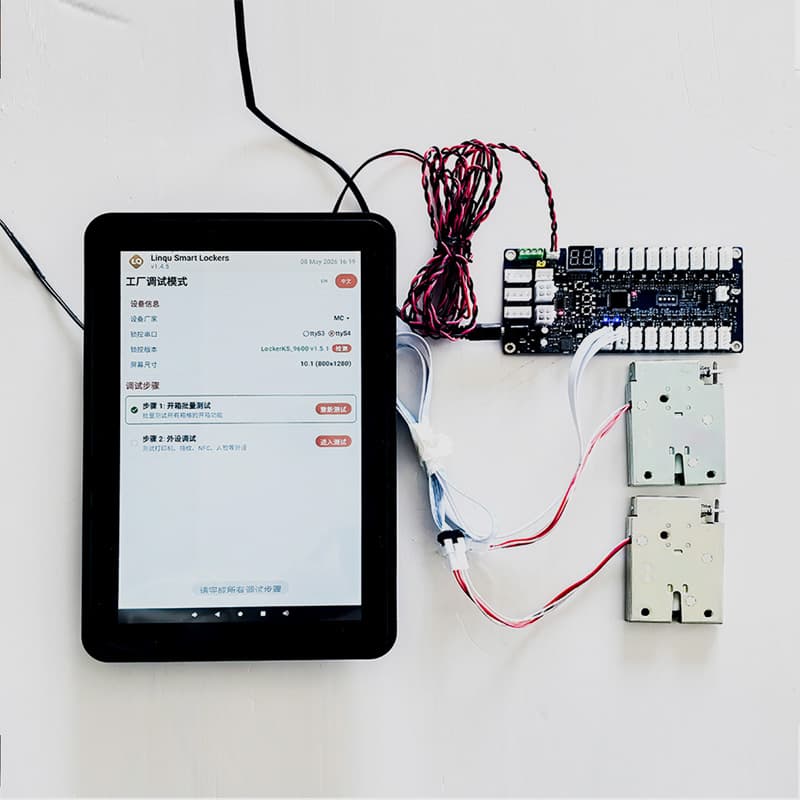
Linqu locker software can support compartment status, user records, order management, delivery and pickup timestamps, revenue statistics, remote login, role permissions, notification events, and access logs. For advanced operators, API callbacks can connect locker status with a POS, CRM, mini program, membership system, or delivery route tool.
For store teams, the daily routine becomes more predictable. Staff open the operator panel, view compartments with new deposits, collect shoes by batch, label or photograph each pair, and update order status. After service, staff assign a pickup compartment and trigger the notification. Managers see which locations create more deposits, which services sell most often, how long items stay in compartments, and whether a site needs more doors.
Cabinet Configuration
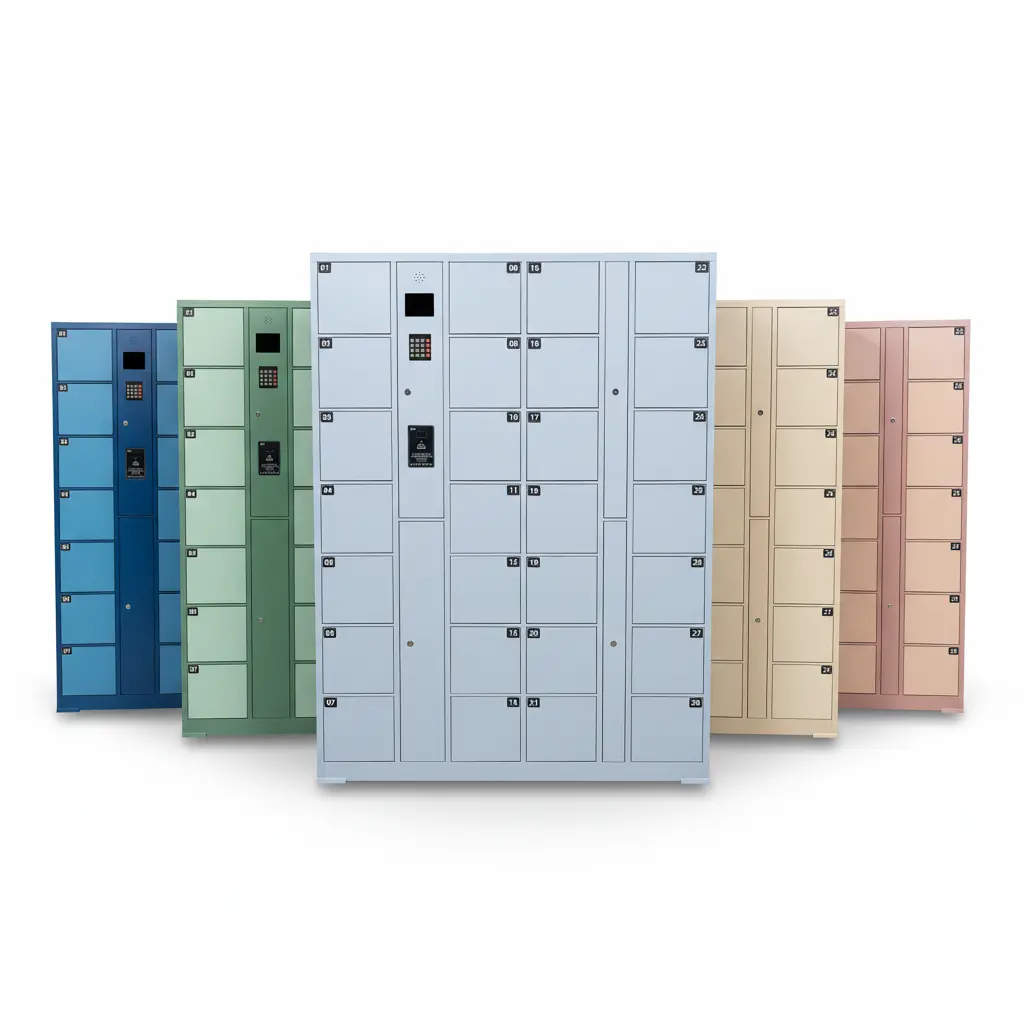
Shoe cleaning lockers usually need a different compartment mix from parcel lockers. A pair of sneakers, boots, basketball shoes, or boxed premium shoes may need more height than a small parcel. Operators should plan for standard shoe compartments, larger compartments for boots or multiple pairs, and a few flexible spaces for premium packaging or repair intake. Touchscreen options can include 7-inch, 10-inch, or 21.5-inch displays. Network options include WiFi, Ethernet, and optional 4G.
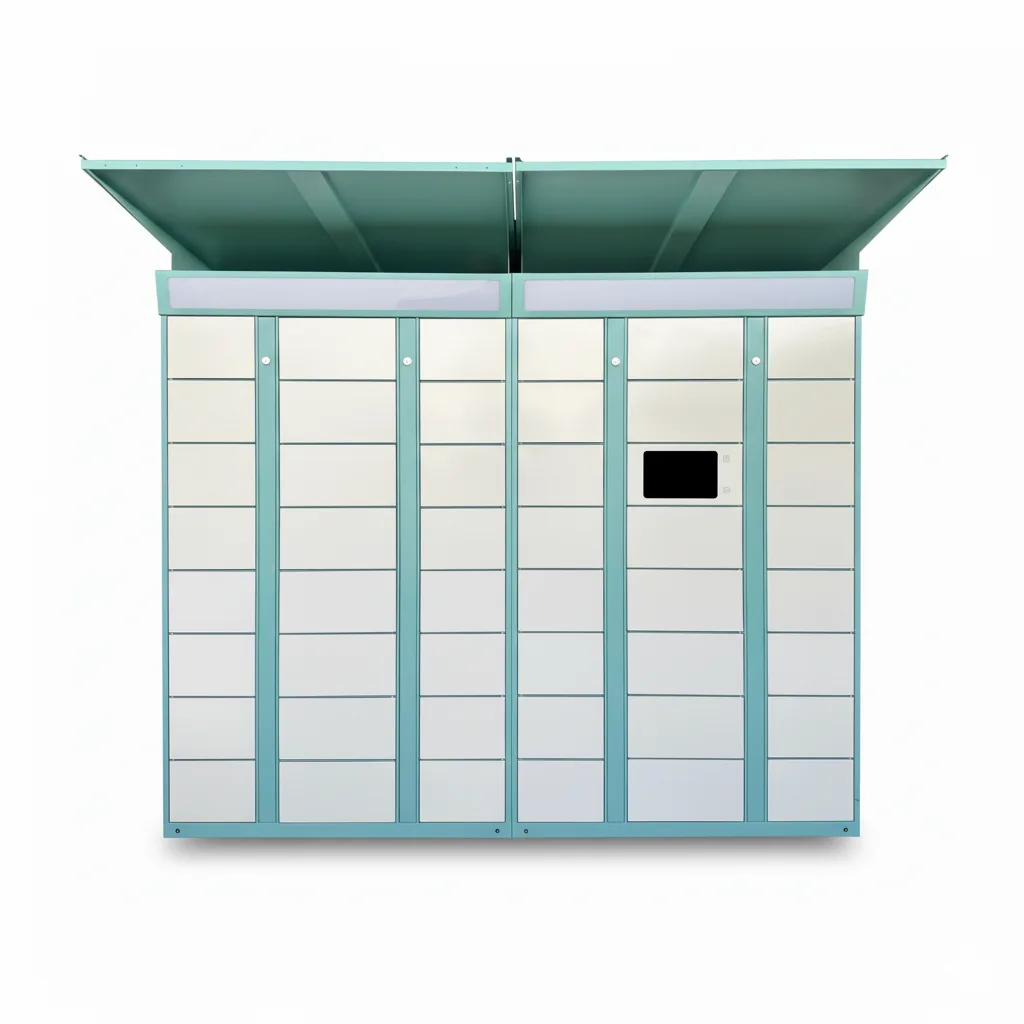
The cabinet can be indoor, semi-outdoor, or outdoor depending on site conditions. Operators can customize color, logo, cabinet wrapping, interface language, payment method, service categories, pricing rules, and compartment layout. A branded cabinet also acts as a local advertising asset. In a mall corridor, campus lobby, gym entrance, residential community, or dry cleaner storefront, the cabinet tells customers that shoe care is available even when staff are not present.
Payment, Notifications, and Trust
Payment can happen at order creation, after staff inspection, or before pickup. The right model depends on whether services have fixed prices or inspection-based pricing. For fixed packages such as basic sneaker cleaning, whitening, deodorizing, or express service, upfront payment is convenient. For repair, delicate materials, stains, suede, leather, or premium restoration, the operator may prefer inspection first and then send a payable link.
Trust is built through traceability. Each locker opening should have a timestamp. Each order should bind the customer, compartment, service type, pickup code, and staff handling event. Customer messages should be practical: deposit confirmed, order collected, cleaning started, ready for pickup, pickup code, reminder, and overdue notice. This reduces customer service calls and makes the experience feel more professional than a manual counter receipt.
Rollout Model: From One Cabinet to a Local Service Network
A practical rollout can start with one cabinet at a flagship store or high-traffic partner location. The first pilot should validate three numbers: daily drop-off volume, average locker dwell time, and percentage of repeat customers. If the cabinet is frequently full, add doors or a side cabinet. If customers deposit mainly after work or late evening, the 24/7 value is proven. If pickup dwell time is high, adjust notifications, free storage time, or compartment allocation rules.
After the pilot, the model can expand to mall entrances, gyms, campuses, apartments, office buildings, or franchise locations. The operator does not need a cleaning workshop at every point. Lockers become collection and return nodes, while cleaning remains centralized. This is the strongest business case for a shoe cleaning pickup locker: it allows service coverage to grow faster than staffed counters.

Marketing Positioning for Promotion
The best promotion angle is not only automation. It is convenience plus professional care. A customer does not want a complicated vending machine. They want to leave dirty shoes safely, receive updates, and collect clean shoes without waiting in line. Messaging should therefore focus on 24/7 drop-off, secure storage, QR pickup, branded service, fast quote, and professional cleaning quality.
For SEO and advertising, the strongest keywords include smart shoe cleaning locker, sneaker cleaning locker, shoe washing locker, shoe pickup and drop-off locker, self-service sneaker cleaning station, QR code shoe pickup, contactless shoe collection, 24/7 shoe pickup service, shoe care locker, and OEM smart shoe cleaning cabinet. In Traditional Chinese markets, current site data shows visible search interest around intelligent shoe cleaning cabinet terms, so a localized Traditional Chinese landing page or ad variation should be tested.
Buyer Checklist
How many pairs do you expect per day, on weekdays and weekends?
Will the cabinet support drop-off only, pickup only, or both drop-off and return?
Do you need fixed-price packages, inspection-based pricing, or both?
Which access method is preferred: QR code, PIN, app, SMS code, RFID, or staff card?
Will customers use a mobile app, web order page, mini program, or no-app cabinet workflow?
What compartment sizes are needed for sneakers, boots, multiple pairs, and premium packaging?
Will the cabinet be indoor, semi-outdoor, or outdoor?
Do you need payment, POS, CRM, membership, or delivery route integration?
Which languages are required for the touchscreen and messages?
What branding is needed on the cabinet, interface, receipt, and pickup notification?
Key Takeaways
A shoe cleaning locker is an unattended service channel, not just a storage cabinet.
The strongest use case is 24/7 drop-off and return for sneaker care brands, laundry operators, malls, campuses, gyms, and franchise networks.
QR/PIN access, order status, notifications, payment, and dashboard control are more important than door count alone.
Malaysia and Singapore shoe cleaning locker deployments show that the model can support brand trust and service expansion in Southeast Asia.
Linqu can support cabinet layout, branding, multilingual UI, payment options, local integrations, API workflow, OEM/ODM production, and 24-hour quote response through the Linqu contact page.
About Linqu
Linqu Smart Lockers was founded in 2018 and operates a 20,000 sqm factory in Luoyang, Henan, China. Linqu designs and produces smart laundry lockers, shoe cleaning lockers, self-service pickup lockers, parcel lockers, vending lockers, phone charging lockers, and OEM smart locker components for global B2B projects.