First Layer of Protection: External Power Input and Residual Current Protection
Why Is Residual Current Protection So Important?
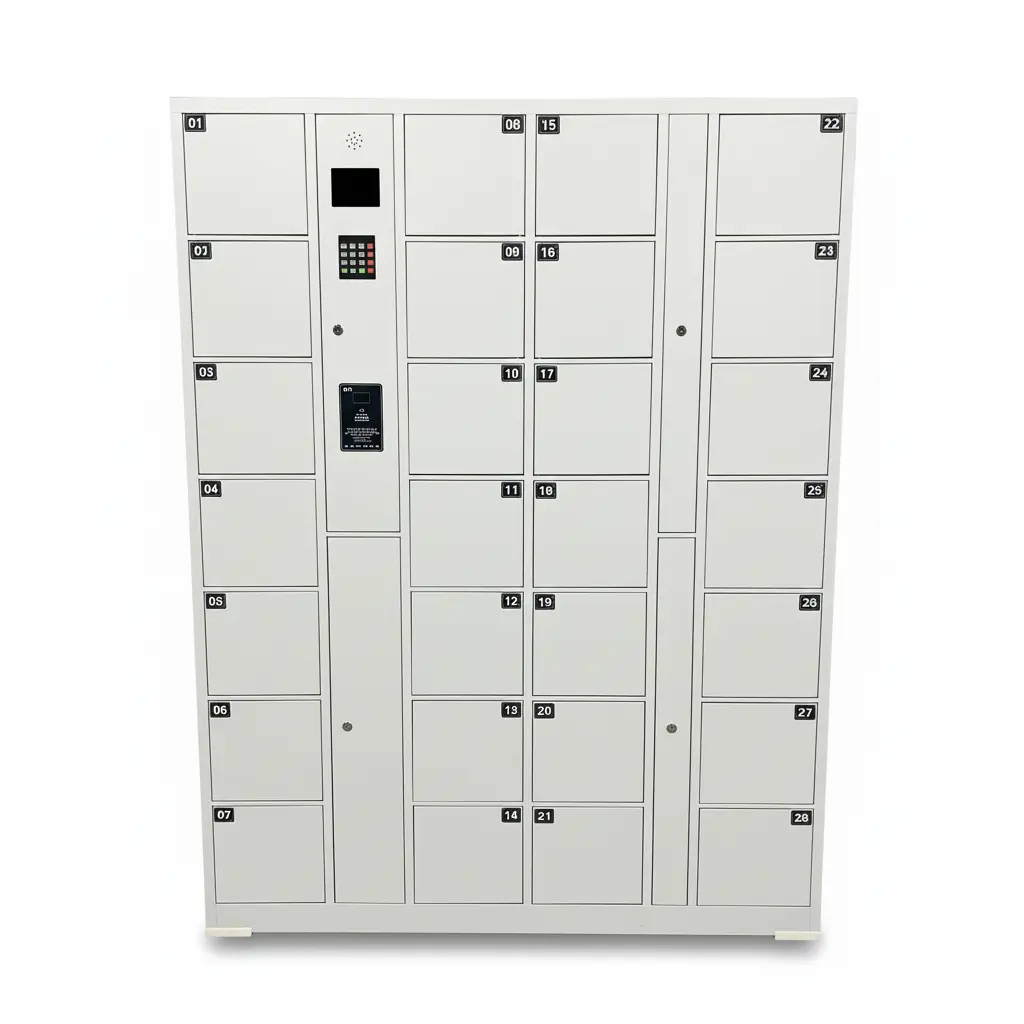
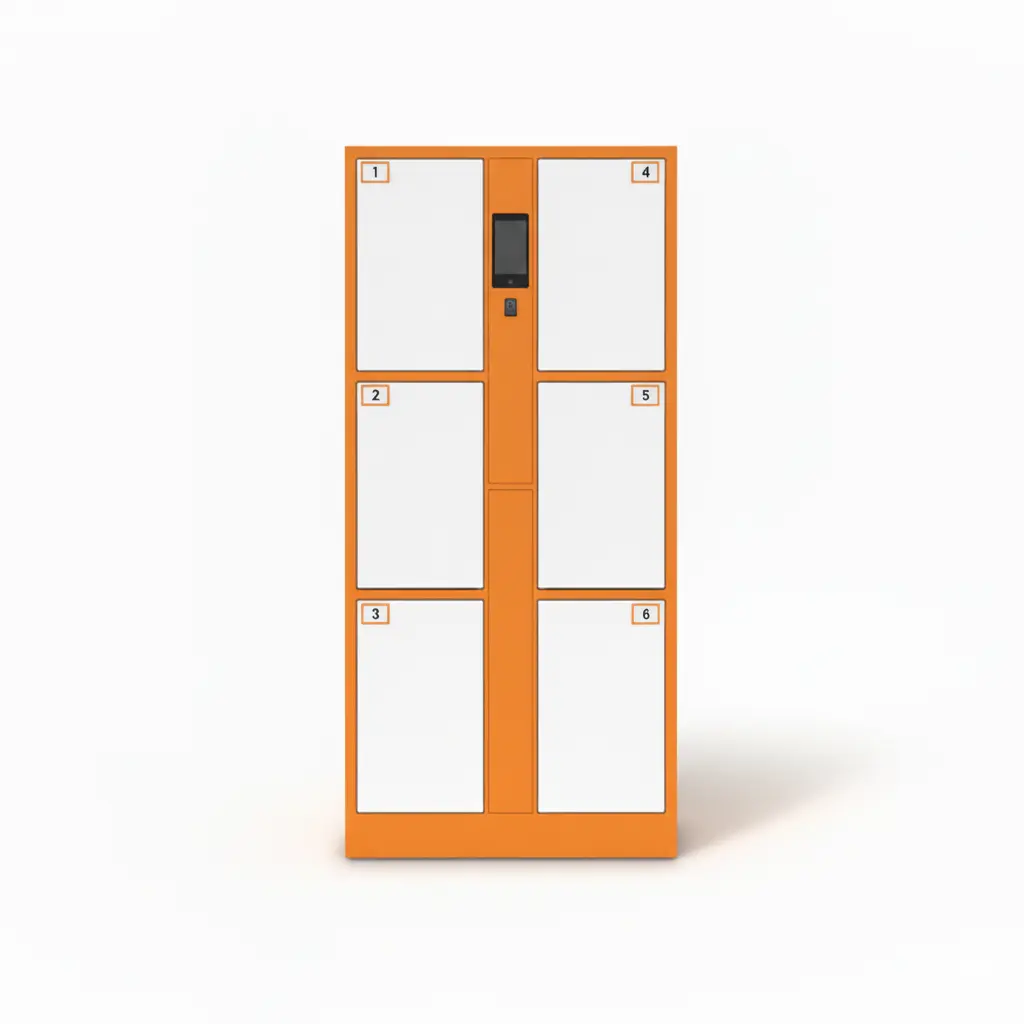
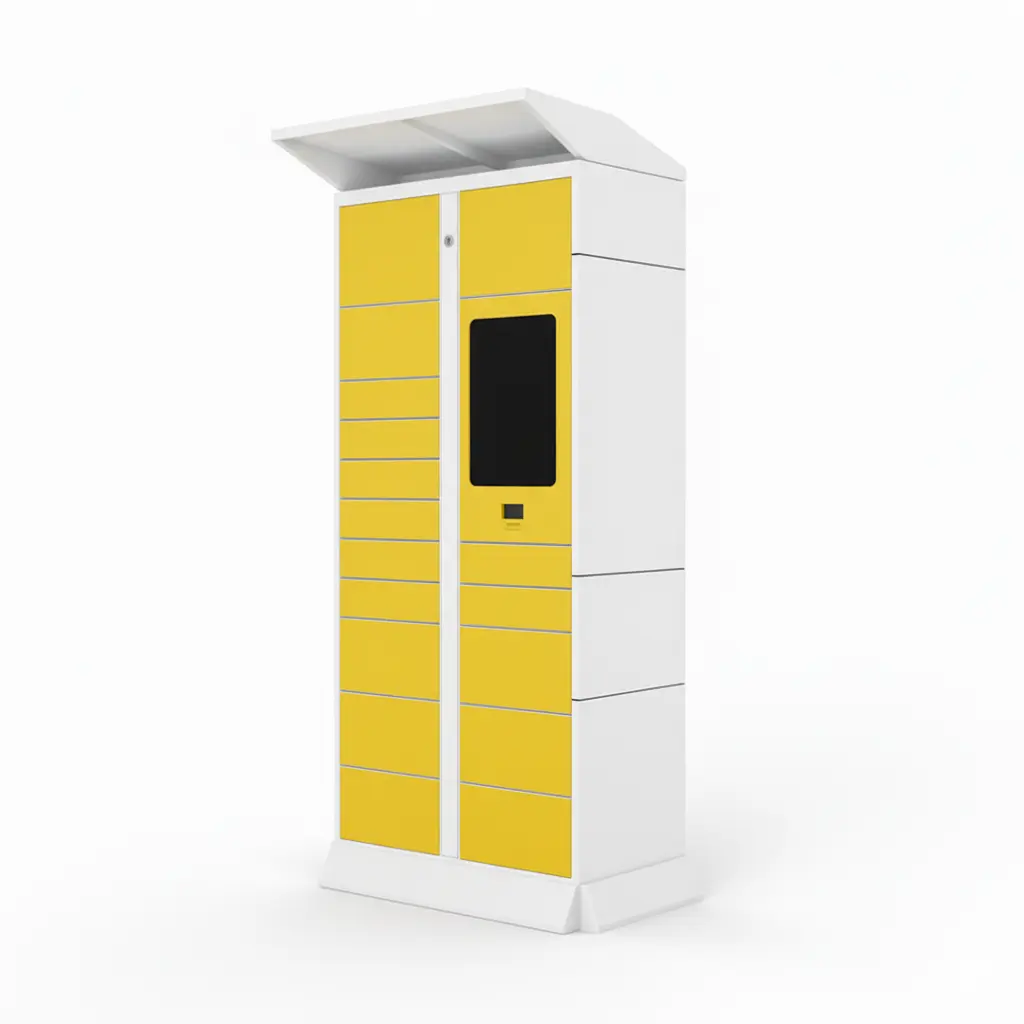
Smart lockers are typically deployed in the following environments:
Shopping malls and office buildings
Residential communities and campuses
Airports and stations
Outdoor or semi-outdoor environments
These locations have high foot traffic and frequent usage. Once an electrical safety issue occurs, the consequences can be very serious.
The function of residual current protection (RCD / residual current circuit breaker) is:
To immediately cut off the power supply in case of leakage or abnormal current, preventing electric shock accidents and equipment damage.
Industry Reality: Not All Manufacturers Include It as Standard
In real projects, we often find that:
❌ Many manufacturers do not include residual current protection in standard configurations
❌ Some only add it when explicitly requested by the customer
❌ Some shift the responsibility to the on-site power distribution system
Our approach is different:
✅ Residual current protection is implemented at the external power input of the smart locker
✅ The first safety barrier is built directly into the device
✅ Reduced dependency on on-site power conditions
This is especially critical for long-term operational projects.
Second Layer of Protection: Reasonable and Independent Power Architecture
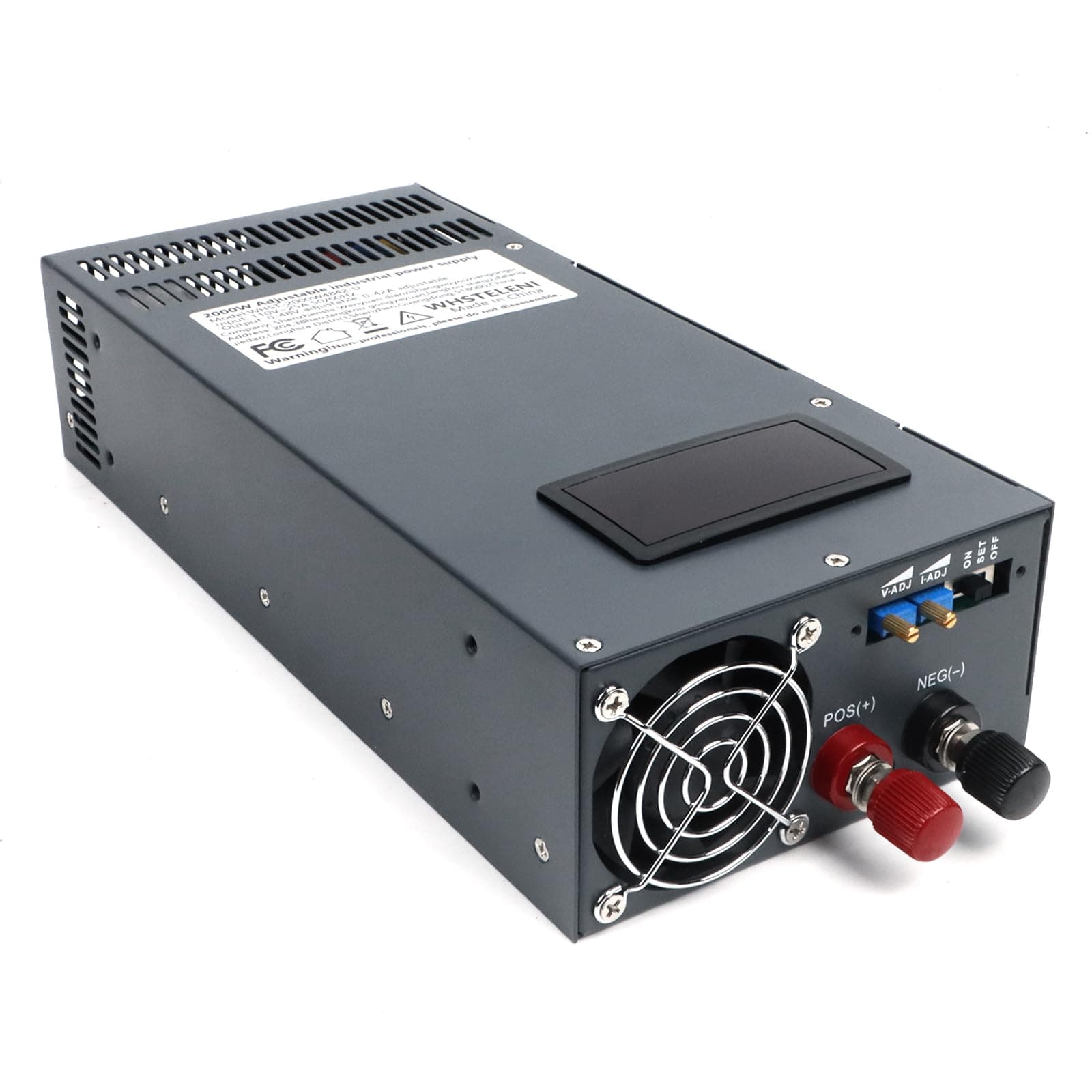
Standard Configuration: Dual Switching Power Supplies (12V + 24V)
Different components in a smart locker system have different voltage and stability requirements.
Our standard power architecture is:
12V switching power supply:
Dedicated to screens, main control boards, and other low-voltage modules
24V switching power supply:
Dedicated to lock boards and actuator modules

The core advantages of this design include:
Separated power loads
Minimal mutual interference
More stable voltage output
More controllable fault impact
Comparison with Low-Cost Power Solutions
❌ Single Switching Power Supply Solution
Some manufacturers reduce costs by using:
A single switching power supply for all modules
The problems include:
Screen, controller, and lock loads mixed together
Large current fluctuations when locks operate
System reboots, freezes, or black screens
❌ Single Power Adapter Solution
In more extreme cases:
A single consumer-grade power adapter is used
Similar to consumer electronics designs
Such solutions may work in short-term testing, but under:
Long-term 24/7 operation
High-frequency door opening
High or low temperature environments
Stability issues will gradually emerge.
Time Is the “Amplifier” of Power Architecture Quality
Smart lockers are not one-time-use devices. They are designed for:
Long-term operation
High usage frequency
Unattended environments

As operating time increases, differences in power architecture are amplified:
Optimized power design → long-term system stability
Low-cost simplified design → increasing failure rates over time
In many projects, problems often appear not in the first year, but in:
The second year
The third year
After usage volume increases
At that point, replacing the power architecture becomes far more costly and risky.
Why Do We Insist on Higher Power Design Standards?
From an engineering and long-term operations perspective, we believe that:
Power systems are not just “good enough to work”
They must be “stable, safe, and controllable over the long term”
Therefore, we insist on the following power design principles:
✅ Residual current protection as a basic safety configuration
✅ Dual-voltage independent power architecture
✅ Industrial-grade switching power supplies
✅ Designed for long-term 24/7 operation
This is not only responsibility toward the equipment, but also toward project owners, operators, and end users.
Conclusion: The Real Differences Are Often Invisible
In the smart locker industry, appearance and features are easy to replicate, but what truly determines equipment lifespan and stability often lies in:
Power systems
Cabling
Structural design
Engineering details
The power system is one of the most critical—and most underestimated—elements.
If you are evaluating smart locker solutions, we recommend looking beyond price and feature lists, and paying close attention to power and safety design, as these factors directly impact long-term operational stability.
Related Products: Outdoor Weatherproof Smart Parcel Locker | IP65 Protection | 4G LTE Connectivity | Anti-Rust Steel Cabinet | Smart Luggage Storage Locker for Airports and Transit Hubs with QR Code Access