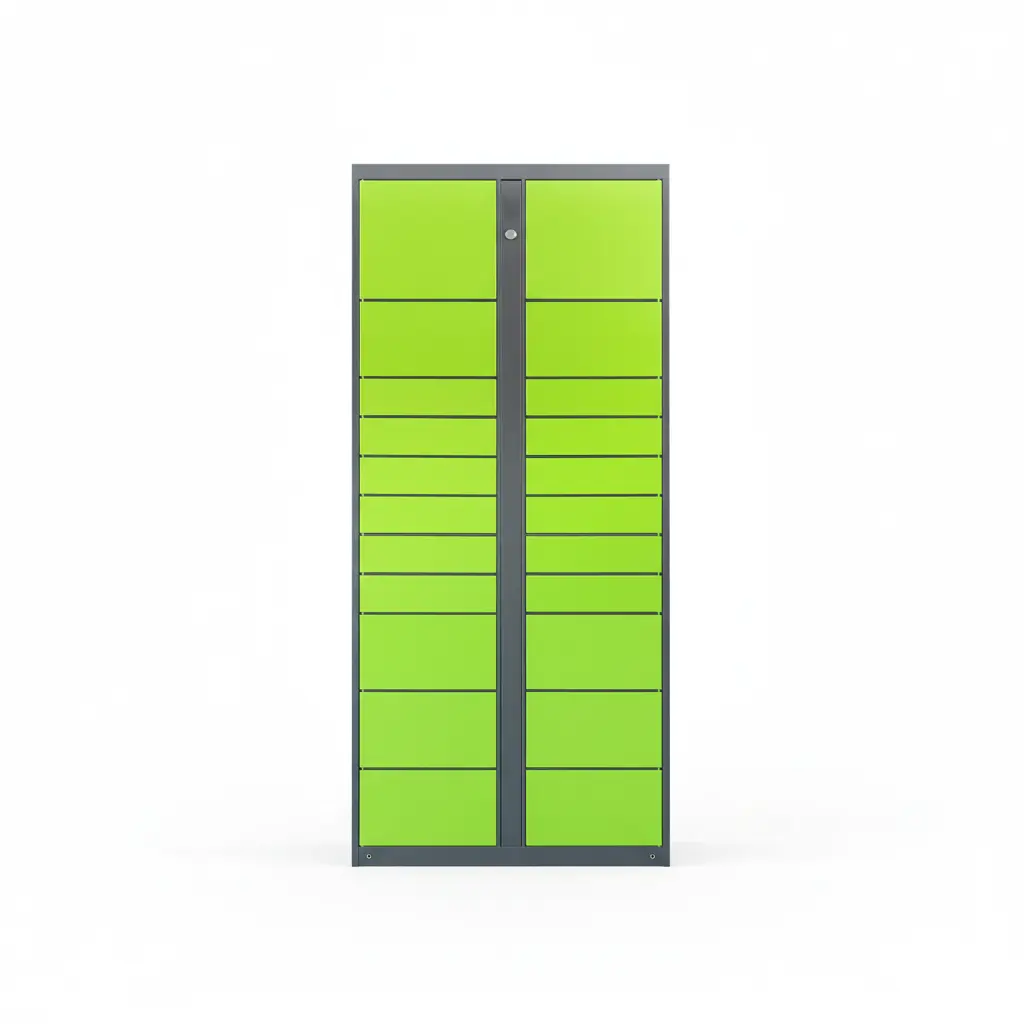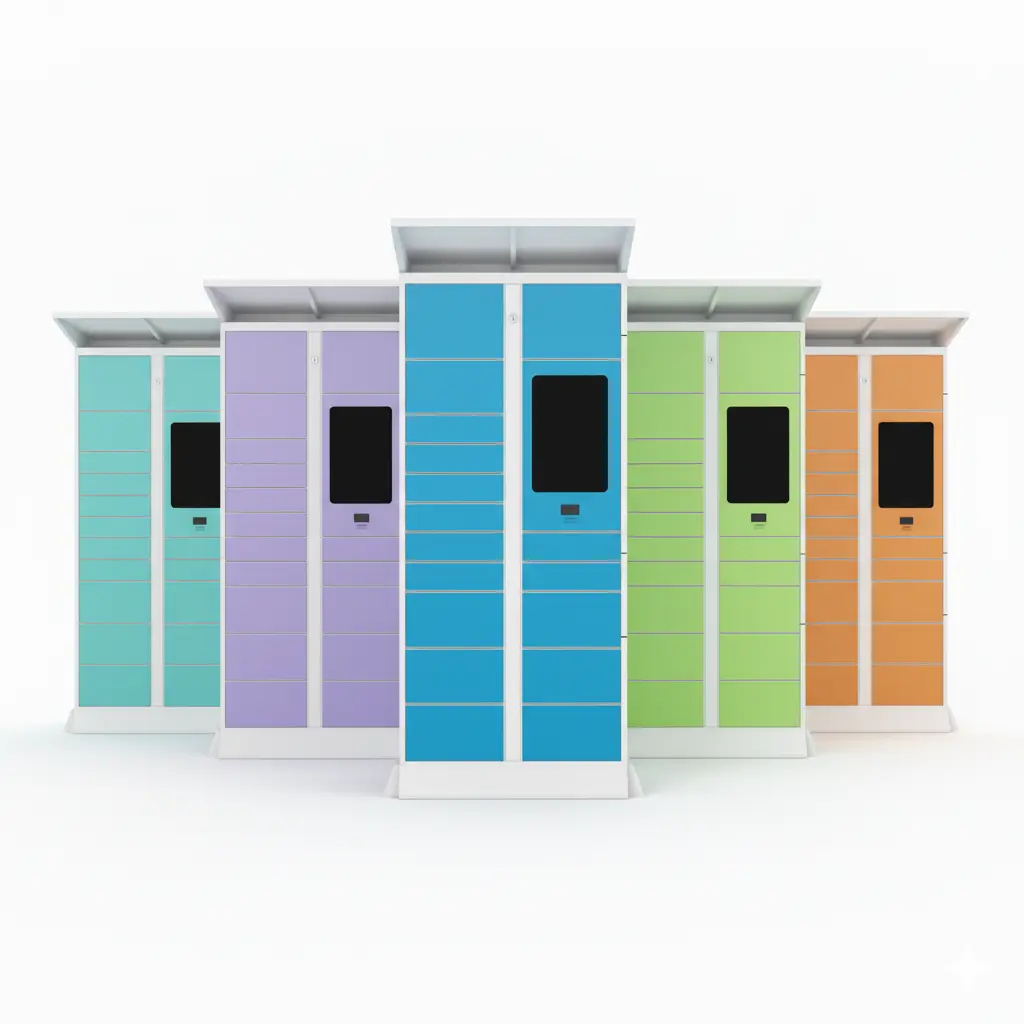
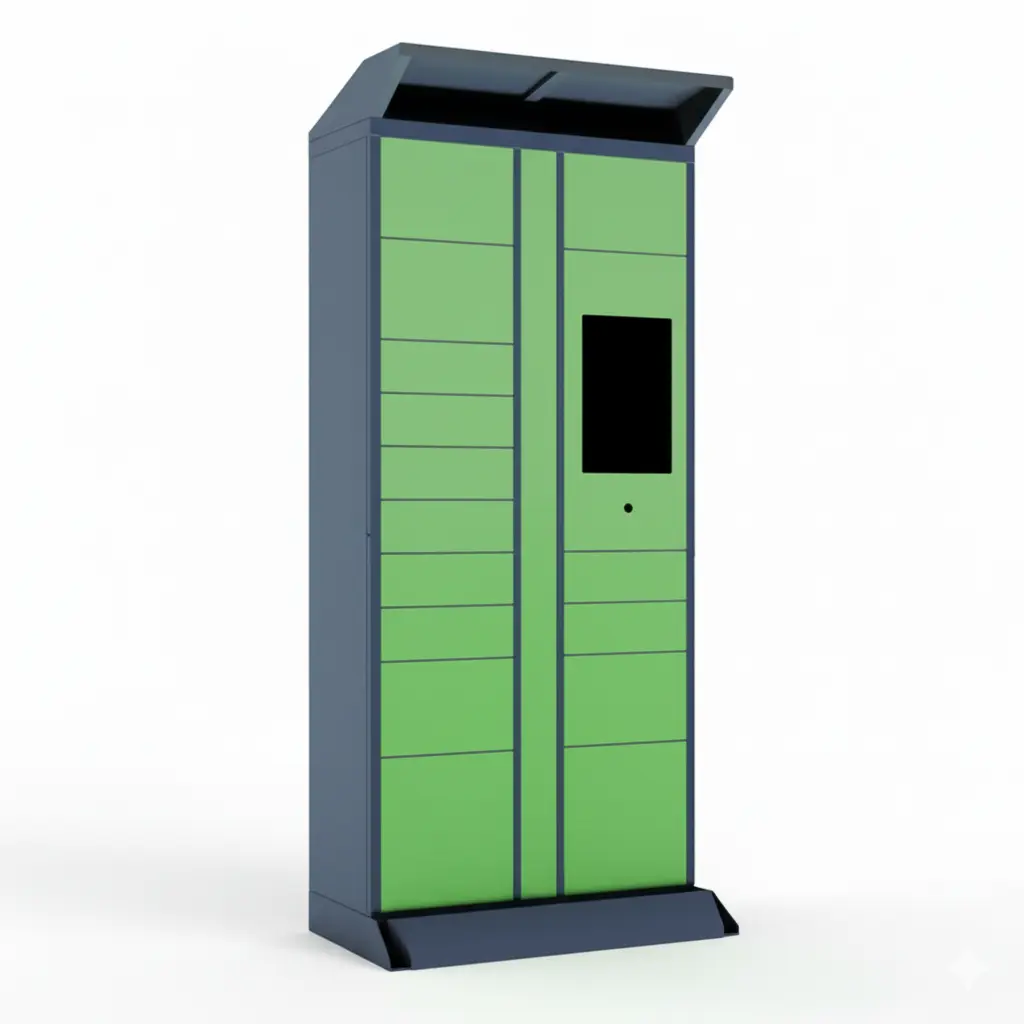
Linqu e um fabricante de armarios inteligentes sediado em Zhengzhou, China, que projeta e produz sistemas de armarios de encomendas para apartamentos, escritorios, campus, varejo e redes multi-transportadora. Este artigo explica how parcel locker API integration works, what data should move between systems, and what B2B buyers should confirm before ordering a customized locker project.
For many parcel locker projects, the cabinet is only the visible part of the system. The real operational value comes from the software layer: courier permissions, parcel status updates, QR or PIN pickup, SMS or email notifications, remote unlock, audit logs, and multi-site reporting. If these workflows are not planned before production, buyers may receive hardware that looks correct but cannot connect cleanly with their carrier, property, ecommerce, WMS, OMS, or internal service platform.

How does parcel locker API integration work?
Parcel locker API integration connects the locker software with external business systems so that delivery events, pickup codes, compartment status, user identity, and exception records can move automatically instead of being handled manually. In a typical workflow, a courier or backend system creates a delivery order, the locker platform assigns a compartment, the recipient receives a pickup credential, and the system records each door opening, timeout, return, or admin override.
The API does not need to be complicated at the start. Many projects begin with a few stable endpoints: create order, assign compartment, send notification, query locker status, open door remotely, close order, and export logs. Larger networks can add webhook callbacks, carrier permission rules, batch delivery, return drop-off, language selection, payment events, and abnormal-door alarms. A buyer should therefore define the workflow first, then choose the API scope.
LinQu parcel locker projects can support PIN code, QR code, barcode, RFID, app access, SMS notification, email alert, cloud management, remote unlock, and delivery or pickup records. For buyers planning an office or workplace deployment, the office parcel locker with cloud management is a useful internal-link destination because it shows how software visibility matters in daily operation.
Which systems should a smart parcel locker connect with?
A smart parcel locker can connect with different systems depending on who operates the locker network. A property manager may need resident records, tenant units, SMS templates, and delivery logs. A logistics operator may need courier accounts, route systems, barcode scanning, return labels, and bulk deposit. A retailer may need OMS or POS order status, customer notification, click-and-collect release rules, and pickup expiration logic.
| Integration area | Typical data | Buyer question |
|---|---|---|
| Carrier access | Courier ID, permission, barcode, deposit time | Can different carriers use one locker bank with separate permissions? |
| Recipient notification | Phone, email, pickup code, expiry time | Can the system send SMS, email, app, or WhatsApp messages by market? |
| Operations dashboard | Occupancy, door status, exceptions, logs | Can managers monitor many sites from one cloud dashboard? |
For logistics hubs and carrier-neutral networks, the most important topic is permission control. The locker should allow different couriers to deposit parcels without exposing all compartments or unrelated customer data. See the logistics hub multi-carrier parcel locker page for a product example aligned with this requirement.

What should buyers ask before ordering an API integrated locker?
Buyers should ask for workflow proof, not only a list of interface names. A vendor may say that the system supports API integration, but the practical question is whether the interface matches the buyer's delivery flow. For example: Who creates the order? How is the recipient identified? When is the pickup code generated? What happens if the parcel is not collected? Can a courier open only assigned compartments? Can the operator export logs for disputes?
Confirm whether the project needs pickup only, pickup plus drop-off, or pickup, drop-off, and returns in one workflow.
Confirm access methods: PIN, QR code, barcode, RFID, NFC, app account, staff card, or admin remote unlock.
Confirm notification channels and markets: SMS, email, app push, WhatsApp, or local message providers.
Confirm whether the dashboard supports multi-site management, occupancy reports, abnormal-door alerts, and audit logs.
Confirm whether the API supports webhooks so external systems receive delivery, pickup, timeout, and exception events in real time.
Confirm language, branding, screen flow, and compartment mix before hardware production.
The best time to clarify these questions is before the cabinet layout is finalized. API scope can affect screen size, scanner selection, network mode, SIM card planning, backend hosting, privacy rules, and even the number of compartment sizes required for the site.
How API planning affects compartment design and deployment
Software planning and cabinet planning should happen together. A residential building with 300 units may need more medium compartments, SMS notification, and simple resident pickup. A public pickup point may need stronger barcode scanning, open-network permissions, camera integration, and return drop-off logic. An office building may need tenant-level reporting and secure staff handover. These differences affect the physical locker design.
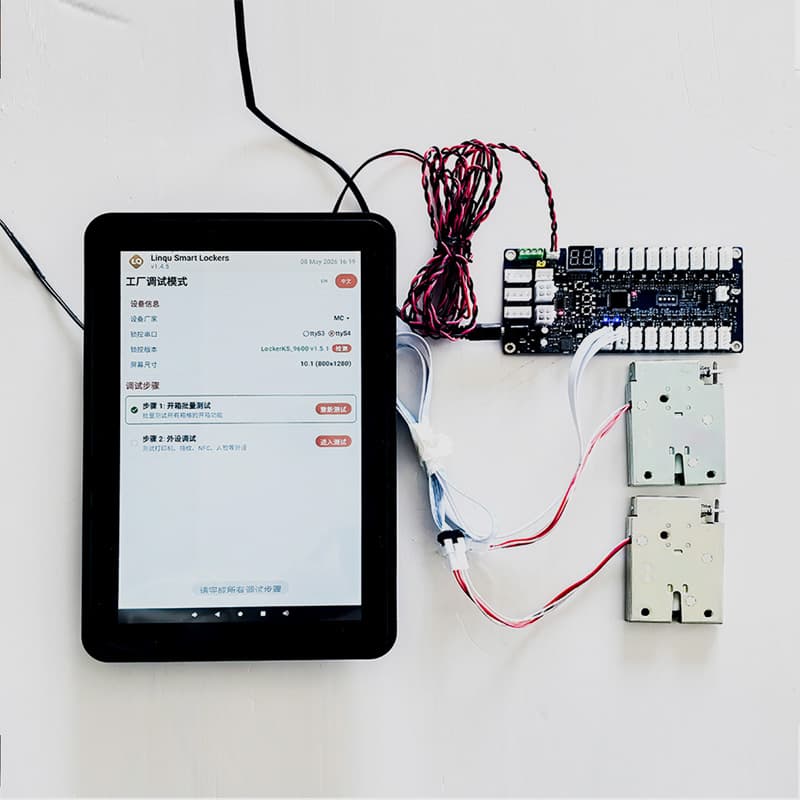
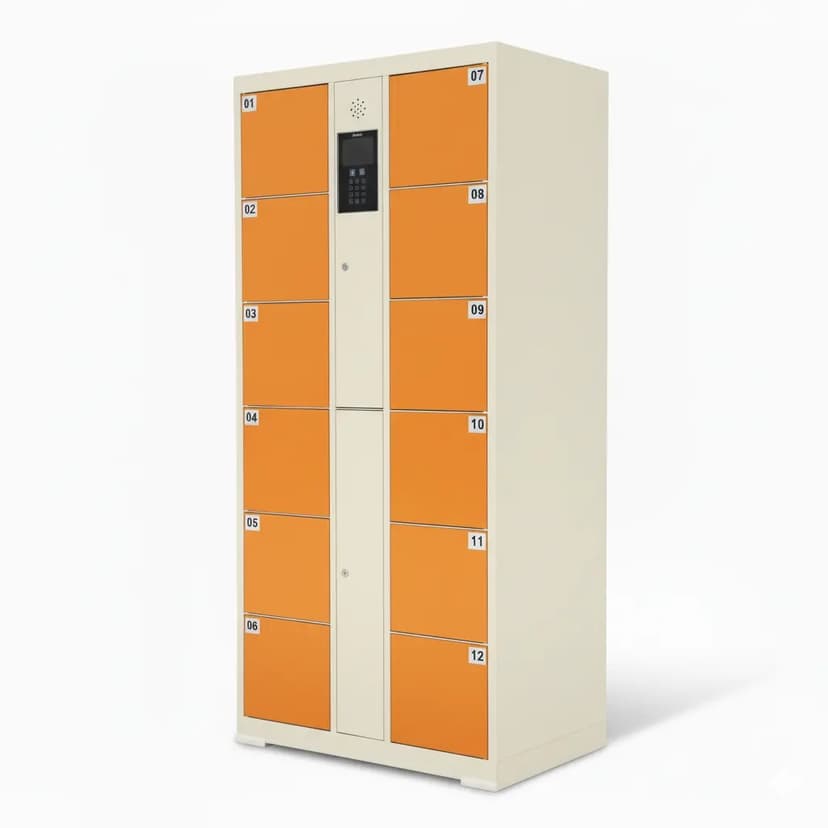
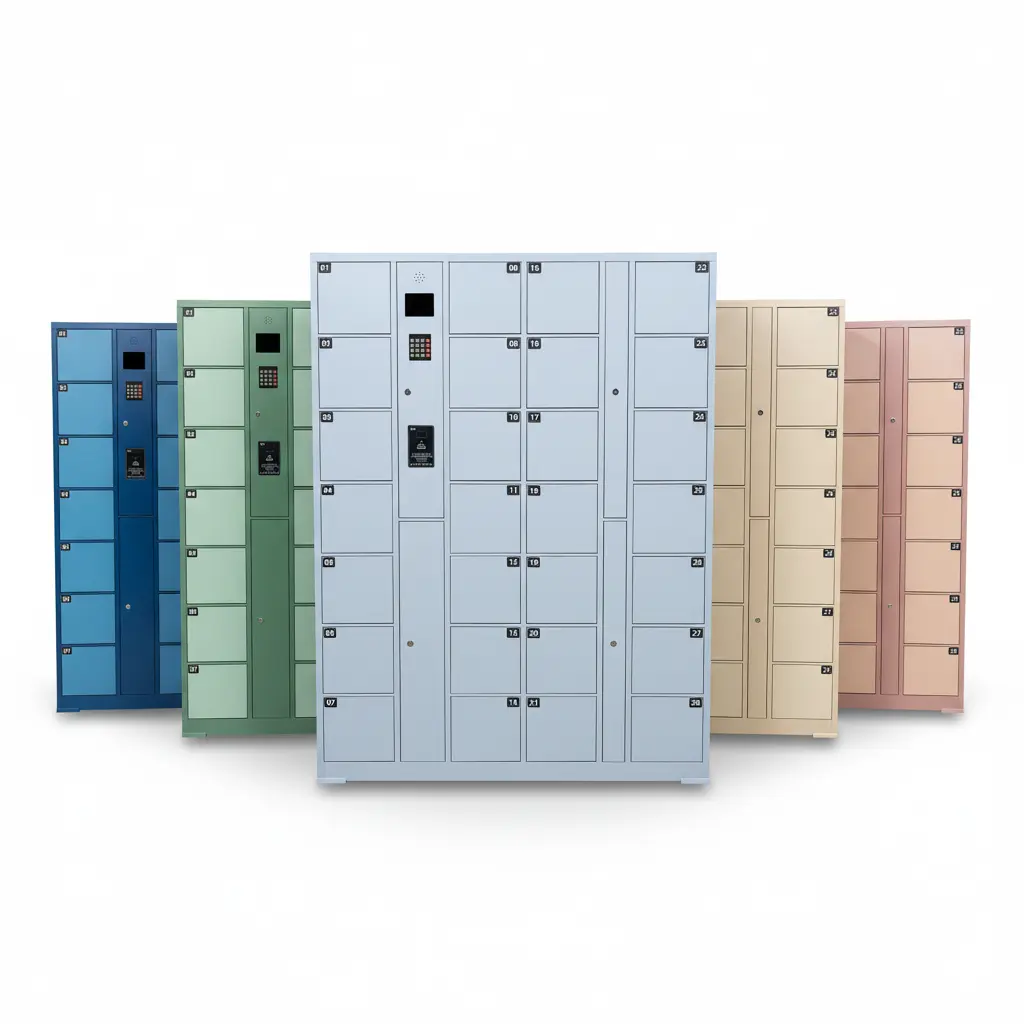
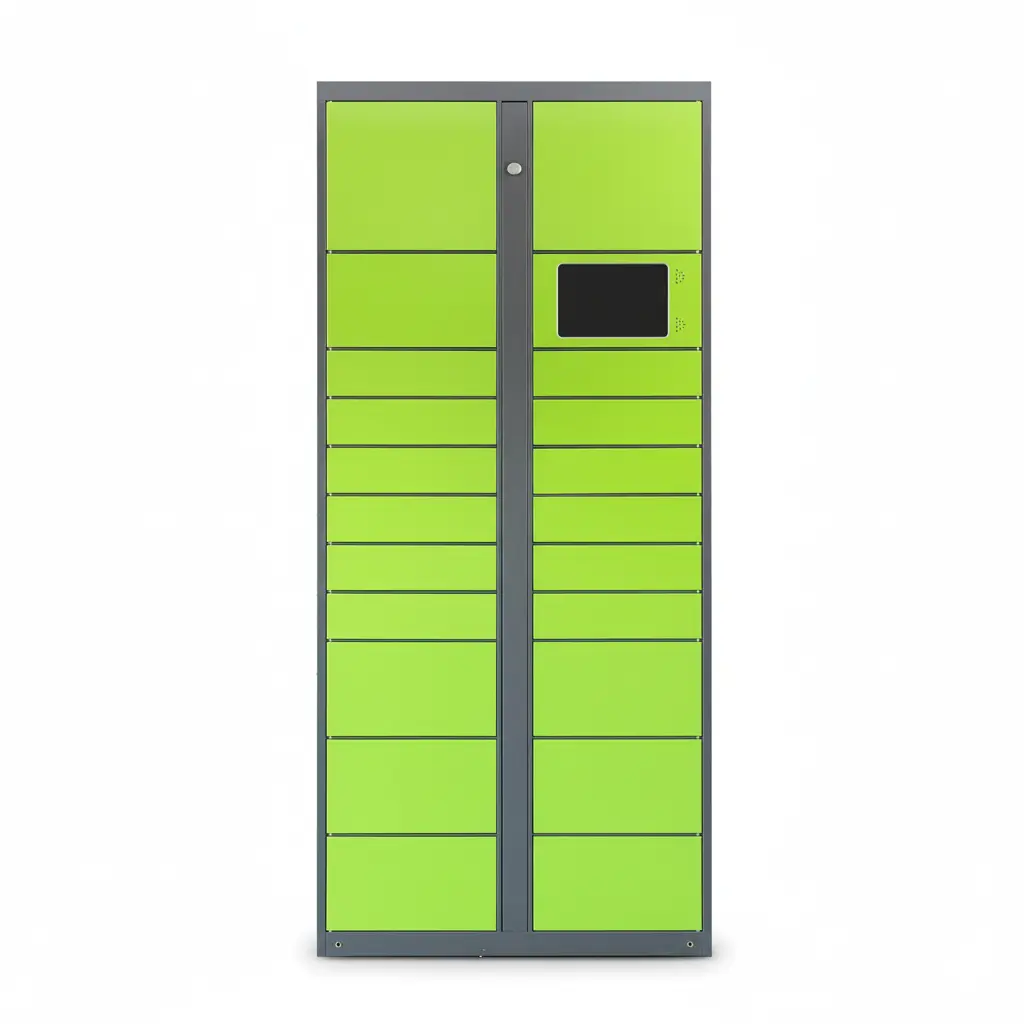
LinQu supports modular cabinet combinations with small, medium, and large compartments, 7-inch, 10-inch, or 21.5-inch touch screens, electronic locks, barcode or QR scanning, Wi-Fi, LAN, and 4G network options. The system can support cloud management, delivery records, pickup records, occupancy status, timeout reminders, remote unlock, and abnormal-door handling. For residential projects, the apartment parcel locker with SMS notification is a strong reference because it shows how simple notification and access rules can reduce front desk pressure.

For outdoor or semi-outdoor sites, integration planning also touches infrastructure. Buyers should decide whether the locker needs LAN, Wi-Fi, 4G, battery backup, solar readiness, waterproof cabinet design, anti-rust coating, and remote monitoring for network interruptions. These requirements are easier to include during production than to retrofit after shipment.
Key Takeaways
Parcel locker API integration should begin with the delivery workflow, not with a generic software feature list.
A practical API should cover order creation, compartment assignment, notification, pickup, timeout, exceptions, and logs.
Multi-carrier parcel lockers need permission control so each courier can use the same locker network safely.
SMS, email, app, WhatsApp, QR code, PIN code, barcode, and RFID options should be chosen according to the target market.
Cabinet layout, screen size, scanner hardware, network mode, and software scope should be confirmed together.
LinQu can customize parcel locker hardware, software workflow, API integration, language, branding, and compartment mix for B2B projects.
About Linqu
About Linqu — Linqu (linqubox.com) e um fabricante de armarios inteligentes sediado em Zhengzhou, China. Fundada em 2018, projetamos e produzimos armarios de encomendas, bagagem, alimentos, lavanderia, retirada e OEM para clientes B2B em todo o mundo. Cotacao personalizada gratuita em 24 horas.